A fence that works changes how you use your property. Your dog stays in the yard without you watching the gate. Your kids play outside without you worrying about the street. You sit on your back patio without your neighbors three feet away.
That’s the baseline. But in Florida, you also need a fence that doesn’t rot in two years or blow over in the next storm. The difference between a fence that lasts and one that becomes your problem comes down to materials that match the climate and installation that goes deeper than surface level.
Posts buried three feet in concrete don’t budge when the wind hits. Vinyl that’s UV-resistant doesn’t crack after a summer. Aluminum that’s powder-coated doesn’t corrode near the coast. You’re not just getting a fence—you’re getting years without having to think about it again.
We’ve spent over 20 years installing fences across Lake, Orange, Seminole, Brevard, Volusia, Osceola, Polk, Sumter, and Marion counties. We’re licensed, insured, and we’ve seen what works in Silver Springs Shores East and what doesn’t.
Florida isn’t like other states. The humidity warps wood faster. The storms test every post. The sun breaks down cheaper materials in months. We use what actually holds up here—not what looks good in a catalog.
You’re not getting a crew that disappears after the deposit. You’re getting transparent pricing, no surprises, and installation that doesn’t drag on for weeks. We show up, we do the work right, and your yard is usable again.
First, we come out and look at your property. We measure, check for any drainage or grade issues, and talk through what you actually need—not what we want to upsell you on. If you’ve got pets, kids, or specific privacy concerns, that shapes the recommendation.
Next, we handle permits if your area requires them. Marion County and surrounding areas have height restrictions and setback rules. We know them, so you don’t have to call the county three times trying to figure it out.
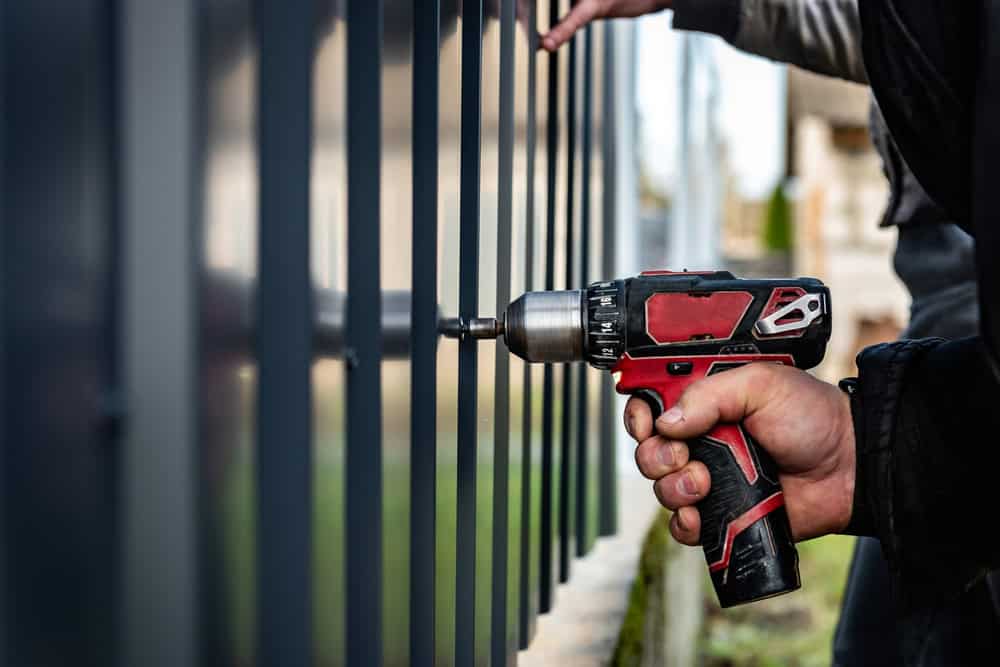
Then we install. Posts go at least three feet deep in concrete for storm resistance. Rails and pickets get fastened with hardware that won’t rust out in a year. Gates get hung level so they actually close without you forcing them. The job site gets cleaned up when we’re done—no piles of scrap wood left in your driveway.
You get a fence that does what you needed it to do, installed by people who’ve done this enough times to skip the mistakes.
Ready to get started?
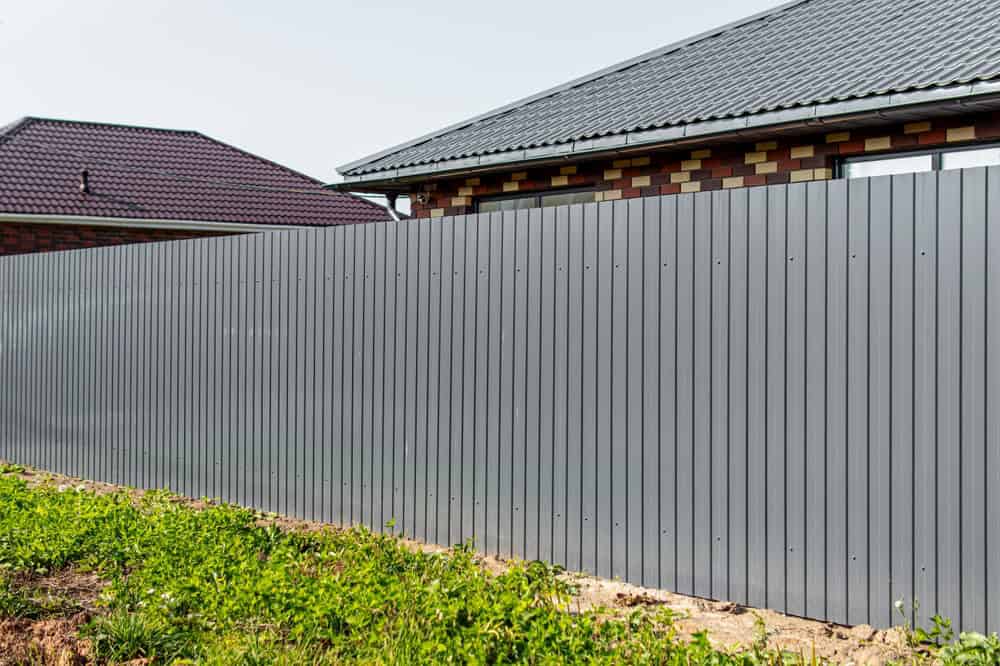
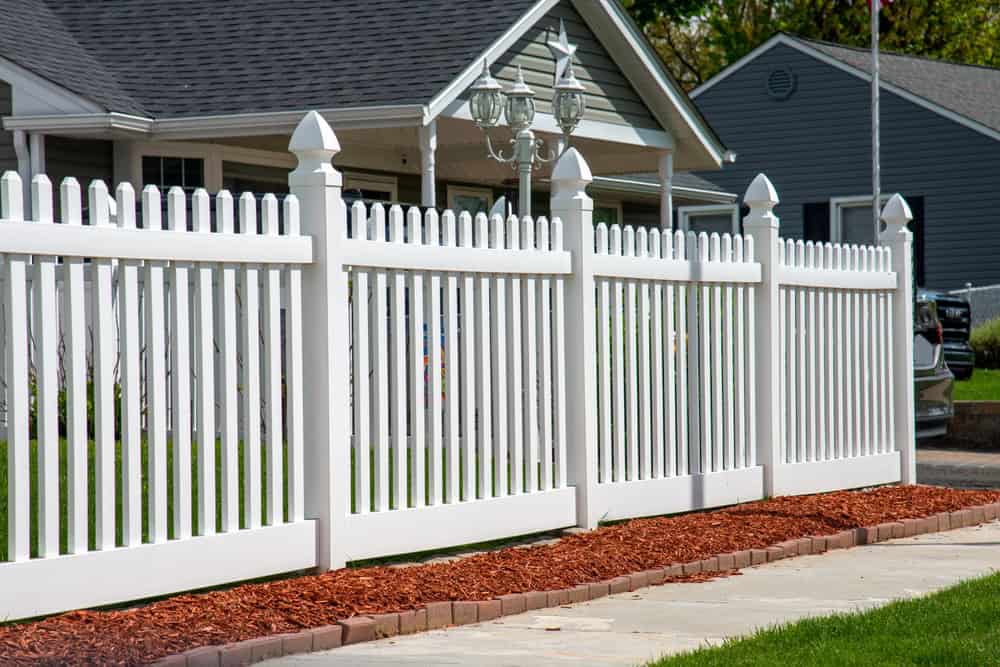
We install wood, vinyl, aluminum, and chain link—whatever fits your budget and your property. Wood fences give you full privacy and that classic look, but they need sealing in Florida’s climate to avoid warping. Vinyl is low-maintenance and handles humidity without rotting. Aluminum works well if you want security without blocking sightlines, and it doesn’t corrode. Chain link is the most affordable and still durable if you just need a boundary.
In Silver Springs Shores East, most residential fence installation projects are privacy fences—six feet tall, solid pickets, designed to block noise and create actual separation from neighbors. With 62% of households owning pets, a fenced yard isn’t just nice to have. It’s a requirement for a lot of buyers, which is why fences return 30-50% of their cost when you sell.
We also install gates—single, double, or estate-style if you’ve got a longer driveway. Every gate gets hardware that won’t sag or bind up after a few months. If you’re in a flood zone or deal with standing water, we adjust post depth and materials to handle it. Florida’s not a one-size-fits-all state, and neither is fence installation here.
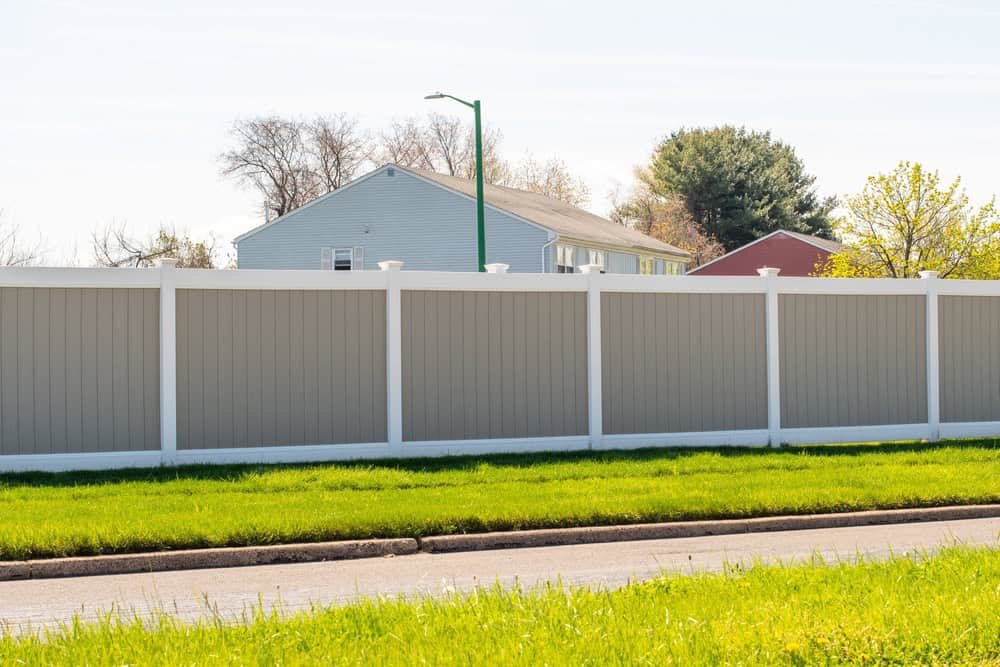
Most residential fence installation projects take two to four days depending on the size of your property and the type of fence. A standard privacy fence around a quarter-acre lot usually wraps up in two to three days if the weather cooperates and there aren’t any utility lines we need to work around.
The timeline can stretch if we hit rock or need to wait on a permit. Some areas in Marion County require permits for fences over a certain height, and that can add a few days to the schedule. We don’t control the county’s processing time, but we handle the paperwork so you don’t have to.
If you need the fence done by a specific date—maybe you’re closing on a house or getting a dog—let us know up front. We’ll tell you if it’s realistic or if you need to adjust expectations. We’d rather be honest than promise something we can’t deliver.
Vinyl and aluminum hold up best in Florida because they don’t rot, warp, or rust. Vinyl fences handle the humidity without any maintenance beyond occasional washing. Aluminum doesn’t corrode even if you’re near the coast, and it’s strong enough to meet wind load requirements for hurricanes.
Wood can last if you maintain it, but in Florida that means sealing or staining every two to three years. Skip that and you’ll see cracking and warping within months—especially with the quality of lumber available now. If you want the look of wood without the upkeep, there are composite options that mimic the appearance but don’t need constant attention.
Chain link is durable but doesn’t offer privacy. It works if you just need a boundary or something to keep a dog contained. For most homeowners in Silver Springs Shores East, vinyl or aluminum makes more sense unless budget is the only factor. You’ll spend less time fixing it and more time actually using your yard.
It depends on your fence height and where you’re putting it. In most parts of Florida, backyard fences can go up to six feet without a permit, and front yard fences max out at four feet. But Marion County and some HOAs have their own rules, and those can be stricter.
If you’re in a neighborhood with a homeowners association, check your covenants before you do anything. Some HOAs require approval for fence style, color, and placement. We’ve seen projects delayed because someone assumed their HOA didn’t care—and they did.
We handle permit applications if your project needs one. It’s easier than trying to navigate county websites and figure out which forms apply. If you skip the permit and need one, you can get fined or forced to tear the fence down. Not worth the risk when it only adds a few days to the timeline.
At least three feet deep, set in concrete. That’s the standard for storm resistance in Florida. Shallow posts or ones just tamped into dirt will move when wind speeds pick up. You need depth and concrete to keep the fence standing when a storm rolls through.
We dig post holes to the right depth and use concrete that cures properly—not the quick-set stuff that’s weaker. The rails and pickets also matter. If they’re not fastened with galvanized or stainless hardware, they’ll rust and fail even if the posts stay put.
Florida has wind load requirements for fencing, especially in coastal zones. We build to those standards whether it’s required for your specific lot or not. You don’t want to be the house with the fence scattered across the yard after the next hurricane. It’s happened enough times that we’ve seen what works and what doesn’t.
Yes, but the return depends on the material and condition. Privacy fences typically return 30-50% of the installation cost when you sell, and they help homes sell faster—sometimes two weeks quicker than homes without fences. Buyers with pets or kids see a fenced yard as move-in ready, which makes your property more appealing.
Vinyl and aluminum fences tend to add more value because they’re low-maintenance. Buyers don’t want to inherit a wood fence that needs staining every other year. A fence that looks good and doesn’t require work is a selling point, not a liability.
Real estate agents will tell you that fenced yards get more showings and better offers in family-oriented areas. It’s not going to double your home’s value, but it’s one of those upgrades that pays for itself when you factor in the faster sale and the appeal to a bigger pool of buyers. In Silver Springs Shores East, where a lot of families are looking for space and privacy, it’s a smart move.
Vinyl costs more up front but requires almost no maintenance. You’re not sealing it, painting it, or replacing boards that warp. It handles Florida’s humidity without rotting, and it doesn’t fade as quickly as cheaper materials. The installation process is similar to wood, but the posts and rails are designed to snap together, which can speed things up.
Wood is less expensive initially and gives you that traditional look. But in Florida, wood needs protection from moisture and sun. If you don’t seal or stain it within a few months of installation, it’ll start cracking and warping. Even with maintenance, wood doesn’t last as long as vinyl in this climate.
The choice usually comes down to budget and how much time you want to spend on upkeep. If you’d rather install it and forget about it, vinyl makes sense. If you like the look of wood and don’t mind maintaining it, that works too. Both can handle Florida weather if they’re installed correctly—it’s the maintenance that separates them over time.
Other Services we provide in Silver Springs Shores East