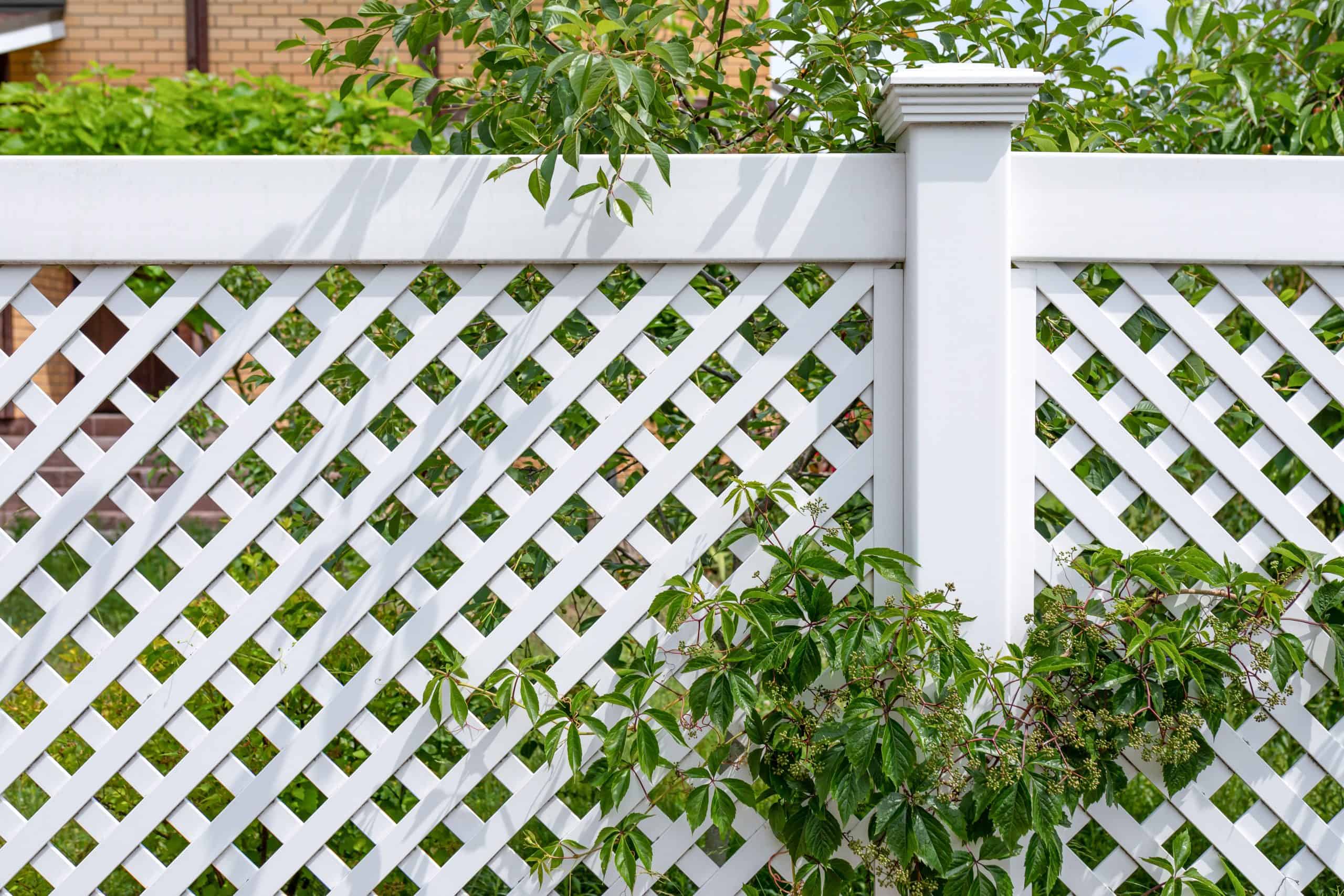
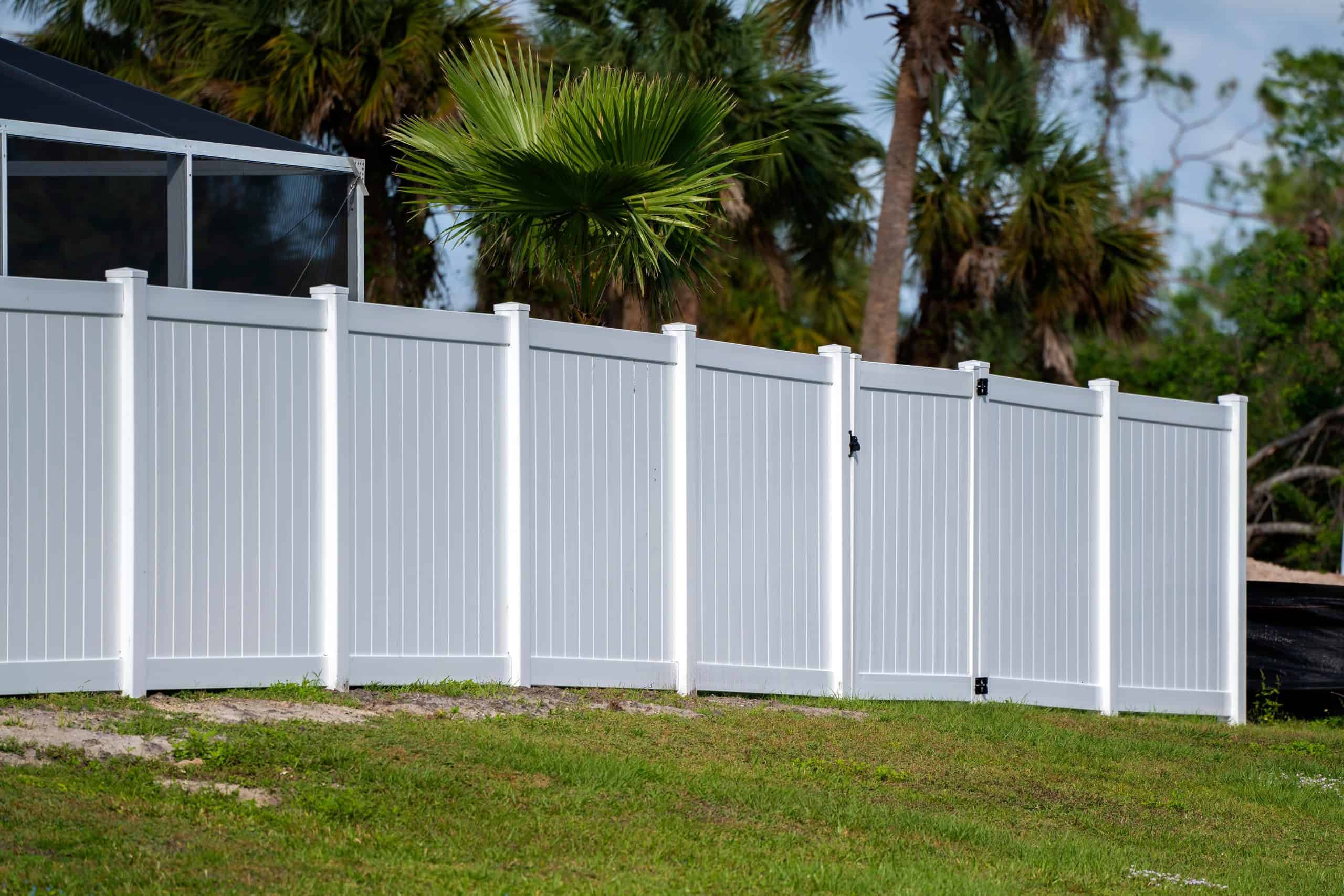
You’re not painting it. You’re not staining it. You’re not replacing rotted boards every few years because Florida’s humidity ate through the wood.
Vinyl fencing flexes when wind hits it, which matters when you’re in a state where storms aren’t a question of if, but when. It doesn’t crack under UV exposure the way cheaper materials do. And it doesn’t absorb moisture, so insects and rot aren’t part of the equation.
Most vinyl fences last 20 to 30 years with proper installation. That’s two or three decades where your biggest maintenance task is hosing it down once in a while. No scraping, no sealing, no emergency repairs after a storm rolls through.
If you’ve got a quarter to half-acre lot like most homes around here, that’s a lot of perimeter to maintain. Vinyl takes that off your plate entirely while giving you the privacy, security, and clean look you’re after.
We’ve been working in Central Florida since 2004, with company roots going back to 1992. We’re licensed, bonded, and insured across nine counties including Marion County, where Silver Springs Shores East sits.
We’re not the cheapest vinyl fence contractor you’ll find. We use top-grade materials because we’ve seen what happens when homeowners go with the lowest bid—callbacks, repairs, and fences that don’t make it through their first hurricane season.
Most homes in Silver Springs Shores East were built between 1970 and 1999. That means a lot of original fencing is overdue for replacement, and a lot of homeowners are dealing with wood that’s rotted out or chain link that’s rusted through. We handle both new installations and full replacements, and we price it transparently so you know exactly what you’re paying for before we start.

You call or submit a request. We schedule a time to come out, measure your property, and talk through what you need—privacy, security, pool code compliance, whatever the goal is.
We give you a quote with no hidden costs. If you move forward, we handle the permit process. In Florida, fences generally can’t exceed six feet in height, and front yard fences are usually capped at four feet. We make sure everything’s compliant with local codes so you’re not dealing with fines or forced removals later.
Once permits clear, we schedule installation. Our crew sets posts, levels panels, and installs gates. Vinyl fence installation typically takes a few days depending on the size of your property and any site-specific challenges like slopes or existing landscaping.
After installation, we do a final walk-through with you. You check the work, we address any concerns, and then it’s done. The fence is yours to enjoy without worrying about upkeep for the next couple of decades.

Ready to get started?
Vinyl fence installation cost in Silver Springs Shores East, FL typically runs between $15 and $40 per linear foot. That includes materials and labor. If you’re fencing a standard quarter-acre lot, you’re looking at roughly 300 to 400 linear feet depending on your property’s shape.
Materials usually account for $10 to $30 per linear foot. Labor adds another $5 to $10. The final number depends on fence height, style (privacy vs picket), gate quantity, and any site prep needed like removing old fencing or clearing vegetation.
Vinyl costs more upfront than wood or chain link, but it pays off long-term. You’re not repainting every few years or replacing boards. You’re not dealing with rust or splinters. And when a storm comes through, vinyl’s flexibility means it’s far less likely to snap or blow over compared to rigid materials.
We also install aluminum fences for homeowners who want a different look or need something specific for pool code. Aluminum doesn’t rust, handles Florida weather well, and works great for properties where full privacy isn’t the priority but security and curb appeal are.
If you’re comparing quotes, make sure you’re comparing the same quality of materials. Thinner vinyl or poorly reinforced posts will cost less now and more later when they fail.

Vinyl fencing lasts 20 to 30 years in Florida with proper installation. The key is using UV-resistant vinyl that’s engineered for high sun exposure and making sure posts are set deep enough to handle wind load.
Florida’s heat, humidity, and storms are tough on fencing. Wood rots, metal rusts, and cheaper vinyl fades or cracks. Quality vinyl is built to flex under wind pressure instead of snapping, which is why it holds up better during hurricanes compared to rigid materials.
You won’t need to repaint, reseal, or replace boards. Occasional cleaning with a hose keeps it looking good. If a panel does get damaged—say a tree falls on it during a storm—individual sections can be replaced without redoing the entire fence.
Yes, most fence installations in Silver Springs Shores East require a permit. Marion County has specific codes around fence height, placement, and setback from property lines.
Backyard privacy fences are generally allowed up to six feet. Front yard fences are typically limited to four feet. If you’re installing a pool fence, there are additional safety requirements around gate latches and panel spacing to prevent child access.
We handle the permit process as part of our service. That includes submitting plans, coordinating inspections, and making sure everything’s built to code. Skipping permits might save time upfront, but it can lead to fines or being forced to remove non-compliant fencing later, which costs more in the long run.
Vinyl offers full privacy. Aluminum doesn’t. That’s the biggest functional difference and usually the deciding factor for most homeowners.
Vinyl fences use solid panels with no gaps, making them ideal if you want to block sightlines for pools, patios, or yards where kids and pets play. Aluminum fences are open—pickets with space between them—so they’re better for curb appeal, property line marking, or meeting pool code without blocking views.
Both handle Florida weather well. Vinyl won’t rot or fade if it’s quality material. Aluminum won’t rust if it’s powder-coated. Vinyl tends to cost slightly more, but it also provides that full privacy barrier. Aluminum works well for front yards or commercial properties where security matters but total enclosure doesn’t.
If you’re not sure which fits your property, we can walk the site with you and talk through what makes sense based on how you use your yard and what local codes require.
Yes, if it’s installed correctly. Vinyl’s flexibility is actually an advantage in high winds because it bends instead of breaking. Rigid materials like wood or poorly anchored metal are more likely to snap or pull out of the ground.
The installation matters as much as the material. Posts need to be set deep enough—usually three feet minimum in concrete—and spaced properly to distribute wind load. Panels should be secured but not so tight that they can’t flex when pressure hits them.
We’ve seen vinyl fences come through hurricanes with minimal damage while wood fences in the same neighborhood were destroyed. That said, no fence is completely storm-proof. If a tree falls on it or debris hits it at the wrong angle, damage can happen. But vinyl’s track record in Florida’s storm-prone climate is solid, especially compared to alternatives.
For a standard quarter to half-acre lot, vinyl fence installation typically costs between $4,500 and $12,000 depending on fence height, style, and total linear footage. Most properties around here need 300 to 500 linear feet of fencing.
Privacy fencing costs more than picket or semi-privacy styles because you’re using more material per panel. Six-foot fences cost more than four-foot fences. Adding gates, corners, or working around slopes or obstacles increases labor time, which affects the final price.
We give you a detailed quote after measuring your property and talking through what you want. That quote includes materials, labor, permits, and any site prep needed like removing old fencing. No surprise charges, no upsells after we start.
If budget’s tight, we can talk through phased installation—doing the backyard now and front yard later, for example. Or we can compare vinyl against aluminum or other materials so you understand the trade-offs in cost, maintenance, and longevity.
Almost none. Hose it down once or twice a year to remove dirt, pollen, or mildew. That’s it.
You’re not painting, staining, or sealing anything. Vinyl doesn’t absorb moisture, so rot and insect damage aren’t concerns. It doesn’t splinter, so you’re not sanding rough spots or replacing boards. And quality vinyl is UV-stabilized, meaning it resists fading even under Central Florida’s intense sun exposure.
If mildew shows up in shaded areas—common in Florida’s humid climate—a mix of water and mild detergent usually handles it. You’re not dealing with the kind of ongoing maintenance wood demands, and you’re not fighting rust like you would with untreated metal.
The only real long-term concern is physical damage from storms or accidents. If that happens, individual panels or posts can be replaced without tearing out the entire fence. But under normal conditions, vinyl fencing installed correctly should give you decades of use without asking much from you.
Other Services we provide in Silver Springs Shores East