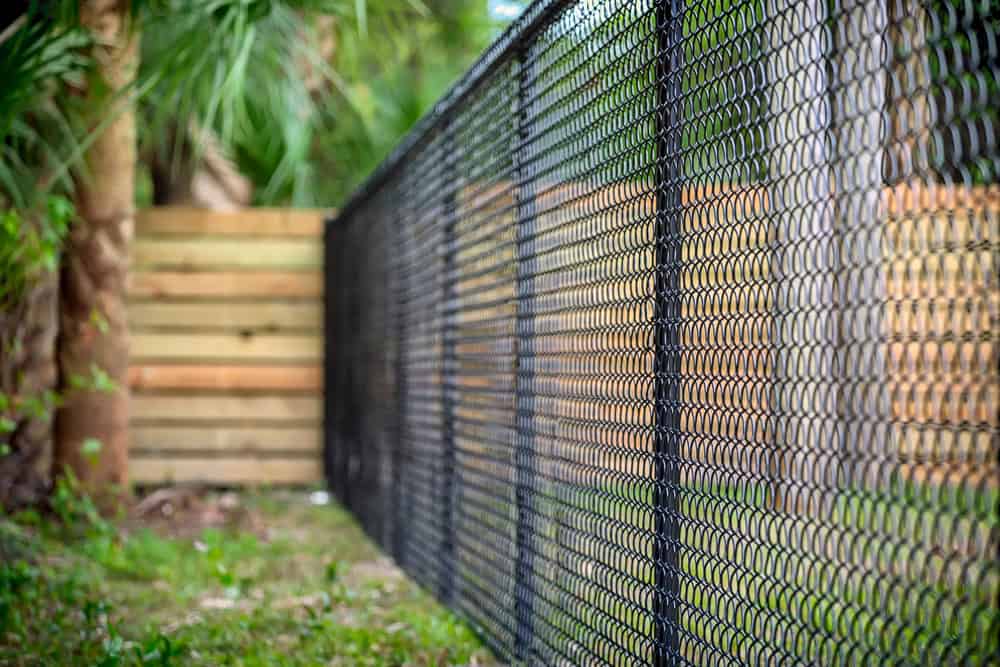
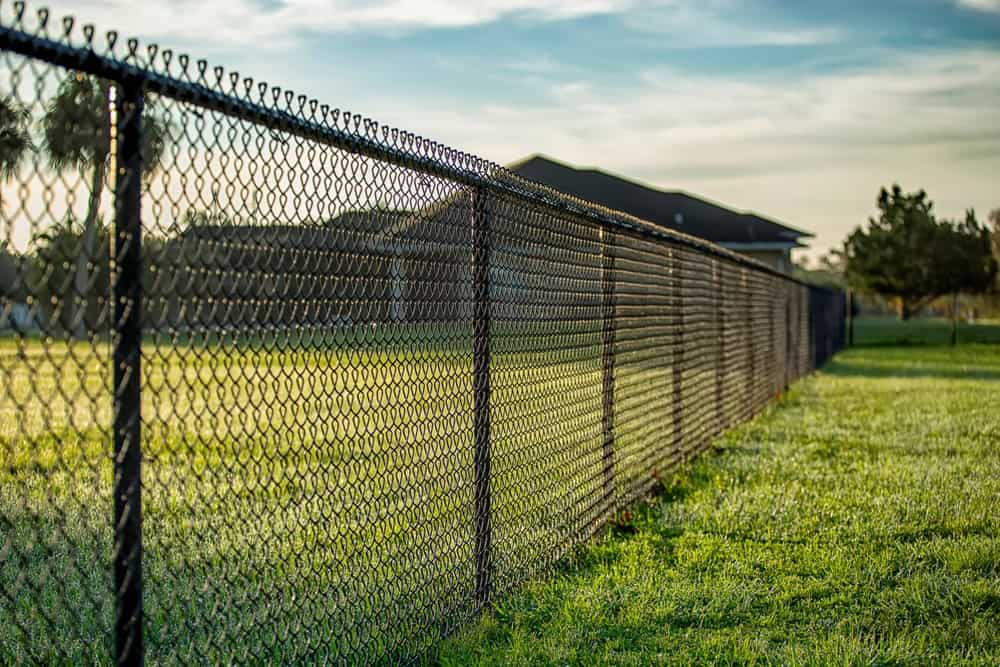
You get a fence that doesn’t need replacing in five years. The open weave design lets hurricane-force winds pass through instead of turning your fence into a sail, which is why chain link outlasts solid fencing in Florida’s storm season.
Your property becomes harder to access without looking like a fortress. The visible barrier makes would-be intruders think twice while still letting sunlight reach your landscaping. You’re not creating dark corners or hiding spots that compromise safety.
If you’ve got pets or kids who treat your yard like an escape room, you get containment that actually works. Properly installed chain link with the right height and bottom tension keeps even determined dogs from digging under or jumping over. And with Astor backing onto conservation areas and wooded spaces, that barrier also keeps stray animals and wildlife on their side of the property line.
The maintenance part is simple. Galvanized steel resists rust in Florida’s humidity. Vinyl-coated options add color and extra corrosion protection. Either way, you’re looking at 15 to 25 years of service with minimal upkeep beyond occasionally hosing it down.
We’ve spent over 20 years installing fences across Central Florida, including right here in Astor. We’re licensed, bonded, and insured, which matters more than you might think when you’re comparing quotes.
Unlicensed installers can undercut on price because they’re cutting corners on materials, insurance, and proper installation techniques. That saves you money until the fence fails early or causes property damage. We use professional-grade materials that meet ASTM standards and install them correctly the first time.
Astor’s mix of retirees, families, and rural properties means we see everything from basic perimeter fencing to custom pool enclosures and pet containment systems. The median home value here is around $118,600, so most homeowners want quality work that adds value without overpaying for unnecessary upgrades. That’s the balance we strike on every job.
First, we assess your property and discuss what you need the fence to do. Security, pet containment, pool code compliance, and privacy all require slightly different approaches. We measure the perimeter, identify any grade changes or obstacles, and give you a transparent quote with no hidden costs.
Once you approve, we schedule the installation to minimize disruption. Most residential chain link projects in Astor take one to three days depending on size and terrain. We start by setting corner and gate posts in concrete, making sure they’re plumb and properly spaced. Those posts carry the load, so we don’t rush this step.
After the concrete cures, we install line posts and stretch the mesh fabric. Proper tension matters here because loose fabric sags and tight fabric can warp posts. We tension it correctly using commercial stretching equipment, then secure it with tension wire and tie wires at proper intervals.
Gates get installed last with hinges and latches that actually work long-term. Cheap gate hardware fails within a year. We use heavy-duty components that hold up to daily use, Florida weather, and the occasional enthusiastic dog.
You do a final walkthrough with us. We make sure gates swing smoothly, the fence is at the right height, and you’re satisfied before we consider the job complete.
Ready to get started?
You can choose galvanized steel for straightforward durability and the lowest cost, typically running $8 to $15 per linear foot installed for residential applications in Astor. The hot-dip galvanization creates a zinc coating that protects against rust for decades in Florida’s humid climate.
Vinyl-coated chain link adds color options like black, green, or brown while providing an extra layer of corrosion protection. It costs slightly more at $10 to $20 per linear foot installed, but it blends better with landscaping and hides better against wooded backgrounds common in Astor properties.
Height matters for function. Four-foot fencing works for basic property boundaries. Six-foot heights are standard for security and large dog containment. Pool enclosures have specific code requirements we navigate for you, usually requiring self-closing, self-latching gates and specific height minimums.
Privacy slats can be woven through the mesh if you want to block sightlines without switching to a solid fence. They come in various colors and materials, turning chain link into a privacy solution while maintaining the structural benefits of the open weave design.
All installations include proper gate hardware, tension wire top and bottom, and posts set in concrete to Florida standards. We don’t skimp on the parts you can’t see because those determine how long your fence actually lasts.
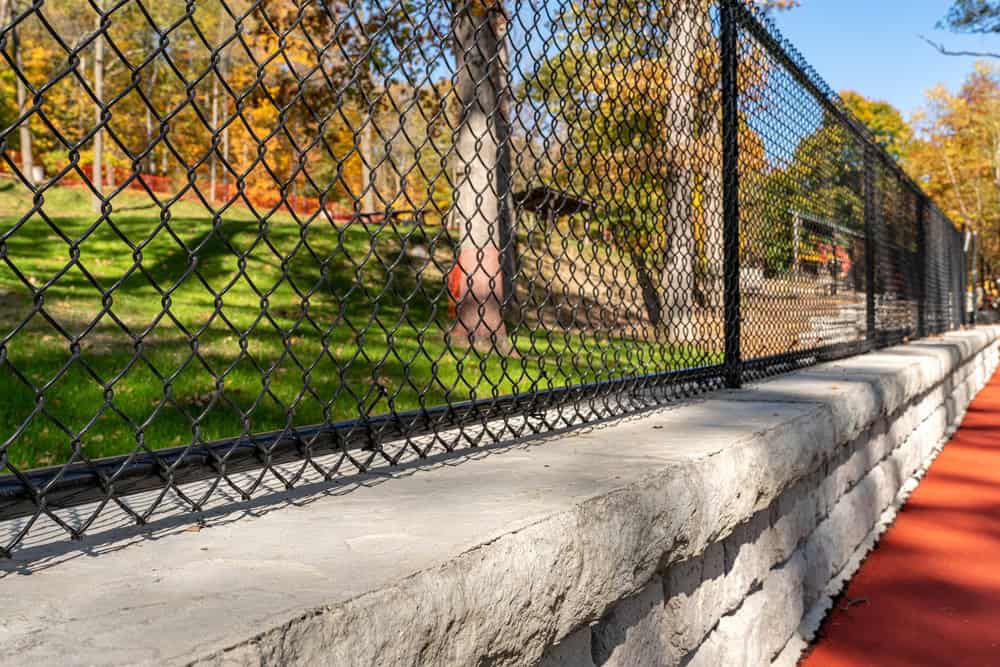
Most residential chain link installations in Astor take one to three days from start to finish. A standard 150-foot perimeter fence usually wraps up in a day and a half, while larger properties or complex layouts with multiple gates and terrain changes might stretch to three days.
The timeline depends on a few factors. Post holes in sandy Florida soil dig faster than if we hit limestone or need to work around tree roots. Weather delays happen during heavy rain since we can’t pour concrete in downpours. And if you’re adding features like privacy slats or custom gates, that adds time to the installation.
We schedule the work to minimize disruption to your routine. Most of the noise and activity happens during post installation and concrete work. Once that’s done, the rest of the process is relatively quiet. You can usually expect your property back to normal within a week, including concrete cure time.
Professional chain link fence installation in Astor typically runs $8 to $20 per linear foot depending on height, coating, and site conditions. A standard 150-foot residential fence averages $1,200 to $3,000 installed with gates included.
Four-foot galvanized chain link sits at the lower end of that range. Six-foot vinyl-coated fencing with privacy slats pushes toward the higher end. If your property has significant grade changes, requires tree removal, or needs multiple access gates, expect additional costs for that extra labor and materials.
The price difference between licensed contractors and unlicensed installers often comes down to material quality and proper installation techniques. We use commercial-grade posts, fabric that meets ASTM standards, and concrete footings sized for Florida soil and wind loads. Cheaper installations often use residential-grade materials or shallow post settings that fail early, especially during storm season. You’re not just paying for the fence itself but for installation that actually lasts the projected 15 to 25 years.
Chain link is one of the best fencing options for hurricane-prone areas like Astor because of how it handles wind. The open weave lets wind pass through instead of creating resistance, so you don’t get the sail effect that rips solid fences out of the ground during storms.
The flexibility of the mesh also matters. During high winds, chain link fabric can flex and bend, then return to its original shape once the wind dies down. Solid fencing either stands rigid and takes the full force or breaks. We’ve seen properly installed chain link fences survive direct hurricane hits while wooden privacy fences in the same neighborhood ended up in pieces.
Proper installation makes the difference. Posts need to be set deep enough in concrete with the right diameter for the fence height. The fabric needs correct tensioning so it doesn’t whip around in wind. And gate latches need to be secured so gates don’t become projectiles. When installed to Florida building standards, chain link holds up better than almost any other fencing type in severe weather.
Yes, but height and installation details matter. Most dogs need at least a four-foot fence, while larger or athletic breeds often require six feet to prevent jumping. The bottom of the fence also needs proper tensioning or a dig guard if you’ve got dogs that try to tunnel under.
We see a lot of pet containment needs in Astor because properties back onto conservation areas and wooded spaces. Stray dogs and wildlife like bears occasionally wander through, so homeowners want to keep their pets in and unwanted animals out. Chain link works well for this because it’s visible, which means your dog can see the boundary, and you can see your dog from inside the house.
For determined escape artists, we can add extensions at the top angled inward or bury the bottom six inches underground with an L-footer to stop digging. Gates need self-closing hardware if you’ve got the kind of dog that’s learned to push gates open. The goal is containment that actually works without turning your yard into a prison yard, and properly specified chain link handles that balance well.
Galvanized chain link costs less and lasts just as long structurally. The zinc coating protects the steel from rust and corrosion in Florida’s humidity. It has that classic silver chain link look, which some people prefer for its clean, industrial appearance.
Vinyl-coated chain link adds a colored polymer layer over the galvanized steel. Black, green, and brown are the most common colors in Astor because they blend with natural landscaping and wooded backgrounds. The vinyl coating provides an extra barrier against corrosion and can make the fence less visually prominent, which matters if you’ve got HOA guidelines or just prefer a fence that doesn’t dominate your yard’s appearance.
The cost difference is usually $2 to $5 more per linear foot for vinyl coating. Both options will give you 15 to 25 years of service with minimal maintenance. The decision mostly comes down to aesthetics and budget. If you want the fence to disappear into the background, vinyl-coated in a dark color works better. If you want maximum value and don’t mind the metallic look, galvanized is the practical choice.
Most residential chain link fence installations in Astor require a permit from Lake County. Permits ensure the fence meets setback requirements, height restrictions, and building codes, which protects you from having to remove or modify the fence later if a neighbor complains or you sell the property.
Setback requirements typically keep fences a certain distance from property lines, roads, and easements. Height restrictions vary by zoning, with residential areas usually allowing up to six feet in backyards and four feet in front yards. Pool fences have specific code requirements for height, gate hardware, and spacing to prevent child access.
We handle the permit process as part of our service. We know Lake County’s requirements, submit the proper documentation, and schedule inspections. Trying to skip permits might save a small fee upfront, but it creates problems when you sell the property or if code enforcement gets involved. Licensed contractors pull permits because we’re accountable for meeting code, which protects both of us.
Other Services we provide in Astor