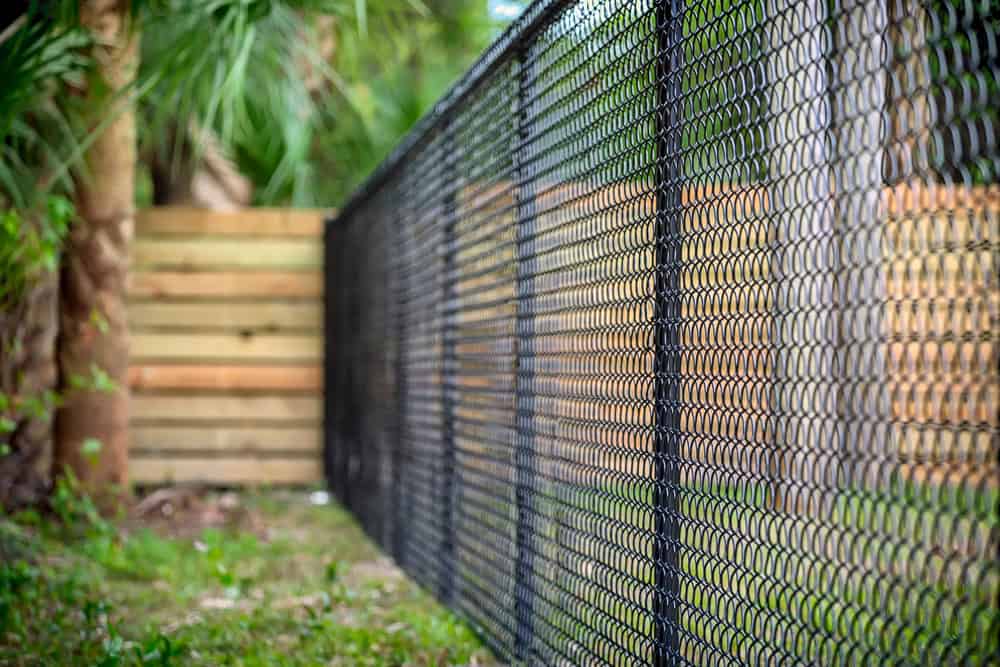
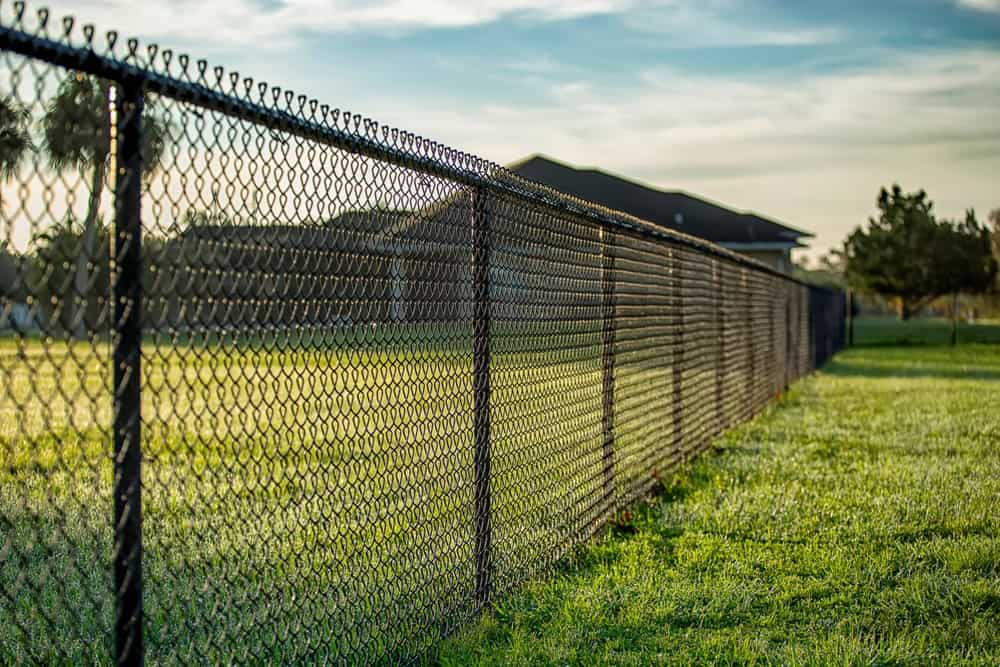
You get a property line that’s clear, enforceable, and visible. No more neighbor disputes about where your yard ends. No more dogs running into the street or kids wandering too close to the road.
Chain link gives you security without blocking your view. You can see who’s approaching. Your landscaping still gets sunlight. And if you want privacy, slats slide right into the mesh without tearing down the whole fence.
In Florida Center North, where crime sits in the 8th percentile for safety, a visible barrier matters. It tells people your property isn’t an easy target. The galvanized steel holds up against humidity, salt air, and storms that would warp wood or crack vinyl. You’re not repainting it every few years or replacing boards after a hurricane.
Most installs finish in one to three days. You’re not living in a construction zone for weeks. The fence goes up fast, costs less than most alternatives, and requires almost zero maintenance. Hose it down once in a while. That’s it.
We’ve been serving Florida Center North and the surrounding Central Florida counties for years. We know what holds up here and what doesn’t. We’ve installed chain link fences through hurricane seasons, summer storms, and everything in between.
We’re not new to this area or this climate. Our crews work across Lake, Orange, Seminole, Brevard, Volusia, Osceola, Polk, Sumter, and Marion counties. We’ve seen how Florida weather tests fencing materials, and we only install what actually lasts.
You’ll get transparent pricing with no surprise fees. We show up when we say we will. And we use materials that won’t rust out or fall apart two years after install. That’s how we’ve built a reputation in communities like Florida Center North where people talk.
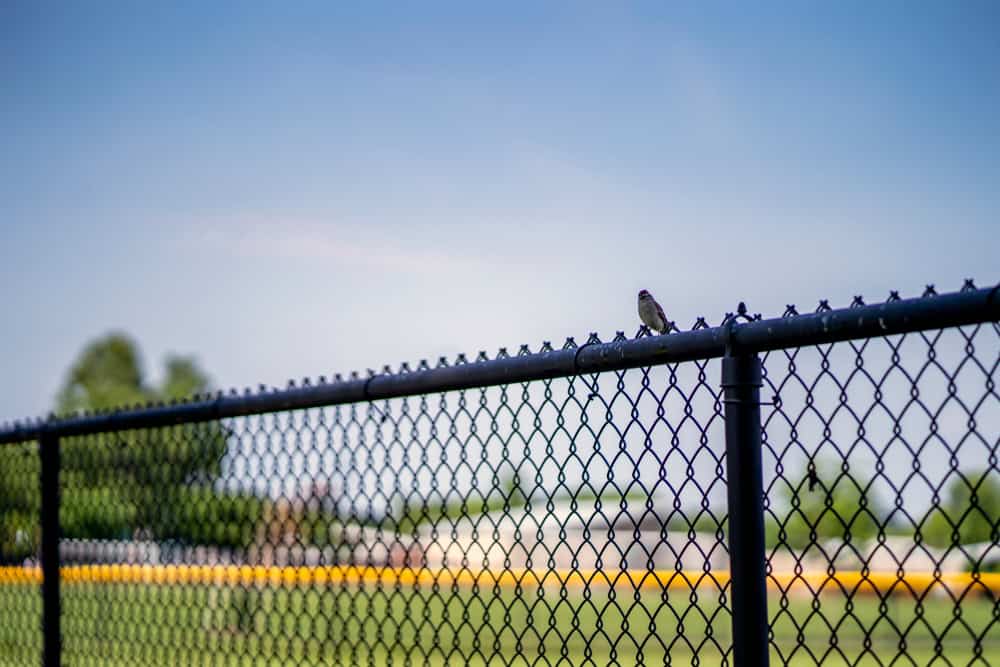
First, we come out to measure your property and walk the fence line with you. You tell us what you need—height, gates, privacy slats, specific entry points. We check for underground utilities and any grade issues that affect post placement.
Next, we give you a clear quote. No vague estimates or “we’ll see” pricing. You know exactly what you’re paying before we start.
Once you approve, we schedule the install. Our crew marks post locations, digs the holes, and sets posts in concrete. We let that cure, then stretch the chain link fabric between posts and secure it with tension bars and ties. Gates get hung and adjusted so they swing smoothly and latch tight.
The whole process usually takes one to three days depending on your property size. We clean up the site when we’re done. No leftover concrete chunks or torn-up sod sitting in your yard.
You walk the fence line with us at the end. If something’s not right, we fix it before we leave. That’s the install.
Ready to get started?
You’re getting galvanized steel chain link fabric that resists rust in Florida’s humid, salty air. Posts are set in concrete, not just driven into the ground where they’ll lean after the first storm. We use steel posts and rails—not flimsy aluminum that bends.
If you want vinyl-coated chain link, we offer that in black, green, or brown. It costs a bit more but blends better with landscaping and adds another layer of rust protection. Privacy slats are available if you want to block sightlines without building a solid fence.
Gates come with your install. We’ll put them wherever you need access—side yards, back corners, wide openings for equipment. Latches are heavy-duty and lockable. If you need barbed wire or additional height for security, we can add that too.
In Florida Center North, where the median household income is around $51,000, cost matters. Chain link runs $10 to $40 per linear foot installed, significantly less than wood or vinyl. You’re getting security and durability without maxing out your budget. And because 68% of residents here rent, property owners appreciate a fence that adds value without requiring constant upkeep.
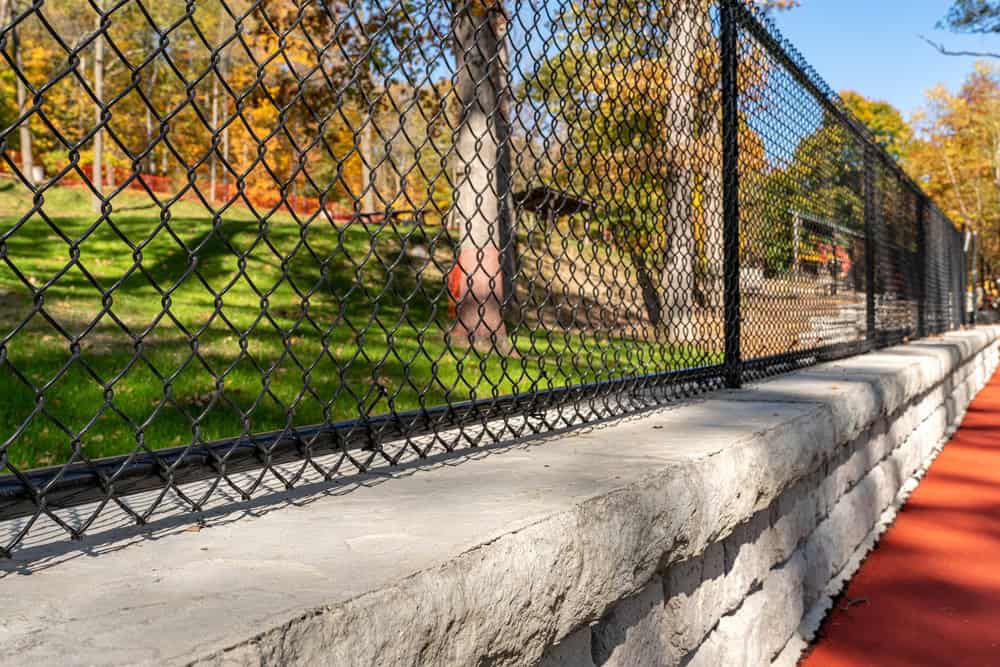
A properly installed galvanized chain link fence lasts 20 to 25 years in Florida, sometimes longer. The galvanization process coats the steel with zinc, which protects against rust even in high humidity and salt air. Vinyl-coated chain link adds another protective layer and can extend the lifespan even further.
Florida’s weather is tough on fencing. Constant moisture, UV exposure, and occasional hurricanes test every material. Chain link holds up because the open weave lets wind pass through instead of catching it like a sail. That’s critical during storm season when solid fences get ripped out of the ground.
The key is proper installation. Posts need to be set deep in concrete, and the fabric needs correct tension. If it’s installed right the first time, you won’t be calling for repairs every few years. You might need to replace a section if a tree falls on it or a vehicle hits it, but the rest of the fence keeps standing.
Yes. Privacy slats slide vertically into the chain link mesh and block most of the view through the fence. They come in different colors and materials—vinyl, aluminum, or even wood-look composites. Installation is straightforward and doesn’t require tearing down the existing fence.
Slats aren’t a perfect privacy solution like a solid wood fence, but they block about 80-90% of sightlines. You’ll still get some airflow, which matters in Florida’s heat. And they don’t add much wind resistance, so your fence isn’t more likely to fail during a storm.
Another option is planting shrubs or vines along the fence line. Chain link makes a great trellis for climbing plants. You get privacy, shade, and a softer look. Just keep in mind that plants need maintenance—trimming, watering, pest control. Slats require zero upkeep once they’re in.
Most residential chain link fence installations in Florida Center North run between $10 and $40 per linear foot, depending on height, coating, and site conditions. A standard four-foot galvanized fence costs less than a six-foot vinyl-coated fence with privacy slats and custom gates.
For a typical residential property—say, 150 linear feet enclosing a backyard—you’re looking at $1,500 to $6,000 total. That includes materials, labor, gates, and post installation. If your property has steep grades, rocky soil, or requires extensive clearing, costs go up. If it’s flat and accessible, costs stay on the lower end.
We give you a firm quote after measuring your property and understanding what you need. No “starting at” pricing that doubles once we show up. You’ll know the final number before we start digging. And compared to wood privacy fences that can run $50+ per foot installed, chain link is one of the most budget-friendly options that still delivers real security.
Yes, especially in an area where crime rates are higher than most of Florida. Florida Center North sits in the 8th percentile for safety, with property crimes happening regularly. A visible fence creates a physical and psychological barrier that makes your property less appealing to opportunistic criminals.
Chain link doesn’t hide what’s on your property, which is actually an advantage. You can see out, and anyone approaching can see that your yard is enclosed and monitored. It’s not an invitation to hop the fence and poke around. Adding a locking gate and motion-sensor lighting makes it even more effective.
For families with kids and pets, the security benefit is immediate. Your children can play outside without wandering into the street. Your dog stays in the yard instead of chasing cars or getting into neighbors’ trash. And with 22% of dog owners lacking fenced yards, you’re ahead of most pet owners in terms of safety. If you want maximum security, we can add barbed wire or increase the height to six or eight feet.
Chain link is one of the best fencing options for hurricane-prone areas because of its open-weave design. Wind passes through the mesh instead of pushing against a solid surface. That reduces the force on posts and prevents the fence from acting like a sail that gets ripped out of the ground.
Solid wood and vinyl fences catch wind and often fail during major storms. You’ll see them lying flat in yards after a hurricane rolls through. Chain link bends under extreme pressure but usually stays upright. Even if a section gets damaged by flying debris, repairs are straightforward and inexpensive.
The key is proper installation. Posts need to be set at least two feet deep in concrete, and the fabric needs correct tension. If it’s installed to Florida building codes, your chain link fence will handle most storms without major damage. That’s why so many commercial properties, schools, and industrial sites in Florida use chain link—it’s built to survive the weather we actually get here.
Most residential fence installations in Florida require a permit, and Florida Center North is no exception. Permit requirements vary by fence height, location, and proximity to property lines. Fences over six feet typically need permits, and some HOAs have additional restrictions on fence types and colors.
We handle permit applications as part of the installation process. We know what the local building department requires and how to get approvals without delays. You don’t need to figure out the paperwork or stand in line at the county office.
Skipping permits might seem like a shortcut, but it causes problems later. If you sell your property, unpermitted work shows up in inspections. You could be forced to remove the fence or pay fines. And if your fence damages a neighbor’s property or violates setback rules, you’re liable. Getting the permit upfront protects you legally and ensures the fence meets Florida building codes for wind resistance and safety.
Other Services we provide in Florida Center North