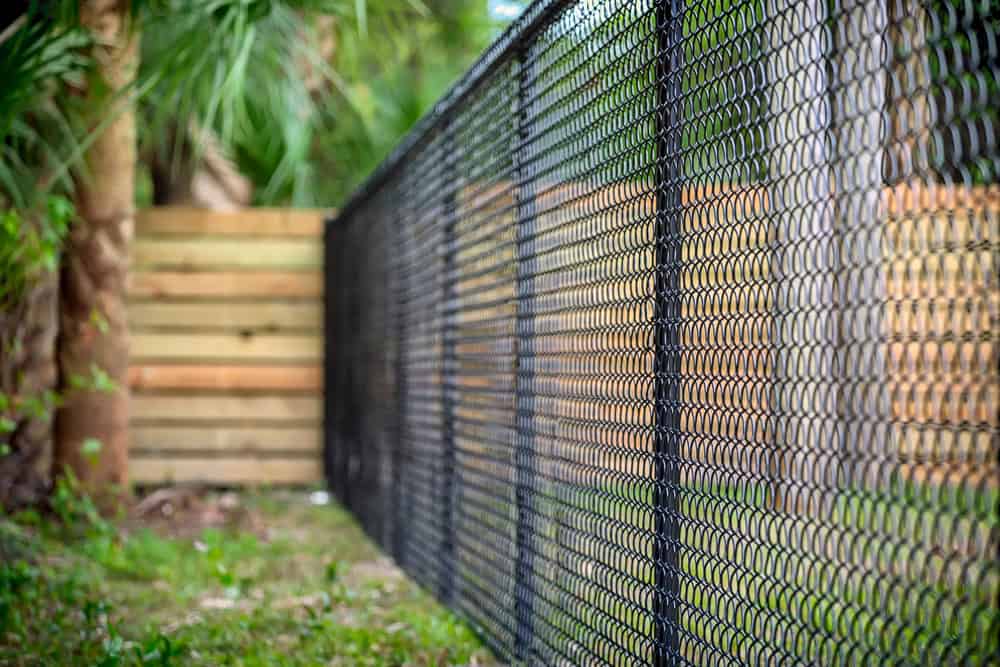
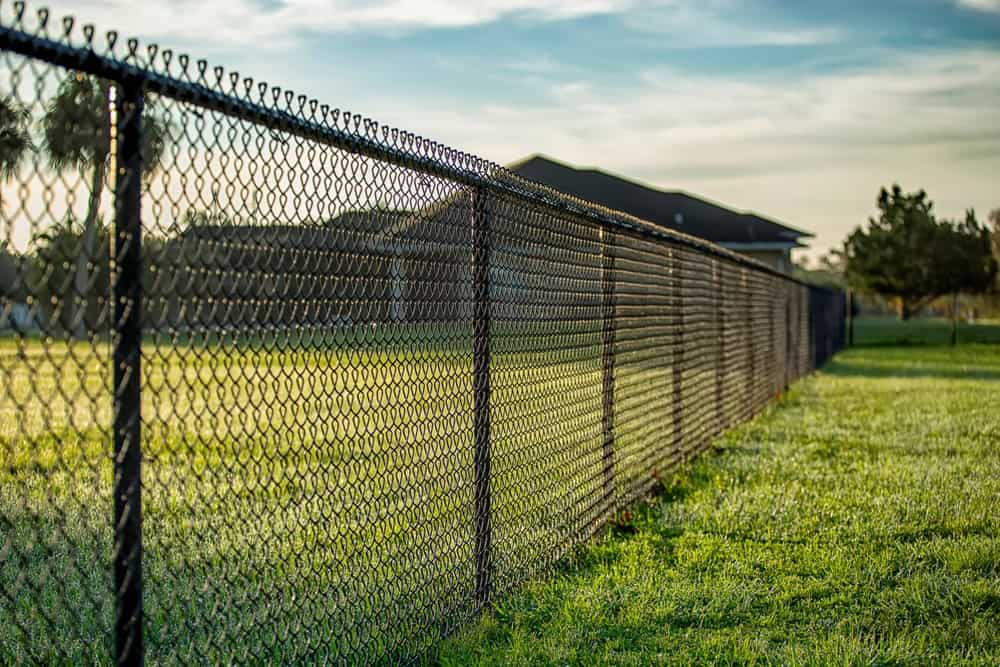
Your property stays protected year-round. Kids and pets play safely in the yard while you maintain clear sightlines across your entire property.
Chain link fencing costs less upfront and even less over time. You’re not repainting every few years or replacing rotted boards. Galvanized steel resists rust in Florida’s humidity, and vinyl-coated options add color without the upkeep of wood or the expense of ornamental metal.
When hurricane season hits, your fence flexes with the wind instead of snapping. The open-weave design lets wind pass through rather than creating a solid wall that catches every gust. That’s why chain link consistently outperforms solid fencing during severe weather in Central Florida.
We’ve installed fencing across Central Florida since 1992. We expanded to the Minneola area in 2004 because Lake County homeowners needed a fence contractor who shows up on time and installs it right the first time.
We’re licensed, bonded, and insured across nine counties. That means you’re covered if anything goes wrong, and the installation meets every local code requirement in Minneola, FL.
Your neighbors have trusted us with over 229 installations. We use the same materials and installation standards whether you’re fencing a backyard in a newer Minneola subdivision or securing a commercial property near Highway 27.
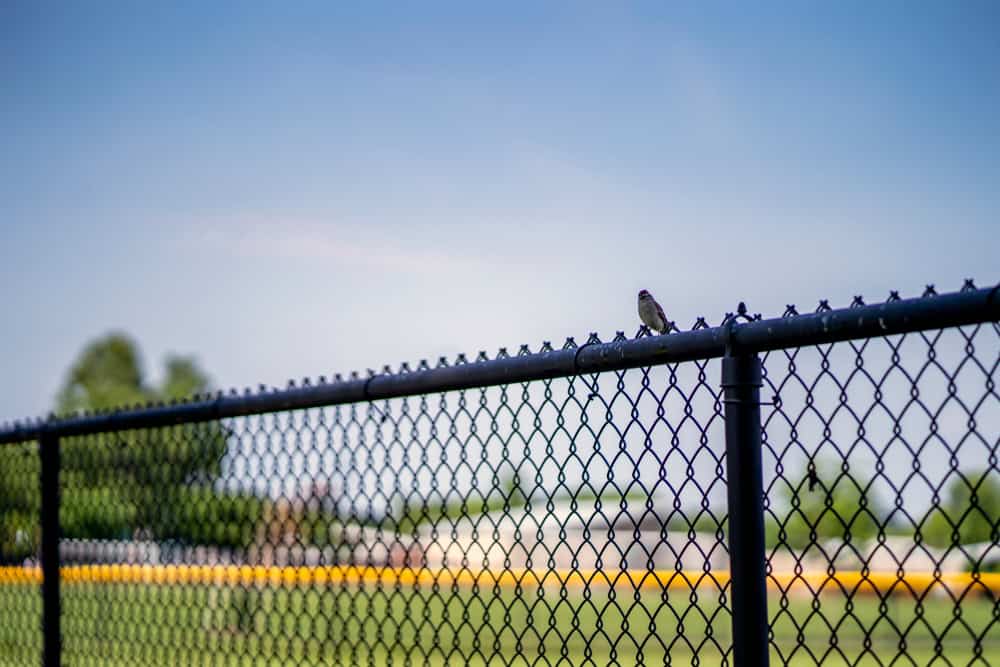
We start with your property. You tell us what you need fenced and why—pets, privacy, security, or pool code compliance. We measure the area, check for underground utilities, and identify any grade changes or obstacles that affect installation.
Next comes material selection. You choose fence height, wire gauge, and finish. Galvanized steel works for most residential applications. Vinyl-coated chain link adds color and extra corrosion resistance. We explain the difference in cost and durability so you can decide what fits your budget and property needs.
Installation typically takes one to three days depending on linear footage and terrain. We set posts in concrete, stretch fabric tight between terminal posts, and install gates where you need access. The fence line stays straight, posts stay plumb, and gates swing smoothly.
You walk the property with us before we leave. We show you how to operate gates, explain basic maintenance, and answer any questions about your new chain link fence installation in Minneola, FL.
Ready to get started?
Your chain link fence installation includes galvanized steel posts set in concrete every eight to ten feet. Terminal posts at corners and gates use larger diameter pipe to handle tension and stress. We don’t cut corners with undersized materials or shallow post holes.
Fabric comes in heights from three to six feet depending on your needs. Residential installations in Minneola typically use nine-gauge wire for durability without excessive cost. Commercial projects get heavier eleven-gauge fabric that handles higher traffic and security demands.
Gates match your fence height and include self-closing hinges and locking latches. We install gates where you actually need them—not where they’re easiest for us to install. If your property slopes, we rack the fence to follow the grade or step it in sections to maintain consistent height.
Minneola’s sandy soil drains well but doesn’t always provide the best post stability. We adjust concrete depth based on soil conditions at your specific property. That’s why your fence stays straight and tight for fifteen to twenty years instead of sagging after the first heavy rain.
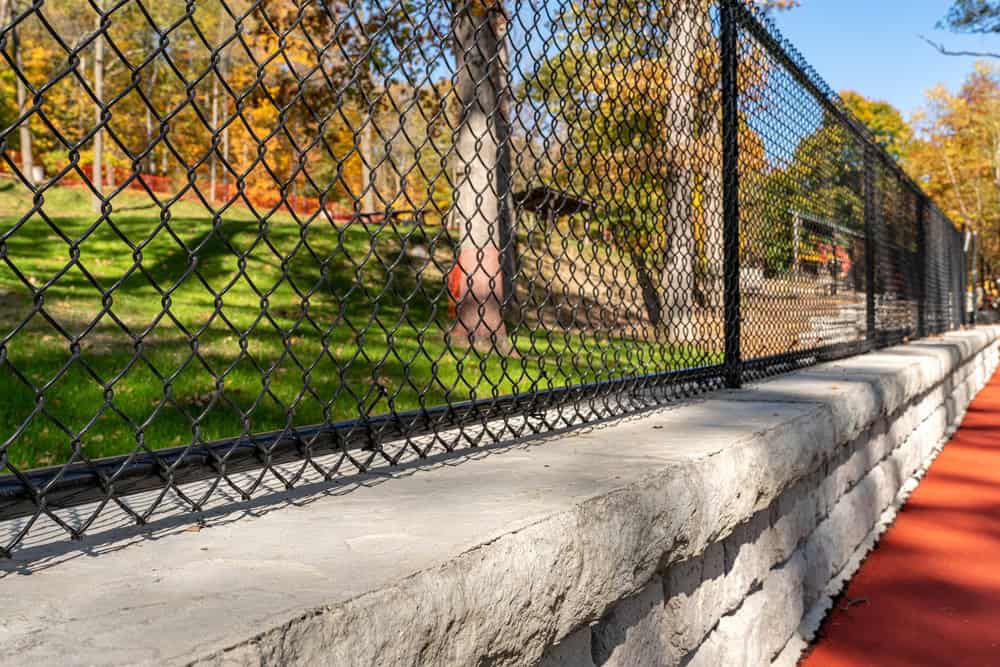
Most residential chain link installations in Minneola run between $10 and $20 per linear foot installed. A typical backyard fence of 150 linear feet costs $1,500 to $3,000 depending on height, gates, and site conditions.
Height affects cost more than most homeowners expect. A four-foot fence uses less material and smaller posts than a six-foot fence. Each additional foot of height adds roughly $2 to $4 per linear foot to your total cost.
Gates add $150 to $400 each depending on width and hardware. A standard three-foot walk gate costs less than a ten-foot double-drive gate. If you need multiple access points, that changes your budget more than upgrading from galvanized to vinyl-coated fabric.
Site preparation can increase costs if we’re removing old fencing, clearing vegetation, or working around significant grade changes. We give you an exact price after seeing your property—not a range that changes when we show up to install.
Galvanized chain link fencing lasts fifteen to twenty years in Minneola’s humid climate. Vinyl-coated options often exceed twenty-five years because the coating adds another layer of protection against moisture and salt air.
The galvanization process coats steel wire with zinc, which prevents rust even when exposed to rain and humidity. As long as the zinc coating remains intact, the steel underneath stays protected. Small scratches or cuts in the coating don’t spread like rust on bare steel.
Posts typically outlast the fabric if they’re properly installed. We set posts below the frost line in concrete, which prevents shifting and keeps tension consistent across the fence line. Terminal posts see the most stress and occasionally need replacement after twenty years, but line posts often last thirty years or more.
Your fence needs almost no maintenance to hit these numbers. Rinse it occasionally if you’re near the coast or a dirt road. Check gate hardware every few years. That’s it. You’re not staining, painting, or replacing boards like you would with wood fencing.
Chain link fencing performs better than most fence types during hurricanes and tropical storms. The open-weave design allows wind to pass through instead of catching it like a sail. Solid fencing creates resistance that pulls posts out of the ground or snaps boards.
The fabric itself flexes under wind load and returns to shape after the storm passes. You might see some temporary distortion during peak winds, but the fence doesn’t break. That flexibility is exactly why commercial and industrial properties along Florida’s coast use chain link for perimeter security.
Posts matter more than fabric during severe weather. We set terminal posts in deeper concrete footings because they anchor the entire fence line. If a post fails, the whole section loses tension. Proper installation means your fence stays standing when your neighbor’s wood privacy fence ends up in pieces across the yard.
You still need to secure loose items in your yard before a storm. Patio furniture, grills, and toys become projectiles that can damage any fence. Chain link survives the wind, but it won’t stop a flying trampoline from tearing through the fabric.
Most residential fence installations in Minneola, FL require a building permit from Lake County. The permit ensures your fence meets setback requirements, height restrictions, and safety codes. Skipping the permit can result in fines and forced removal of the fence.
Setback requirements typically keep fences a certain distance from property lines, sidewalks, and roads. Corner lots have additional restrictions to maintain visibility for drivers. We handle the permit application and know exactly where your fence can legally go.
HOA communities add another layer of approval. Your homeowner’s association may restrict fence height, color, or style regardless of what county code allows. We recommend checking your HOA guidelines before you schedule installation. We’ve seen associations require specific vinyl coating colors or prohibit chain link entirely in favor of ornamental fencing.
The permit process usually takes one to two weeks in Lake County. We submit drawings showing fence location, height, and materials. The county reviews for code compliance and either approves or requests changes. We don’t start installation until you have permit approval in hand.
Privacy slats insert vertically through chain link fabric to block sightlines and reduce wind flow. They’re available in vinyl or aluminum, with colors ranging from basic black and green to custom shades that match your property.
Slats block roughly 80 to 90 percent of visibility depending on how tightly you space them. You can install slats across the entire fence or just in sections where you want privacy from neighbors or street traffic. Some Minneola homeowners use slats only along the back fence line and leave side yards open.
Installation adds $3 to $8 per linear foot depending on material quality and coverage. Vinyl slats cost less but fade over time in direct sunlight. Aluminum slats maintain color longer and handle Florida’s UV exposure better, but they cost more upfront.
Slats do reduce the wind-flow advantage of chain link fencing. A fully slatted fence catches more wind than bare fabric, which increases stress on posts during storms. If hurricane resistance is your priority, consider partial slat coverage or a different privacy solution. If you want full privacy, a vinyl privacy fence might serve you better than chain link with slats.
Commercial chain link uses heavier gauge wire and taller heights than residential installations. A typical residential fence uses nine-gauge fabric at four to six feet tall. Commercial properties often spec eleven-gauge fabric at six to eight feet with barbed wire or privacy screening.
Wire gauge works backward—lower numbers mean thicker, stronger wire. Eleven-gauge wire costs more than nine-gauge but resists cutting and damage better. Schools, storage facilities, and industrial properties in Minneola choose heavier gauge for security and longevity under high-traffic conditions.
Post spacing and diameter also increase for commercial applications. Residential fences use smaller line posts every eight to ten feet. Commercial installations often require larger posts every six feet to handle taller fabric and additional tension. Gates get commercial-grade frames, hinges, and locks rated for thousands of cycles.
You pay more for commercial-grade chain link fence installation, but you get a fence that handles abuse. If you’re securing equipment, inventory, or high-value property, the upgrade makes sense. For backyard pet containment or basic property definition in Minneola, residential-grade materials do the job at a better price point.
Other Services we provide in Minneola