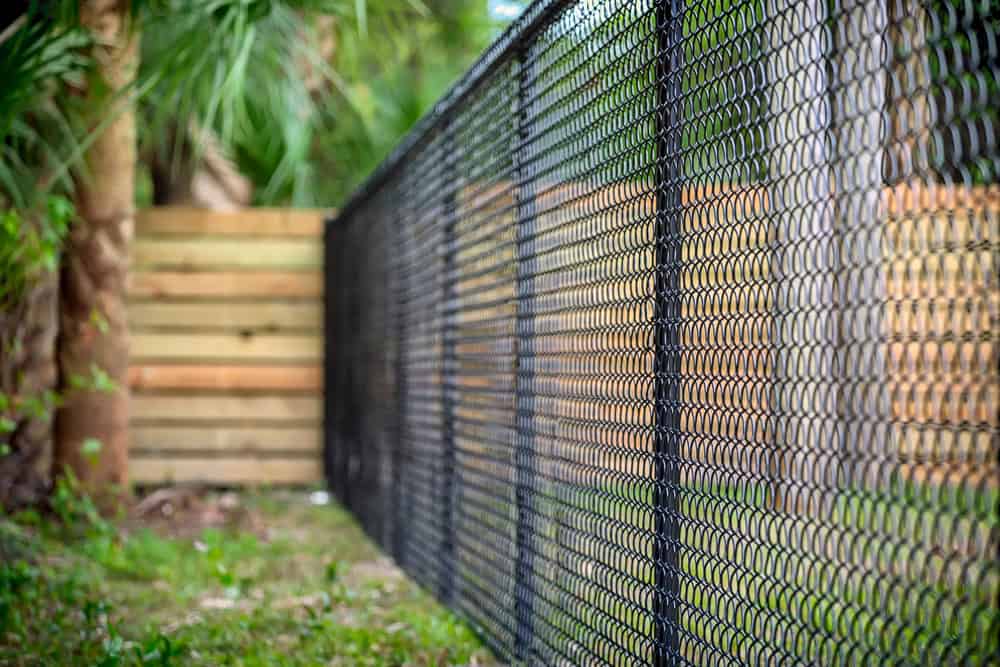
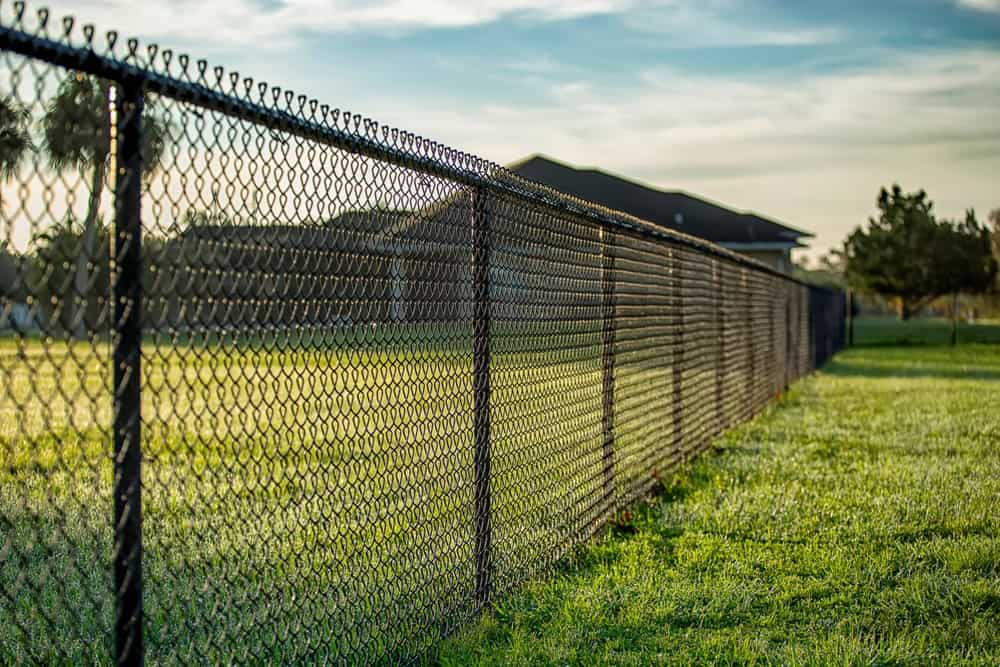
You’re not just getting a fence. You’re getting a barrier that keeps your dogs in the yard, your pool area secure, and your property lines clear without blocking your view or draining your budget every few years.
Chain link installation done right means posts set deep enough that they won’t lean after the first heavy rain. It means galvanized or vinyl-coated materials that handle Florida’s humidity and salt air without turning into a rust problem. Most installations wrap up in one to three days, depending on your property size and layout.
The fence you end up with should last 20 years or more if it’s installed correctly from the start. That’s what happens when the posts go deep, the tension is right, and the materials match the environment. You shouldn’t have to think about your fence again until your kids are grown.
We’ve been working in communities like Southchase since 2004. We know what happens to poorly installed fences in this climate because we’ve replaced plenty of them.
Southchase homeowners care about value and longevity. The median home here is worth over $340,000, and most residents own their property. You’re not looking for the cheapest option that falls apart in five years. You want something that works and stays working.
We’re licensed, bonded, and insured across Orange County and the surrounding areas. Our pricing is transparent, our timelines are realistic, and our installations are built to handle what Florida throws at them.
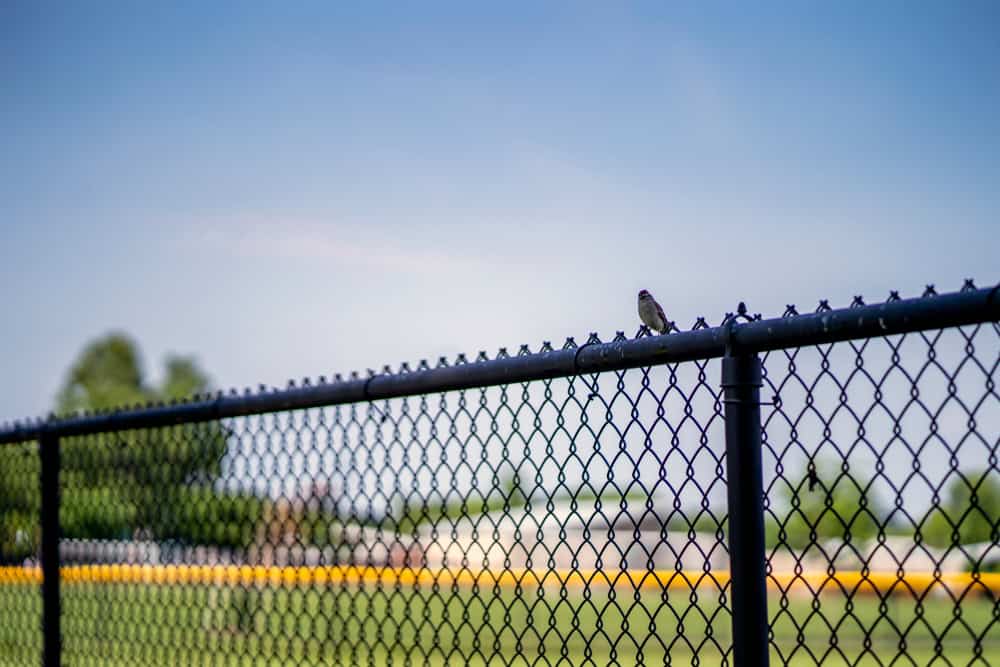
First, we come out to your property and measure the area you want fenced. We talk through your needs: height, finish, gates, and any obstacles like trees or slopes. You’ll get a clear quote with no hidden costs before any work starts.
Once you’re ready to move forward, we handle the permits if your project requires them. Then we schedule your installation based on your timeline and ours. Most residential chain link jobs take one to three days depending on the size and complexity.
Installation starts with marking your fence line and setting posts in concrete. Posts need to go deep, usually two feet or more, so your fence doesn’t sag or lean over time. After the posts cure, we stretch and attach the chain link fabric, install tension bars, and hang your gates. You get a final walkthrough to make sure everything meets your expectations before we consider the job done.
Ready to get started?
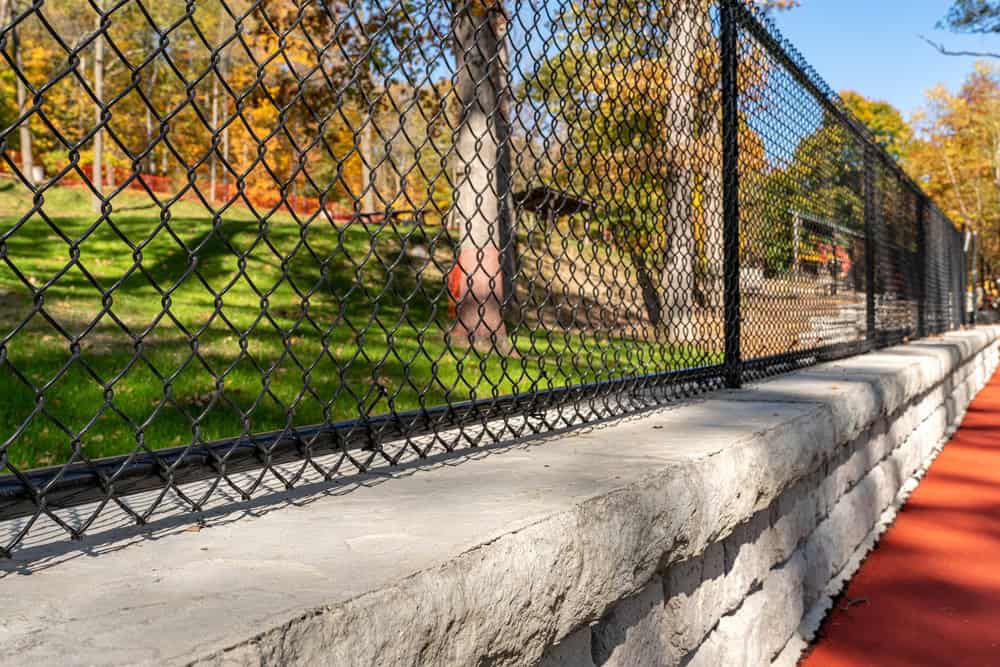
You can choose between galvanized chain link or vinyl-coated finishes in black, green, or brown. Galvanized is the most affordable and works well for most residential applications. Vinyl-coated adds color and extra corrosion resistance, which matters if you’re near any of the lakes or retention ponds common in Southchase.
Height options typically range from four to six feet for residential properties. If you’re enclosing a pool, Florida building codes will dictate specific height and gate requirements, and we’ll make sure your installation meets them. For pet owners, we can add dig guards or bottom tension wire to keep dogs from getting under the fence.
Chain link works for backyards, side yards, pool enclosures, garden protection, and property line marking. It’s one of the most versatile fencing materials because it provides security and visibility at the same time. You can see your kids playing in the yard, your dog can see out, and you’re not creating a wind barrier that puts stress on the structure during storms. In a master-planned community like Southchase, that balance between function and aesthetics matters.
Most residential chain link installations in Southchase run between $10 and $20 per linear foot. The final price depends on the height you choose, whether you go with galvanized or vinyl-coated material, how many gates you need, and what your property layout looks like.
A standard backyard enclosure for a quarter-acre lot typically ranges from $2,000 to $4,500 installed. If your property has slopes, requires significant clearing, or needs multiple access gates, that affects the total. Pool enclosures sometimes cost more because of code requirements for self-closing gates and specific height minimums.
We give you an exact quote after seeing your property. No ballpark estimates that change later. You’ll know what you’re paying before we start digging.
Galvanized chain link is coated with zinc to resist rust, and it holds up well in Florida’s humidity for many years. Eventually, the coating can wear down in high-moisture areas or near saltwater, but you’re typically looking at 15 to 20 years before rust becomes a real issue.
Vinyl-coated chain link adds an extra layer of protection. The vinyl coating covers the galvanized wire underneath, which means you get double the rust resistance. This option costs a bit more upfront but makes sense if your property is near water or if you want the fence to last as long as possible without maintenance.
The bigger rust risk comes from poor installation. If posts aren’t set properly or if the wrong materials are used, you’ll see problems much sooner. That’s why the quality of the installation matters as much as the material itself.
Most residential chain link installations in Southchase take one to three days. A simple backyard with flat ground and no obstacles usually wraps up in a day or two. Larger properties, sloped terrain, or projects that require multiple gates and corners take closer to three days.
Weather can affect the timeline. If we’re setting posts in concrete and heavy rain is forecast, we might need to adjust the schedule so the concrete cures properly. We’d rather delay a day than rush through and end up with posts that shift later.
You’ll know the expected timeline before we start. We don’t drag jobs out, and we don’t leave your yard torn up for weeks. You get a clear start date and a realistic completion estimate based on your specific project.
Yes, dogs can dig under chain link if you don’t take steps to prevent it. Chain link fabric typically sits at ground level while the posts go deeper, which leaves space for a determined dog to dig out.
The most effective solution is installing a dig guard. This involves burying a section of chain link fabric horizontally along the fence line, usually 12 to 18 inches out from the base. When your dog starts digging, they hit the buried fabric and usually give up. Another option is pouring a concrete footer along the base, though that costs more and makes future adjustments harder.
Bottom tension wire also helps. This is a wire that runs along the bottom of the fence and gets secured to the ground with stakes. It won’t stop a dedicated digger completely, but it makes the job harder and discourages most dogs. We can add any of these options during installation or come back and retrofit them later if you realize you need them.
Chain link is one of the lowest-maintenance fencing options available. You’re not staining it every few years like wood or worrying about panels cracking like vinyl. Most of the time, you can ignore it completely.
Occasional cleaning helps if you’re near a road where dust builds up or if pollen gets heavy in spring. A garden hose usually does the job. For stubborn dirt, a soft brush and mild soap work fine. Don’t use a pressure washer on high settings because it can damage vinyl coating or force water into areas where it shouldn’t go.
Check your gates once or twice a year to make sure hinges and latches are working smoothly. A little lubricant keeps them operating properly. If you notice any loose tension wire or fabric, that’s worth addressing before it gets worse. But compared to other fencing materials, chain link asks very little of you after it’s installed.
Galvanized chain link is steel wire coated with zinc to prevent rust. It’s the standard option, and it’s what most people picture when they think of chain link fencing. It’s durable, affordable, and performs well in most residential applications. The silver-gray color is what you get, and it doesn’t change.
Vinyl-coated chain link has that same galvanized wire underneath, but it’s covered with a colored vinyl coating. Black, green, and brown are the most common colors. The vinyl adds extra rust protection and gives you more control over how the fence looks. It costs more than plain galvanized, usually a few dollars extra per linear foot.
For Southchase properties, both options work. If you’re near one of the community lakes or retention ponds, vinyl-coated makes sense for the added moisture protection. If budget is the main concern and you don’t mind the industrial look, galvanized gets the job done. Either way, you’re looking at 20-plus years of service if the installation is done right.
Other Services we provide in Southchase