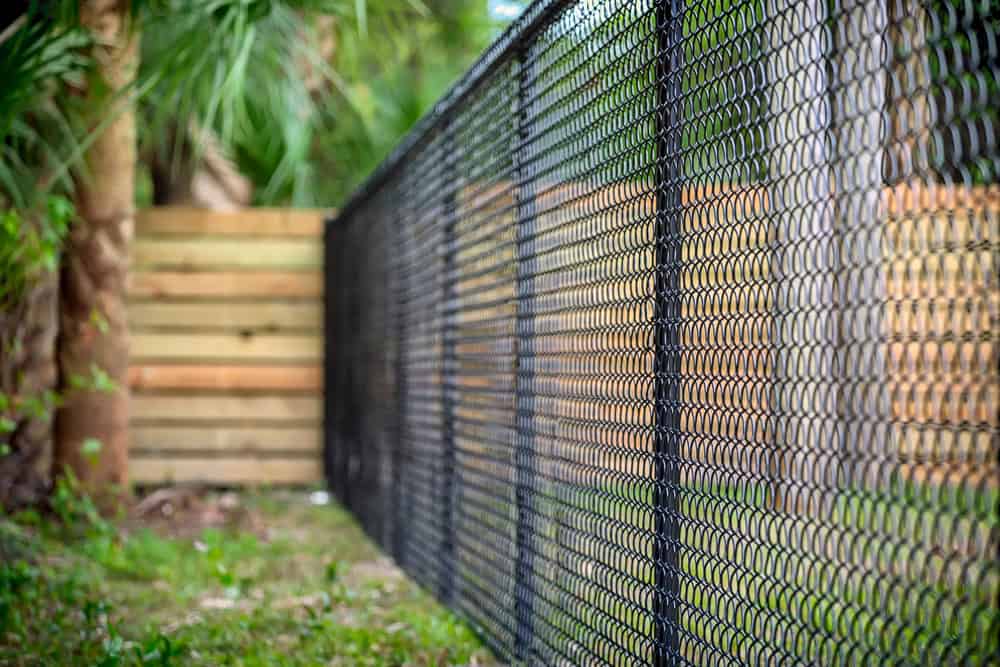
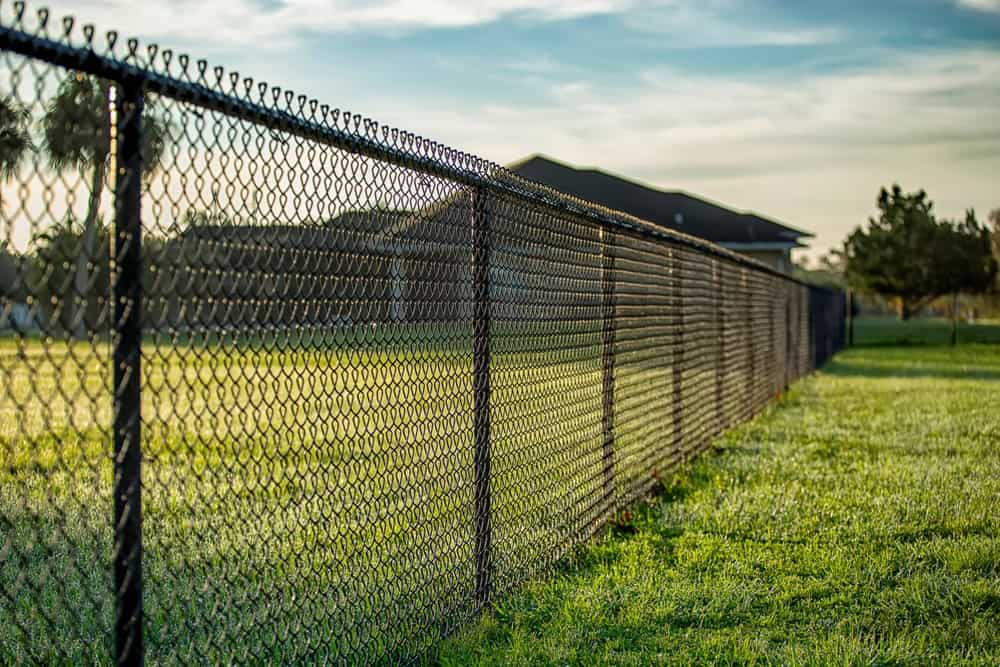
Your property gets a fence that bends in 100+ mph winds and snaps back into place. Not wood that splinters. Not vinyl that cracks. Galvanized steel that flexes under pressure and keeps standing.
You’re looking at 20-25 years of service with almost zero maintenance. No painting every few years. No replacing rotted boards. Just an occasional rinse when it gets dusty.
The open weave means you can see what’s happening on your property while keeping kids and pets safely contained. It’s security with visibility, which matters when you want to monitor your yard without climbing on a ladder or walking the perimeter every time you hear something.
Installation happens fast because the materials are prefabricated and designed for quick positioning. You’re not waiting weeks for custom fabrication. Most residential jobs wrap up in a day or two, depending on your property size and layout.
We’ve been handling fence installations across Central Florida for over two decades. We started in Atlanta, moved to Florida in 2012, and we’ve been serving Orange County communities like Tangerine ever since.
We’re licensed, bonded, and insured in Florida, which means you’re covered if something goes wrong. That’s not just paperwork—it’s protection for your property and peace of mind during the installation process.
Tangerine sits in a part of Orange County where properties range from rural lots to suburban homes, and we’ve worked on both. We understand HOA requirements, property line considerations, and how to handle Florida’s sandy soil conditions that affect post installation. Your fence gets installed right the first time because we know what works here.
We start with a site visit to measure your property, check soil conditions, and discuss what you need. You’ll get a transparent quote with no hidden fees—just the actual cost of materials and labor.
Once you approve, we schedule the installation. We set posts first, spacing them properly and sinking them deep enough to handle Florida weather. Corner and gate posts get extra reinforcement because they carry the most stress.
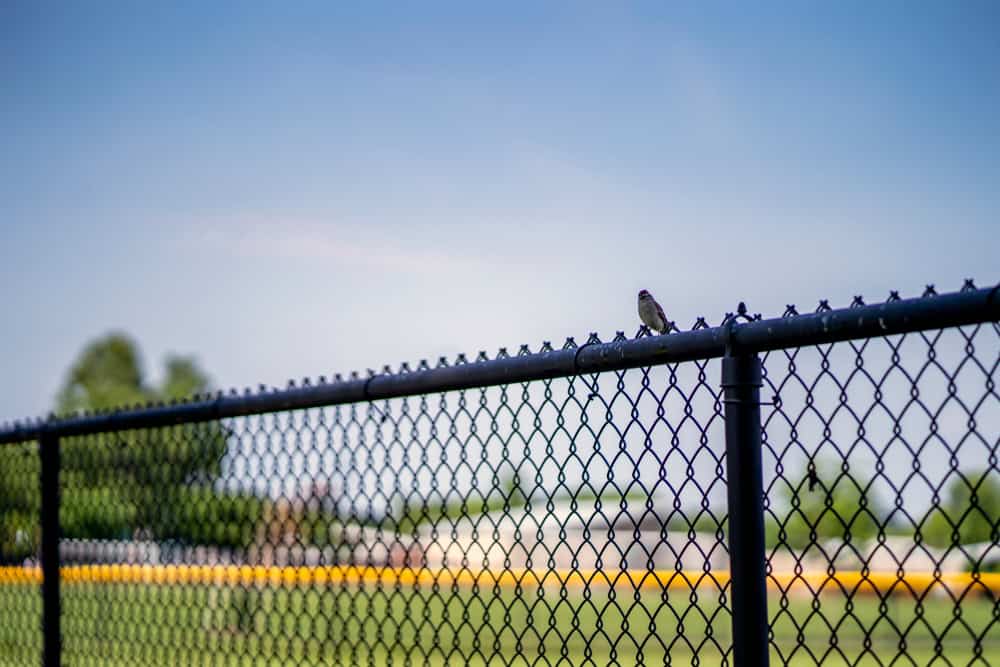
After posts are set and concrete cures, we stretch the chain link fabric between them. Proper tension matters here—too loose and it sags, too tight and it tears under wind load. We tension it correctly so it holds its shape for years.
Rails go on top to add stability, and we install any gates you need. We test every gate to make sure it swings smoothly and latches securely. Then we walk the fence line with you, answer any questions, and clean up the site before we leave.
Ready to get started?
You get galvanized steel chain link fabric that resists rust in Florida’s humidity. We can also install vinyl-coated options in black, green, or brown if you want a less industrial look.
Height options range from 3 feet for basic property definition up to 6 feet for privacy and security. Most residential installations in Tangerine use 4-foot fencing, which works well for containing pets and marking boundaries without feeling like a fortress.
Gates come in various widths to accommodate lawn equipment, vehicles, or just foot traffic. We install them with proper hardware—hinges that don’t sag and latches that actually work after a few years of use.
Privacy slats are available if you want to reduce visibility through the fence. They slide into the chain link fabric and come in multiple colors. They’re not as private as a solid wood fence, but they break up sight lines and add wind resistance, which you might not want in hurricane country.
Tangerine’s median home value sits above $410,000, and property owners here expect quality work that protects their investment. Chain link fencing adds security and definition without the maintenance burden of wood or the higher cost of aluminum. It’s practical fencing that makes sense for Florida properties.
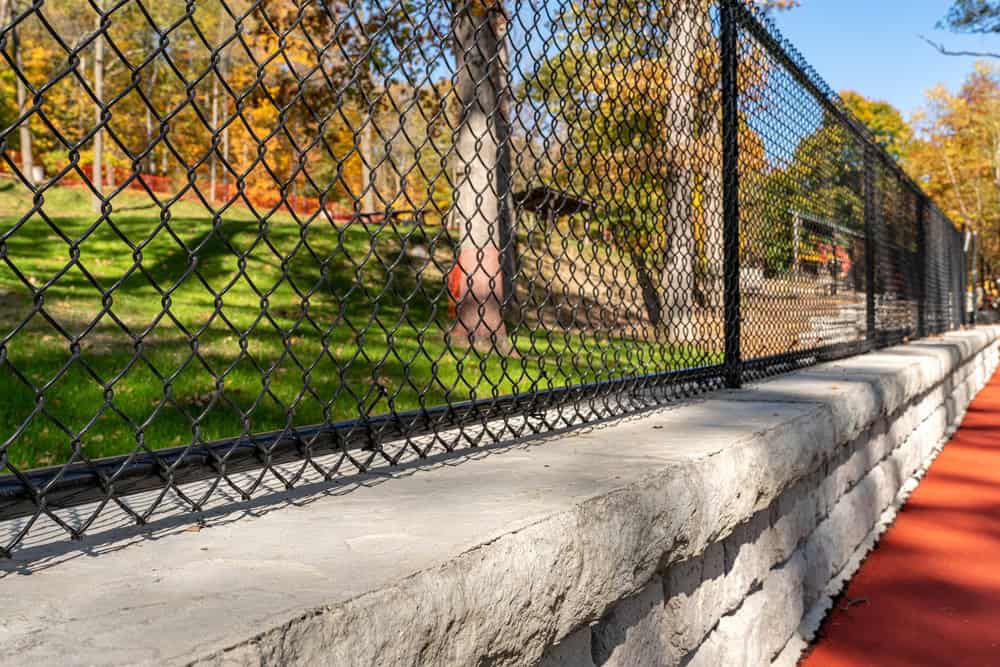
Most residential chain link installations take one to two days, depending on your property size and how many gates you need. A straightforward backyard with 150 linear feet of fencing usually wraps up in a single day.
Larger properties or installations with multiple gates, uneven terrain, or obstacles like trees and utility lines take longer. We’ll give you a realistic timeline during the estimate so you know what to expect.
Weather can delay things. If we’re setting posts and heavy rain hits, we wait for conditions to improve because wet concrete doesn’t cure properly. Florida’s afternoon thunderstorms are predictable, so we plan around them when possible.
Vinyl-coated chain link costs about 20-30% more than standard galvanized, but it offers better corrosion resistance and comes in colors that blend with landscaping. If you’re near any saltwater exposure or want a less industrial appearance, vinyl coating makes sense.
Galvanized chain link is the most economical option and performs well in most Central Florida conditions. The zinc coating protects against rust, and with proper installation, you’re looking at 15-20 years of service life.
Both options handle Florida weather effectively. The choice usually comes down to budget and aesthetics. If you’re fencing a backyard and want it to disappear into the background, vinyl-coated in green or brown works well. If cost is the priority and you don’t mind the silver finish, galvanized delivers solid value.
Chain link is one of the most hurricane-resistant fence types available. The open weave design reduces wind load by 60-80% compared to solid fencing, which means wind passes through instead of pushing against a solid surface.
The flexible mesh absorbs impact and returns to its original shape. During hurricane-force winds, chain link bends and flexes rather than snapping like rigid materials. Properly installed posts with deep footings and correct concrete ratios keep the structure anchored.
Florida experiences more hurricanes than any other state, and chain link consistently outperforms wood, vinyl, and even some aluminum fencing in storm conditions. You might see some bending in extreme winds, but the fence stays standing and functional. That’s why commercial properties, schools, and municipal facilities across Florida use chain link—it works when it matters most.
Almost none. You’ll occasionally rinse it with a garden hose if dust or pollen builds up, but there’s no painting, staining, or sealing required.
Check the fence line once or twice a year for any loose connections or damaged sections. If a tree branch falls on it or someone backs into it, that section might need repair, but the damage stays localized. You don’t have to replace entire panels like you would with wood or vinyl.
Galvanized and vinyl-coated chain link both resist rust in Florida’s humidity. The zinc coating on galvanized chain link protects the steel underneath, and vinyl coating adds another layer of corrosion resistance. You’re looking at decades of service without significant maintenance costs.
Yes. Privacy slats slide vertically into the chain link fabric and reduce visibility by about 80-90%. They come in various colors including tan, green, black, and brown, so you can match your property’s aesthetic.
Keep in mind that slats increase wind resistance, which matters in Florida. A chain link fence’s main advantage is letting wind pass through during storms. Adding slats turns it into more of a solid barrier, which increases wind load on the posts and framework.
If privacy is important and you still want chain link, consider installing slats on sections that face streets or neighbors while leaving other sections open. This gives you privacy where you need it without compromising the fence’s storm resistance across your entire property. We can walk you through the trade-offs during your consultation.
Most fence installations in Orange County require a permit, especially if the fence exceeds 6 feet in height or sits near property lines. Permit requirements also depend on whether you’re in an HOA and what your community’s specific rules allow.
We handle permit applications as part of the installation process. We know what Orange County requires, how to submit the paperwork, and how long approval typically takes. This keeps your project moving without delays from missing documentation or incorrect applications.
If you’re in an HOA, we’ll need to see your community’s fence guidelines before installation. Some HOAs restrict fence height, style, or color. We’ve worked with dozens of HOAs across Central Florida and understand how to meet their requirements while still giving you a functional, durable fence.
Other Services we provide in Tangerine