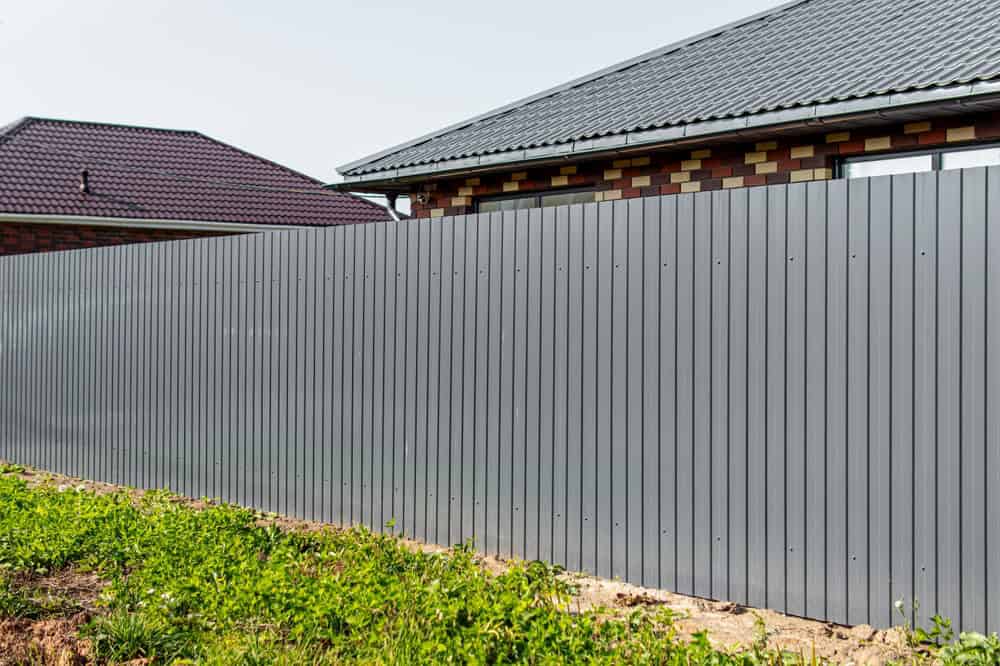
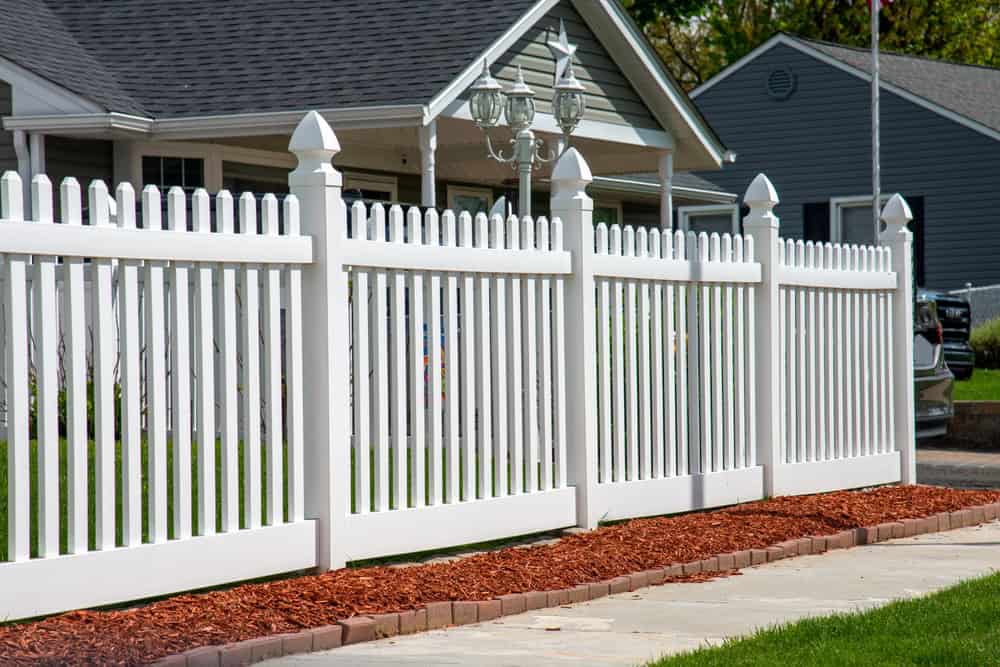
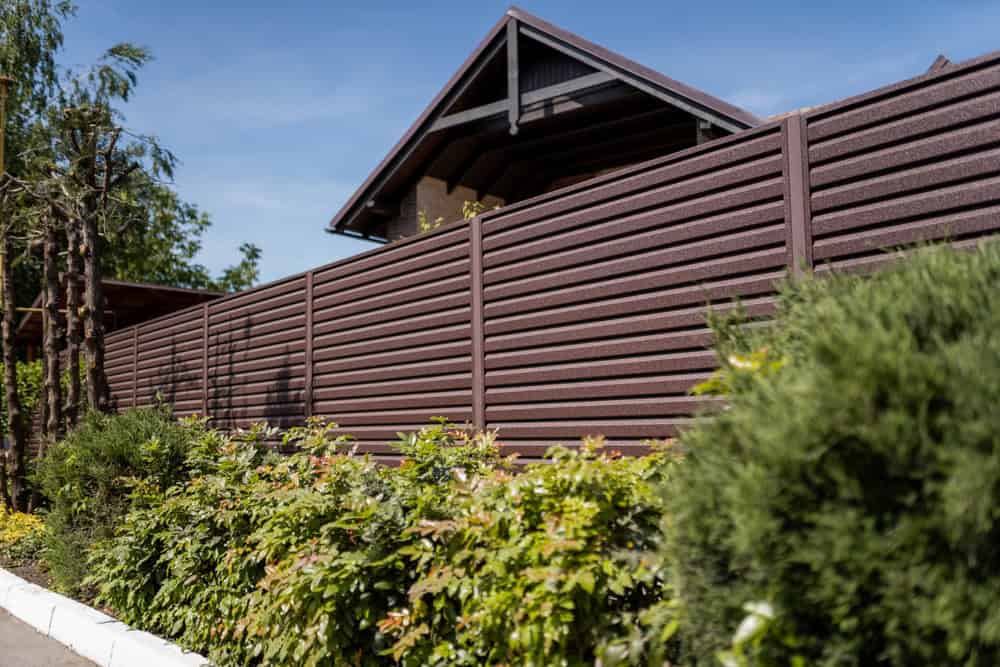
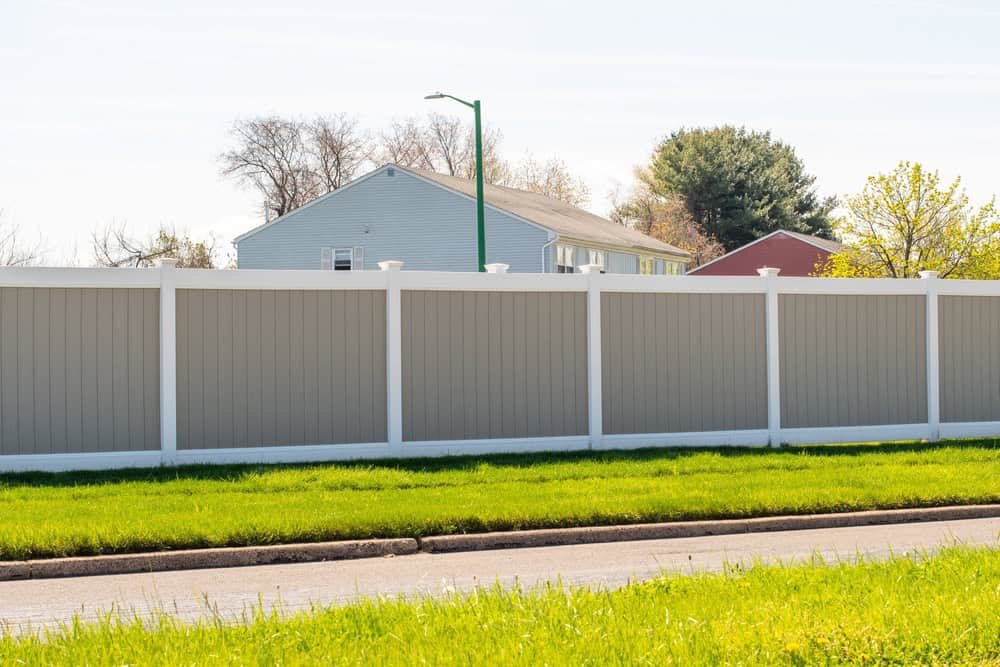
Mossy Oak Fence LLC is your local fence specialist, dedicated to quality craftsmanship and customer satisfaction. We’re passionate about building fences that underscore your property and remain effective over time. Our team is skilled in working with a variety of materials, spanning from classic wood like Western Red Cedar to durable, low-maintenance vinyl.
Mossy Oak Fence LLC; Your Lake County Fence Solution
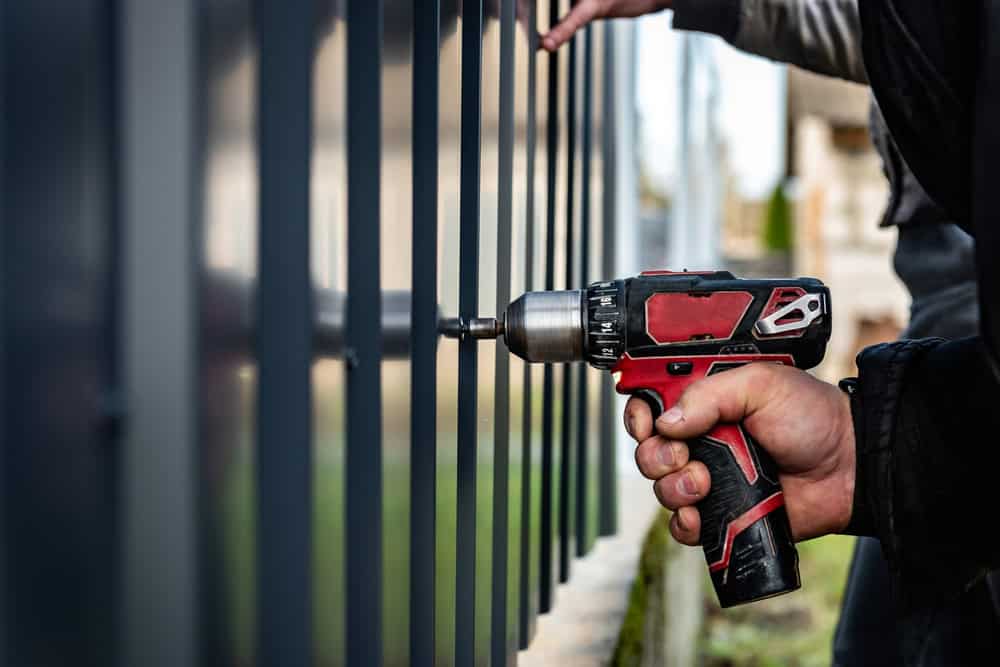
Don’t let a damaged fence detract from your property’s beauty and security. Mossy Oak Fence LLC offers professional fence repair services throughout Lake County. Whether you have a few broken pickets, a leaning post, or a gate that’s off its hinges, we’re here to help. We’re also skilled in repairing all types of fence materials, from wood to vinyl. Contact us at 352-706-3131 to schedule a consultation.
The Astor area and much of the land along the St. Johns River was inhabited by Timucua natives prior to settlement by Europeans. Early attempts at settlement included an English trading post in 1763, and in 1822 a plantation growing sugar cane and oranges was established by Jewish immigrant Moses Elias Levy. By 1838 the Seminole Wars had begun and the United States government established Fort Butler to defend the river as the primary route of transportation inside Florida. These earliest efforts at settlement all met with failure due to war or disease, and until the 1870s the area was largely deserted.
In 1874, William Backhouse Astor Jr. from New York City’s wealthy Astor family purchased over 12,000 acres (49 km2) of land, upon which he began to establish a town he called “Manhattan”. New settlers arrived by steamboat to the town which Astor had endowed with a church, schoolhouse, botanical garden, and free cemetery. William Astor also built a hotel, saw mill, and eventually a railroad, the St. Johns and Lake Eustis Railway, which headed southwest towards the communities of Eustis and Leesburg. A few miles to the west of town, a satellite community called Astor Park grew up along the shore of Lake Schimmerhorn (named for Astor’s wife, Caroline Schermerhorn Astor). Over the next twenty years Astor saw his town grow, but the Manhattan name never caught on. When William Astor died in 1892, the town was officially renamed “Astor” in his honor.
John Jacob Astor IV inherited his father William’s estate and continued to promote the town and their business interests in Florida. Following his demise in the sinking of the RMS Titanic in 1912, the estate passed to his son, Vincent. William Vincent Astor was not interested in his grandfather’s Florida enterprises, and so the Astor family’s interests in the area were sold. This, combined with a severe decline in steamboat travel on the St. Johns due to increased availability of rail travel, signaled the end of the town’s prosperity and prominence. The first Astor Bridge was built in 1926; by 1928, Astor’s hotel had burned down and the railroad was abandoned, leaving Astor without telephone or telegraph service for the next few decades.