You’re not just getting posts in the ground. You’re getting a fence that holds up when the summer storms roll through, keeps your property line clear, and doesn’t need constant repairs every year.
The right fence installation in Lake Underhill means your kids and pets have a safe space to play without you worrying about gaps or weak spots. It means your backyard actually feels private again. And it means you’re not dealing with wood rot after two rainy seasons or rusted metal after one hurricane.
When the installation is handled by people who know Florida soil, humidity, and wind loads, your fence becomes an asset instead of a maintenance problem. You get years of function without the headaches that come from cutting corners or using materials that weren’t meant for this climate.
We’ve been serving Lake Underhill and the surrounding Central Florida area for over 20 years. We’ve seen what works in this climate and what doesn’t, and we’ve built our process around materials and methods that actually hold up.
You’re working with a team that understands Lake Underhill’s soil conditions, knows the local permit requirements, and has installed fences through enough hurricane seasons to know what survives and what fails. We’re not experimenting on your property—we’re applying decades of local experience to make sure your fence does what it’s supposed to do for as long as possible.
First, we come out to look at your property and talk through what you need. That means measuring the area, checking your property lines, discussing materials that make sense for your situation, and giving you a clear price with no surprises later.
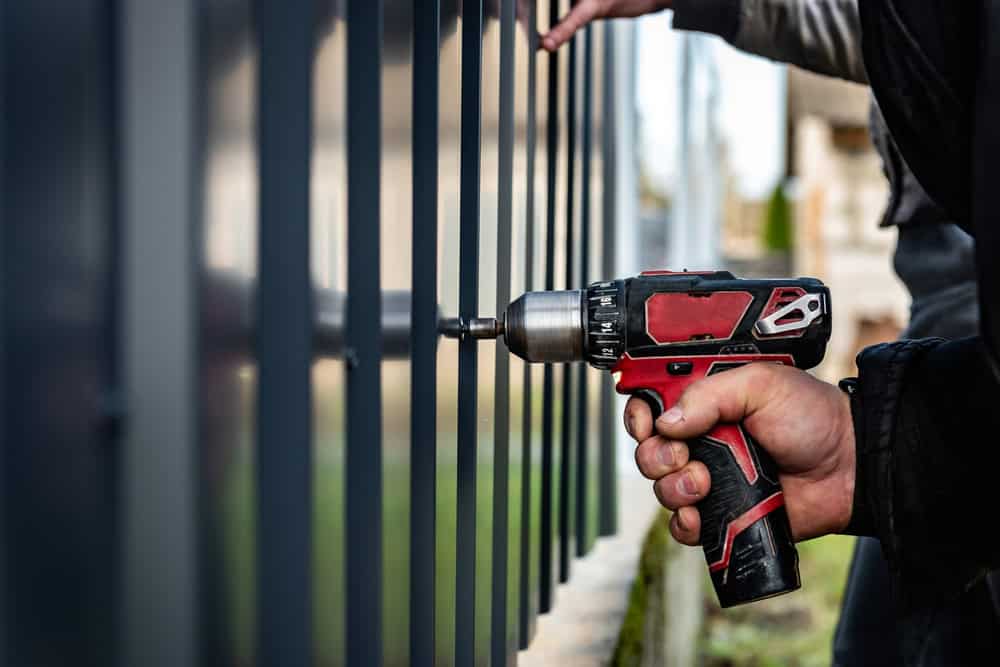
Once you’re ready to move forward, we handle the permits and make sure everything’s compliant with local codes. Then we schedule your installation at a time that works for you. Our crew shows up on time, preps the site, sets posts with proper depth and spacing for Florida wind loads, and installs your fence sections with attention to alignment and stability.
After installation, we walk the fence line with you to make sure everything meets your expectations. You’ll know exactly how to maintain it, what to watch for, and how to reach us if anything comes up. The goal is a fence that works from day one and keeps working year after year.
Ready to get started?
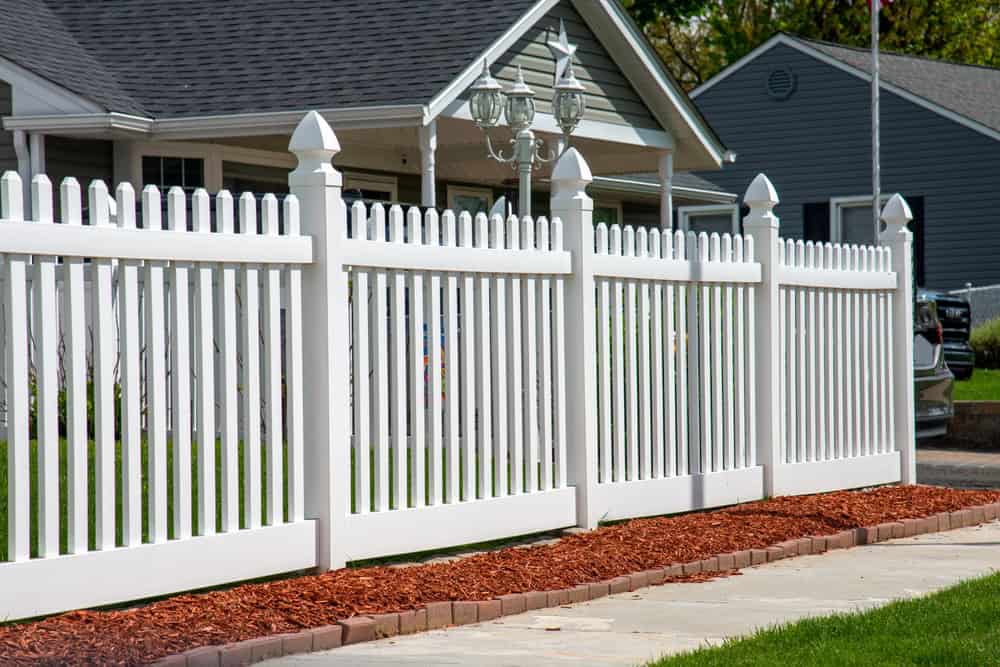
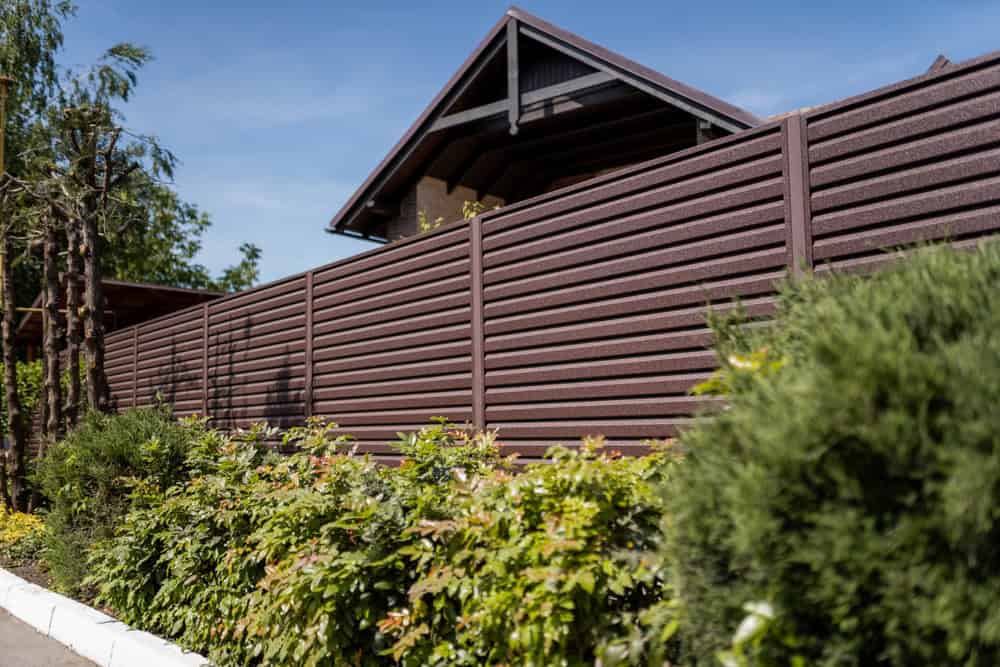
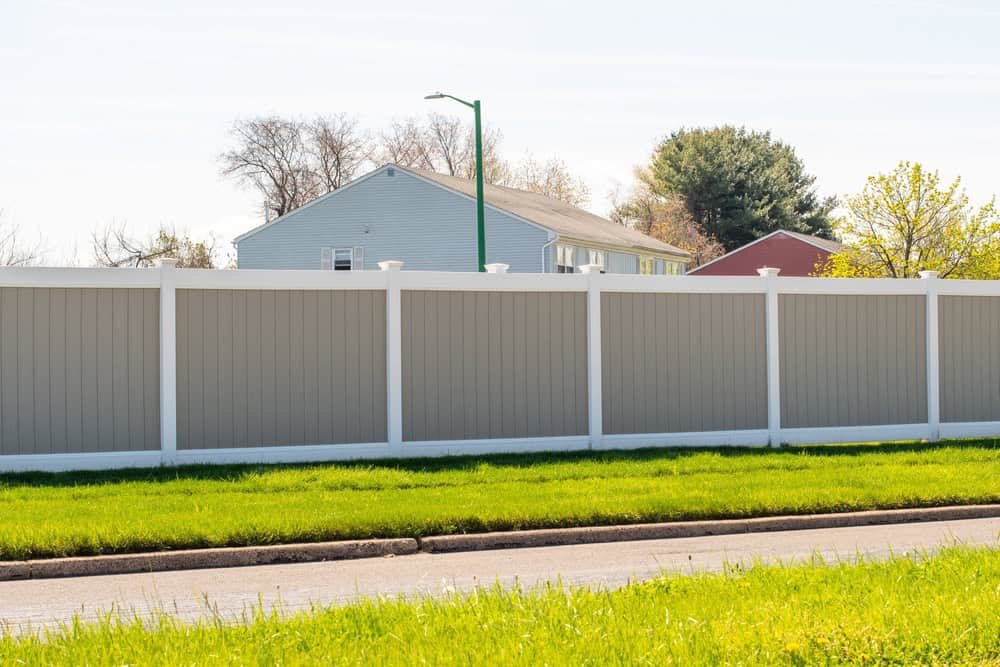
You have options when it comes to materials, and the right choice depends on what you’re trying to accomplish. Wood fences give you that classic look and full privacy, but they need proper treatment to handle Florida’s humidity. Vinyl resists moisture and requires almost no maintenance, making it a smart choice if you want to install it and forget about it. Aluminum won’t rust in the rain and holds up well in high winds, plus it gives you visibility while still marking boundaries.
For residential fence installation in Lake Underhill, most homeowners are looking at privacy, security, or both. That usually means a six-foot fence in the backyard with materials chosen to withstand summer storms and year-round moisture. We help you match the material to your priorities—whether that’s curb appeal, longevity, budget, or all three.
The installation itself is designed around Florida conditions. Posts go deep enough to handle wind. Concrete footings are sized for sandy soil. Spacing accounts for expansion in heat. These aren’t small details—they’re the difference between a fence that lasts and one that needs repairs after the first strong storm.
Most residential fence installation projects in Lake Underhill take between one and three days, depending on the size of your property and the type of fence you’re installing. A standard backyard privacy fence for an average-sized lot usually wraps up in a day or two.
Weather can affect the timeline, especially during Florida’s rainy season. If the ground is too saturated, we may need to wait a day for conditions to improve so posts set properly. We’d rather delay slightly than compromise the installation quality.
The permit process adds time on the front end—usually a week or two depending on how quickly the county processes applications. We handle that part for you, but it’s worth knowing about when you’re planning your timeline. Once permits are in hand and we’re scheduled, the actual installation moves quickly.
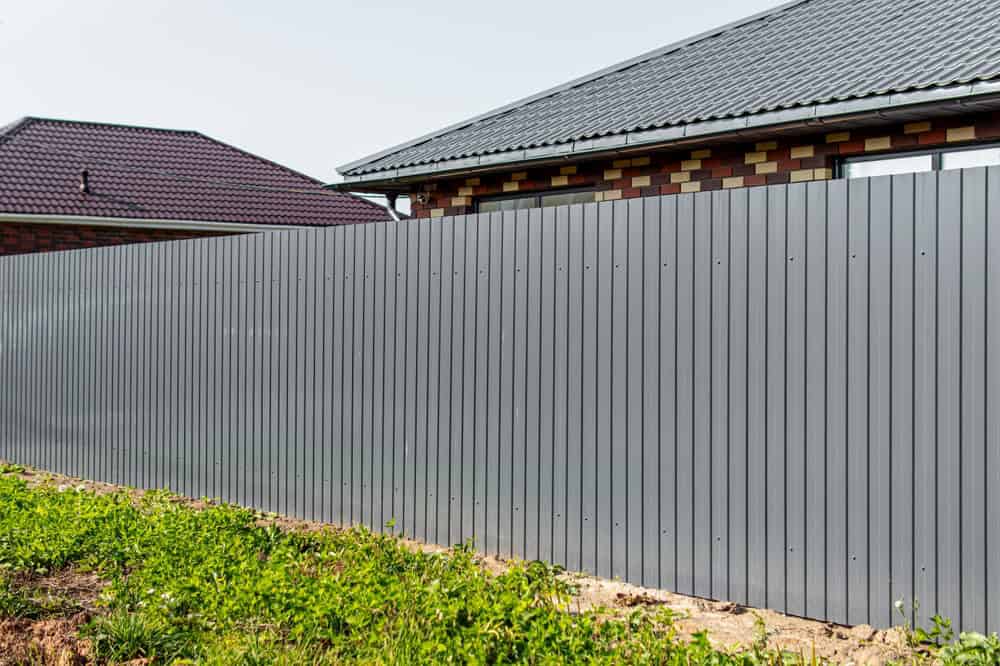
Vinyl and aluminum are your best bets for longevity in Lake Underhill’s climate. Vinyl doesn’t rot, rust, or need repainting, and it handles humidity without breaking down. Aluminum resists corrosion even in heavy rain and high moisture, and it’s strong enough to handle wind without bending or failing.
Wood can work well if you’re willing to maintain it. That means treating it for moisture resistance and checking it regularly for rot or insect damage. Cedar and pressure-treated pine are the most common choices, but they’ll need more attention over the years than vinyl or aluminum.
Chain link is durable and low-maintenance, but it doesn’t offer privacy. It’s a solid option if you need a boundary marker or want to contain pets without blocking sightlines. For most homeowners in Lake Underhill looking for privacy fence installation, vinyl ends up being the sweet spot between durability, appearance, and maintenance requirements.
Yes, most fence installations in Lake Underhill require a permit, especially if your fence is over a certain height or located near the front of your property. Orange County has specific regulations about fence height—typically six feet in the backyard and four feet in the front yard—and you’ll need to comply with setback requirements from property lines.
Skipping the permit process can lead to fines or being required to remove a newly installed fence, which is an expensive mistake. The permit ensures your fence meets local codes for height, placement, and construction standards. It also protects you if there’s ever a dispute with a neighbor about property boundaries.
We handle the permit application as part of our service. That means pulling the necessary documents, submitting them to the county, and making sure everything’s approved before we start work. It adds a bit of time to the front end, but it keeps you compliant and avoids problems down the road.
In Lake Underhill, fence posts typically need to be set at least two feet deep, and often deeper depending on soil conditions and fence height. Sandy soil, which is common in Central Florida, doesn’t hold posts as firmly as clay or rock, so proper depth and concrete footings are critical for stability.
For taller fences or areas with high wind exposure, we go deeper—sometimes up to three feet—to make sure the posts can handle stress during storms. The concrete footing also needs to be sized correctly so the post doesn’t shift or lean over time. Skimping on post depth is one of the most common DIY mistakes, and it’s why you see fences leaning or falling after a few years.
We also account for drainage when setting posts. If water pools around the base, even treated wood can rot and metal can corrode faster. Proper installation means your posts stay solid and your fence stays upright through Florida’s wet seasons and hurricane threats.
You can install a fence on your property line, but you need to know exactly where that line is before you start. Installing even a few inches onto your neighbor’s property can lead to legal disputes and potentially having to move or remove the fence entirely.
We recommend getting a property survey if you don’t have a recent one. It’s a small upfront cost that prevents major headaches later. Once the property line is confirmed, we can install right up to it as long as local setback requirements are met. Some HOAs or county codes require a few inches of clearance, so we check those regulations during the planning phase.
If you’re sharing a fence line with a neighbor, it’s worth having a conversation with them before installation. Even though it’s your property and your fence, keeping things cordial makes the process smoother. We’ve seen situations where a quick chat prevented misunderstandings that could have turned into disputes.
Fence installation costs in Lake Underhill typically range from $15 to $40 per linear foot depending on the material, height, and complexity of the project. A standard privacy fence for an average backyard usually falls somewhere in the middle of that range.
Wood fencing tends to be less expensive upfront but requires more maintenance over time. Vinyl costs more initially but saves you money on upkeep and lasts longer in Florida’s climate. Aluminum sits in between, offering durability and low maintenance at a moderate price point. The final cost also depends on factors like gate installation, terrain challenges, and any custom design elements you want.
We provide free estimates after looking at your property and understanding what you need. That way you get an accurate number based on your specific situation, not a generic range. The estimate includes materials, labor, permits, and cleanup—no hidden fees or surprise charges after the work is done.
Other Services we provide in Lake Underhill