
Your property looks better. Your family has privacy. Your dog stays in the yard without you worrying about gaps or weak spots.
That’s what happens when the fence is installed correctly from day one. You’re not calling someone back in six months because posts are leaning or panels are warping. You’re not dealing with a contractor who disappears halfway through or uses materials that can’t handle Central Florida’s heat and storms.
A professional fence installation in Riverside Acres means the job gets permitted properly, the materials are chosen for longevity, and the installation follows code. It means you can actually use your yard the way you want—whether that’s keeping kids safe, adding curb appeal, or finally having some separation from the neighbors. The fence does its job, and you move on with your life.
We’ve been installing fences across Central Florida since 2004, with roots going back to 1992. We’re licensed, bonded, and insured—which matters more than most people realize until something goes wrong.
We’ve worked in Riverside Acres long enough to know what holds up here. The soil conditions, the weather patterns, the local codes. We’re not a crew that shows up, slaps something together, and moves on to the next town.
We were recognized in Orlando Magazine’s 2025 Home Design Awards because we focus on quality over speed and transparency over upselling. If you’re in Riverside Acres and need a residential fence installation that actually lasts, we’ve done this enough times to get it right.
First, we come out and talk through what you need. Not what we want to sell you—what actually makes sense for your property, your budget, and how you use your yard. We measure, check for utilities, and go over material options that work in Florida’s climate.
Once you’re clear on pricing and timeline, we handle the permits. A lot of homeowners don’t realize this step matters, but it does—especially in Riverside Acres where codes are enforced. Skipping permits can cost you later if you sell or if a neighbor complains.
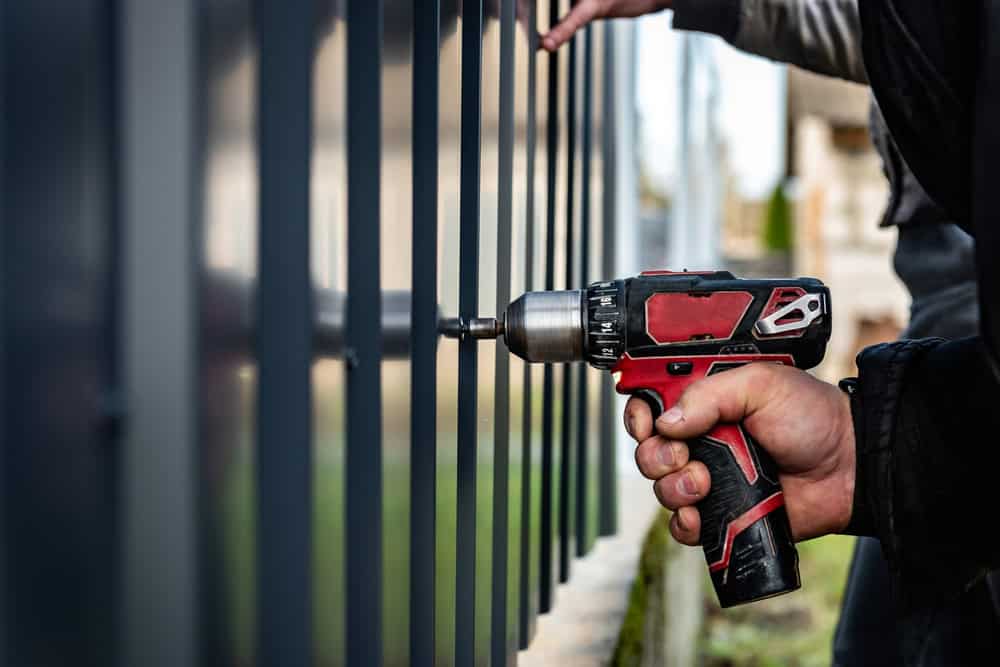
Installation day, our crew shows up on time with the materials we promised. We set posts properly, ensure everything is level and secure, and clean up when we’re done. You’ll know what’s happening at each stage, and if something changes, we tell you before we proceed. No surprises, no shortcuts.
After the fence is up, we walk the property with you to make sure everything meets your expectations. If something’s off, we fix it then—not after you’ve already paid and we’ve moved on.
Ready to get started?
You’re getting materials that hold up. That means pressure-treated wood that resists rot, vinyl that won’t crack under UV exposure, or aluminum that doesn’t rust in Florida humidity. We don’t use big-box store grade materials—they’re not built for long-term performance here.
The installation itself includes proper post-setting with concrete, accurate spacing, and gates that actually swing smoothly and latch correctly. A lot of fence problems come down to rushed installation or incorrect depth on posts. We don’t cut those corners.
For Riverside Acres homeowners, this also means understanding lot lines, easements, and any HOA requirements if they apply to your neighborhood. Some areas here have restrictions, others don’t—we help you figure that out before we start so there’s no issue later. Whether you need privacy fence installation for your backyard pool area or a decorative front yard fence that adds curb appeal, the process stays the same: transparent pricing, quality materials, professional installation.
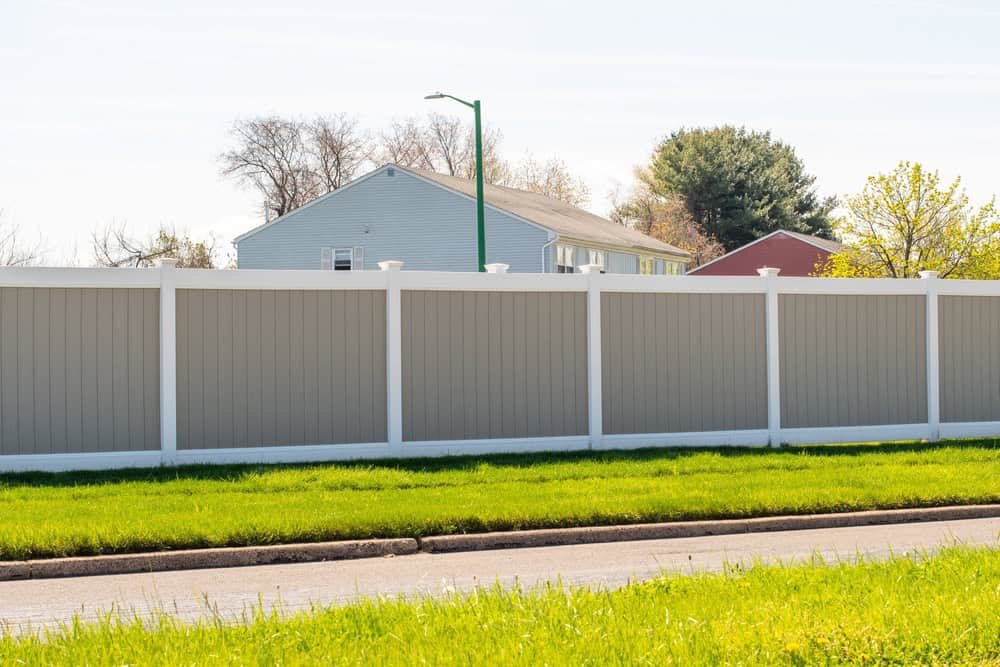
Most residential fence installations take two to five days depending on the size of your property and the type of fence. A standard privacy fence for a quarter-acre lot usually wraps up in two to three days if weather cooperates.
Custom fence installation projects with gates, varying terrain, or multiple fence types can take longer. We give you a realistic timeline upfront based on your specific property—not a generic estimate that doesn’t account for what’s actually involved.
Florida weather can delay things, especially during summer storm season. If we have to pause for rain or ground conditions, we let you know immediately and adjust the schedule. We don’t rush through wet conditions just to meet a deadline—it compromises the quality of the installation.
Vinyl and aluminum hold up best if you want something low-maintenance that handles heat and humidity without constant upkeep. Vinyl won’t rot, warp, or need repainting. Aluminum doesn’t rust and works well for decorative or pool fencing.
Pressure-treated wood is still a solid choice if you prefer the look and don’t mind occasional maintenance. We use proper grade lumber treated for ground contact, and we seal it correctly during installation. Wood fences here can last 15-20 years if they’re installed and maintained properly.
Chain link is the most affordable and works fine for backyards or commercial properties where aesthetics aren’t the priority. It’s durable and requires almost no maintenance. The main thing with any material in Riverside Acres is making sure posts are set deep enough and concrete is used—sandy soil and storm winds will test any fence that’s not anchored correctly.
Yes, most fence installations in Riverside Acres require a permit, especially if the fence is over a certain height or located near a property line. Lake County has specific requirements, and skipping the permit process can lead to fines or having to remove the fence entirely.
We handle the permit application as part of our service. It’s not complicated, but it does require knowing local codes, submitting site plans, and sometimes waiting for approval before we can start. That’s built into our timeline so you’re not surprised by delays.
Some homeowners try to avoid permits to save money or time, but it’s not worth the risk. If you ever sell your home, unpermitted work can become a problem during inspections. And if a neighbor complains, the county will require you to either get a retroactive permit—which is harder—or remove the fence. We do it right from the start.
Cost depends on the material, length, height, and any custom features like gates or decorative elements. A basic wood privacy fence typically runs between $15-30 per linear foot installed. Vinyl costs more upfront—usually $25-40 per linear foot—but requires less maintenance over time.
Aluminum fencing for pools or decorative purposes generally falls in the $30-50 per linear foot range. Chain link is the most affordable, often $10-20 per linear foot depending on height and gauge.
We give you transparent pricing after we see your property. There’s no point in quoting a number without knowing what we’re working with—terrain, access, existing structures, and your specific needs all affect cost. What we quote is what you pay. No hidden fees for “unforeseen circumstances” that should’ve been obvious from the start.
A licensed contractor is bonded and insured, which protects you if something goes wrong. If an unlicensed installer damages your property, hurts themselves on your land, or disappears halfway through the job, you have very little recourse.
Licensed contractors also pull proper permits and follow building codes. Unlicensed installers often skip permits to save time and money, which becomes your problem later. Codes exist for safety and structural integrity—they’re not just bureaucratic red tape.
The quality gap is real too. Licensed contractors have accountability and reputation to maintain. Unlicensed crews often lowball prices by using subpar materials and rushing installations. You might save money upfront, but you’ll pay more in repairs or full replacement within a few years. In Riverside Acres, where weather tests every fence, proper installation isn’t optional—it’s the difference between a fence that lasts and one that becomes a liability.
We can, but you’ll want to verify your property lines first to avoid issues with neighbors or the county. Most property surveys are on file with Lake County, and you can request a copy if you don’t have one. If there’s any uncertainty, hiring a surveyor before we install is worth the cost.
Installing a fence on your neighbor’s property—even by a few inches—can lead to legal disputes and having to move or remove the fence entirely. We’ve seen it happen, and it’s expensive and frustrating for everyone involved.
If you have a recent survey or clear property markers, we work from those. We also check for easements or setback requirements that might affect where the fence can legally go. In some Riverside Acres neighborhoods, utility easements run along property lines, and fences can’t be installed in those areas. We help you navigate that before we dig the first post hole.
Other Services we provide in Riverside Acres