You’re not repainting every few years. You’re not replacing rotted boards after a storm. You’re not spending Saturday afternoons with a power washer trying to salvage something that should’ve lasted longer.
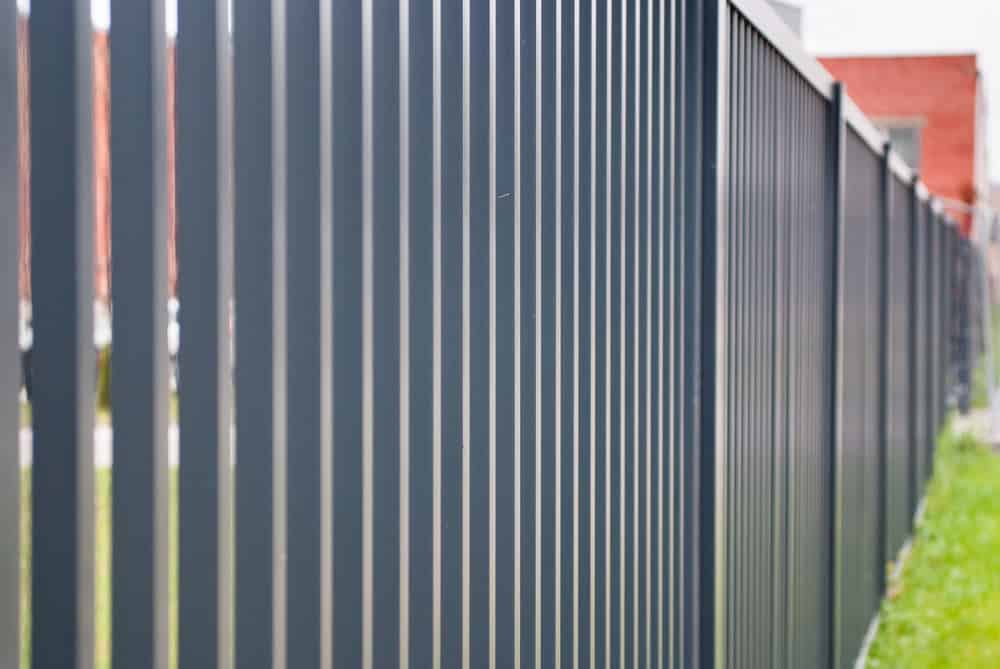
Aluminum fences in West Colonial, FL give you the wrought iron look without the rust, the maintenance, or the price tag. They handle hurricane-force winds better than solid materials because air passes through instead of pushing against a wall. They don’t corrode in Central Florida’s humidity, and they don’t splinter when your dog decides the fence line is the best place to patrol.
What you actually get is a fence that looks sharp the day it goes in and still looks sharp twenty years later. Pool codes, HOA requirements, pet containment, property lines—aluminum handles all of it without asking you to become a weekend fence maintenance expert. Your time stays yours.
We’ve been serving West Colonial and the surrounding Central Florida counties for years, which means we’ve installed fences through hurricane seasons, HOA reviews, and every soil condition this area throws at us.
We’re not the cheapest option, and that’s intentional. You’re paying for aluminum that’s actually rated for Florida weather, posts that go deep enough to matter, and installation that doesn’t cut corners because we’re trying to finish five jobs in a day. We use premium-grade materials and a process that’s been refined through hundreds of installations across Lake, Orange, Seminole, and surrounding counties.
West Colonial sits in an area where properties range from mid-century ranch homes to recently renovated traditional styles. That means your fence needs to match your home’s character while handling the same weather that hits Downtown Orlando three miles southeast. We get that, and we build accordingly.
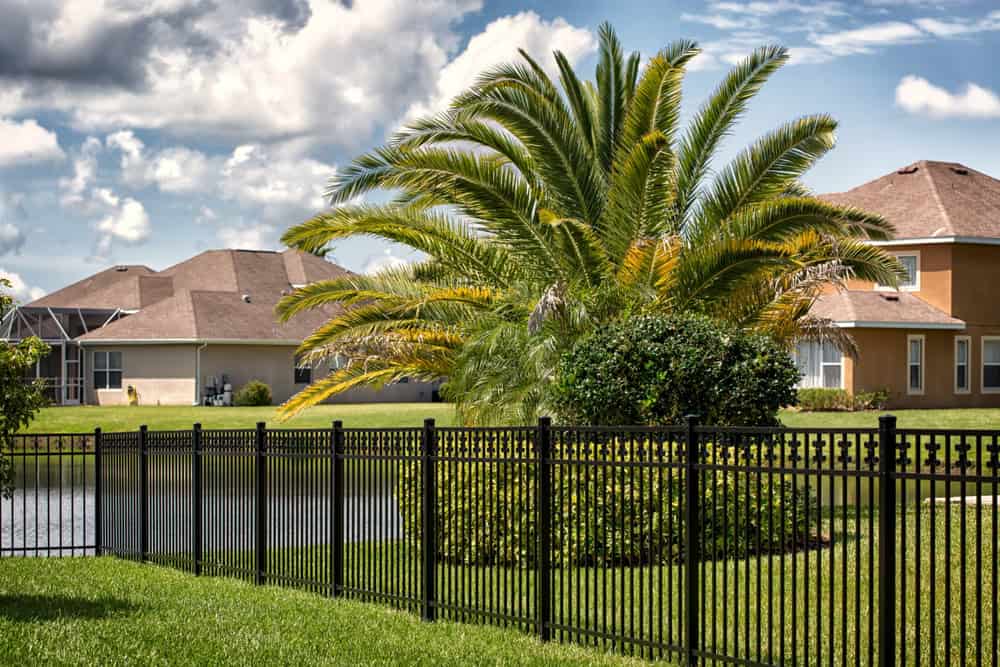
We start with a consultation at your property. You show us what you’re trying to accomplish—pool safety, pet containment, privacy, curb appeal, whatever the actual goal is. We measure, check for utilities, discuss height options (36″ to 72″), color choices (black, bronze, white), and any HOA or permit requirements specific to West Colonial.
Once you approve the design and pricing, we pull permits if needed and schedule installation. Our crew shows up on time, marks the fence line, sets posts with proper depth and spacing, and installs the aluminum panels with attention to level and alignment. We’re not rushing to the next job. We’re making sure your gates swing right, your corners are square, and everything meets code.
After installation, we walk the fence line with you, answer any questions about care (spoiler: there’s almost none), and make sure you’re satisfied before we leave. The whole process typically takes a few days depending on property size, and we clean up completely when we’re done. No leftover materials, no torn-up yard that you have to fix yourself.
Ready to get started?
You’re getting commercial-grade aluminum that’s powder-coated to resist fading and corrosion in Florida’s climate. Posts are steel-reinforced and set in concrete to handle wind load. Gates come with self-closing hinges and lockable latches that meet pool code requirements if that’s part of your project.
In West Colonial, most residential aluminum fence installations run between four and six feet tall, depending on whether you’re enclosing a pool (48″ minimum by code), defining a property line, or keeping pets contained. We install on properties with varying elevations, which is common in this area’s older neighborhoods where grading isn’t always uniform. That means we adjust panel heights and post placement to follow your terrain without leaving gaps.
You also get a fence that increases your property value. West Colonial’s median home price sits around $253,000, and quality fencing typically returns 30-40% of installation cost when you sell. More importantly, it makes your property more attractive to buyers who want security and curb appeal without signing up for maintenance projects.
The installation includes all permits, all materials, professional-grade installation, and a final walkthrough. We don’t charge extra for normal site conditions, and we don’t surprise you with add-ons that should’ve been included from the start.
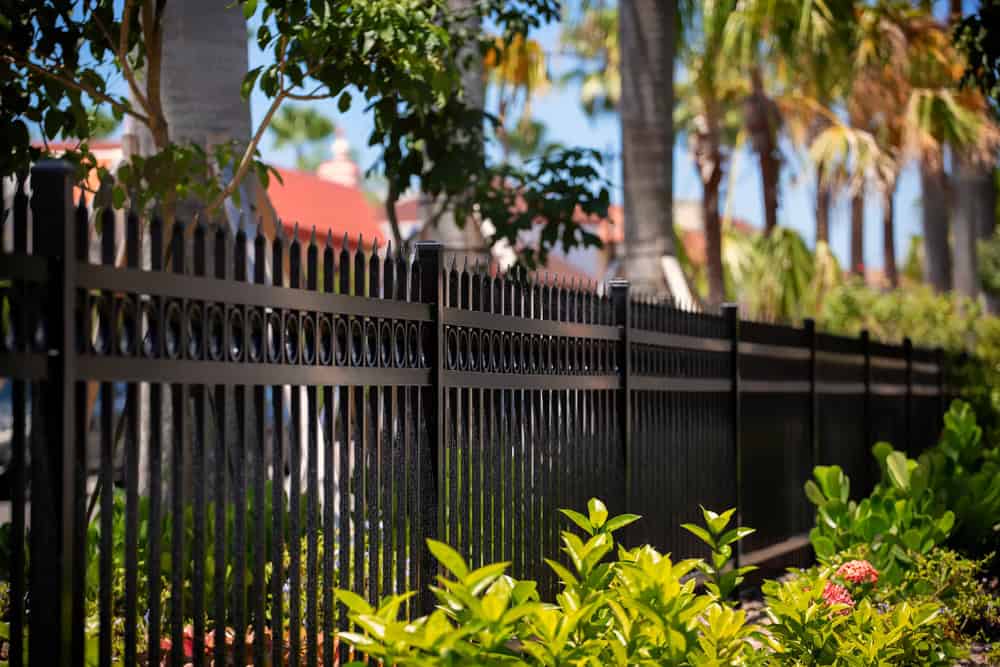
Residential aluminum fences last fifty years or more in Central Florida when they’re installed correctly with quality materials. The powder-coated finish resists UV damage and won’t fade like paint does on wood. Aluminum doesn’t rust in humid conditions the way iron or steel will, and it doesn’t rot, warp, or attract termites like wood fencing.
The longevity comes down to two things: the grade of aluminum and the installation quality. Cheaper aluminum uses thinner gauge metal that can bend or dent more easily. We use heavier-gauge aluminum with steel-reinforced posts set deep enough to handle Florida’s soil conditions and wind loads.
You’ll rinse it with a garden hose once or twice a year to remove pollen and dirt. That’s the maintenance. No sanding, no staining, no replacing boards, no rust treatment. The fence you see installed is the fence you’ll have for decades, which is why aluminum makes sense in an area where humidity and storms are constants.
Aluminum fences handle hurricanes better than most people expect because of how they’re designed. The picket style allows wind to pass through instead of creating a solid surface that catches wind like a sail. That’s why building codes in Florida actually prefer open fencing styles over solid privacy fences in high-wind zones.
West Colonial is far enough inland that you’re not getting direct coastal storm surge, but you’re still in the path of hurricane-force winds when storms track through Central Florida. Winds can hit 80-100 mph during major hurricanes. Properly installed aluminum fencing with steel-reinforced posts set in concrete can flex slightly without failing, and the individual pickets won’t snap the way wood boards do.
The key is installation depth and spacing. Posts need to go at least two feet deep (deeper in sandy soil), and they need to be properly spaced so panels aren’t spanning distances they weren’t engineered for. We’ve installed fences that have been through multiple hurricane seasons without damage because the engineering and installation were done right from the start. That’s not luck—it’s knowing what Florida weather demands and building accordingly.
Aluminum fence installation in West Colonial typically runs $25 to $45 per linear foot, depending on height, style, and site conditions. A standard four-foot residential fence for a typical quarter-acre property (around 400 linear feet of fencing) usually falls in the $10,000 to $18,000 range including materials, labor, and permits.
Height affects cost—a six-foot privacy-style aluminum fence costs more than a four-foot pool fence. Custom colors beyond standard black, bronze, or white add to the price. Properties with significant elevation changes or difficult access require more labor. Gates, especially double-wide driveway gates with automation, increase the total.
The cost makes sense when you compare it to wood fencing that needs replacement every 10-15 years in Florida’s climate, or wrought iron that costs significantly more upfront and requires ongoing rust maintenance. You’re paying once for something that lasts fifty-plus years with almost zero maintenance. That’s a better return than cheaper options that become expensive problems. We give you transparent pricing during the consultation so you know exactly what you’re paying for and why.
Standard aluminum fencing provides security and visibility, not full privacy. The picket-style design lets you see through the fence, which is actually required for pool fencing by code—you need to be able to see into the pool area for safety monitoring. That same design also makes your property feel more open and less enclosed.
If you want more privacy with aluminum, you have a few options. Some aluminum fence styles use closer picket spacing or include decorative panels that reduce visibility without creating a solid barrier. You can also add privacy slats that weave through the pickets, though that adds maintenance since the slats can fade or need replacement over time.
Most West Colonial homeowners who want full privacy choose vinyl or wood fencing instead of aluminum. Aluminum works best when your goal is security, pet containment, property definition, or pool code compliance—situations where you want a durable, attractive barrier but don’t need to block sightlines completely. If you’re trying to screen an AC unit or create a private patio area, we’ll tell you honestly whether aluminum is the right choice or if another material makes more sense for your specific situation.
Most aluminum fence installations in West Colonial require a permit from Orange County or the City of Orlando, depending on exactly where your property sits. Permits ensure the fence meets setback requirements, height restrictions, and safety codes—especially important for pool fencing, which has strict regulations about height, gate latches, and spacing.
Setback requirements typically keep fences a certain distance from property lines, sidewalks, and roads. Height limits vary by location and whether the fence is in a front yard, side yard, or backyard. Pool fences must be at least 48 inches tall with self-closing, self-latching gates that open outward, and picket spacing can’t exceed four inches to prevent child access.
We handle the permit process as part of installation. We know what Orange County requires, what documentation they want, and how long approval typically takes. Skipping permits might seem like a shortcut, but it creates problems when you sell your property or if a neighbor complains. Unpermitted work can result in fines and forced removal. We pull permits, do the work to code, and make sure everything passes inspection so you don’t inherit problems down the road.
Aluminum beats wood in Florida because wood can’t handle the humidity, termites, and rot that come with Central Florida’s climate. Even pressure-treated wood warps, splits, and needs replacement every 10-15 years here. You’re also repainting or restaining wood every few years to keep it from looking terrible. Aluminum gives you the same property definition and security without any of that maintenance or replacement cycle.
Vinyl fencing costs less upfront and provides better privacy than aluminum, but it doesn’t have the same strength or wind resistance. Vinyl can crack in extreme heat or cold, and it can become brittle over time with UV exposure. It also doesn’t have the upscale appearance that aluminum provides—vinyl looks like plastic, while aluminum mimics wrought iron with a more refined aesthetic.
Aluminum makes the most sense when you want something that looks high-end, handles Florida weather without maintenance, and lasts long enough that you’re not planning a replacement project in fifteen years. It costs more than vinyl and less than wrought iron, but the lifespan and durability make it the better long-term value for most West Colonial properties. If you need full privacy, vinyl works better. If you want security, curb appeal, and zero maintenance, aluminum is the right call.
Other Services we provide in West Colonial