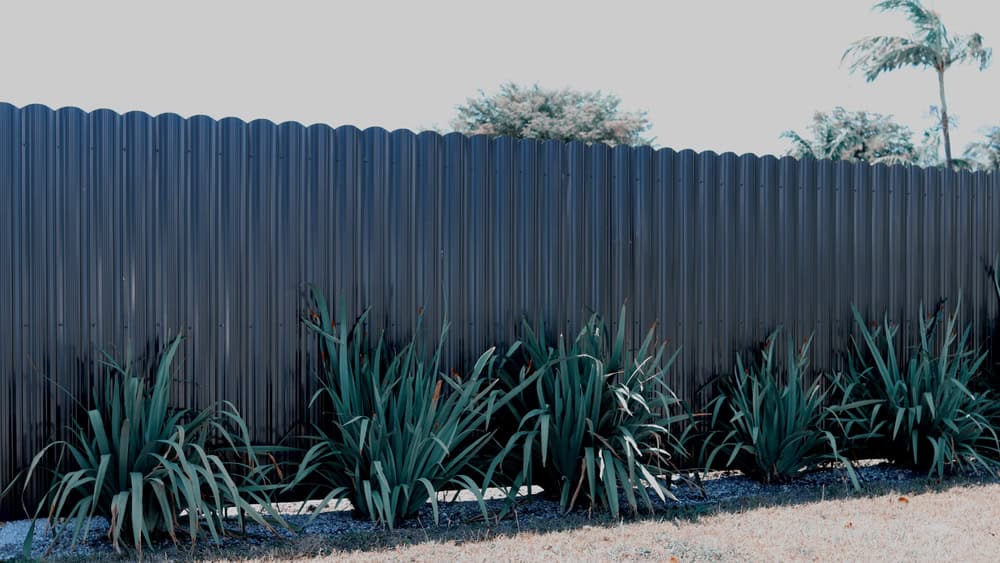
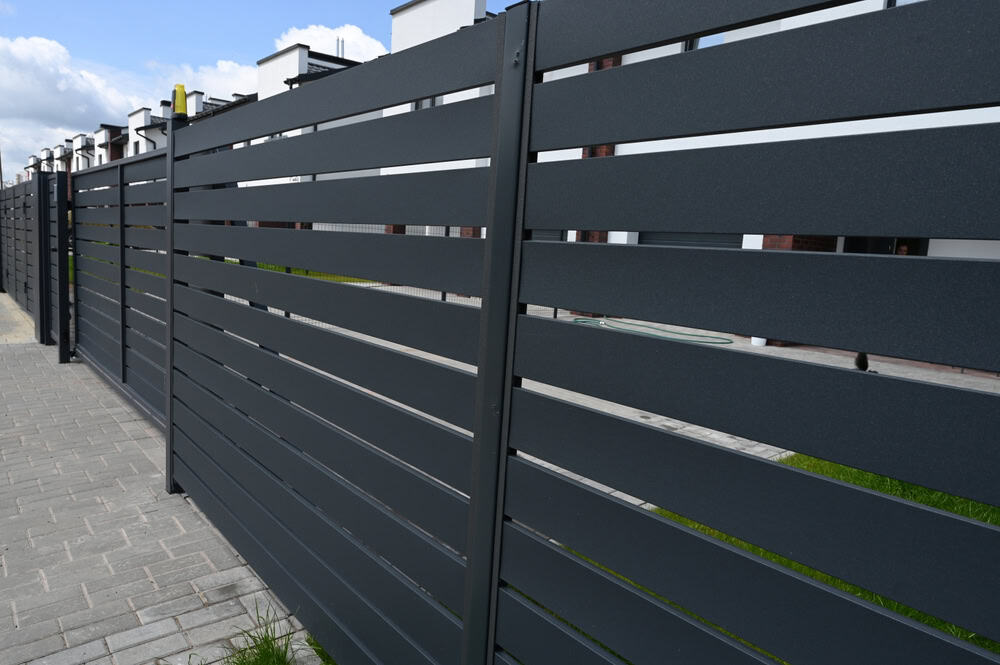
Your weekends stay yours. No scraping, no painting, no staining every few years like wood demands. A quick rinse with the garden hose a couple times a year keeps aluminum looking sharp.
Florida’s humidity doesn’t stand a chance. Aluminum won’t rust or corrode, even during the wettest months or when salt air drifts in from nearby lakes. That means your fence looks the same in year ten as it did on installation day.
You’re securing your property without blocking sightlines. Kids and pets stay safely contained while you maintain visibility across your yard. The open design keeps airflow moving, which matters during Central Florida’s sticky summers. And if a storm rolls through, aluminum’s lightweight strength handles high winds better than heavier materials that can become projectiles.
We’ve been installing residential and commercial fencing across Lake County and surrounding areas for years. We know Astatula—the soil conditions, the permit requirements, the way properties sit near Lake Harris and the surrounding wetlands.
Our installations use high-grade aluminum and proper anchoring techniques that account for Florida’s sandy soil and seasonal ground shifts. We’re not a crew that rushes through jobs to hit quotas. Each fence gets the attention it needs to stay straight, secure, and storm-ready.
You’ll work directly with people who live and work in Central Florida. We understand what matters here: fences that handle the climate, look good long-term, and don’t nickel-and-dime you with hidden fees after you’ve already signed.
We start with a property visit. You show us where the fence needs to go, what you’re trying to accomplish—keeping dogs in, adding privacy around a pool, defining property lines—and we measure everything. If there are grade changes, underground utilities, or tricky corners, we map those out.
Next comes material selection. You’ll choose from different styles, heights, colors, and decorative options that match your home’s look. We discuss gate placements, latch types, and any custom touches you want. Then we pull permits if your property requires them, which most do in Lake County.
Installation day, we mark post locations and dig holes to the right depth for your soil type. Posts get set in concrete, leveled, and left to cure properly—no shortcuts. Then we attach rails and pickets, hang gates, and make final adjustments. The whole process typically takes one to three days depending on linear footage. You’re left with a fence that’s plumb, secure, and ready to use immediately.
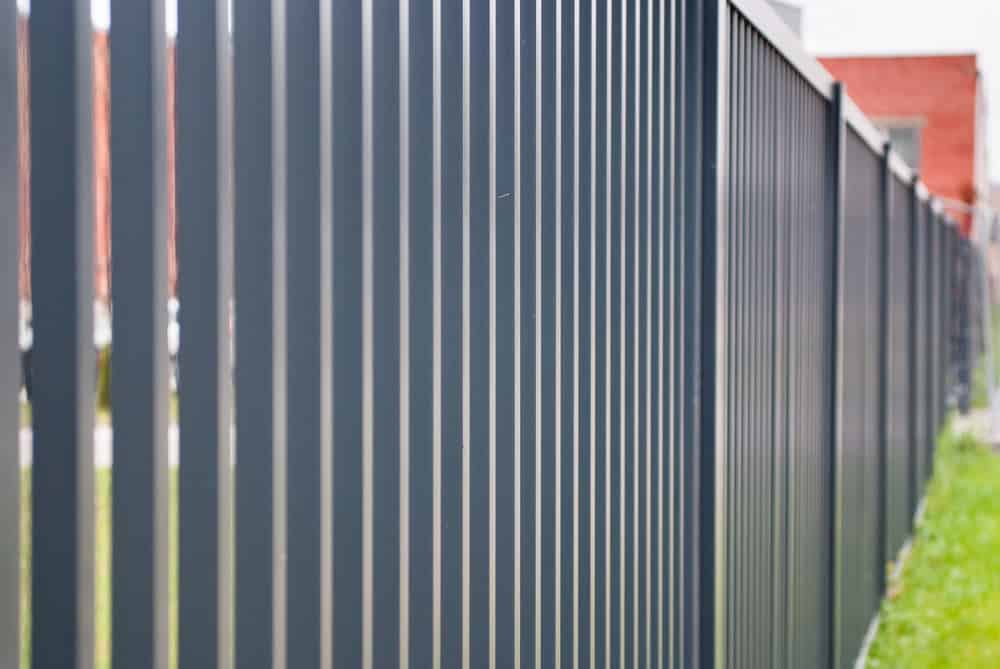
Ready to get started?
You’re getting commercial-grade aluminum that’s powder-coated for extra protection against Florida’s UV exposure and moisture. The coating won’t chip easily, but if it ever does, manufacturers provide touch-up paint that blends seamlessly.
All posts, rails, and pickets are included, along with self-closing hinges and lockable latches on gates. We install everything to meet local building codes and HOA requirements if applicable. For Astatula properties near water or in flood zones, we adjust installation depth and use corrosion-resistant hardware that holds up in high-moisture areas.
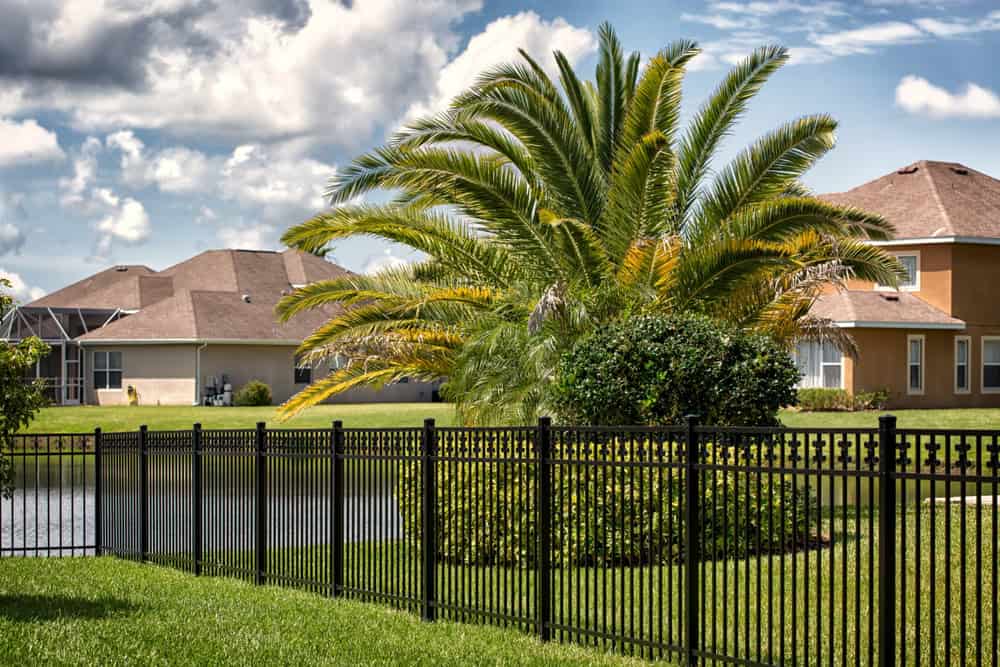
Your fence comes with a manufacturer’s warranty on materials—typically 20 years to lifetime depending on the product line. Our installation work is backed by our own guarantee. If something shifts or loosens within the first year due to installation error, we come back and fix it at no charge. You also get style options that fit Astatula’s mix of older Florida homes and newer developments: traditional picket, ornamental spear-top, flat-top contemporary, or decorative scrollwork that mimics wrought iron.
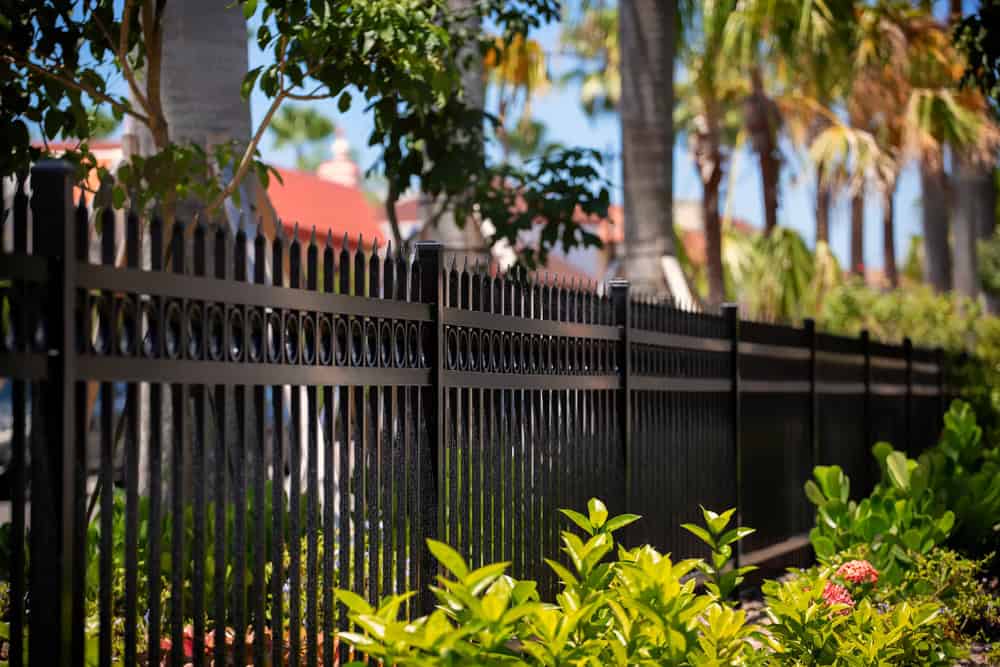
Most residential aluminum fence installations in Astatula run between $25 and $45 per linear foot, depending on height, style, and site conditions. A standard 100-foot perimeter costs roughly $2,500 to $4,500 in materials and labor combined.
The price changes based on what you’re fencing. A simple four-foot flat-top around a backyard costs less than a six-foot ornamental fence with decorative finials and arched gates. Properties with slopes, rocky soil, or tight access for equipment add to labor time, which affects the final number.
We give you transparent pricing upfront after measuring your property. No surprise charges later for “unforeseen conditions” that should’ve been spotted during the estimate. You’ll know exactly what you’re paying before we start digging.
Aluminum doesn’t rust, which makes it one of the best materials for Florida’s year-round humidity and afternoon rainstorms. Unlike steel or wrought iron, aluminum won’t corrode even when constantly exposed to moisture or salt air from nearby lakes.
During storm season, aluminum’s lightweight design actually works in your favor. It flexes slightly under high winds instead of snapping like rigid materials. The open picket design lets wind pass through rather than creating a solid barrier that catches gusts and pulls posts out of the ground.
We anchor posts deep enough to handle Central Florida’s sandy soil and seasonal saturation. Concrete footings extend below the frost line—which doesn’t matter much here—but more importantly, they go deep enough to stay stable when the ground gets waterlogged during heavy rains. Your fence isn’t going anywhere.
Almost none. Spray it down with a garden hose two or three times a year to remove pollen, dirt, and cobwebs. That’s it.
You won’t repaint, reseal, or treat aluminum like you do with wood. The powder-coat finish is baked on during manufacturing, so it doesn’t peel or fade the way surface paint does. If you ever get a scratch from a lawnmower or falling branch, manufacturers sell small touch-up paint bottles that match your fence color exactly.
Check gate hinges once a year to make sure they’re still tight. A quick spray of lubricant keeps them swinging smoothly. That’s the extent of upkeep. Compare that to wood fences that need restaining every two to three years, or chain link that rusts and sags. Aluminum saves you time and money over the decades you’ll own it.
Yes. Ornamental aluminum fencing is designed specifically to mimic the look of traditional wrought iron—decorative scrollwork, spear-point finials, arched gates—without the weight, cost, or rust issues.
You get the same elegant appearance that adds curb appeal and property value, but at a fraction of the price. Wrought iron installations often cost double or triple what aluminum runs, and iron requires regular maintenance to prevent rust. Aluminum gives you the aesthetic without the headaches.
We carry several ornamental styles that work well with Astatula’s mix of classic Florida architecture and newer builds. You can choose different picket spacing, add decorative rings or collars on posts, and select from black, bronze, or white finishes. The end result looks high-end without the high-end maintenance schedule.
Most likely, yes. Lake County requires permits for fence installations in Astatula, especially if your fence exceeds a certain height or sits near property lines. The exact requirements depend on your lot’s zoning and whether you’re in city limits or unincorporated county land.
We handle permit applications as part of the installation process. That includes submitting site plans, verifying setback distances from property lines, and making sure your fence design meets local codes. If you’re in an HOA community, we also help navigate their approval process, which sometimes has stricter rules about fence height, color, and style than county regulations.
Skipping permits causes problems down the road. If you sell your property, unpermitted work shows up during inspections and can delay or kill the sale. Neighbors can also file complaints that force you to remove non-compliant fencing. We make sure everything’s done legally from the start so you don’t deal with those issues later.
Fifty years or more with minimal maintenance. Aluminum doesn’t rot, rust, or degrade the way organic materials do. The powder-coat finish protects against UV damage and moisture, which are the two biggest threats to fencing in Florida’s climate.
Compare that to wood privacy fences that last 10 to 15 years before needing major repairs or full replacement. Even pressure-treated wood eventually succumbs to termites, rot, and constant moisture exposure. Vinyl can last 20 to 30 years but becomes brittle over time and cracks under impact.
Aluminum keeps its structural integrity and appearance for decades. The initial cost might run higher than chain link or basic wood, but you’re not replacing it every 10 years. That long-term durability makes aluminum one of the most cost-effective fencing choices when you calculate total ownership over the fence’s lifetime.
Other Services we provide in Astatula