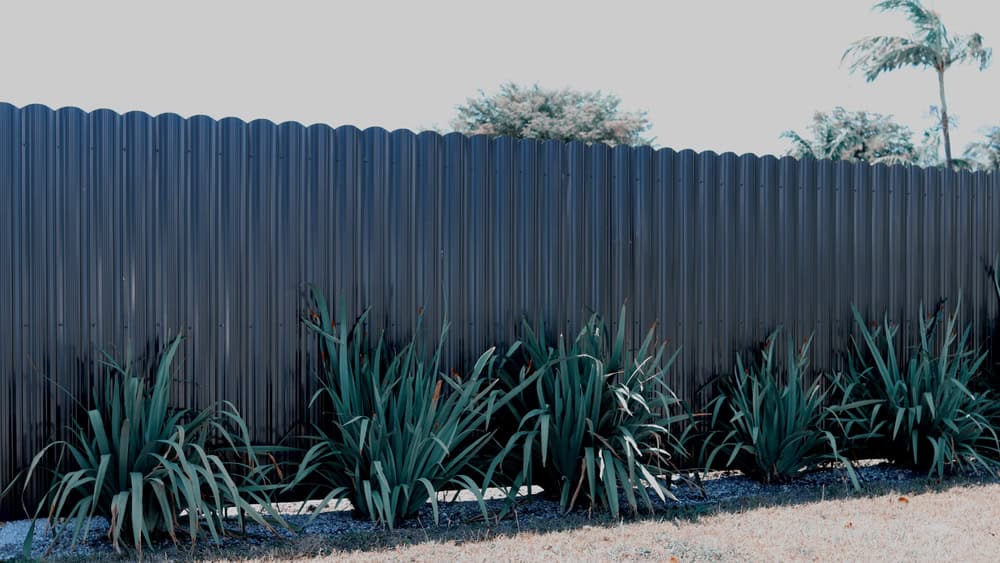
You get a fence that doesn’t fight Florida’s climate. No rust creeping up the posts after two summers. No wood rot from humidity that never quits. No repainting every few years because the sun baked the finish off.
Aluminum fencing handles the heat, the moisture, and the occasional hurricane without falling apart. It’s built to meet pool safety codes right out of the gate, so you’re not scrambling to fix compliance issues later. And when your neighbors are scrubbing mildew off wood or replacing vinyl panels that cracked, you’re rinsing yours off with a hose twice a year.
The return is straightforward. Less time maintaining it. Less money replacing it. More years getting exactly what you paid for. That’s the difference between choosing a material that works with Florida’s conditions instead of against them.
We work across Central Florida, and we’ve seen what happens when fences aren’t built for this climate. Wood splits. Vinyl warps. Chain link rusts. Audubon Park homeowners know the drill—your property values are high, your standards are higher, and a fence that looks tired after three years doesn’t cut it.
We install residential aluminum fences using materials that actually hold up. Our crews know the local codes, the soil conditions, and how to anchor a fence so it doesn’t shift when the ground gets saturated. We’re not cutting corners to hit a price point.
Audubon Park’s midcentury homes deserve fencing that complements the aesthetic, not cheapens it. That’s why we focus on clean lines, proper spacing, and installations that look as good in year ten as they did on day one.
First, we come out and assess your property. We’re looking at your lot lines, any grade changes, where utilities run, and what your goals are—pool safety, privacy, curb appeal, or all three. You tell us what matters, and we map out a plan that works.
Next, we handle permits and HOA requirements if needed. Audubon Park has standards, and we make sure your custom aluminum fence meets them before we dig the first post hole. No surprises halfway through the job.
Then we install. Posts get set in concrete, panels get leveled and secured, gates get hung and tested. Our crews move fast but don’t skip steps. Most residential aluminum fence installations wrap up in a few days, depending on the size of your property. You’re not waiting weeks for a finished product.
After installation, we walk the fence line with you. We check the gates, confirm everything’s level and secure, and make sure you’re clear on care—which, with aluminum, is almost nothing.
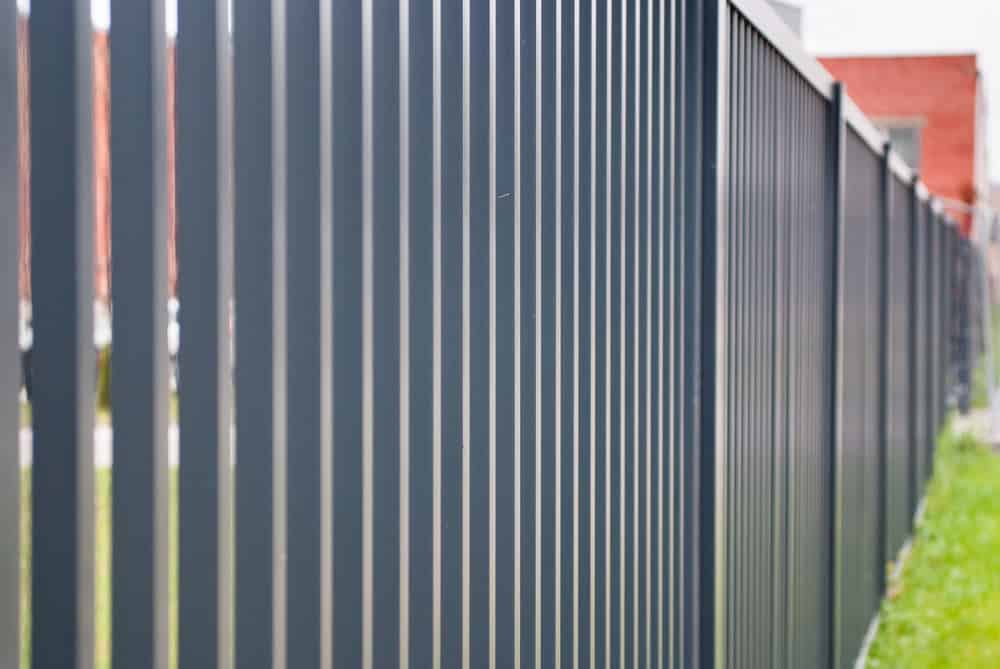
Ready to get started?
You’re getting powder-coated aluminum that resists corrosion and UV damage. The finish won’t peel or fade the way paint does on wood or metal. It’s designed to handle Florida’s humidity, salt air if you’re near the coast, and the kind of sun exposure that destroys lesser materials.
Your fence comes with matching gates—built to the same specs, same finish, same hardware. We’re not mixing materials or using cheaper components to save a few bucks. Everything’s designed to work together and last together.
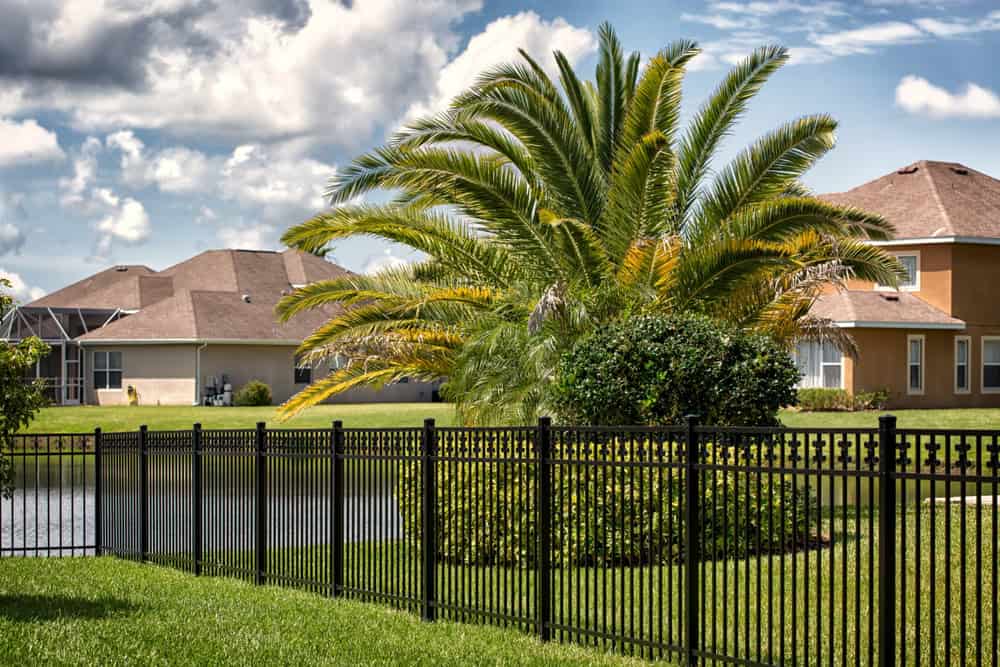
In Audubon Park, pool fencing is a big part of what we do. Florida law requires barriers at least 48 inches tall with specific spacing and latch requirements. Aluminum fences meet those codes naturally. The material is strong, the visibility is clear, and the gates lock securely without complicated add-ons.
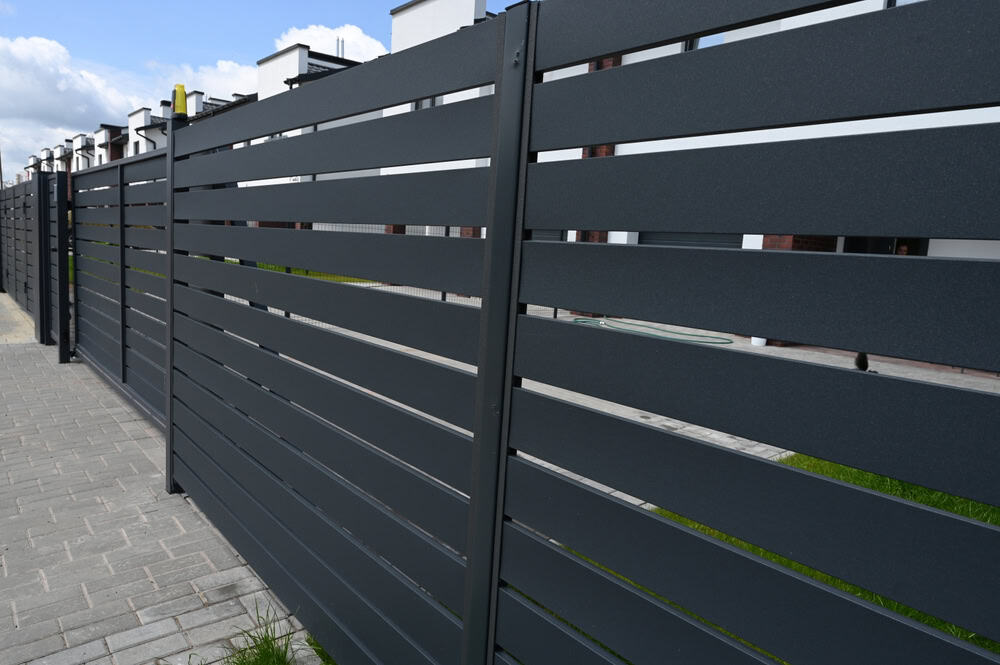
We also offer custom aluminum fence designs if you want something beyond the standard picket style. Decorative tops, varied heights, color options—it’s your property, and the fence should fit it.
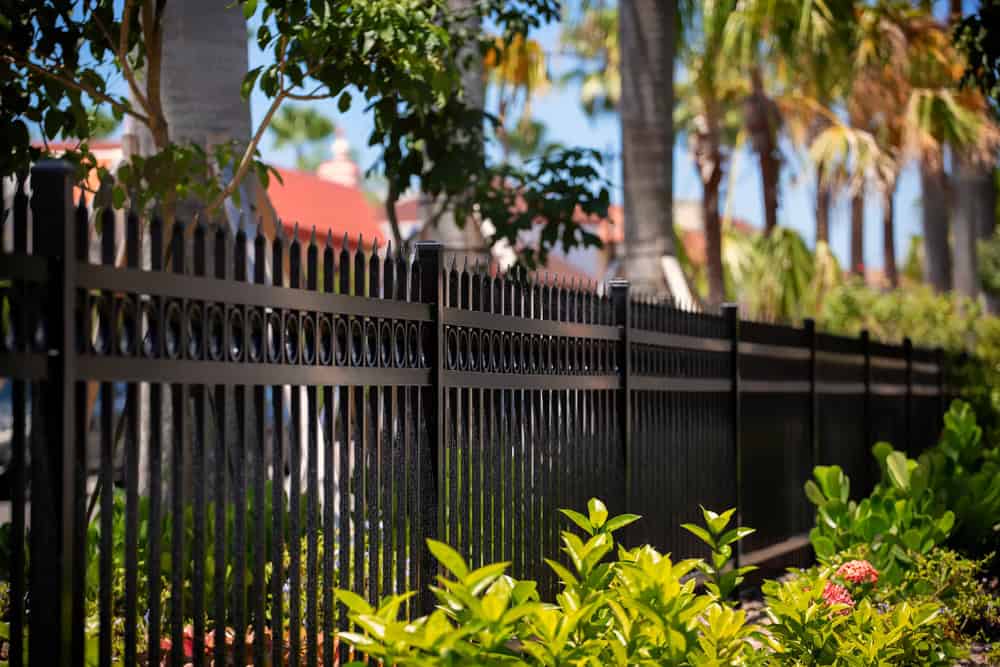
Aluminum fences last 50 years or more in Florida if they’re installed correctly. The material doesn’t rust, so humidity and rain don’t break it down the way they do with steel or iron. It doesn’t rot like wood or crack like vinyl when temperatures swing.
The powder coating protects the aluminum from UV damage, which is the main threat in Florida. Cheaper finishes fade and chalk over time, but a quality powder coat holds its color and integrity for decades. You’re not looking at touch-ups or refinishing.
What kills fences in Florida is usually poor installation—posts that aren’t set deep enough, panels that aren’t secured properly, or materials that weren’t meant for this climate in the first place. Aluminum handles the environment. The installation determines whether it actually lasts.
Almost none. You’ll rinse it with a hose a few times a year to clear pollen, dirt, and debris. That’s it. No staining, no sealing, no repainting, no treating for pests.
Wood fences need waterproofing every couple of years and constant vigilance against termites and rot. Vinyl needs cleaning to prevent mildew buildup in the humidity. Aluminum just sits there and does its job without demanding your time.
If a panel gets damaged—say, from a falling branch during a storm—you can replace that section without redoing the whole fence. But under normal conditions, you’re not maintaining it. You’re ignoring it, and it keeps performing.
Yes. A well-installed aluminum fence typically returns 30 to 70 percent of the installation cost when you sell, and it makes your property more attractive to buyers who don’t want to deal with fence repairs or replacements right after moving in.
Audubon Park home values range from $350,000 to over $700,000, and buyers in that market expect quality. A fence that looks sharp, functions properly, and doesn’t need work is a selling point. A fence that’s rusting, sagging, or rotting is a liability.
Aluminum fencing also signals that the property has been maintained. It’s a visible upgrade that doesn’t scream “cheap fix.” Buyers notice that, especially when they’re comparing homes in the same neighborhood.
Yes, if it’s installed properly. Aluminum is lightweight but strong, and it flexes slightly under pressure instead of snapping like wood or shattering like some vinyl. That flexibility actually helps it survive high winds.
The key is installation. Posts need to be set deep in concrete—at least two feet, sometimes more depending on soil conditions and fence height. Panels need to be secured with quality hardware that won’t strip or fail under stress. Corners and gates need extra reinforcement.
We’ve installed aluminum fences across Central Florida, and the ones that make it through storms are the ones that were built right from the start. Cutting corners on post depth or using substandard materials is where failures happen. The material can handle the wind. The installation has to support it.
Aluminum costs more upfront than chain link or basic wood, but less than wrought iron or premium vinyl. You’re looking at around $25 to $45 per linear foot installed, depending on height, style, and site conditions.
The difference shows up over time. Wood needs maintenance that costs money and time—staining, sealing, repairs, eventual replacement. Vinyl can crack in Florida’s heat and needs panel replacements. Chain link rusts and looks worn faster. Aluminum just keeps going without additional investment.
When you factor in 50-plus years of use with almost zero maintenance, the cost per year is lower than cheaper materials that need constant attention. You’re paying once for a fence that lasts, not paying less now and more later.
Yes. Florida law requires pool barriers to be at least 48 inches tall with gaps no larger than four inches to prevent small children from squeezing through. Aluminum fences are built to those specs as standard, and gates come with self-closing, self-latching hardware that meets code.
The material itself is ideal for pool fencing because it doesn’t absorb water, won’t rust from pool chemicals or splashing, and provides clear visibility so you can see the pool area from outside the fence. That visibility is both a safety feature and a legal requirement in many cases.
We install pool fencing in Audubon Park regularly, and we handle the permit process to make sure everything’s compliant before the fence goes up. You’re not guessing whether it meets code or waiting for an inspector to tell you it doesn’t. It’s built right the first time.
Other Services we provide in Audubon Park