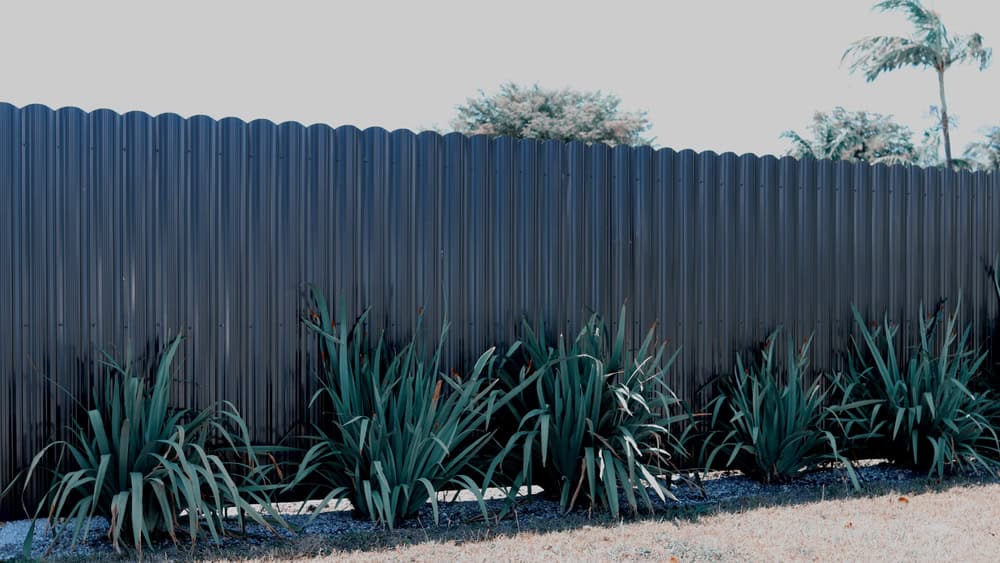
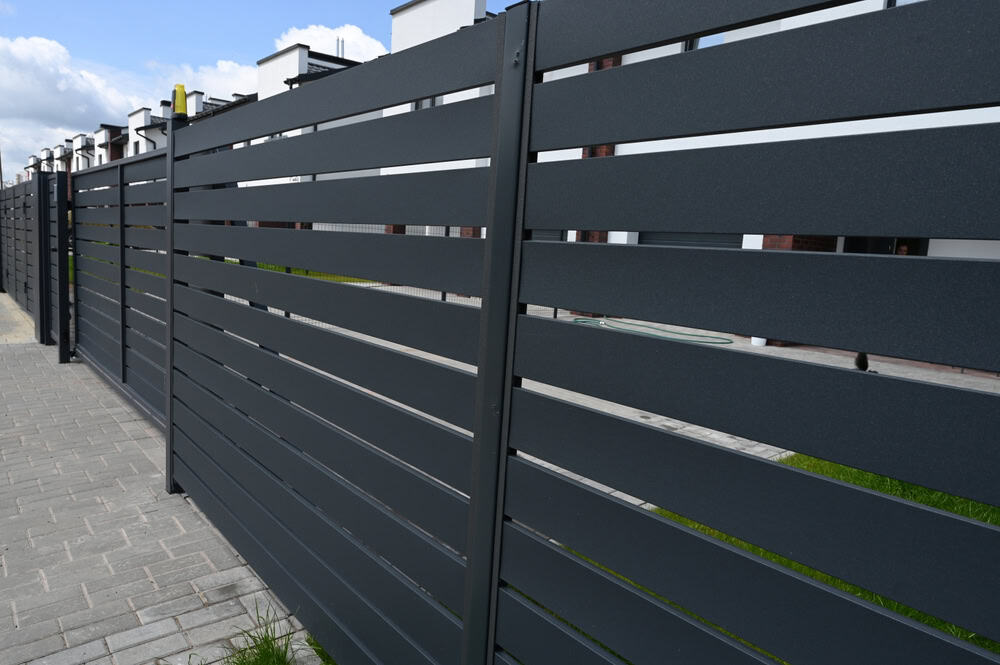
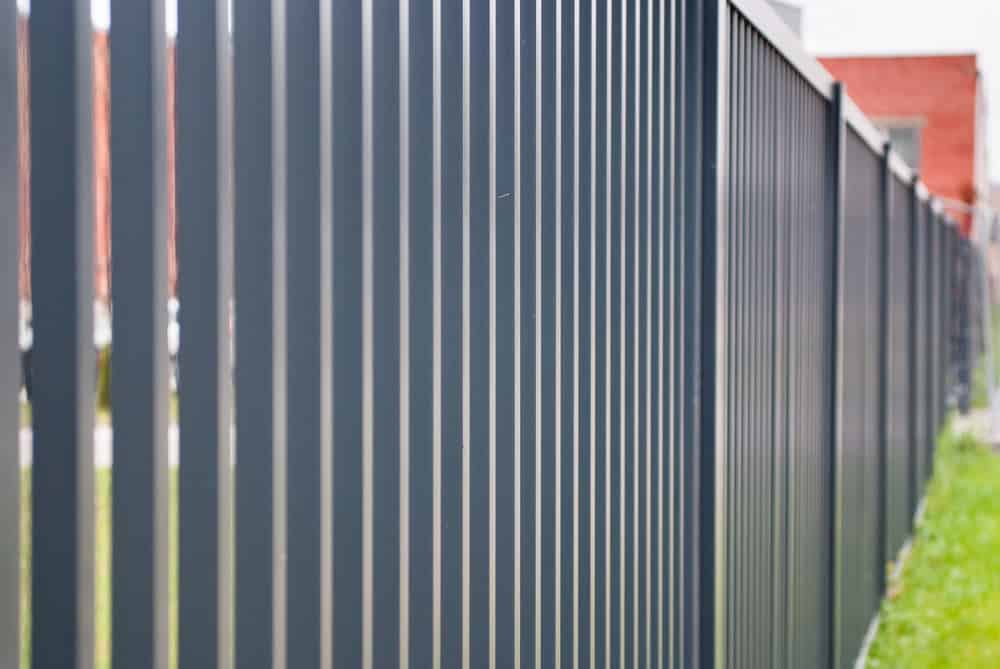
You’re not repainting every few years. You’re not replacing rotted boards or dealing with warped panels after a summer storm. Aluminum fencing holds up in Florida’s climate because it doesn’t rust, warp, or fade the way wood and chain link do.
That matters in Eagles Nest, where humidity sits heavy most of the year and afternoon storms roll through without warning. Your fence stays intact. It keeps kids and pets where they should be, adds a clean line to your property, and doesn’t become another item on your weekend to-do list.
If you’re installing a pool, aluminum meets Florida’s safety codes without looking like a cage. If you’re defining your yard, it does the job without requiring constant attention. You install it once, and it works for decades.
We serve Eagles Nest and the surrounding Central Florida counties—Lake, Orange, Seminole, Brevard, Volusia, Osceola, Polk, Sumter, and Marion. We’ve been installing residential and commercial fences long enough to know what holds up here and what doesn’t.
We use quality aluminum materials, handle the permit process in Orange County, and show up when we say we will. No hidden costs. No dragging out timelines. You get a fence that’s installed right, meets local codes, and lasts.
Eagles Nest has a lot of young families and homeowners who care about their properties. We work with that in mind—quick installation, minimal disruption, and fencing that actually adds value when it matters.
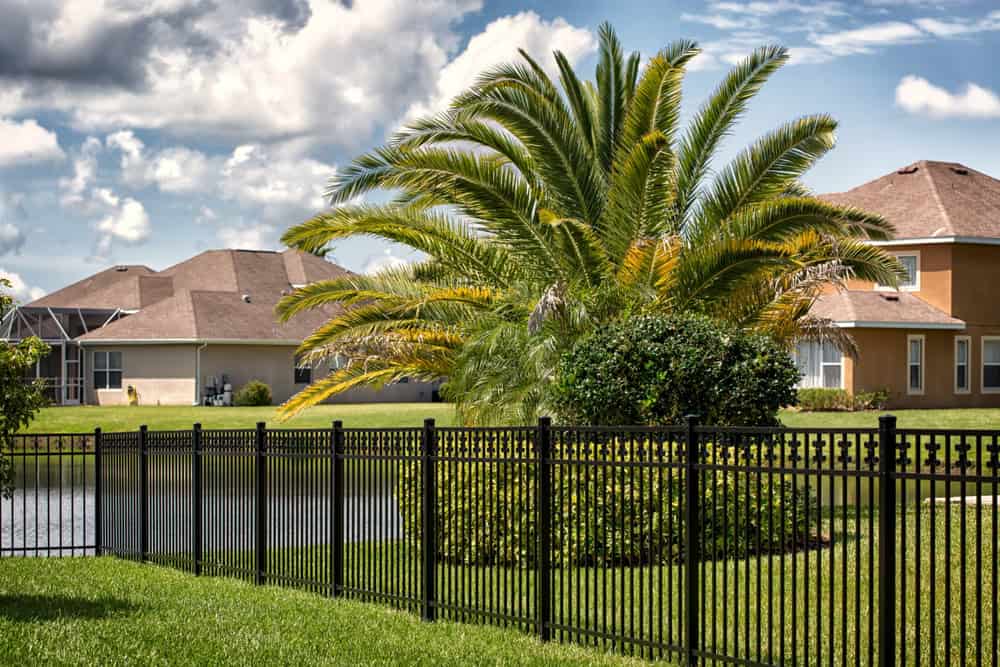
First, we come out to your property and measure. We talk about what you need—pool code compliance, privacy, boundary marking, pet containment—and walk the area to check for any site issues. You’ll get transparent pricing based on linear footage and the style you choose.
Once you approve, we handle the permit if your project requires one. In Orange County, most new fence installations do. We submit everything, wait for approval, and schedule your install date.
On install day, we mark post locations, dig, set posts in concrete, and let them cure. Then we attach the aluminum panels or pickets, check for level, and make sure gates swing properly. The whole process typically takes one to three days depending on the size of your yard.
After that, you’re done. No sealing. No staining. The fence is ready to go, and it’ll stay that way for 50 years or more with zero maintenance.
Ready to get started?
You’re getting rust-resistant aluminum that’s powder-coated to handle Florida’s sun and moisture. The material won’t corrode in Eagles Nest’s humid climate, and it won’t need repainting. Most installs come with a limited lifetime warranty on the materials.
We install residential fences for privacy, pool safety, and property boundaries. If you need a four-foot barrier around your pool, we’ll make sure it meets Florida’s code requirements—no gaps, self-closing gates, proper latch height. If you’re fencing your yard, we’ll match the style to your home and keep sight lines open or closed depending on what you want.
Eagles Nest has a median home value around $189,000, and aluminum fencing typically returns up to 65% of the cost when you sell. That’s higher than most fence types because buyers see it as low-maintenance and durable. For families with kids or pets—and 33% of households here have children—aluminum provides a reliable barrier without the upkeep burden of wood.
We also work with HOA guidelines if your neighborhood has them. You tell us the restrictions, and we’ll design within those limits.
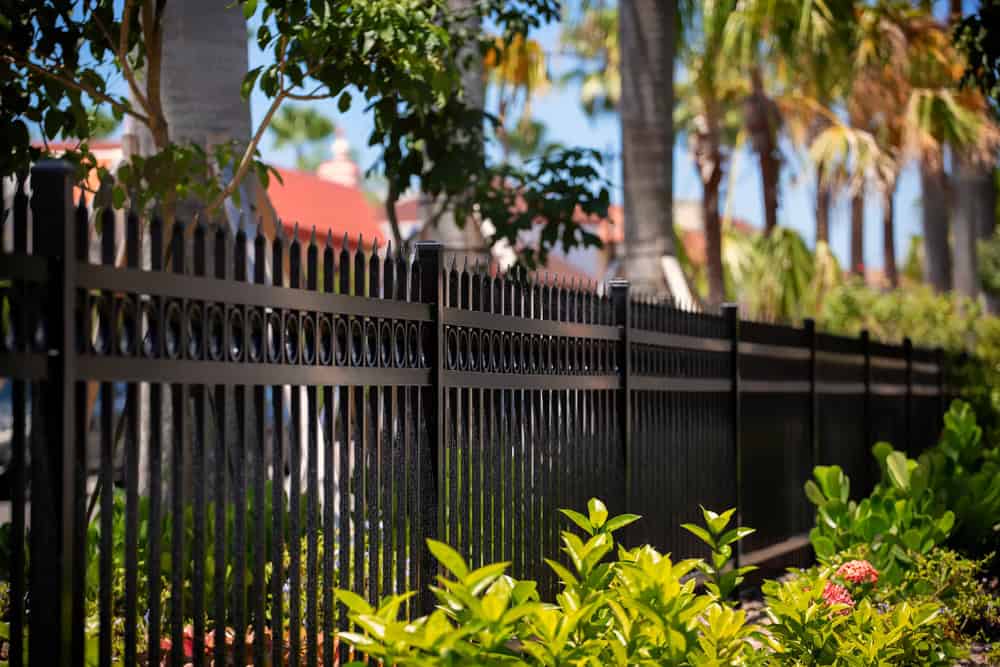
Aluminum fencing in Eagles Nest typically runs between $25 and $45 per linear foot, depending on the height, style, and whether you need gates. A standard residential project—say, 150 linear feet around a backyard—usually falls between $3,750 and $6,750 installed.
That’s more upfront than chain link or basic wood, but you’re not repainting it in three years or replacing boards after a storm. Over the life of the fence, aluminum costs less because there’s no maintenance. You’re also adding value to your property—aluminum fences return up to 65% of the investment when you sell, which is higher than most other fence types.
If you’re installing around a pool, expect to stay on the higher end of that range because of the code requirements. Florida mandates a four-foot barrier with no climbable gaps and self-closing gates. We handle all of that in the install, and it’s included in the quote we give you upfront.
No. Aluminum doesn’t rust because it doesn’t contain iron. That’s the main reason it works so well in Florida, where humidity and rain would destroy untreated steel or iron fencing in a few years.
What you’re getting is powder-coated aluminum that’s designed to resist corrosion even in coastal areas with salt air. Eagles Nest sits inland, so you’re dealing with humidity and storms but not the salt exposure that coastal properties face. Even so, aluminum handles it without breaking down.
Wood rots. Chain link rusts at the joints. Aluminum just sits there and does its job. You’ll see some dirt buildup or pollen over time, but a hose takes care of that. The material itself doesn’t degrade, warp, or weaken. That’s why aluminum fences last 50 years or more in Florida without needing replacement.
Most likely, yes. Eagles Nest is in Orange County, and the county typically requires permits for new fence installations—especially if the fence is over six feet tall or if it’s around a pool.
We handle the permit process as part of the installation. You don’t need to go to the county office or figure out the paperwork. We submit everything, wait for approval, and schedule the install once it clears. The permit ensures your fence meets local building codes and setback requirements, which protects you if you ever sell the property.
If your neighborhood has an HOA, you’ll also need to follow their guidelines on fence height, color, and style. We work with HOA rules regularly and can design your fence to meet those requirements. It’s easier to get approval upfront than to deal with violations later, and we make sure everything’s compliant before we start digging.
Most residential aluminum fence installations take one to three days, depending on the size of your property and whether we’re working around obstacles like trees, slopes, or existing structures.
Day one is usually post installation. We mark locations, dig holes, set posts in concrete, and let them cure. If your yard is straightforward and the weather cooperates, we can often move to panel installation the same day. If the ground is rocky or we’re dealing with a larger project, we’ll come back the next day once the posts are set.
Panel and gate installation happens next. We attach the aluminum sections, level everything, install gates, and make sure latches work properly. Then we clean up and walk the fence line with you to confirm everything’s right.
The timeline can stretch if we’re waiting on a permit or if rain delays the work, but we keep you updated. Once we start, we work efficiently to minimize disruption to your property and get the fence functional as quickly as possible.
Yes. Aluminum fencing typically returns up to 65% of the installation cost when you sell your home, which is higher than most fence types. Buyers see it as low-maintenance and durable, and it adds curb appeal without looking like it’ll need work in a few years.
In Eagles Nest, where the median home value is around $189,000 and many homeowners are young families, a well-installed fence signals that the property is move-in ready. If you have a pool, the fence also shows that you’ve met Florida’s safety requirements, which is one less thing a buyer has to worry about.
Aluminum fences also help define property lines clearly, which matters in neighborhoods where lots are close together. That clarity can prevent boundary disputes and makes the yard feel more intentional. You’re not just adding a fence—you’re improving the overall presentation of the property in a way that buyers notice and value.
Aluminum is stronger and holds up better in high winds, which matters during hurricane season. Vinyl can crack under impact or extreme temperature swings, and once it cracks, you’re replacing entire sections. Aluminum bends under extreme force but doesn’t shatter, and it’s easier to repair if something does go wrong.
Vinyl offers more privacy because the panels are solid, while most aluminum fences have pickets or rails with space between them. If privacy is your main goal, vinyl or a privacy-style aluminum fence with closer pickets might make more sense. But if you want airflow, visibility, or a fence around a pool, aluminum is the better choice.
Cost-wise, they’re similar upfront—both fall in the $25 to $45 per linear foot range. Long-term, aluminum lasts longer without fading or becoming brittle. Vinyl can discolor over time in Florida’s sun, especially darker colors. Aluminum’s powder coating holds its color for decades without needing touch-ups. Both are low-maintenance, but aluminum gives you more durability and longevity in Florida’s climate.
Other Services we provide in Eagles Nest