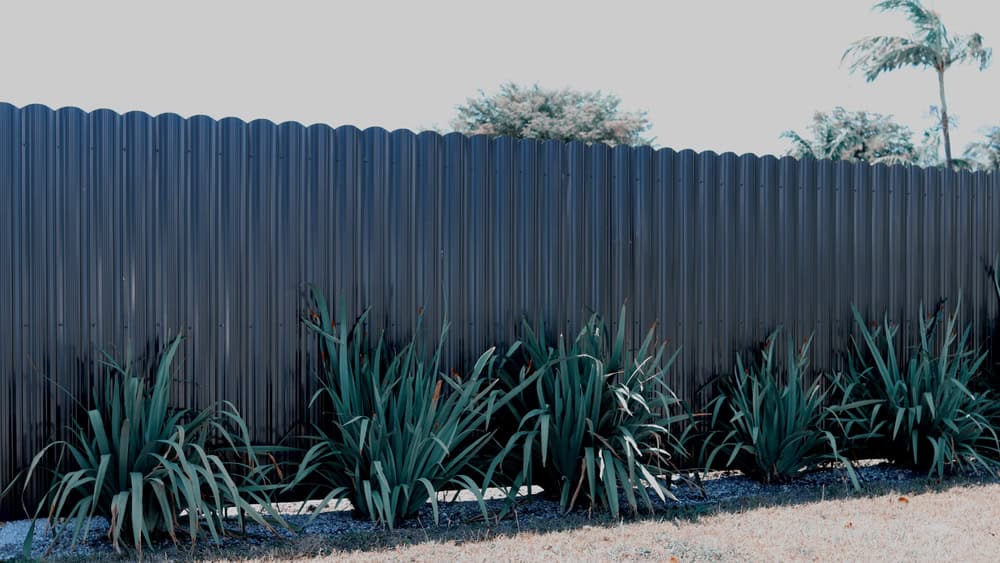
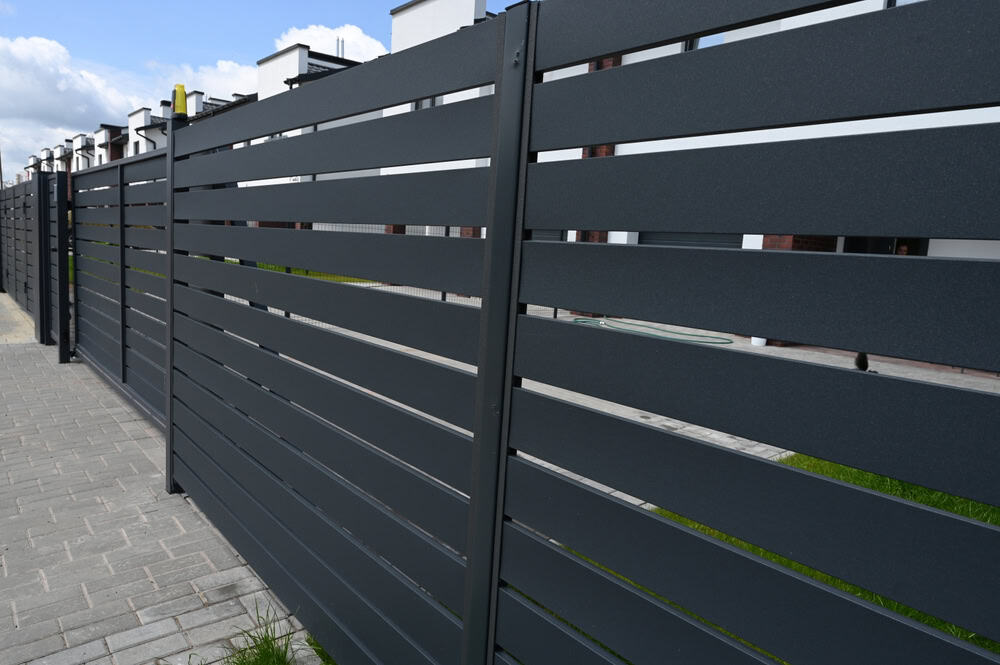
Your fence shouldn’t create work. Aluminum doesn’t warp in Florida Hills humidity, doesn’t rust when the afternoon storms roll through, and doesn’t need annual treatments to stay looking sharp.
You get a clean property line that holds up for 50+ years without asking anything of you. No scraping. No sealing. No repainting every few summers because the sun cooked the finish off.
It’s the fence you install once and forget about—except when neighbors ask who did the work. Pool codes get met without the back-and-forth. Wind resistance is built in, not something you worry about when hurricane season starts. And if you’re in an HOA community around Florida Hills, the clean lines and custom color options usually sail through approval without the headache.
We’ve been handling residential aluminum fence installation in Florida Hills and across Central Florida since 2004. We brought the same approach that earned recognition in Atlanta—straight pricing, quality materials, and installations that don’t drag on for weeks.
We’re licensed, bonded, and insured across Lake, Orange, Seminole, Brevard, Volusia, Osceola, Polk, Sumter, and Marion counties. That means we know the local codes, the HOA requirements in your area, and exactly what it takes to get permits approved without delays.
You’re not getting a crew that learned fencing last month. You’re getting installers who’ve worked through Florida’s climate challenges long enough to know what actually lasts and what falls apart after the first hurricane season.
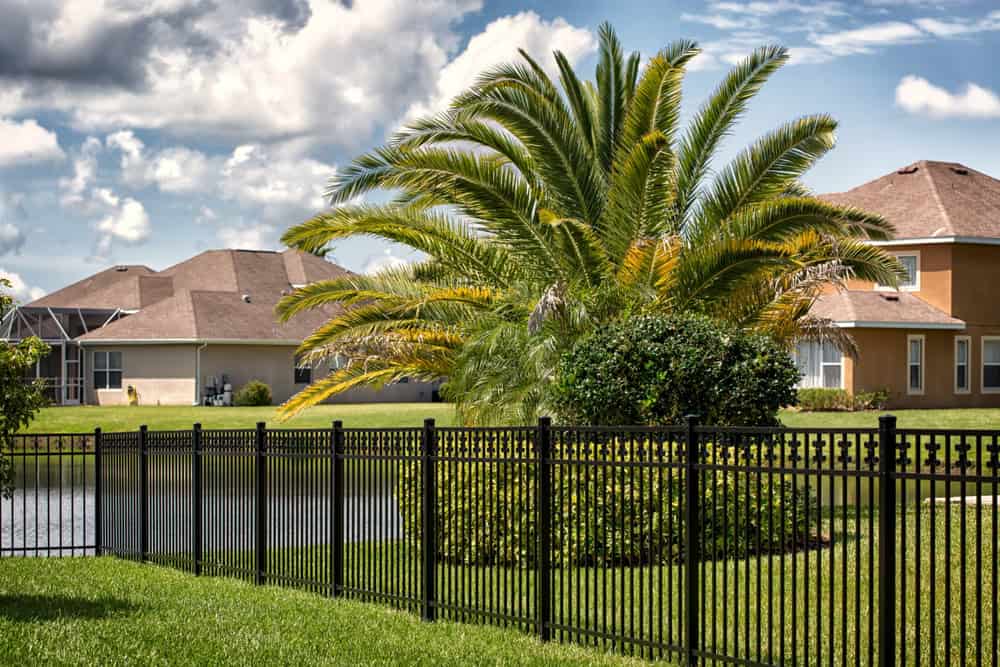
We start with a site visit to your Florida Hills property. We measure, check for drainage issues or grade changes, and talk through what you actually need—pool safety, privacy, decorative curb appeal, or a combination.
You get transparent pricing upfront. No hidden costs show up later. We handle the permit process and any HOA submissions if that applies to your neighborhood.
Installation typically wraps up fast. We’re not tearing up your yard for weeks. Posts go in, panels get secured, gates get hung and tested. Everything gets checked for level and proper spacing before we consider it done.
You do a final walkthrough with us. If something’s not right, we fix it then—not after you’ve called three times. The fence either meets the standard or we stay until it does.
Ready to get started?
Every aluminum fence installation in Florida Hills includes rust-resistant materials designed specifically for Florida’s climate. You’re not getting generic metal that corrodes the first time salt air or humidity hits it.
Pool fencing meets Chapter 515 of Florida Statutes—the Residential Swimming Pool Safety Act. Gates self-close and self-latch. Spacing between pickets stays within code. Height requirements get met without guesswork. This matters in Florida Hills because drowning remains the leading cause of accidental death for young children in Florida, and your fence is often the last line of defense.
Wind resistance is engineered into the design. Pickets are spaced to let wind pass through rather than creating a sail that rips out of the ground during storms. We’ve seen too many privacy fences across Central Florida get shredded in hurricanes while aluminum installations stay standing.
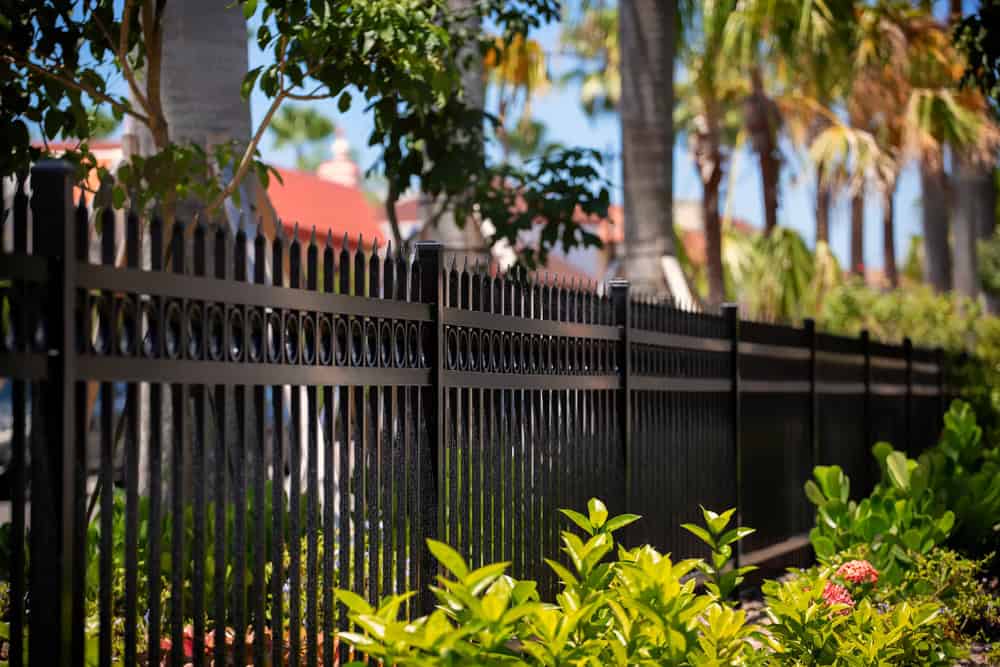
You choose from multiple colors and styles—classic black, bronze, white, or custom ornamental options with finials and scrollwork if that fits your home’s look. Most installations come with manufacturer warranties covering materials, and our workmanship is backed by our own guarantee.
Aluminum fencing lasts 50 years or more in Florida Hills, even with the humidity and seasonal storms. The material doesn’t rust because it naturally resists corrosion—there’s no coating that wears off and exposes bare metal underneath.
Wood fences in this climate start rotting within 10-15 years, sometimes sooner if they’re not maintained religiously. Vinyl can crack under UV exposure and impact. Aluminum handles the heat, the moisture, and the occasional branch that comes down during a storm without deteriorating.
You’re not replacing sections every few years. The fence you install now is the same fence that’s standing when you sell the property decades later. That longevity is why aluminum adds more to resale value than materials that need constant replacement.
Yes, aluminum fencing meets Florida pool safety requirements when installed correctly. Chapter 515 of the Florida Statutes requires barriers around residential pools, and aluminum is one of the most common materials used because it checks every box.
The fence needs to be at least 4 feet high with no gaps larger than 4 inches between pickets. Gates must be self-closing and self-latching, with the latch positioned out of reach of small children. Aluminum systems are designed with these features built in—you’re not retrofitting hardware or hoping it passes inspection.
We handle the installation to meet those codes in Florida Hills from the start. That means proper height, correct spacing, compliant gate mechanisms, and placement that doesn’t create climbable access points. Pool safety isn’t something to guess at, and aluminum gives you a code-compliant solution that also looks good and lasts.
Aluminum fence installation in Florida Hills typically runs between $25 and $45 per linear foot, depending on height, style, and site conditions. A standard residential project averages around $3,600, but that number moves based on what you’re fencing and any customization you add.
Pool fencing with self-closing gates costs more than a simple property line fence. Ornamental styles with decorative finials or scrollwork add to the price. Terrain that requires extra grading or concrete work also affects the total.
We give you transparent pricing after the site visit—no surprises later. You’ll know what the materials cost, what labor runs, and what any permits or HOA submissions add. The upfront cost is higher than chain link, but you’re not repainting it every few years or replacing rotted sections. Over the fence’s 50+ year lifespan, aluminum ends up being the more cost-effective choice because maintenance and replacement costs stay at zero.
Aluminum fencing holds up better than most materials during Florida hurricane season because of how it’s designed. The pickets are spaced to let wind pass through rather than catching it like a solid panel would. That reduces the force trying to rip the fence out of the ground.
We’ve installed aluminum fences across Central Florida for over 20 years, and the properly installed ones consistently survive storms that destroy wood privacy fences and damage vinyl. The material itself is lightweight but strong—it flexes slightly under extreme wind rather than snapping.
Installation quality matters as much as the material. Posts need to be set deep enough with proper concrete footings. Panels need to be secured correctly. Gates need reinforced hardware. When those details are handled right, your aluminum fence in Florida Hills weathers hurricanes without becoming another insurance claim. And since insurance doesn’t always cover fence replacement after storms, installing something that actually survives is worth the investment.
Most aluminum fence installations in Florida Hills require a permit, especially if you’re enclosing a pool or building along a property line. Local building departments want to verify that height restrictions are followed, setbacks are respected, and pool barriers meet safety codes.
We handle the permit process as part of the installation. That includes submitting plans, coordinating inspections, and making sure everything is documented correctly. You’re not spending your time at the building department or figuring out what forms are needed.
If you’re in an HOA community—and many neighborhoods around Florida Hills are—you’ll also need architectural review board approval before installation starts. HOAs can and will make you tear down a fence that wasn’t approved first. We submit those applications with the right details and specifications so you get approval without the back-and-forth. Skipping permits or HOA approval might seem faster, but it creates expensive problems later when you try to sell or when someone reports the violation.
Aluminum fencing requires almost no maintenance in Florida. You might hose it down once or twice a year if pollen builds up or if you’re near the coast and want to rinse off salt spray. That’s it.
There’s no painting, no staining, no sealing, no treating for rot or rust. The finish is baked on during manufacturing and doesn’t chip or peel the way paint does on wood or metal. Even after years of Florida sun and humidity, the color stays consistent without fading into that washed-out look cheaper materials develop.
If a panel gets damaged—say a tree branch comes down during a storm—that section can be replaced without redoing the entire fence. But under normal conditions, the fence you install is the same fence that’s standing decades later without asking anything of you. That’s the advantage over wood, which demands attention every year, or wrought iron, which rusts in Florida’s climate no matter how much you try to prevent it.
Other Services we provide in Florida Hills