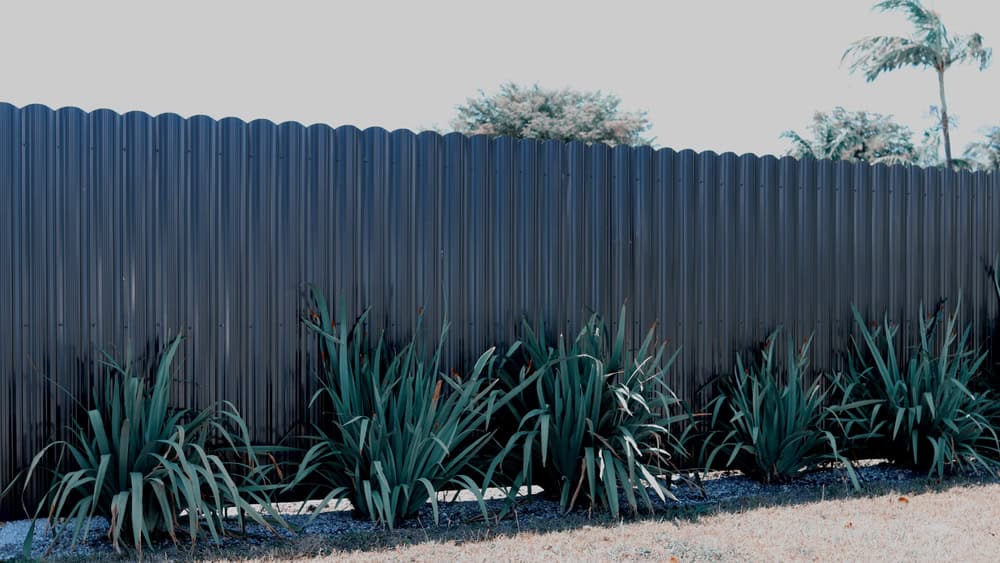
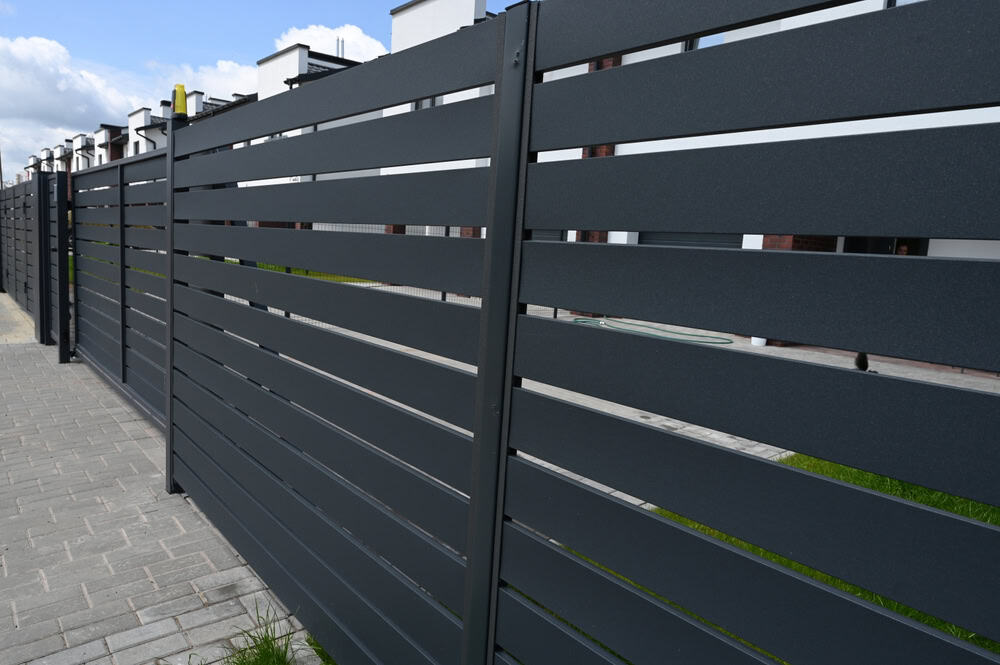
You get a fence that doesn’t demand your weekends. No painting. No staining. No rotting boards to replace after a heavy summer storm.
Aluminum fencing in Holden/Parramore holds up against humidity, rain, and heat without the constant upkeep that wood requires. That’s the point. You install it once, rinse it off a few times a year, and it’s done.
If you have a pool, you’re also dealing with Florida’s barrier requirements. Aluminum fences meet those codes while giving you clean sightlines and actual security. The posts go deep into concrete, which matters when hurricane season rolls around. This isn’t decorative—it’s structural, and it’s built to stay put.
We’ve been installing fences across Central Florida since 2004, with roots going back to 1992 in Atlanta. We’re licensed, bonded, and insured—which shouldn’t be rare, but it is.
Holden and Parramore sit in a seller’s market with homes built everywhere from the ’70s to last year. That means every property has different ground conditions, HOA rules, and layout challenges. We’ve handled all of it. Sandy soil that won’t hold posts without proper prep. Tight lot lines. Code compliance for pools. Architectural review boards that want three revisions before approval.
We’re not the cheapest option, and that’s intentional. You’re paying for posts set correctly the first time, materials that last decades, and installation that doesn’t leave you dealing with sagging gates two years later.
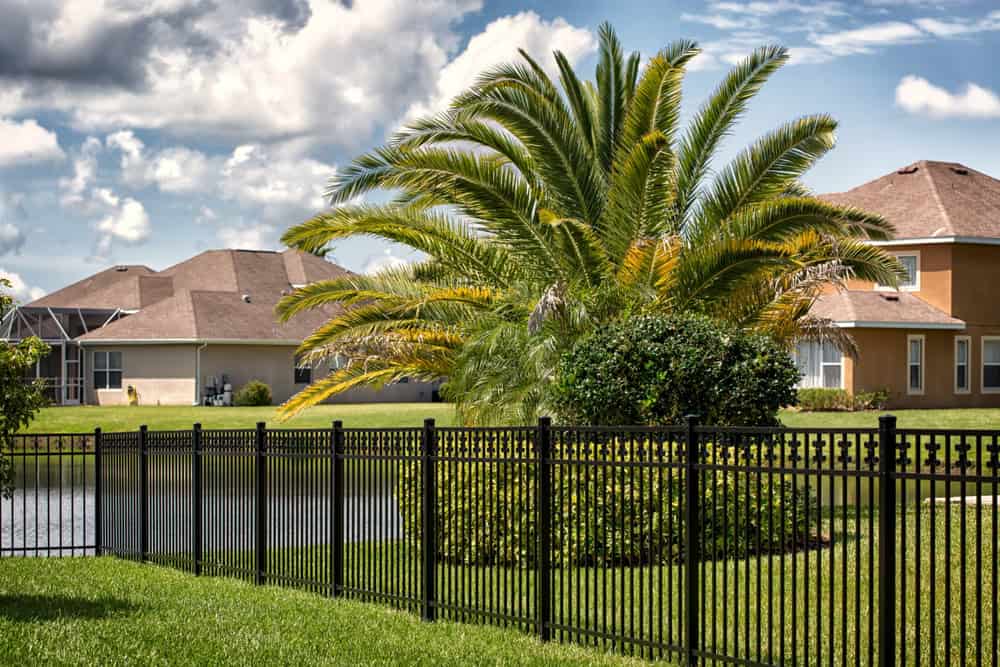
First, we come out to look at your property. We’re checking ground conditions, measuring the layout, and talking through what you actually need—not upselling you on features that don’t matter for your situation.
If you’re in an HOA, we help you navigate the approval process. That includes submitting the right drawings and specs so you don’t get stuck in revision limbo. Most Central Florida HOAs require pre-approval, and installing without it means you’re tearing it down and starting over.
Once permits and approvals are handled, we schedule the install. Posts get set in concrete—deep enough to handle Florida’s wind loads and ground conditions. Gates are hung level and adjusted so they actually swing the way they should. We’re not rushing to the next job while your fence is half-finished.
After installation, you’re looking at minimal maintenance. Rinse it off when it gets dusty. That’s it. No annual treatments, no repainting, no boards to replace when they warp.
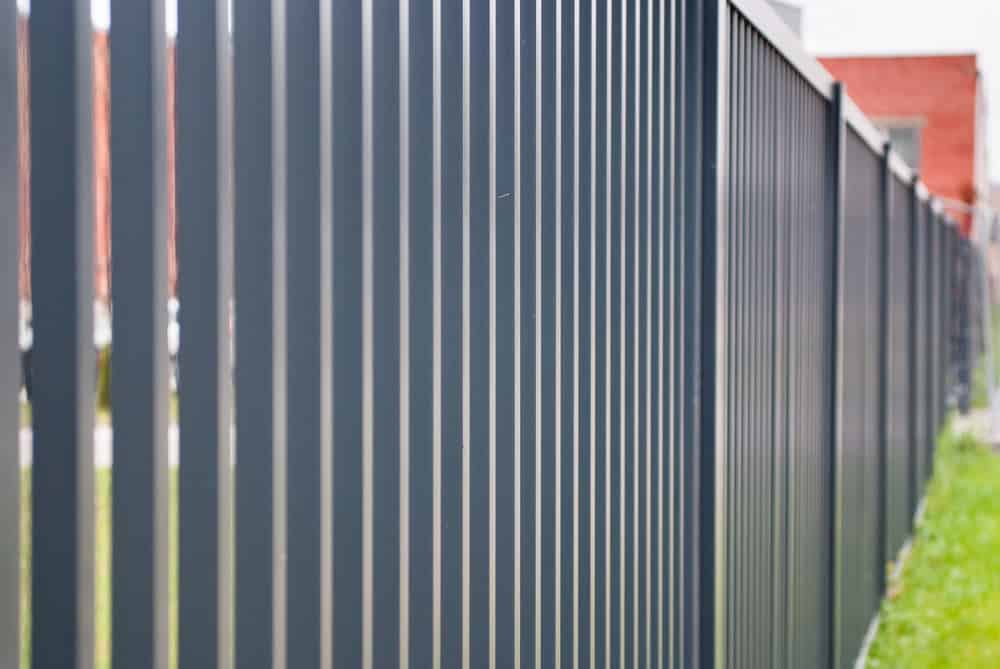
Ready to get started?
You’re getting aluminum fencing designed for Florida’s climate. That means rust-resistant materials, powder-coated finishes that hold up under UV exposure, and hardware that won’t corrode when the humidity spikes.
We handle permitting, which is required in most Central Florida cities before you can install a fence. We also coordinate with HOAs and architectural review boards if your neighborhood requires it. In areas like Holden and Parramore, where housing stock ranges from older homes to new construction, those requirements vary widely.
Custom aluminum fences can be adjusted for height, style, and color to match your property. If you need pool safety compliance, we build to Florida’s code requirements—minimum four-foot height, proper gate latches, and spacing that meets safety standards. If you’re fencing a larger residential property, we design the layout to handle slopes, corners, and access points without compromising structure.
Posts are set in concrete for stability, which is critical in Orlando’s sandy soil. Aluminum doesn’t give you natural footholds the way chain link does, so you’re getting better security along with the aesthetics.
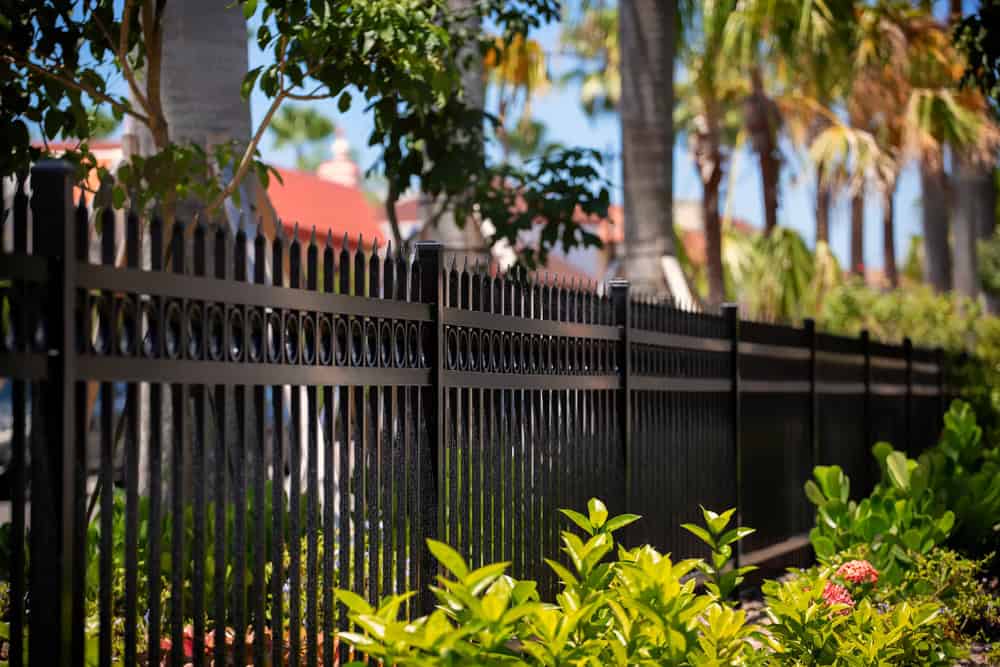
Most aluminum fences last 20 to 30 years or longer with minimal maintenance. The material doesn’t rust, warp, or rot the way wood and iron do, which is why it works well in Florida’s humid, rainy environment.
You’re not dealing with the same deterioration cycle you’d see with other materials. Wood fences start showing wear within a few years—boards warp, paint peels, and moisture causes rot. Aluminum skips all of that. The powder-coated finish resists fading under constant sun exposure, and the structure itself holds up through storms without the same risk of damage you’d see with lighter materials.
The longevity depends on proper installation. Posts need to be set deep in concrete to handle wind loads, especially during hurricane season. If the installation is done right, you’re looking at a fence that outlasts most other options without requiring ongoing investment in repairs or refinishing.
Yes, most cities in Central Florida require a permit before you install a fence. That includes Holden and Parramore. The permit process ensures your fence meets local codes, setback requirements, and safety standards—especially if you’re installing a pool barrier.
If you’re in an HOA, you’ll also need approval from the architectural review board before you start. That’s a separate process from the city permit, and it usually involves submitting drawings, material specs, and color samples. Installing without HOA approval can result in forced removal, which means you’re paying twice—once for the install and again for the teardown and reinstall.
We handle both the permitting and HOA coordination as part of the installation process. It’s not the exciting part, but it’s necessary. Skipping it creates bigger problems down the road, and most homeowners don’t realize how strict the requirements are until they’re already in violation.
Aluminum and wrought iron look similar, but aluminum costs significantly less and requires almost no maintenance. Wrought iron is heavier and more expensive, and it rusts over time—especially in Florida’s climate. Aluminum gives you the same aesthetic without the corrosion issues.
Wrought iron needs regular maintenance to prevent rust. That means sanding, priming, and repainting every few years, which adds up in both time and cost. Aluminum fencing is powder-coated during manufacturing, so the finish is baked on and lasts for decades without touch-ups.
If you’re comparing strength, wrought iron is heavier, but aluminum is strong enough for residential applications when installed correctly. Posts set in concrete provide the stability you need, and the material itself is designed to handle wind loads and impacts without bending or breaking. For most homeowners, aluminum is the better choice—it’s durable, low-maintenance, and costs hundreds or thousands less than wrought iron.
Yes, when installed correctly. The key is setting posts deep in concrete so they’re anchored properly. Aluminum fencing is designed to handle wind loads, but the installation quality determines whether it actually holds up during a storm.
Florida’s building codes account for hurricane-force winds, and aluminum fences meet those standards when they’re installed to code. That means posts need to be set at the right depth, concrete needs to cure properly, and the fence structure needs to be secured at all connection points. Cheap installations that skip these steps are the ones that fail when the weather turns.
Aluminum is lighter than steel or wrought iron, which actually works in its favor during high winds. The material flexes slightly under pressure instead of snapping, and the open design of most aluminum fences allows wind to pass through rather than creating a solid barrier that catches the full force. If you’re in a hurricane-prone area like Central Florida, aluminum fencing is one of the better options for long-term durability.
Aluminum fencing typically costs between $25 and $45 per linear foot, depending on height, style, and site conditions. That’s higher than chain link or basic wood, but lower than wrought iron—and the long-term cost is better because you’re not paying for ongoing maintenance.
The price varies based on what you’re fencing and how complex the install is. A straightforward backyard with level ground costs less than a property with slopes, tight corners, or difficult access. If you need custom height or decorative elements, that adds to the cost. Pool fencing has additional requirements for code compliance, which can also affect pricing.
You’ll see cheaper quotes from contractors who cut corners—shallow post holes, lower-grade materials, or installs that don’t meet permit requirements. Those fences don’t last. You end up paying again in a few years when the posts shift, gates sag, or the whole thing needs to be redone. We price for quality installation using materials that hold up, which means you’re not dealing with repairs or replacements down the road.
Almost none. Rinse it off with a garden hose a few times a year to remove dirt and pollen. That’s it.
You’re not painting, staining, or treating the material. The powder-coated finish is baked on during manufacturing, so it doesn’t chip or peel the way paint does on wood or iron. If you live near the coast or in an area with heavy pollen, you might rinse it more often, but that’s a preference, not a requirement.
The lack of maintenance is one of the main reasons homeowners choose aluminum fencing in Holden/Parramore. You’re not spending weekends on upkeep, and you’re not buying materials every year to keep the fence looking decent. Once it’s installed, it stays looking the same for decades without ongoing effort or cost.
Other Services we provide in Holden/Parramore