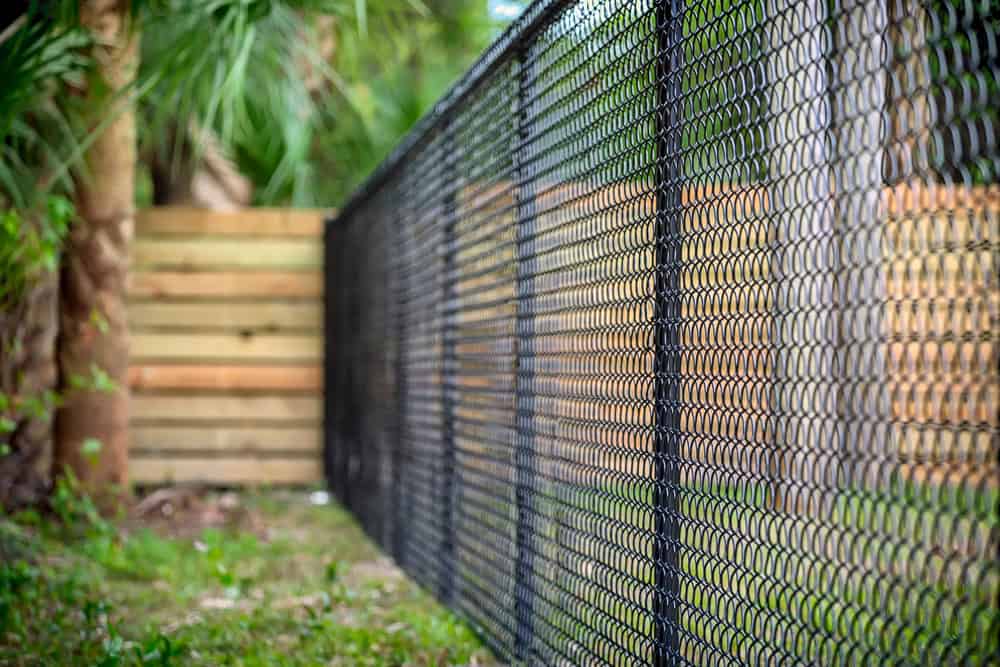
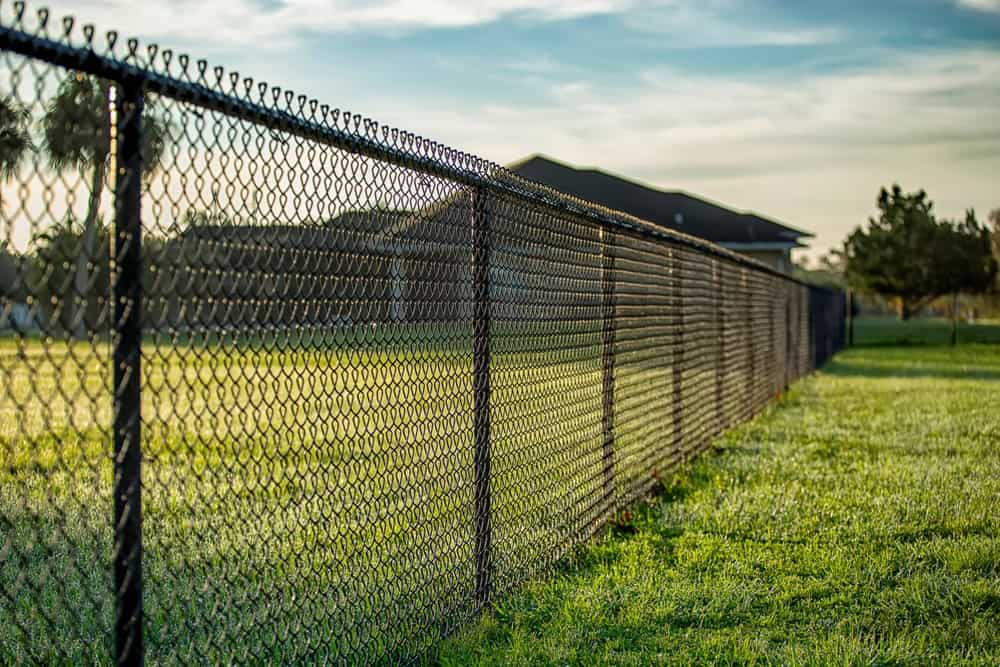
You get a perimeter that actually holds up. Not just for a season, but for years—through hurricanes, humidity, and the kind of daily wear that comes with running an industrial operation in Central Florida.
Chain link fencing gives you visibility across your property while keeping unauthorized people and animals out. You can monitor what’s happening on-site without blind spots. And because the interlocking wire design distributes stress across the entire fence, it doesn’t fail at a single weak point when storms roll through.
The cost makes sense too. At $10 to $40 per linear foot depending on height and gauge, you’re looking at a fraction of what solid panel fencing runs. Installation typically wraps up in 2 to 5 days, so you’re not dealing with weeks of disruption to your operations.
You also skip the maintenance cycle. No painting. No treating. No replacing rotted boards. Galvanized or vinyl-coated chain link resists rust and corrosion in Florida’s climate, so a quick hose-down once a year is usually all it needs.
We started in Metro Atlanta over 30 years ago and brought that same approach to Central Florida in 2004. We’re licensed, bonded, and insured in Florida, and we’ve built a reputation on doing the work right the first time.
The 33rd St. Industrial area sits near I-4, Kirkman Road, and John Young Parkway—high-traffic corridors where commercial and industrial properties need fencing that works as hard as the businesses behind it. We’ve installed chain link for warehouses, distribution centers, manufacturing facilities, and contractors who need reliable perimeter security without the premium price tag.
You’ll find us across Lake, Orange, Seminole, Brevard, Volusia, Osceola, Polk, Sumter, and Marion counties. We’re not the cheapest option, and that’s intentional. You’re paying for materials that last and installers who know how to set posts in Florida soil so your fence doesn’t lean or sag after the first heavy rain.
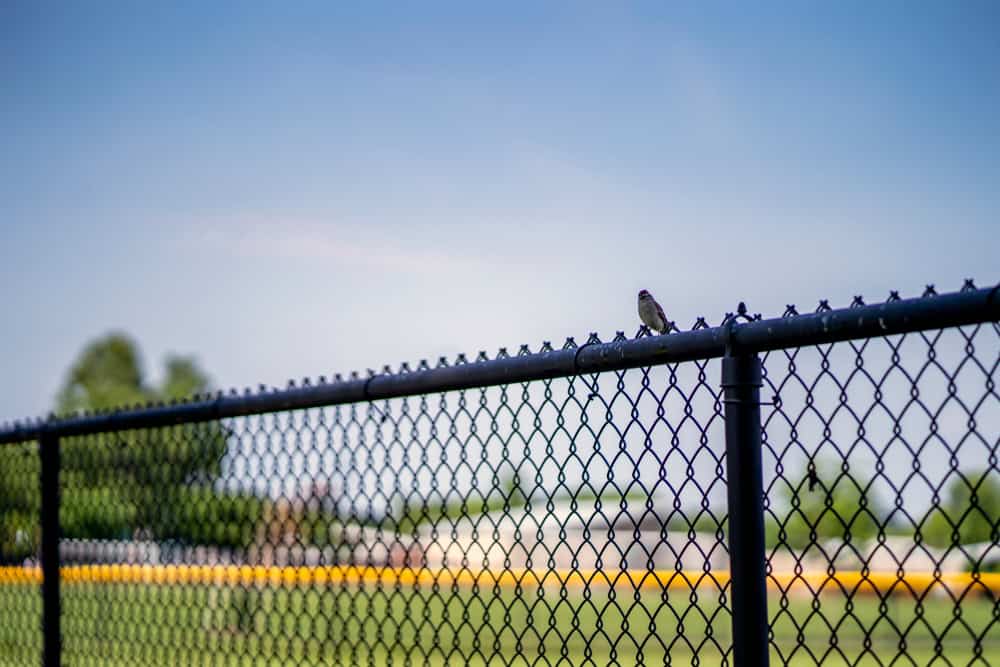
We start with a site visit to measure your property and talk through what you need. Height, gauge, gate placement, whether you want barbed wire or privacy slats—we cover it during that first conversation so there aren’t surprises later.
Once you approve the quote, we schedule the install around your operations. We set terminal and line posts first, making sure they’re plumb and anchored properly. Then we stretch the chain link fabric between posts and secure it with tension bars and bands. Gates get hung last, and we check that everything swings smoothly and latches correctly.
Most installs take 2 to 5 days depending on the size of your property and site conditions. We work efficiently, but we don’t rush through the parts that matter—like making sure posts are set deep enough and fabric tension is right. If weather delays us, we’ll let you know immediately and adjust the schedule.
After the install, you get a fence that’s ready to handle Florida’s storms and the daily demands of an industrial site. No callbacks for sagging fabric or gates that won’t close. Just a secure perimeter that does its job.
Ready to get started?
You get galvanized or vinyl-coated chain link fabric in the height and gauge that fits your security needs. Most commercial properties in the 33rd St. Industrial area go with 6 to 9 gauge wire for added durability, though residential-grade 9 to 12 gauge works for lighter applications.
We install terminal posts at corners and ends, plus line posts every 10 feet to keep the fence stable. All posts get set in concrete—no exceptions. Gates are custom-sized to your access needs, whether that’s a single walk-through or a double-drive gate for trucks and equipment.
If you need barbed wire or razor wire along the top for extra security, we can add that. Same with privacy slats or windscreen material if you want to block sightlines or reduce wind load. We’ll also integrate your fence with existing structures or gates if you’re expanding an older perimeter.
The 33rd St. Industrial area has a mix of older facilities and newer developments, so we’re used to working around existing utilities, uneven terrain, and site-specific challenges. We handle permits and make sure the install meets local codes so you don’t have to chase down paperwork or deal with compliance issues later.
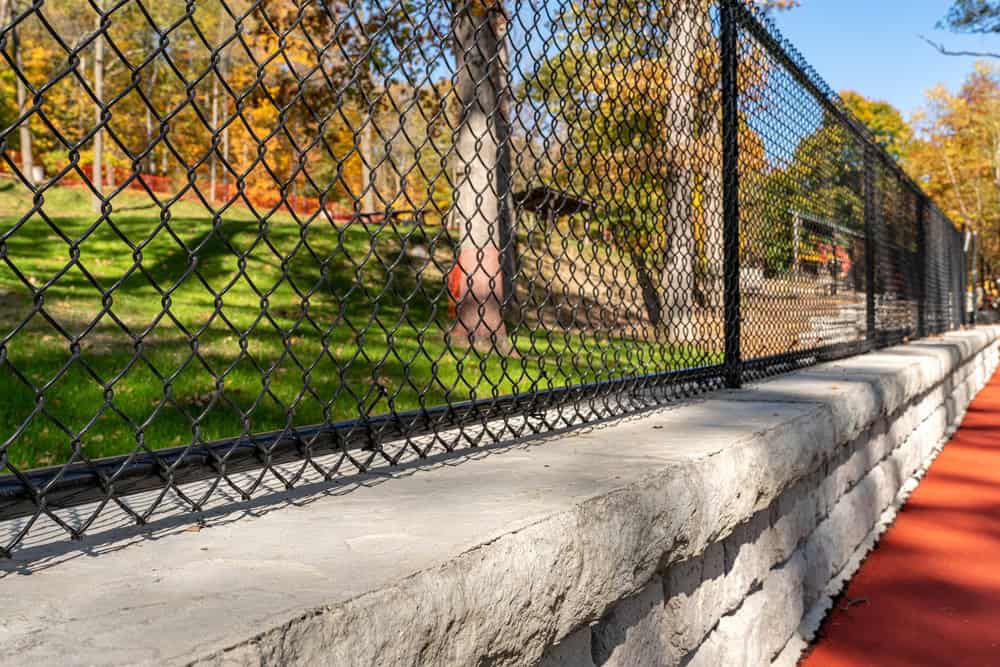
A properly installed chain link fence lasts 20 to 25 years in Florida, sometimes longer if you go with vinyl-coated fabric. The key is using galvanized steel that resists rust and corrosion from humidity and salt air.
Cheaper chain link starts showing rust within a few years, especially near the coast or in areas with high moisture. You’ll see orange streaks along the fabric and posts, and eventually the wire weakens enough that it snaps under tension. That’s why we use galvanized or vinyl-coated materials—they’re built to handle Florida’s conditions without constant maintenance.
The posts matter just as much as the fabric. If they’re not set deep enough or the concrete isn’t mixed right, you’ll get shifting and leaning after heavy rains. We set posts at least 30 inches deep in concrete, deeper if the soil is sandy or the fence is taller than 6 feet.
Galvanized chain link is steel wire coated with zinc to prevent rust. It’s the standard option for most commercial and industrial properties because it’s durable and cost-effective. The silver-gray finish holds up well in Florida’s climate and doesn’t require any special care.
Vinyl-coated chain link has a layer of colored vinyl over the galvanized wire. It costs a bit more, but it adds extra protection against corrosion and gives you color options—usually black, brown, or green. The vinyl coating also makes the fence easier to see, which can be useful for safety around equipment or high-traffic areas.
Both options last a long time if installed correctly. Galvanized is the go-to for budget-conscious projects where appearance isn’t the main concern. Vinyl-coated makes sense if you want the fence to blend in with landscaping or if you’re in a high-corrosion environment like near the coast. Either way, you’re getting a fence that handles Florida weather without falling apart.
Yes, and it’s one of the best fencing materials for storm-prone areas. The interlocking diamond pattern lets wind pass through instead of catching it like a solid panel would. That’s why chain link is sometimes called “cyclone fence”—it was designed to withstand high winds.
The key is proper installation. Posts need to be set deep in concrete, and the fabric needs to be tensioned correctly so it doesn’t sag or pull loose during a storm. We also use heavier gauge wire for commercial properties in the 33rd St. Industrial area—6 to 9 gauge instead of the lighter residential options—because it holds up better under stress.
After a hurricane, you might see debris caught in the fence or minor damage where something heavy hit it, but the fence itself usually stays standing. Compare that to wood fencing, which often gets blown down or damaged beyond repair. Chain link bends but doesn’t break, and any repairs are usually straightforward and inexpensive.
Most commercial chain link installations in the 33rd St. Industrial area run between $15 and $35 per linear foot, depending on height, gauge, and whether you add security features like barbed wire or privacy slats. A standard 6-foot fence with 9-gauge fabric and basic gates falls in the middle of that range.
Height makes a difference. A 4-foot fence costs less than an 8-foot fence because you’re using less material and shorter posts. Gauge matters too—heavier wire costs more but lasts longer and handles impacts better. If you need gates, those add to the total based on size and whether they’re manual or automated.
We give you a detailed quote after the site visit so you know exactly what you’re paying for. No hidden fees for things like post-hole digging or concrete. The price we quote is the price you pay unless you change the scope of work. Most commercial installs take 2 to 5 days, so you’re not dealing with weeks of labor costs or disruption to your operations.
Usually, yes. Most commercial and industrial properties in the Orlando area require a permit for new fence installation, especially if the fence is over 6 feet tall or includes barbed wire. The permit process makes sure your fence meets setback requirements and doesn’t interfere with utilities or drainage.
We handle the permit paperwork as part of the installation process. That includes submitting site plans, getting approval from the city or county, and scheduling any required inspections. It adds a week or two to the timeline, but it keeps you compliant and avoids issues if you ever sell the property or apply for other permits.
Some properties already have existing fencing and just need repairs or extensions. In those cases, permits might not be required, but it depends on the scope of work. We’ll let you know during the site visit whether you need a permit and what that process looks like. Either way, we make sure the install meets local codes so you don’t have to worry about compliance down the road.
Yes, and both are common additions for commercial and industrial properties. Privacy slats are vertical strips of plastic or metal that weave through the chain link fabric to block sightlines and reduce wind load. They come in different colors and can cover the entire fence or just specific sections where you need privacy.
Barbed wire or razor wire gets mounted along the top of the fence using angled brackets. It’s a straightforward way to add security without replacing the entire fence. Most properties in the 33rd St. Industrial area use three strands of barbed wire angled outward, but you can also go with razor wire if you need a higher level of deterrence.
We can install these features during the initial installation or add them later if your security needs change. Privacy slats take a bit longer to install because each one has to be woven through the fabric, but the process is still faster and cheaper than building a solid panel fence. Barbed wire installs quickly—usually the same day—and doesn’t require any modifications to the existing fence structure.
Other Services we provide in 33rd St. Industrial