Most homeowners in Conway don’t want to babysit their fence. You want something installed correctly the first time that doesn’t need constant attention or repairs after every hurricane season.
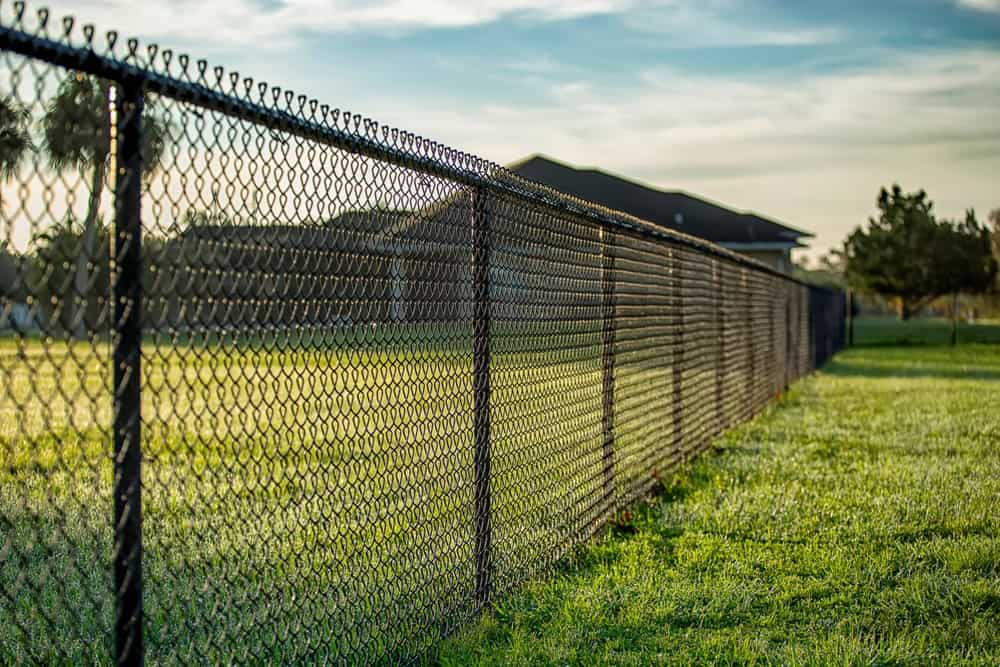
Chain link fencing gives you that. It’s designed to flex during high winds instead of snapping. The open weave reduces wind load by up to 80%, which matters when you’re dealing with Florida storms. That means less damage, fewer repairs, and a fence that actually lasts.
You also get visibility. If you have kids or dogs in the yard, you can see them. If you’re securing a commercial property, you maintain sightlines while keeping people out. It’s functional without being complicated, and it doesn’t require you to repaint, reseal, or replace boards every few years.
We’ve been installing fences across Central Florida for over 20 years. We’re licensed, bonded, and insured—which shouldn’t be rare, but it is. A lot of contractors in the area aren’t, and that puts you at risk.
We serve Conway and the surrounding areas in Orange County with the same approach every time: show up when we say we will, install the fence correctly, and don’t leave until it’s done right. No hidden fees. No surprises.
Conway’s mix of established homes and busy professionals means people here value their time. We get that. Our installations are fast, clean, and built to last in Florida’s climate—humidity, salt air, storms, and all.
First, we come out to your property in Conway and take measurements. We’ll talk through what you need—height, gate placement, any customization like privacy slats or vinyl coating. You’ll get a transparent price with no surprises later.
Once you’re ready to move forward, we schedule the installation. Most residential chain link fence installations take one to three days depending on the size of your property and any site-specific challenges. We set all posts in concrete—not just the corners and gates like some companies do. That keeps your fence from leaning or shifting over time.
We use galvanized steel or vinyl-coated options that resist rust and corrosion. Both hold up well in Florida’s weather. After the posts are set and cured, we install the mesh, tension it properly, and hang the gates. Everything gets checked before we leave, and we clean up the site completely.
Ready to get started?
Chain link fencing in Conway works for a lot of situations. Residential properties use it for pet containment, backyard security, and pool enclosures. Commercial properties use it for perimeter security, equipment yards, and access control.
You can choose the height that makes sense for your needs—typically anywhere from four to six feet for residential, higher for commercial. The gauge of the wire affects durability; we’ll walk you through what works best based on your situation and budget.
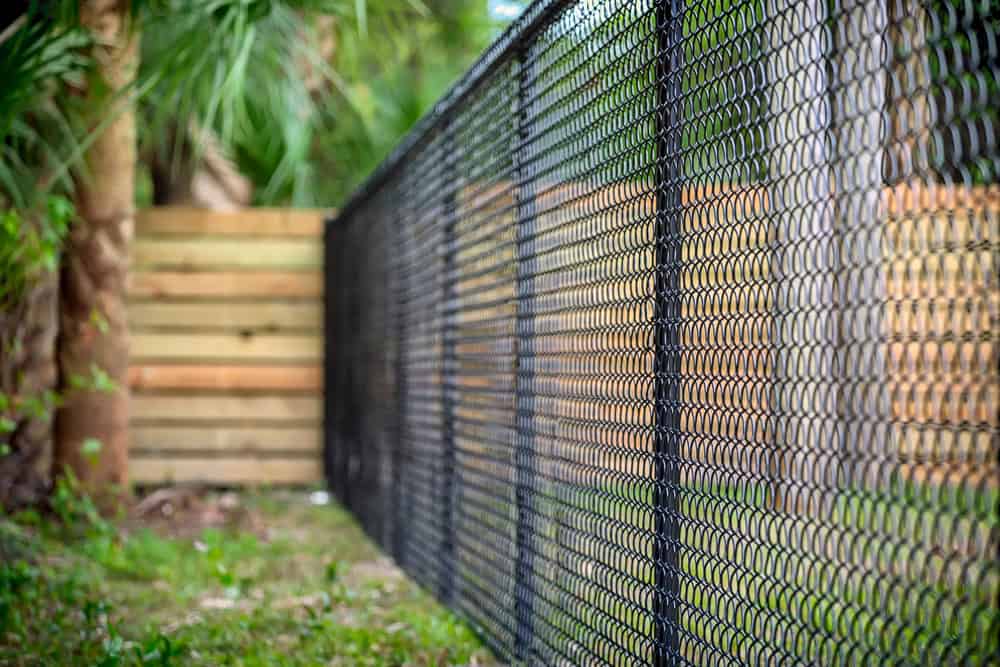
Galvanized chain link is the standard. It’s durable and cost-effective. Vinyl-coated options come in black, green, or brown if you want something that blends in more with your landscaping. Privacy slats can be added if you want to block sightlines without switching to a solid fence.
In Conway, where properties range from older single-family homes to newer developments, chain link fits in without looking out of place. It’s practical, and it doesn’t try to be something it’s not. For the price and performance, it’s hard to beat—especially when you factor in how little maintenance it requires over 20-plus years.
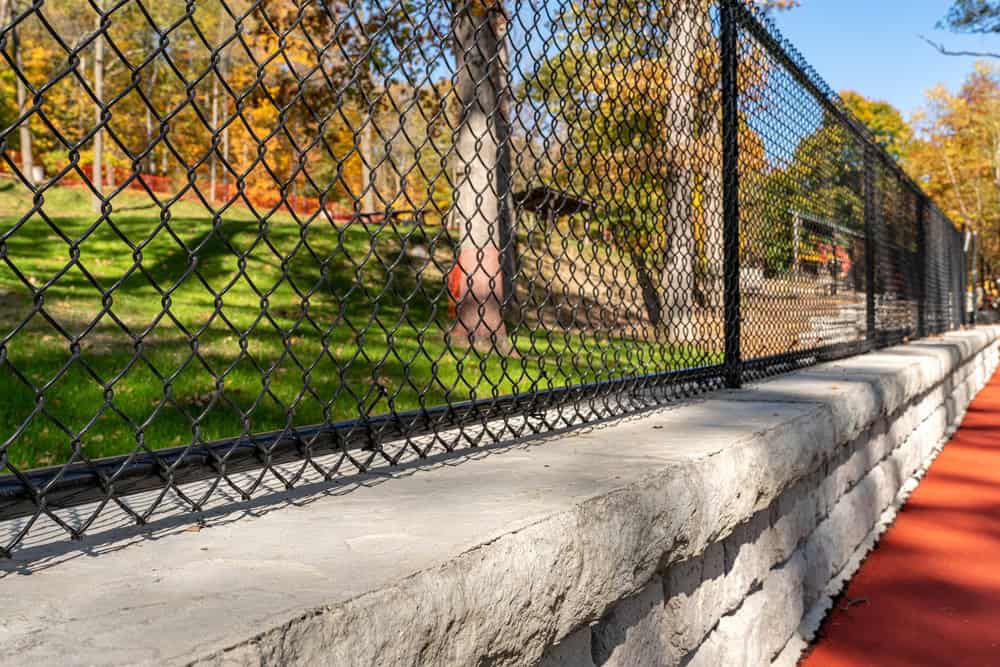
A properly installed chain link fence in Conway can last 20 to 25 years or more, even with Florida’s humidity, salt air, and storm activity. The key is using the right materials and installing it correctly from the start.
Galvanized steel is coated with zinc to resist rust. Vinyl-coated options add another layer of protection and come in colors that won’t fade quickly under constant sun exposure. Both options handle Florida weather well as long as the fence is tensioned properly and the posts are set deep enough in concrete.
The biggest threat to longevity isn’t the weather—it’s poor installation. If posts aren’t concreted or the mesh isn’t tensioned right, the fence will sag, lean, or develop weak points. That’s why we concrete every post, not just the corners. It takes more time and materials, but it’s the difference between a fence that lasts two decades and one that needs repairs in five years.
Chain link fence installation in Conway typically runs between $10 and $40 per linear foot, depending on height, gauge, coating, and site conditions. For a standard 150-foot residential fence, you’re looking at roughly $1,500 to $6,000.
That range accounts for different configurations. A basic four-foot galvanized fence costs less than a six-foot vinyl-coated privacy fence with multiple gates. Commercial projects with taller fencing or security features will be on the higher end.
Labor makes up about half the total cost. The other half is materials—posts, mesh, gates, concrete, and hardware. We give you a clear breakdown upfront so you know exactly what you’re paying for. No hidden fees for things like post-hole digging or debris removal. If there are site-specific challenges like rocky soil or tight access, we’ll flag those during the estimate so there are no surprises later.
Yes. Chain link is one of the best fencing options for hurricane-prone areas like Conway because of how it’s designed. The open weave allows wind to pass through instead of creating a solid barrier that catches the full force of the storm.
Solid fences act like sails during high winds. They catch the wind, which puts enormous pressure on the posts and can rip the entire fence out of the ground. Chain link reduces wind load by 60 to 80%, which means the posts and framework experience far less stress.
The mesh itself is flexible. It can bend and absorb impact from debris without breaking. After the storm passes, it usually returns to its original shape. That doesn’t mean it’s indestructible—nothing is—but it performs significantly better than wood or vinyl privacy fencing in severe weather. As long as the posts are properly concreted and the installation is done right, chain link holds up well through Florida’s storm season.
Almost none. That’s one of the main reasons people choose chain link fencing in Conway. You’re not repainting, restaining, or replacing rotted boards. Most of the time, you’ll just hose it down once or twice a year to remove pollen, dirt, or salt buildup.
If you live near the coast or in an area with heavy salt air, rinsing the fence more frequently helps prevent corrosion on galvanized steel. Vinyl-coated options need even less attention since the coating adds an extra layer of protection.
Check the tension occasionally. If the mesh starts to sag, it usually means the tension bands or wire need adjustment. Gates might need hinges tightened or latches replaced over time, but that’s standard for any fence. Beyond that, there’s not much to do. The fence doesn’t rot, warp, or fade the way wood and some vinyl fences do, so you’re not dealing with ongoing repairs or replacements.
Yes, as long as the fence is tall enough and installed without gaps at the bottom. Most dogs can’t climb chain link, and the mesh is small enough that even smaller pets can’t squeeze through.
Height matters. A four-foot fence works for most dogs, but larger or more athletic breeds might need five or six feet. If you have a digger, we can install the fence with a few inches buried below ground or add a dig guard along the bottom to prevent them from going under.
Chain link also gives you visibility, which is helpful if you want to keep an eye on your pets while they’re outside. You’re not guessing what’s happening on the other side of a solid fence. If you want more privacy but still need the durability and containment of chain link, privacy slats can be woven through the mesh to block sightlines while keeping the structure intact. It’s a practical solution for pet owners in Conway who want security without constant maintenance.
Most likely, yes. Orange County and the City of Orlando, which includes Conway, typically require permits for fence installation. The specific requirements depend on the height of the fence, its location on your property, and whether you’re in a neighborhood with a homeowners association.
Permits ensure the fence meets setback requirements, doesn’t block sightlines at intersections, and complies with local building codes. If you’re in an HOA, you’ll also need approval from the association before installation. Some HOAs have restrictions on fence height, color, or style.
We handle permit applications as part of our service. We know the local codes, what documentation is required, and how to get approvals without unnecessary delays. Skipping the permit might seem easier, but it can cause problems later if you sell your home or if a neighbor files a complaint. It’s worth doing it right from the start.
Other Services we provide in Conway