Your property sits in one of Central Florida’s most beautiful areas, surrounded by rolling hills, forests, and wildlife that doesn’t respect invisible boundaries. You need protection that works without blocking your view of what makes Dunnellon worth living in.
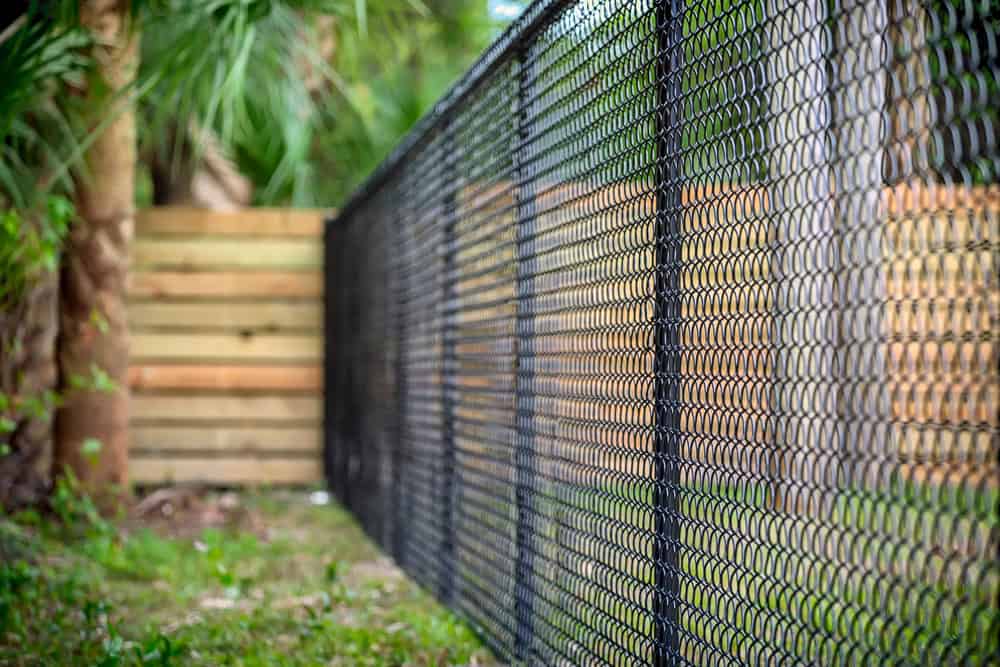
Chain link fencing gives you transparency where you need it. You can see who’s approaching your driveway, monitor kids playing in the backyard, and keep an eye on pets without solid barriers that turn your yard into a box. That visibility matters when local wildlife wanders through or when you want security without feeling locked in.
The mesh design does something else most people don’t think about until hurricane season hits. Wind and water pass right through instead of turning your fence into a sail. Other fence types flatten during major storms, but chain link stays standing because it was literally designed for this—people used to call it hurricane fencing for exactly that reason. In Dunnellon, where storms are a when-not-if situation, that’s not a nice-to-have feature. It’s essential.
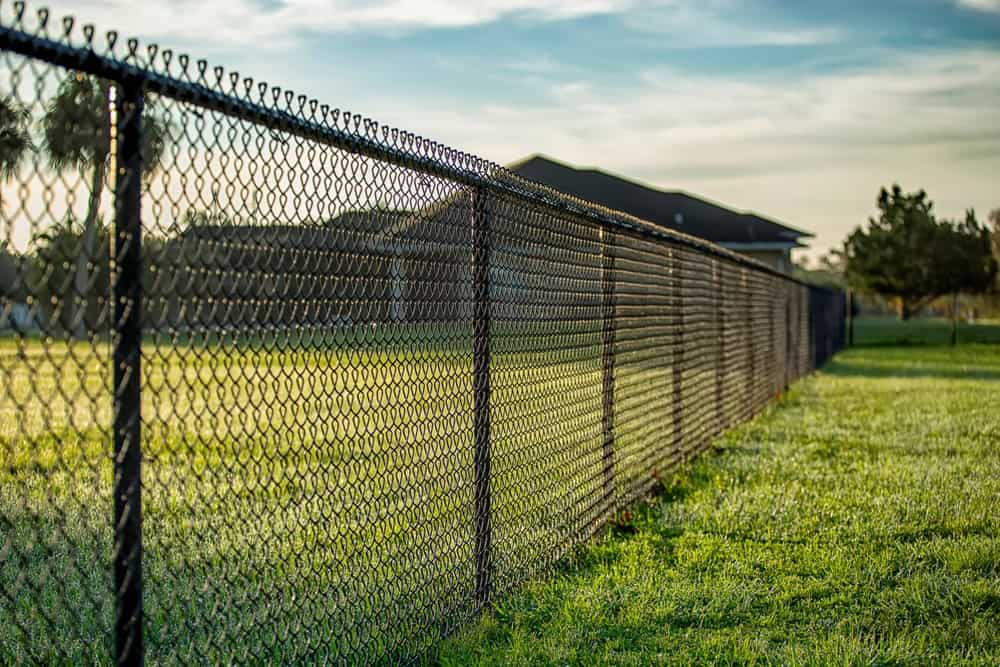
You’re also looking at a fence that lasts up to 20 years with basic care, costs significantly less than wood or vinyl, and goes up fast so you’re not waiting weeks to use your own yard. That’s the practical side handled.
We’ve been installing fences across Central Florida since 2004, with company roots tracking back to 1992. We’re licensed, bonded, and insured—which matters more than you might think when half the fence installers in this area aren’t.
We’ve handled installations throughout Marion County and know exactly what Dunnellon properties need. Your terrain isn’t flat suburban lots. You’ve got elevation changes, tree roots, and soil that varies from one property line to the next. We account for that during installation so your fence sits level and secure regardless of what the ground does.
Orlando Magazine recognized our work in their 2025 Home Design Awards because we don’t cut corners on materials or installation quality. You’re getting galvanized steel that resists rust and corrosion in Florida’s humidity, installed by people who’ve done this thousands of times. When we say your fence will be done right, we mean it’ll still be standing straight in 15 years while cheaper installations are sagging.
You contact us and we schedule a property visit. No phone estimates that turn out wrong when we actually see your yard. We measure the area, check your property lines, discuss height and gauge options based on what you’re trying to accomplish, and give you a transparent price that doesn’t change later.
Once you approve, we handle the permit paperwork. Florida counties require permits for fence installation, and skipping that step leads to fines or forced removal. We know exactly what Marion County needs and make sure everything’s filed correctly before we dig the first post hole.
Installation happens fast. Depending on your fence length, most residential jobs finish in one to two days. We set posts in concrete, stretch the mesh tight between them, and install gates where you need access. The crew cleans up completely when we’re done—no leftover materials or torn-up areas left for you to deal with.
You do a final walkthrough with us. If something’s not right, we fix it before we consider the job complete. Your approval matters more than checking a box and moving to the next job. That’s how we’ve stayed in business for over 20 years.
Ready to get started?
Chain link fence installation in Dunnellon starts with choosing the right height and gauge for your specific needs. Residential properties typically use four to six-foot heights for pet containment and basic security. Commercial properties or those backing up to wooded areas often go higher—sometimes adding barbed wire at the top for extra deterrence against wildlife or trespassers.
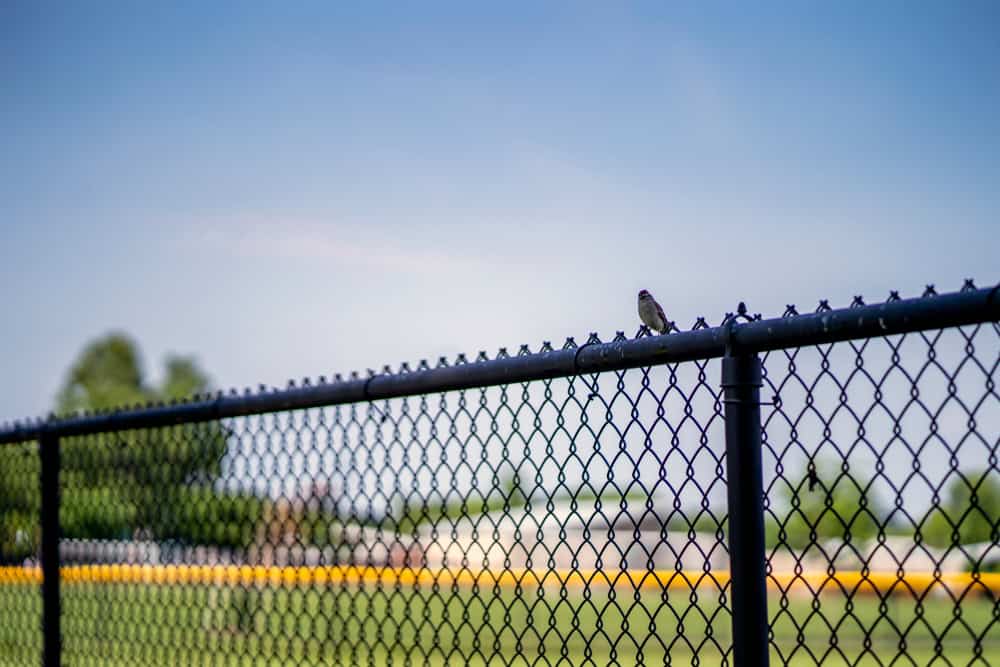
Gauge refers to wire thickness. Heavier gauge means stronger fencing. If you’re containing large dogs or need maximum durability in high-traffic areas, we recommend heavier gauge. For standard residential use where you’re mainly establishing boundaries and keeping smaller pets in, lighter gauge works fine and costs less.
We use galvanized steel as standard because Dunnellon’s humidity will rust untreated metal within months. Some customers add vinyl coating for color options or extra corrosion resistance, especially near areas with heavy irrigation or lawn chemicals. That’s your call based on budget and how long you plan to stay in the property.
Gates get the same attention as the fence line. We install them level and square so they actually swing smoothly instead of dragging on the ground after two months. Latch hardware is commercial-grade because cheap latches fail fast, and there’s nothing more annoying than a gate that won’t stay closed when you’re trying to keep a dog contained.
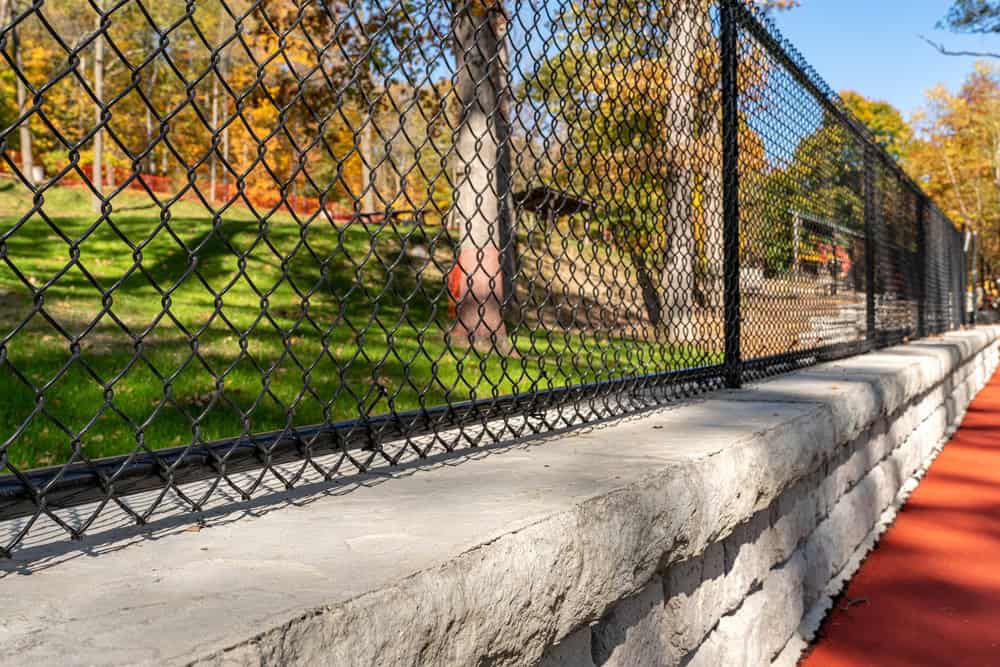
You’re looking at $10 to $40 per linear foot installed, depending on height, gauge, and site conditions. Most Dunnellon homeowners installing 150 linear feet of standard four-foot residential chain link spend between $1,500 and $6,000 total.
That range exists because your property affects labor costs. If we’re working around mature trees, dealing with significant elevation changes, or installing on rocky soil that’s harder to dig, it takes more time and sometimes specialized equipment. Flat, clear properties on the lower end, challenging terrain on the higher end.
Height and gauge choices also shift the price. Taller fences use more material and require deeper post holes for stability. Heavier gauge wire costs more but lasts longer and handles impact better if you have large dogs or need commercial-grade durability. We’ll walk you through options during the estimate so you understand exactly what you’re paying for and why.
Yes, Marion County requires permits for most fence installations. Skipping the permit process can result in fines, forced removal of your fence, or complications when you try to sell your property later.
The permit ensures your fence meets setback requirements from property lines, doesn’t exceed height restrictions, and won’t interfere with utility easements. These rules exist to prevent neighbor disputes and keep you from accidentally building on someone else’s property or blocking access to underground utilities.
We handle the entire permit process as part of your installation. We know what documentation Marion County requires, how long approval typically takes, and how to avoid the delays that happen when paperwork’s incomplete. You don’t have to visit any offices or figure out county requirements yourself—that’s on us.
Most residential chain link fence installations finish in one to two days once we start. Larger properties or commercial projects take longer, but we’ll give you a specific timeline during your estimate based on your fence length and site conditions.
The actual installation moves quickly because chain link comes in rolls that stretch between posts rather than individual boards that need cutting and fastening. We set posts first, let concrete cure if needed, then stretch and attach the mesh. Gates go in last after everything else is secure.
Weather can delay things—we won’t set posts in saturated ground or pour concrete in heavy rain because it compromises the installation quality. If we have to pause for weather, we’ll communicate that immediately and reschedule for the next available day. Most jobs run straight through without weather delays, but Florida storms don’t check our schedule before they show up.
Yes, if it’s installed at the right height and you choose appropriate gauge for your pet’s size and behavior. Chain link is one of the most effective pet containment options because dogs can’t chew through metal mesh like they can wood or vinyl.
For small to medium dogs, four-foot height works fine. Larger or athletic dogs that can jump need five to six-foot fencing to prevent escape. We’ll ask about your pets during the estimate because a fence that contains a beagle won’t necessarily hold a German Shepherd who’s determined to chase the deer that wander through Dunnellon properties.
The mesh openings in standard chain link are small enough that most dogs can’t squeeze through, but very small breeds or puppies might. If that’s a concern, we can discuss tighter mesh options or adding a barrier along the bottom. The goal is a fence that actually works for your specific animals, not just a generic installation that looks right but doesn’t function.
Chain link fencing handles hurricane-force winds better than almost any other fence type because wind passes through the mesh instead of hitting a solid surface. That’s why it used to be called hurricane fencing—the design specifically prevents wind damage that flattens wood and vinyl fences.
During major storms, solid fences act like sails. Wind pressure builds against the surface until posts fail or panels rip loose. Chain link doesn’t create that pressure buildup. The open weave lets wind and rain pass through while the fence stays anchored. We’ve seen chain link fences still standing after storms that destroyed every wood fence in the neighborhood.
Proper installation matters for storm performance. Posts need to be set deep enough and in solid concrete. We follow Miami-Dade high wind load standards even though Dunnellon doesn’t require it, because those standards exist for a reason. Your fence should survive the storms you’ll actually face living in Central Florida, not just meet minimum code requirements.
Very little compared to other fence types. You’re mainly looking at occasional cleaning and checking for damage after storms or if something impacts the fence.
Galvanized chain link resists rust naturally, but Florida’s humidity and lawn chemicals can still cause issues over time. Hosing down the fence a couple times a year removes buildup that can trap moisture against the metal. If you notice rust spots forming, wire brush them and apply rust-inhibiting spray to prevent spreading.
Check gates periodically to make sure hinges and latches still work smoothly. Those are the parts that wear first because they move constantly. Tightening loose bolts or replacing a worn latch is simple maintenance that prevents bigger problems. We use quality hardware specifically to minimize how often you’ll need to do this, but nothing lasts forever without some attention.