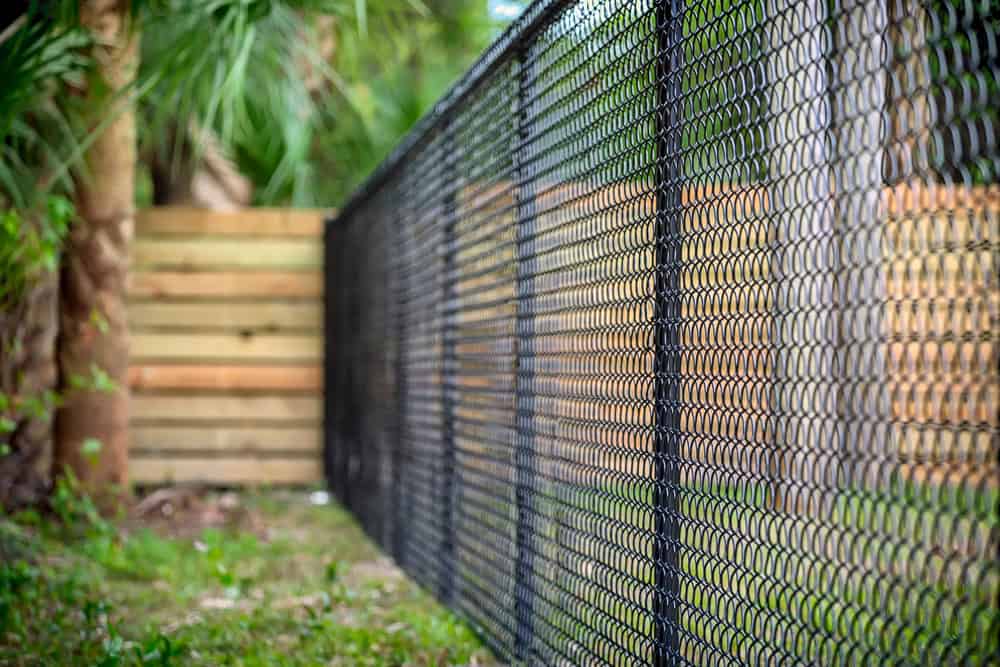
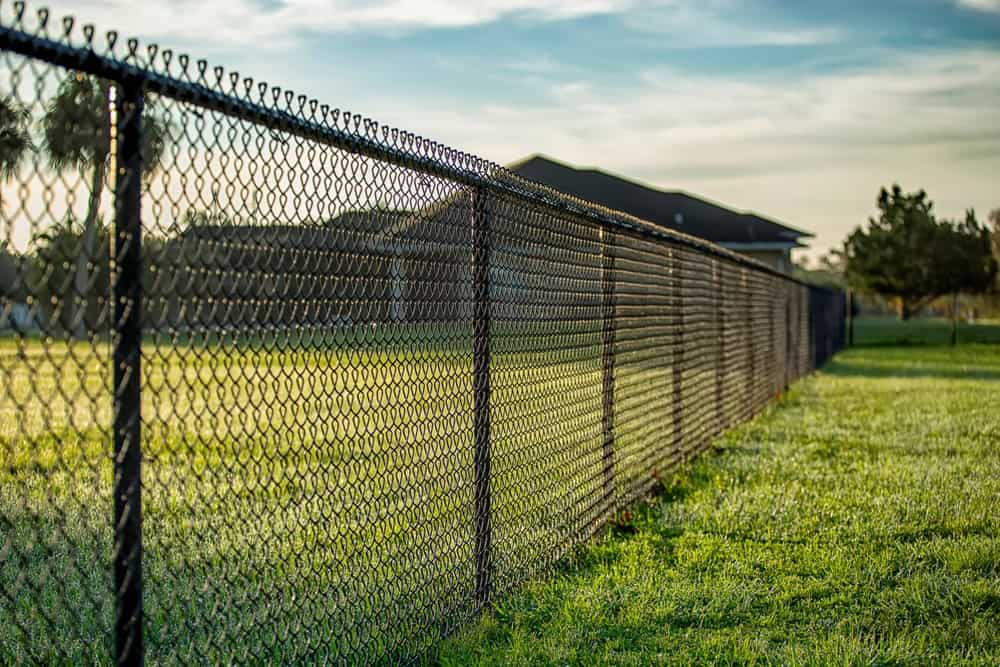
Your property becomes more secure the day the fence goes in. Kids and pets stay in the yard without constant supervision. You’re not chasing down the dog or worrying about toddlers slipping out the gate.
Chain link fencing holds up in Florida Center’s weather because it doesn’t fight the wind. The open weave lets gusts pass through instead of turning your fence into a sail. That’s why it’s one of the best-performing options during hurricane season.
Most installations wrap up in one to three days depending on your property size. You’re not dealing with weeks of disruption or crews that keep rescheduling. The fence goes up, gets tensioned properly, and you move on with your life.
Property value goes up around 30% with a well-maintained chain link fence. If you’re planning to sell in the next few years, that’s money back in your pocket for a relatively small upfront cost.
We’ve been installing fences across Central Florida for over 20 years. We’re licensed, bonded, and insured in Florida, which matters more than most people realize until something goes wrong.
Florida Center families deal with the same things we do. Keeping pets contained, protecting kids near pools, and making sure your fence doesn’t become yard debris after the next storm. We’ve installed hundreds of chain link fences in Orange County and know what holds up here.
You’ll find us in nine counties across the region, from Lake to Marion. That’s not because we’re chasing work everywhere. It’s because homeowners keep calling us back and referring their neighbors.
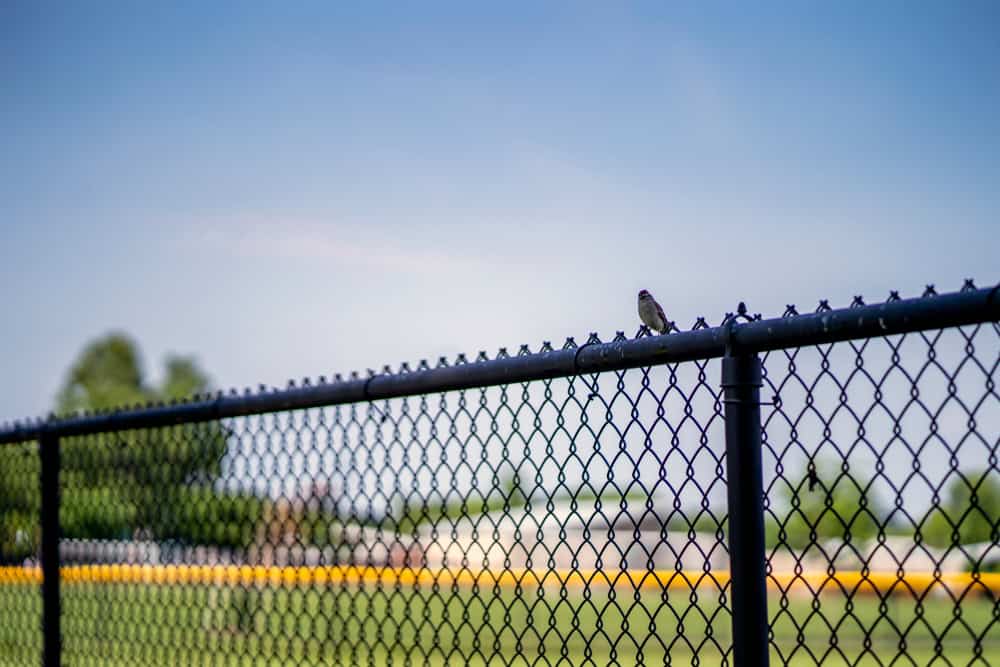
First, we walk your property and talk through what you need. Pool fence for safety? Full perimeter for dogs? We measure everything and check for underground utilities before we dig a single post hole.
Next comes the permit work. Florida fence regulations vary by municipality, and skipping this step leads to fines or forced removal. We handle the paperwork so you don’t have to figure out what Florida Center requires.
Installation day starts with setting posts at the right depth and spacing. This isn’t eyeballing it. Posts need to be deep enough to handle soil conditions and wind loads. Then we stretch and tension the chain link fabric so it doesn’t sag or ripple.
Gates get installed last and adjusted until they swing smoothly and latch securely. A gate that drags or won’t close defeats the whole purpose of having a fence. We make sure everything operates correctly before we leave your property.
The whole process typically takes one to three days depending on how much fencing you need and whether there are any complications like slopes or obstacles. You’re not waiting weeks for a finished fence.
Ready to get started?
Standard galvanized chain link gives you 15 years of life with minimal maintenance. Vinyl-coated options push that to 20-30 years and come in colors like green, black, or brown if you want the fence to blend with landscaping or match your home’s exterior.
You’re looking at $10 to $20 per linear foot for most residential installations in Florida Center. That includes materials, labor, and proper installation that meets Florida Building Code. The final cost depends on fence height, coating options, and how many gates you need.
Florida Center sits in an area where pool safety matters. Nearly 300 children under five drown in pools annually, with most incidents happening at home. If you have a pool, a fence isn’t optional. Florida law requires it, and we make sure your installation meets those specific requirements.
Hurricane resistance is built into how we install chain link. The flexible mesh bends under extreme wind loads instead of snapping. Posts are set deep enough to handle the soil conditions here. This isn’t about cutting corners to save a few dollars. It’s about making sure your fence is still standing after the next big storm.
We also handle HOA requirements if your neighborhood has them. Some associations have specific rules about fence height, color, or placement. We’ve worked with dozens of HOAs across Central Florida and know how to navigate their approval process.
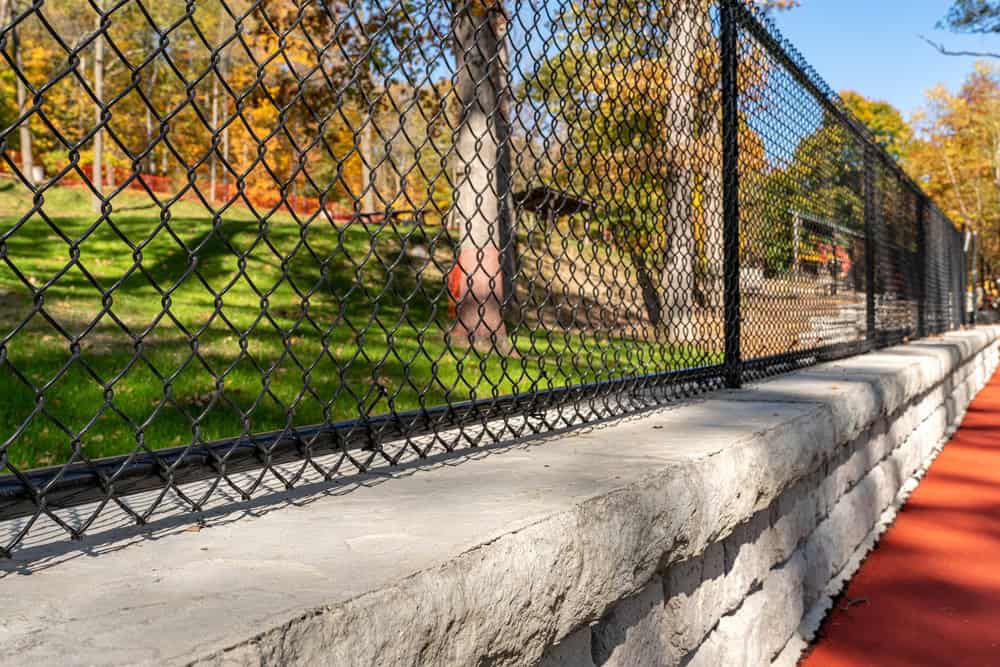
Most homeowners in Florida Center pay between $10 and $20 per linear foot for professional chain link installation. That covers galvanized chain link fabric, posts, gates, and labor. A typical backyard fence running 150 linear feet costs $1,500 to $3,000 depending on height and features.
Vinyl-coated chain link costs more upfront but lasts longer and looks better. You’re adding $3 to $8 per linear foot for the coating, which protects against rust and gives you color options. If you’re near the coast or want the fence to last 25-plus years, the coating pays for itself.
Height affects price too. Four-foot fencing costs less than six-foot, but if you have large dogs or need privacy, the taller option makes sense. Gates add $150 to $400 each depending on width and whether you want a double gate for lawn equipment.
The total depends on your property. Slopes, corners, and obstacles like trees or AC units add complexity. We give you a clear breakdown upfront so there are no surprise charges when the job’s done.
Galvanized chain link fences last around 15 years in Florida Center with basic maintenance. Vinyl-coated or powder-coated options push that to 20-30 years because the coating protects the metal from moisture and salt air.
Florida’s humidity and rain don’t warp or rot chain link like they do with wood fencing. The main enemy is rust, which is why galvanization or coating matters. If you’re within 10 miles of the coast, vinyl coating is worth the extra cost because salt accelerates corrosion.
Maintenance is minimal. Hose down the fence a few times a year to remove dirt and pollen. If you get stubborn grime, mild soap and water handle it. Check gates annually to make sure hinges and latches still work smoothly.
Proper installation extends lifespan significantly. Posts need to be set at the right depth for Florida soil conditions. Fabric needs correct tensioning so it doesn’t sag. Corner and gate posts need extra bracing. When installation is done right from the start, you’re not dealing with repairs every few years.
Chain link is one of the best fence types for hurricane conditions because of how it handles wind. The open weave lets wind pass through instead of creating solid resistance. That means less force on the posts and less chance of the whole fence coming down.
The flexible mesh can bend under extreme wind loads without breaking. Solid fences act like sails and either snap or pull posts out of the ground. Chain link moves with the wind and usually springs back once the storm passes.
Installation quality matters more than the fence type when it comes to hurricane performance. Posts need to be deep enough and set in concrete. Corner posts and gate posts need proper bracing. If posts aren’t installed correctly, even chain link can fail in high winds.
We’ve seen chain link fences in Central Florida survive multiple hurricanes while wood and vinyl fences in the same neighborhood got destroyed. It’s not indestructible, but it’s your best bet for a fence that’s still standing after hurricane season. Galvanized or vinyl-coated options hold up even better because they resist the moisture damage that comes with days of heavy rain.
Yes, most chain link fence installations in Florida Center require a permit. Orange County has specific regulations about fence height, placement, and setbacks from property lines. Skipping the permit can lead to fines or being forced to remove the fence entirely.
Pool fences have stricter requirements because they’re safety features. Florida law mandates specific height minimums, gate latching mechanisms, and spacing between chain link fabric. These aren’t suggestions. Inspectors check this stuff, and non-compliant pool fences create liability issues.
HOA approval is separate from county permits if you live in a neighborhood with an association. Some HOAs restrict fence height, require certain colors, or limit where you can install fencing. We handle both the county permit process and HOA submissions so you’re not stuck doing paperwork.
The permit process typically adds a week or two to the timeline but protects you long-term. When we pull permits, the installation gets inspected and approved. That matters for insurance claims, property sales, and avoiding legal headaches. We include permit handling in our service because trying to navigate county requirements yourself is frustrating and time-consuming.
Chain link is one of the most effective fencing types for containing dogs. The tight weave prevents even small dogs from squeezing through, and the height options mean you can match the fence to your dog’s jumping ability. Most dogs can’t climb chain link like they can wood fences.
Four-foot fencing works for small to medium dogs that don’t jump. Larger breeds or athletic dogs need five or six-foot fencing. If you have a digger, we can install the fence with a few inches buried underground or add a barrier along the bottom to stop them from going under.
Gates are the weak point in most dog fences. A gate that doesn’t latch properly or has a gap at the bottom defeats the purpose. We install self-closing hinges and secure latches so your dog can’t nose the gate open. The gap between the gate and ground stays small enough that dogs can’t squeeze under.
Chain link also lets you see your dog from inside the house, which matters if you’re keeping an eye on them while they’re outside. Solid privacy fences block your view completely. With chain link, you can supervise without standing in the yard. It’s especially useful for puppies or dogs that get into trouble when you’re not watching.
Galvanized chain link is steel wire coated in zinc to prevent rust. It’s the standard option and costs $10 to $15 per linear foot installed. You get a silver-gray fence that lasts 15 years with minimal maintenance. It’s functional, affordable, and gets the job done.
Vinyl-coated chain link adds a layer of PVC over the galvanized wire. This gives you color options like black, green, brown, or white, and extends the lifespan to 20-30 years. The coating protects against rust better than galvanization alone, which matters in Florida’s humid climate. You’re paying $13 to $20 per linear foot, so it costs more upfront.
Black vinyl-coated chain link has become popular in Florida Center because it looks more modern than standard galvanized. Green blends with landscaping and makes the fence less noticeable. Brown works well if you’re trying to match wood tones elsewhere on your property.
The coating also stays cooler to the touch in direct sunlight, which matters if kids or pets lean against the fence. Galvanized chain link can get hot enough to be uncomfortable on a summer afternoon. Vinyl coating reduces that heat absorption. If appearance and longevity matter to you, the vinyl coating is worth the extra cost. If you’re fencing a large area and budget is tight, galvanized still gives you solid performance.
Other Services we provide in Florida Center