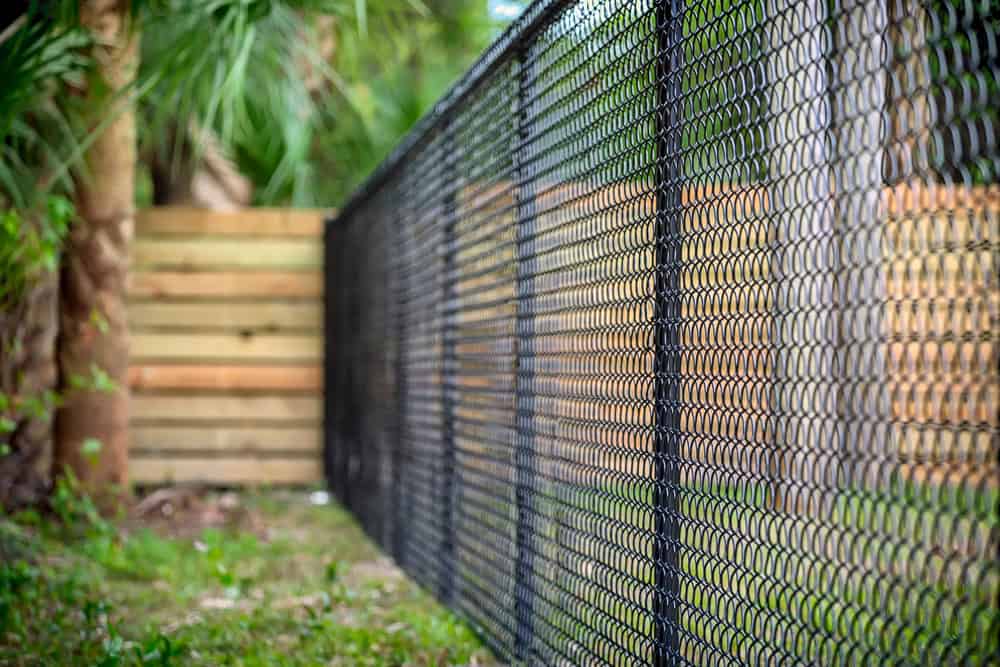
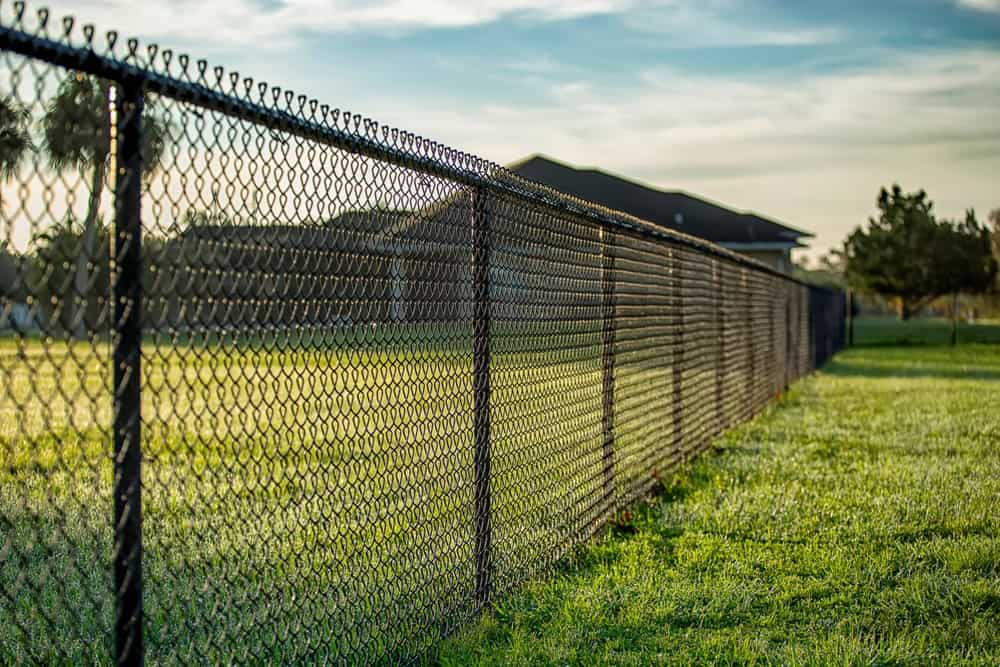
You get a fence that doesn’t fight Florida’s climate. Rain, heat, storms—they’re all regular visitors here in Lake County. Chain link doesn’t rot or warp like wood. It doesn’t crack like vinyl when debris hits during a hurricane. The open weave lets wind pass through instead of turning your fence into a sail.
Most galvanized chain link lasts 15 to 20 years. Vinyl-coated options push that to 25 years or more when installed correctly. That means proper post depth, the right tensioning, and materials that meet ASTM A123 standards for galvanization. Those details matter when you’re looking at two decades of performance.
If you have pets, you know the anxiety of a dog finding a weak spot. Chain link gives you visibility—you can see your animals, and they can see out. It’s secure enough to contain them but transparent enough that you’re not guessing what’s happening in the yard. For families with kids, it’s the same benefit: safe boundaries without creating a blind spot.
We’ve spent years working across Lake County communities like Mohawk, Clermont, Groveland, and Mount Dora. We’ve seen what holds up and what doesn’t. Florida weather tests every fence, and we’ve learned how to build for it.
Our installations use top-grade materials—galvanized and vinyl-coated options that resist rust and corrosion. We don’t cut corners on post depth or tensioning because those are the factors that determine whether your fence lasts 10 years or 25. You get transparent pricing with no surprise charges, and we work efficiently to minimize disruption to your property.
We serve residential and commercial properties across Lake, Orange, Seminole, Brevard, Volusia, Osceola, Polk, Sumter, and Marion counties. If you’re in Mohawk and need a fence that performs, call 407-900-2940 for a free consultation.
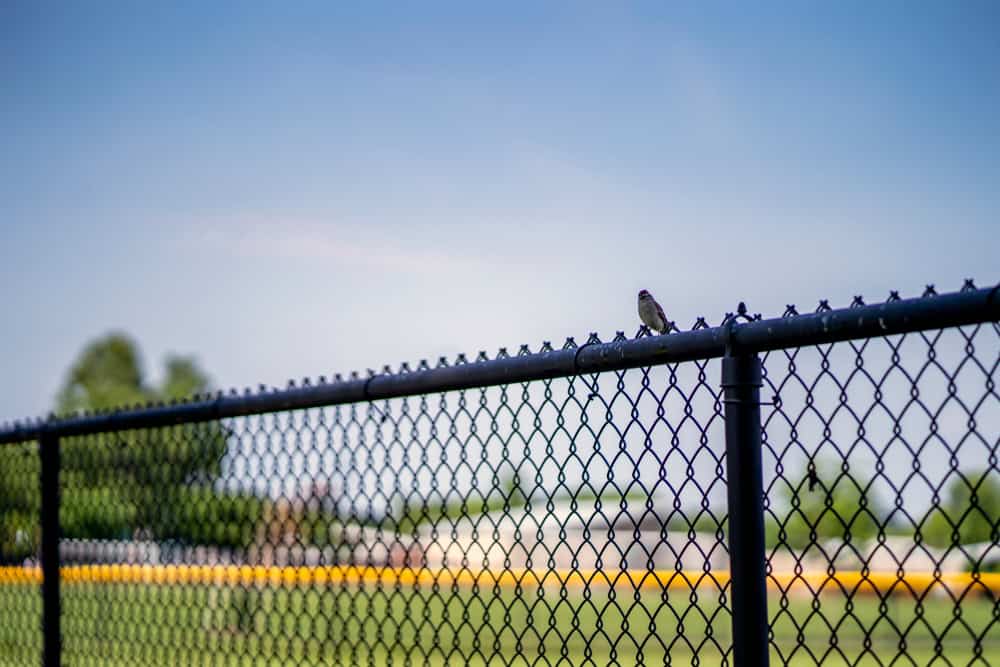
First, we come out to your property for a consultation. We measure the area, discuss what you need the fence to do—pet containment, security, pool safety—and walk through your options. Height, gauge, galvanized versus vinyl-coated. We give you a free estimate with clear pricing.
Once you approve, we schedule the installation. Most chain link fences go up in one to three days, depending on the size and any site-specific challenges. We start by setting posts at the correct depth—deeper than you might expect, because Florida soil and wind loads demand it. Then we stretch and tension the mesh. This step matters. Too loose and it sags. Too tight and it can warp the posts over time.
After installation, you get a fence that’s ready to perform. No curing time like concrete. No waiting for paint to dry. It’s functional immediately, and the maintenance requirements are minimal. Hose it down occasionally to clear pollen or dirt. That’s it.
Ready to get started?
You get professional installation with materials chosen for Florida’s environment. We offer both galvanized and vinyl-coated chain link. Galvanized is the budget-friendly option that still delivers 15 to 20 years of performance. Vinyl-coated adds a layer of protection and comes in colors like black or green if you want something that blends better with landscaping.
Height customization matters depending on what you’re fencing. A four-foot fence works for most residential yards and pet containment. Six feet is common for privacy and security. If you’re fencing a commercial property or need to meet specific code requirements, we can go higher. Wire gauge affects strength—11-gauge is standard for residential, but we can use heavier 9-gauge for high-traffic or commercial applications.
In Mohawk and throughout Lake County, chain link makes sense because of hurricane risk. According to NOAA, Florida sees more hurricanes than any other state. Chain link’s open design allows wind to pass through rather than creating resistance. The flexible mesh bends under extreme loads and returns to shape. Compare that to solid fencing that acts like a wall against wind—those are the fences that end up in pieces after a storm.
Installation costs typically run $10 to $25 per linear foot, with most homeowners paying between $10 and $20. That’s significantly lower than wood or vinyl, and the long-term maintenance costs are almost nonexistent. You’re not repainting, restaining, or replacing boards every few years.
Most residential chain link installations are completed in one to three days. The timeline depends on the size of the area you’re fencing and any site-specific factors like terrain or existing structures.
A straightforward backyard enclosure for a typical Mohawk property usually takes one to two days. Larger commercial projects or installations with multiple gates and corners can extend to three days. Weather can affect the schedule—if we’re dealing with heavy rain or saturated ground, we may need to pause to ensure posts are set correctly.
The installation process moves quickly because chain link doesn’t require curing time or finishing work. Once the posts are set and the mesh is tensioned, the fence is ready to use immediately. You don’t wait for concrete to cure or paint to dry.
Galvanized chain link is steel wire coated with zinc to prevent rust. It’s the standard option and typically lasts 15 to 20 years in Florida’s climate. The zinc coating protects against moisture and humidity, which are constant challenges here in Lake County.
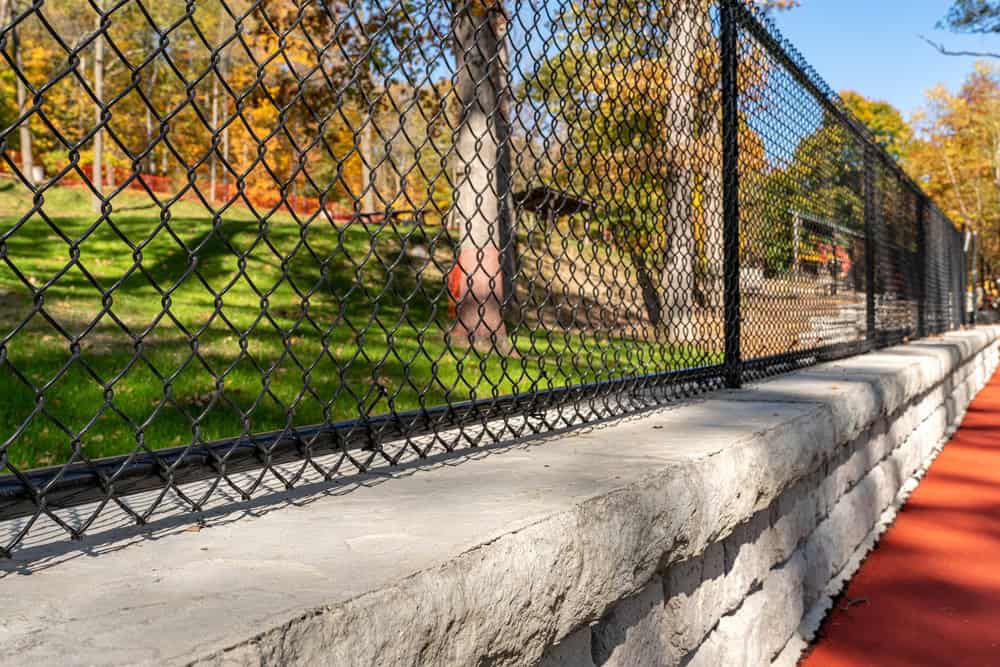
Vinyl-coated chain link adds a layer of colored vinyl over the galvanized wire. This provides extra protection against corrosion and extends the lifespan to 20 to 25 years or more. The vinyl coating also gives you color options—black and green are most common—so the fence blends better with landscaping.
The cost difference is moderate. Vinyl-coated typically adds a few dollars per linear foot, but you’re paying for additional durability and aesthetics. If you’re near saltwater or in an area with heavy moisture exposure, the vinyl coating is worth considering. For most Mohawk residential applications, galvanized performs well and represents the most cost-effective choice.
Chain link is one of the best-performing fence types during hurricanes. The open weave design allows wind to pass through instead of creating solid resistance. This is critical during Florida storms when wind speeds can exceed 100 mph.
The flexible mesh can bend under extreme wind loads without breaking, then return to its original shape. Solid fencing—wood, vinyl, even some metal panels—acts like a wall against wind. That creates enormous pressure that can rip posts out of the ground or snap boards. Chain link doesn’t have that problem.
Proper installation is essential for hurricane performance. Posts need to be set deep enough—typically 30 to 36 inches for residential applications in Florida. The mesh needs correct tensioning. Too loose and it can whip around in wind. Too tight and it puts unnecessary stress on posts. We’ve installed chain link fences across Lake County for years, and we’ve seen how they perform after storms. When installed correctly, they consistently outlast other fence types.
Chain link fence installation in Mohawk typically costs between $10 and $25 per linear foot, with most residential projects falling in the $10 to $20 range. The final cost depends on fence height, wire gauge, whether you choose galvanized or vinyl-coated, and the number of gates.
A standard four-foot galvanized chain link fence for a typical backyard—say 150 linear feet—usually runs between $1,500 and $3,000 installed. If you upgrade to six-foot height or vinyl-coated material, expect to add $3 to $7 per linear foot. Gates add $150 to $400 each depending on size and hardware.
Chain link remains one of the most affordable fencing options available, especially when you factor in longevity and maintenance costs. Wood fencing might have a similar upfront cost, but you’ll spend money on staining, sealing, and board replacement over the years. Vinyl costs more upfront and can crack under impact. Chain link’s total cost of ownership over 20 years is hard to beat.
Most fence installations in Lake County require a permit, though requirements vary based on fence height and location. Fences under four feet sometimes don’t require permits, but anything taller typically does. If you’re fencing a pool, Florida law requires specific safety standards and permitting.
The permit process involves submitting a site plan showing property lines, fence location, and height specifications. The county reviews it to ensure the fence meets setback requirements—how far it needs to be from property lines, roads, and easements. This usually takes one to two weeks.
We handle permit applications as part of our service. We know Lake County’s requirements and what documentation they need. We also coordinate any required inspections. You don’t need to navigate the county office or worry about whether your application is complete. We take care of it so the installation moves forward without delays.
Standard chain link installation includes a bottom rail or tension wire along the ground, but determined diggers can still get under if there’s a gap. If you have a dog that digs, there are specific installation techniques that solve this problem.
The most effective solution is burying the bottom of the fence six to twelve inches below ground level. We dig a shallow trench along the fence line, extend the mesh into it, and backfill with soil or gravel. This creates a barrier that stops most digging attempts. Another option is installing an L-footer—a section of mesh that extends horizontally underground at the base of the fence. When a dog starts digging, they hit the buried mesh and usually give up.
For persistent diggers, combining a buried barrier with landscaping rocks or pavers along the fence line works well. The rocks make digging difficult and uncomfortable for the dog’s paws. We’ve installed chain link for countless pet owners in Mohawk and Lake County, and we can recommend the right approach based on your dog’s size and digging behavior.
Other Services we provide in Mohawk