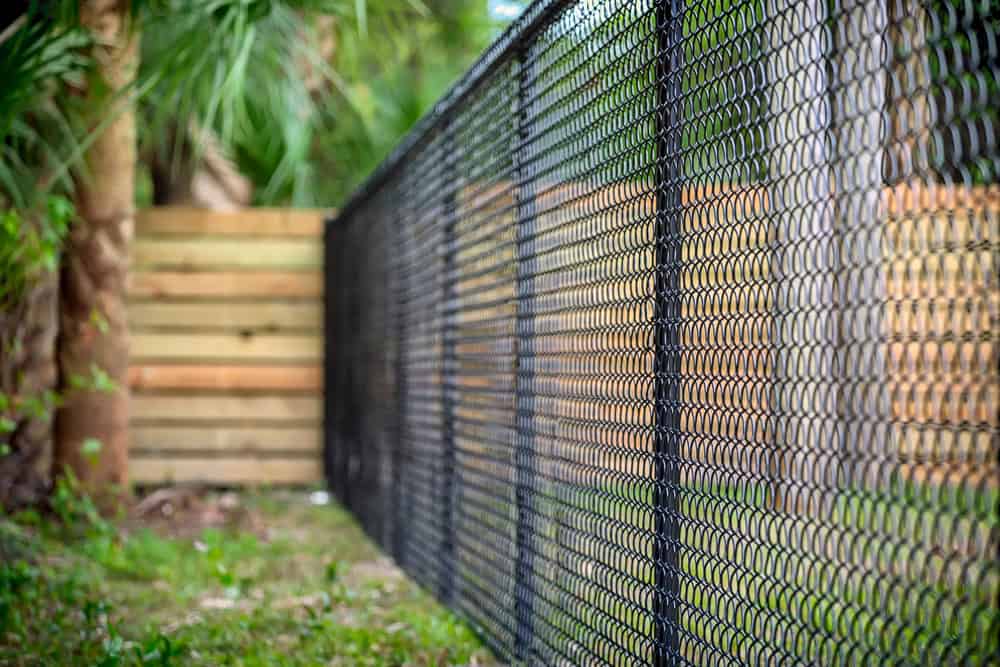
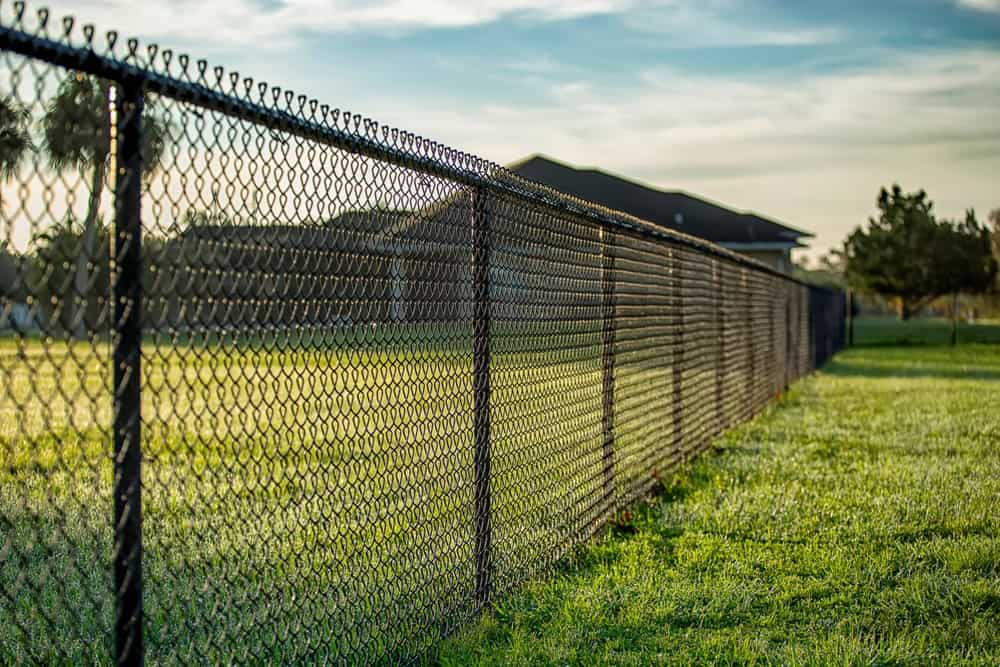
You need a fence that works. Not one that looks pretty for six months then falls apart during storm season.
Chain link fencing gives you what matters most in Ocklawaha: a clear property line, a safe space for kids and pets, and protection that doesn’t fold when the wind picks up. The open weave design lets hurricane-force winds pass through instead of turning your fence into a sail. That’s why chain link outperforms solid fencing during Florida’s worst weather.
You’re looking at 15 to 20 years of reliable service with minimal upkeep. No painting. No staining. No replacing rotted boards. Hose it down once in a while to clear pollen and salt buildup, and you’re done. For homeowners near Lake Weir dealing with humidity and occasional flooding, that durability matters.
The cost runs between $9 and $30 per linear foot installed. Compare that to wood or ornamental metal, and you’re saving thousands while getting a fence that actually lasts longer in Central Florida’s climate.
We’ve been installing residential and commercial fencing across Central Florida since 1992. We’re licensed, bonded, and insured in the state of Florida, which matters more than most homeowners realize until something goes wrong.
Ocklawaha sits in an area where soil conditions vary, permits have specific requirements, and weather can turn a simple job into a mess if you don’t know what you’re doing. We’ve handled hundreds of installations across Marion County, from properties along Lake Weir to rural homes surrounded by old orange groves.
You’ll find us serving Lake, Orange, Seminole, Brevard, Volusia, Osceola, Polk, Sumter, and Marion counties. When we show up, we’re not figuring it out as we go. We know the terrain, the regulations, and how to build a fence that stays standing.
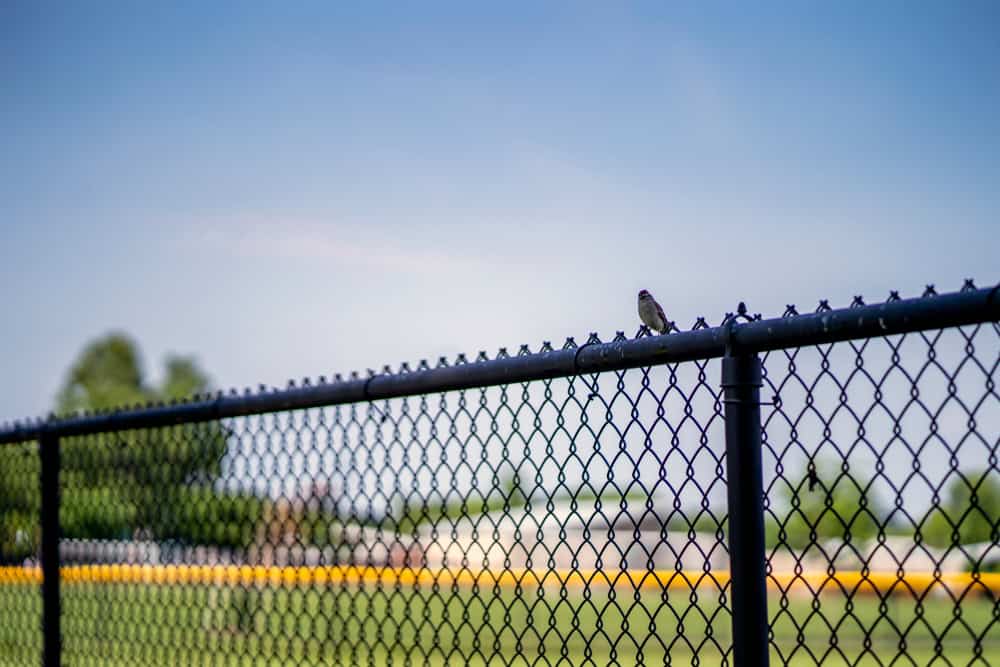
We start with a site visit to assess your property. Soil type matters in Ocklawaha, especially in areas with sandy conditions near the lake. We check for underground utilities, measure the perimeter, and discuss height, gate placement, and any customization you need for pets or security.
Next comes permitting. Marion County has specific requirements, and we handle that paperwork so you don’t have to guess what’s needed. Once permits clear, we schedule installation based on weather and your timeline.
Installation typically takes one to three days depending on property size and complexity. We set posts deep enough to handle Florida soil conditions, stretch the chain link fabric tight, and install gates that actually swing smoothly. You’re not dealing with sagging sections or gates that drag after the first month.
Before we leave, we walk the fence line with you. Gates get tested. Tension gets checked. Any questions you have get answered. The job’s not done until you’re clear on maintenance and satisfied with the install.
Ready to get started?
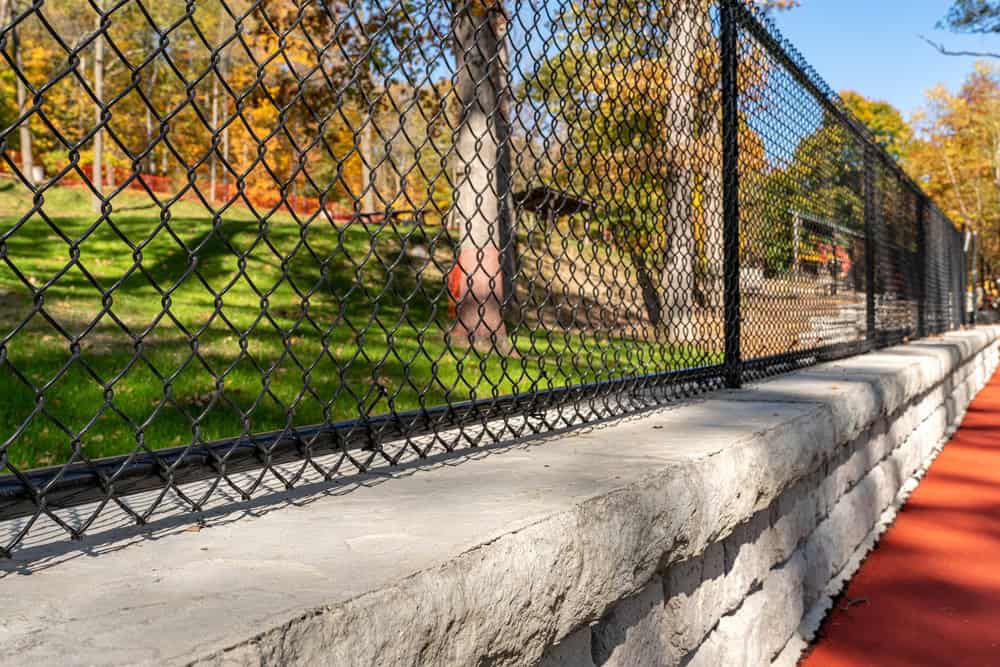
You’re getting galvanized or vinyl-coated chain link that resists rust in Florida’s humidity. We use terminal posts set in concrete, with line posts spaced properly to prevent sagging. Bottom rails can be added if you’ve got dogs that dig.
Height options range from four feet for basic boundaries to six feet or higher for security and pet containment. Gates come in various widths depending on whether you need walk-through access or space for equipment. We install tension wire and use proper fittings so the fence stays tight over time.
For Ocklawaha homeowners, this matters because properties here often include larger lots with natural features like oak trees and uneven terrain. We work around obstacles without compromising fence integrity. If you’re near Lake Weir or in areas prone to standing water during heavy rain, we adjust post depth and drainage considerations accordingly.
The median home price in Ocklawaha sits around $249,900, and a properly installed chain link fence adds value without eating into your budget. You’re securing your investment while keeping costs reasonable. Most installations here run between $1,500 and $5,000 depending on perimeter size and customization.
Most residential chain link installations take one to three days from start to finish. The timeline depends on your property size, soil conditions, and whether we’re working around obstacles like trees or uneven terrain.
Ocklawaha’s sandy soil in some areas can actually speed up post hole digging, but we compensate by setting posts deeper and using more concrete to ensure stability. If your property sits near Lake Weir or has clay-heavy soil in spots, that affects our approach but not necessarily the timeline.
Weather plays a role too. We don’t pour concrete in heavy rain, and we won’t stretch chain link in high winds. Florida’s afternoon thunderstorms can push a job into a second day, but we plan for that. You’ll get a realistic timeline upfront, not an optimistic guess that turns into delays.
Expect to pay between $9 and $30 per linear foot installed, depending on height, coating type, and site conditions. A typical residential property with 150 linear feet of four-foot galvanized chain link runs around $1,350 to $2,250. Go with vinyl-coated for better rust resistance and aesthetics, and you’re looking at $15 to $30 per foot.
Gates add to the cost. A standard three-foot walk gate runs $150 to $300 installed. Wider gates for equipment or vehicles cost more. If you need six-foot height for security or to contain larger dogs, that increases material and labor costs.
Here’s what affects your final price in Ocklawaha: lot size, terrain difficulty, gate quantity, coating choice, and whether you want extras like privacy slats or bottom rails. We give you a detailed estimate upfront with no surprise charges. Some homeowners here have larger lots with natural features that require more planning, which we factor into pricing from the start.
Chain link is one of the best-performing fence types during hurricanes. The open weave lets wind pass through instead of creating resistance like solid wood or vinyl fencing does. That’s why you see chain link still standing after storms that flatten other fence types.
Proper installation matters more than the material itself. Posts need to be set deep enough in concrete, especially in Ocklawaha’s varied soil conditions. We use terminal posts at corners and gates with larger diameter and deeper setting than line posts. The chain link fabric gets stretched tight and secured with proper tension bars and fittings.
Florida’s hurricane history proves this out. Chain link fences installed correctly have survived Category 3 and 4 storms with minimal damage. You might see some fabric displacement that’s easily fixed, but you won’t be replacing entire sections like you would with privacy fencing. For Central Florida homeowners, that durability translates to fewer repairs and lower long-term costs.
Yes, when installed with the right height and features for your specific dog. Four-foot chain link works for most small to medium dogs. Larger breeds or dogs that jump need six-foot height. Dogs that dig require a bottom rail or buried wire along the fence line.
We’ve installed chain link for countless pet owners across Marion County. The key is being honest about your dog’s behavior. If they’re escape artists, we’ll recommend solutions that actually work rather than installing a fence they’ll defeat in a week. Some dogs need smaller mesh sizes at the bottom. Others need tension wire closer to the ground.
Ocklawaha properties often have larger yards, which is great for dogs but means more perimeter to secure. Chain link gives you that coverage affordably while providing visibility so you can keep an eye on your pets. The galvanized or vinyl-coated options won’t rust or deteriorate when your dog runs the fence line repeatedly, which happens with wood fencing.
Marion County requires permits for most fence installations, including chain link. The specific requirements depend on fence height, location on your property, and proximity to roads or easements. Setback rules apply, especially if you’re near county roads or have utility easements.
We handle the permit process as part of our installation service. That includes submitting site plans, paying permit fees, and scheduling required inspections. Most homeowners don’t realize that installing without a permit can create problems when you sell your home or file an insurance claim after storm damage.
Ocklawaha sits in an unincorporated area of Marion County, which means county regulations apply rather than city ordinances. HOA rules add another layer if your property falls under one. We navigate all of this so you don’t have to figure out which office to call or what forms to file. The permit cost typically runs $50 to $150 depending on project scope, and it’s worth every penny for the protection it provides.
Almost none. Hose it down a few times a year to remove pollen, dirt, and salt buildup if you’re near the coast. That’s about it.
Galvanized chain link resists rust naturally. Vinyl-coated chain link adds a protective layer that handles Florida’s humidity even better. You won’t be painting, staining, or replacing boards like you would with wood fencing. You won’t be dealing with cracked or faded panels like vinyl privacy fencing.
Check gates periodically to make sure hinges stay tight and latches work smoothly. If a gate starts dragging, it usually just needs a hinge adjustment. Inspect the fence line after major storms for any displaced fabric or loose fittings, though properly installed chain link rarely has issues. For Ocklawaha homeowners dealing with oak trees and Spanish moss, you might need to trim back branches that grow into the fence, but that’s property maintenance, not fence maintenance. Over 15 to 20 years, you’re looking at minimal upkeep costs compared to every other fencing type.