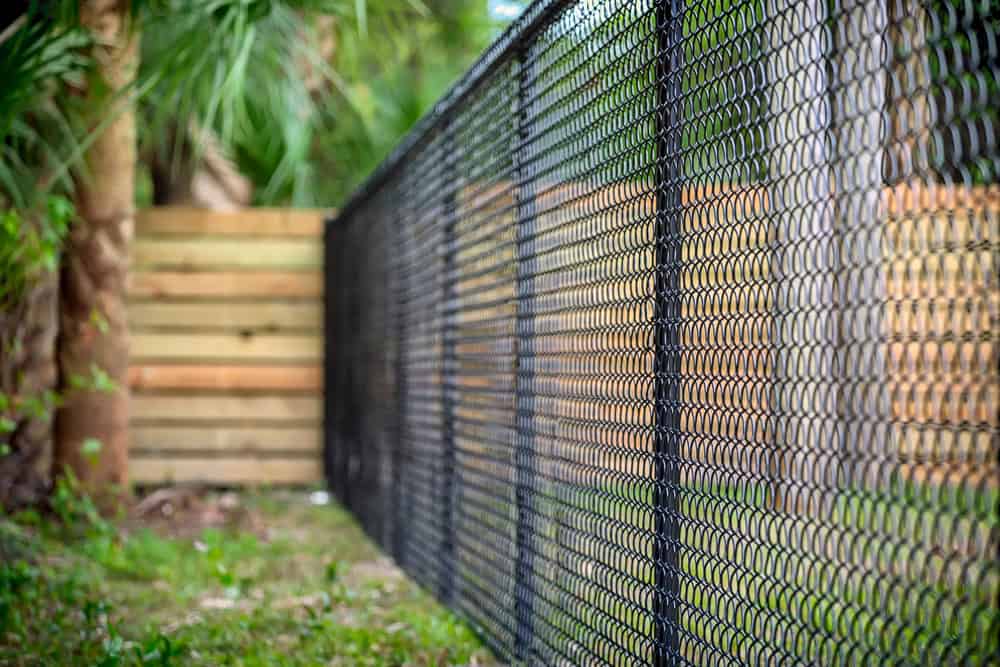
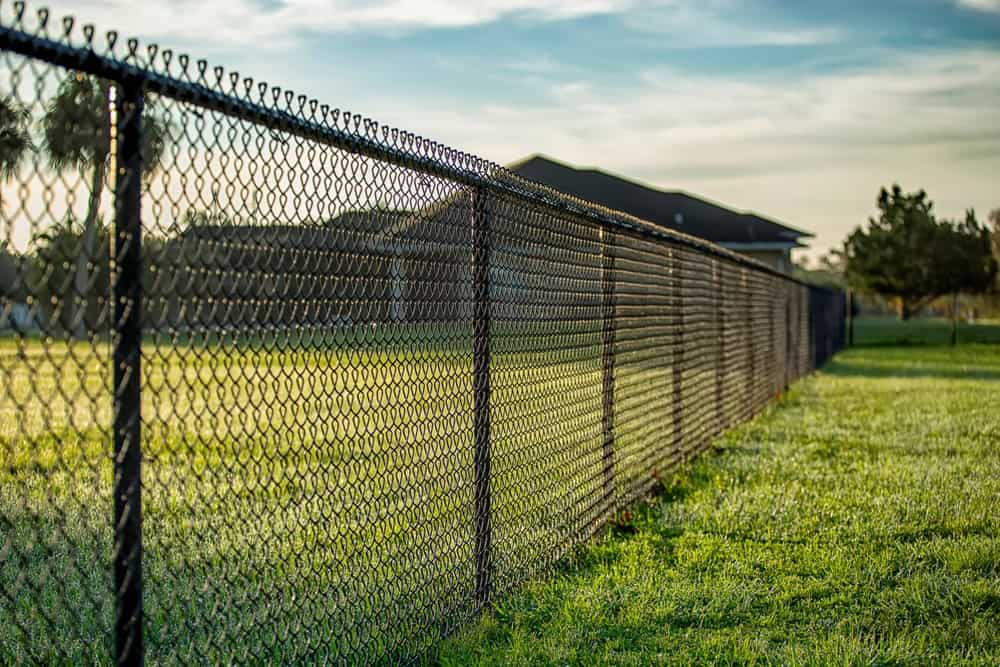
Your kids and pets stay in the yard. Your property line is clear. And when the next hurricane warning hits Central Florida, you’re not wondering if your fence will still be standing when it’s over.
Chain link installation in Princeton/Silver Star means dealing with humidity, salt air, and wind loads that most of the country never sees. The open weave design reduces wind resistance by 60-80% compared to solid fencing. That flexibility lets the mesh bend under pressure and return to shape instead of snapping like rigid materials do.
You’re looking at one of the most cost-effective options available. Installation typically runs $10-40 per linear foot depending on height and coating options. That’s significantly less than wood or vinyl, and you won’t be repainting or replacing boards every few years. Galvanized steel handles rust. Vinyl coating adds color and extra corrosion protection if you’re near lakes or dealing with Florida’s constant moisture.
The maintenance is minimal. Once it’s in, it’s in. No staining, no sealing, no rotting boards to replace. You might need to hose it down occasionally, but that’s about it.
We’ve been working in Central Florida for over 20 years. We’re licensed, bonded, and insured in the state of Florida, which matters more than you might think when it comes to permits and liability.
We’ve installed chain link fencing through countless hurricane seasons across Lake, Orange, Seminole, and surrounding counties. Princeton and Silver Star properties face the same challenges: sandy soil, high water tables, and building codes designed around wind resistance. We know what works here and what doesn’t.
Our installations meet Florida Building Code requirements, including the 4-foot minimum for pool enclosures. We handle permits, we show up when we say we will, and we don’t leave your property torn up for weeks. You’ll work with the same crew from start to finish.
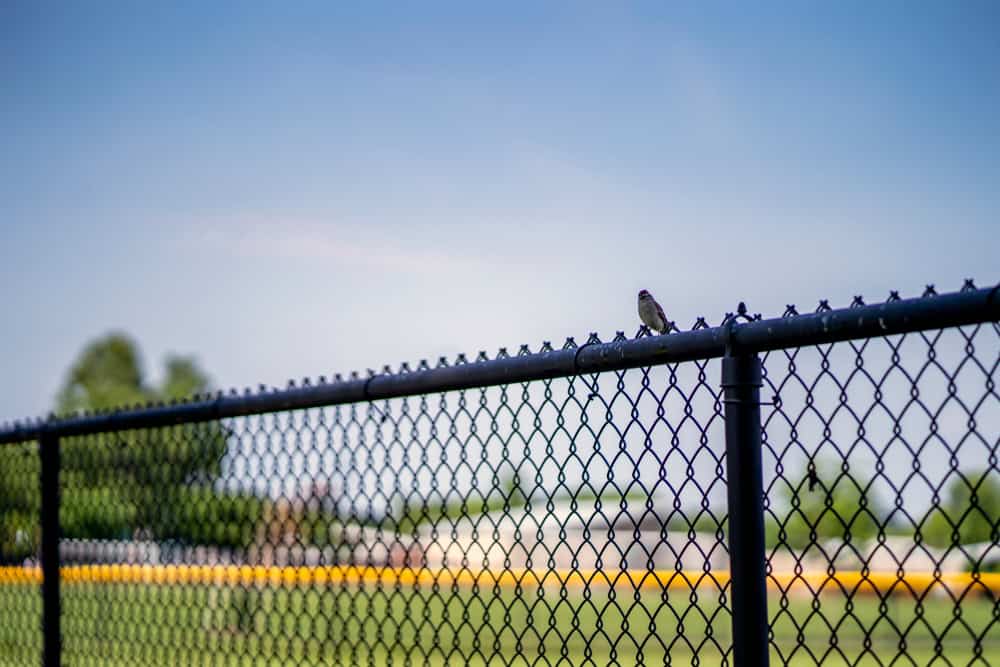
First, we come out to look at your property. We measure the perimeter, check for underground utilities, discuss height preferences, and go over galvanized versus vinyl-coated options. You’ll get transparent pricing with no surprise charges later.
Once you approve the quote, we pull the necessary permits. In Florida, you can’t just start digging without checking for utilities and getting approval. Skipping this step leads to fines and orders to tear everything down. We handle that paperwork.
Installation day starts with marking post locations and digging holes. In Princeton/Silver Star’s sandy soil, we set posts in concrete to ensure stability during storms. Terminal posts go in first at corners and gates, then line posts in between. After the concrete cures, we stretch the mesh fabric tight and secure it to the framework. Gates get hung, tension wire goes in at the bottom if needed, and we clean up completely.
Most residential installations take one to three days depending on property size and terrain. You’re not dealing with weeks of disruption.
Ready to get started?
You get a complete installation using commercial-grade materials. We use galvanized steel posts and framework designed for Florida’s climate. The mesh fabric comes in different gauges—thicker wire costs more but lasts longer and resists impacts better.
Height options typically range from 4 to 6 feet for residential properties. Four feet meets pool code requirements. Six feet gives you more security and makes it harder for larger dogs to jump. We can go higher for commercial applications.
Vinyl coating adds color options beyond standard silver galvanized. Black, green, and brown are common choices. The coating also provides an extra layer of protection against corrosion, which matters in Florida’s humid environment and if you’re anywhere near water.
Gates are custom-fit to your driveway or walkway width. We install them with proper hardware and latches that actually work long-term. You can add privacy slats later if you want to block sightlines without replacing the entire fence.
The installation includes proper tensioning so the fabric doesn’t sag over time. Bottom tension wire prevents animals from pushing underneath. All posts are set deep enough to handle wind loads, and we use concrete that’s rated for Florida’s soil conditions.
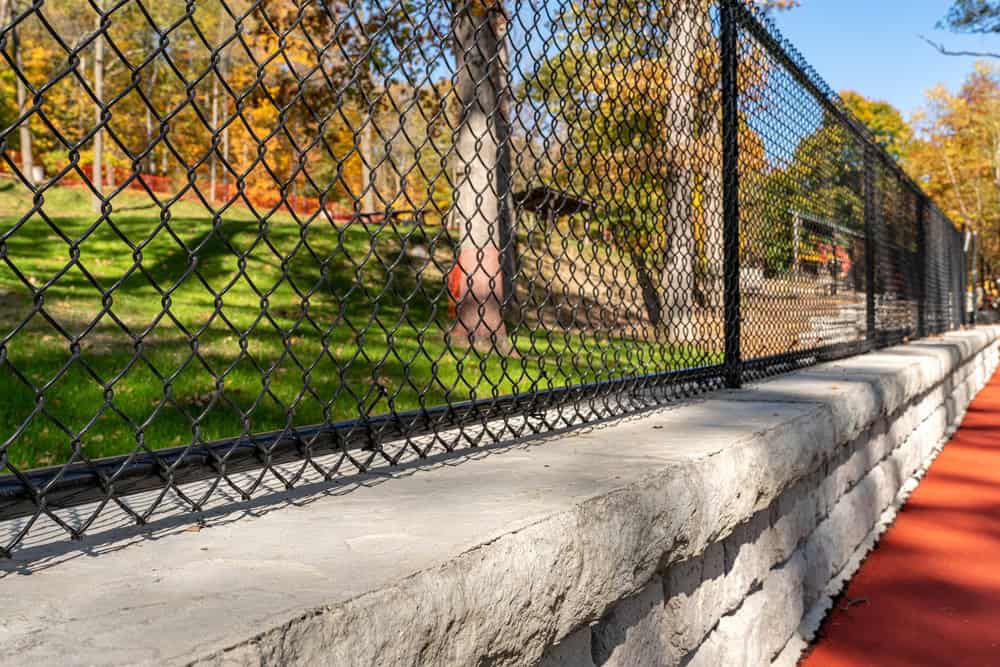
Most residential chain link fence installations in Princeton/Silver Star take one to three days from start to finish. The timeline depends on your property size, how many linear feet we’re installing, terrain challenges, and whether we’re working around existing landscaping.
Day one typically involves setting posts in concrete. Those need 24-48 hours to cure properly before we can tension the fabric. Rushing this step leads to posts shifting later, especially in Florida’s sandy soil and high water table conditions.
Day two or three covers stretching and attaching the mesh, hanging gates, and final adjustments. Larger properties or commercial installations can take longer. We’ll give you a specific timeline during the initial consultation based on your exact project scope.
Chain link fence installation in Princeton/Silver Star typically runs $10-40 per linear foot installed. That range accounts for different heights, coating options, and site conditions. A standard 4-foot galvanized residential fence sits at the lower end. Six-foot vinyl-coated with gates and challenging terrain pushes toward the higher end.
Most homeowners in Central Florida pay between $1,400-4,000 for a complete installation. Labor accounts for roughly half that cost. Materials include posts, rails, fabric, gates, concrete, and hardware.
You’ll pay more for thicker gauge wire, vinyl coating, taller heights, or difficult access. Rocky soil or areas requiring extra excavation add labor time. Gates increase cost based on width and hardware quality. We provide itemized quotes so you know exactly what you’re paying for and why.
Chain link is one of the best fence types for Florida’s hurricane zones. The open weave design allows wind to pass through instead of creating a solid barrier that catches wind load. This reduces pressure by 60-80% compared to privacy fencing.
The mesh fabric flexes under extreme wind without breaking. It can bend significantly during a storm and return to its original shape afterward. Solid fences act like sails—they either hold or they fail catastrophically. Chain link gives you a middle ground that absorbs force.
Proper installation matters more than the material itself. Posts need to be set deep enough with adequate concrete. In Princeton/Silver Star’s sandy soil, we go deeper than minimum code requirements and use concrete rated for Florida conditions. Terminal posts at corners and gates need extra reinforcement since they handle the most stress. If it’s installed correctly, chain link holds up better than most alternatives when hurricanes roll through Central Florida.
Yes, you need a permit for chain link fence installation in Princeton/Silver Star, FL. Florida building codes require permits for most fence installations, and attempting to build without one leads to stop-work orders, fines, and potential requirements to remove the completed fence.
The permit process involves submitting site plans, verifying property lines, checking for utility easements, and ensuring the fence meets height restrictions and setback requirements. Pool enclosures have specific code requirements including minimum 4-foot height and self-closing, self-latching gates.
We handle the permit application as part of our installation service. This includes coordinating with local building departments, scheduling required inspections, and ensuring everything meets Florida Building Code standards. Trying to skip permits might save a couple hundred dollars upfront, but it creates major problems if you ever sell the property or if a neighbor reports unpermitted work.
Chain link requires minimal maintenance compared to other fencing materials. Galvanized steel resists rust naturally, and vinyl coating adds extra corrosion protection. You won’t be painting, staining, or sealing anything annually like you would with wood.
Basic maintenance involves hosing down the fence occasionally to remove dirt, pollen, or salt spray if you’re near water. Check gates periodically to ensure latches work smoothly and hinges aren’t binding. Tighten any loose hardware if you notice it. That’s about it for regular upkeep.
Florida’s humidity and salt air can eventually cause surface rust on galvanized chain link, usually after many years. Vinyl-coated options resist this longer. If you see rust starting, you can treat it with rust converter and touch-up paint. The structural integrity remains sound even with surface oxidation. Most chain link fences in Central Florida last 15-20+ years without major repairs or replacement needs.
Chain link fencing can increase property value, particularly if you’re selling to buyers with children or pets. A fenced yard is a major selling point for families who need contained outdoor space. It also appeals to dog owners who won’t consider properties without secure boundaries.
The value increase isn’t as dramatic as premium materials like ornamental aluminum or custom wood, but chain link offers better ROI because of the lower installation cost. You’re spending less upfront while still providing the functional benefit buyers want.
In Princeton/Silver Star’s market, a well-maintained chain link fence signals that the property is secure and ready for immediate use. Buyers don’t need to budget for fence installation after closing. Properties with fenced yards typically sell faster than comparable homes without fencing. The security aspect also matters for insurance purposes and general peace of mind, which buyers factor into their decision even if they don’t explicitly calculate a dollar amount.
Other Services we provide in Princeton/Silver Star