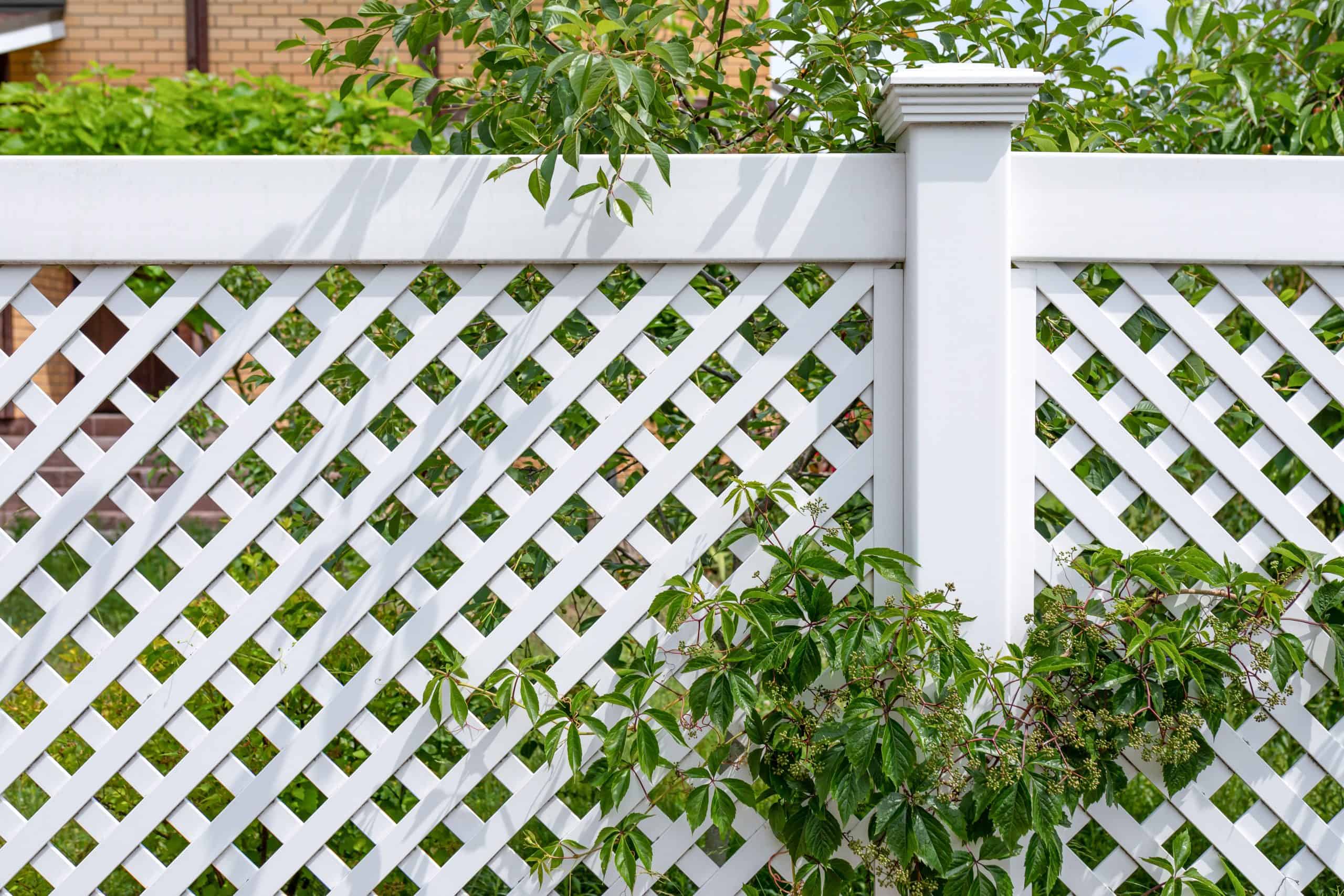
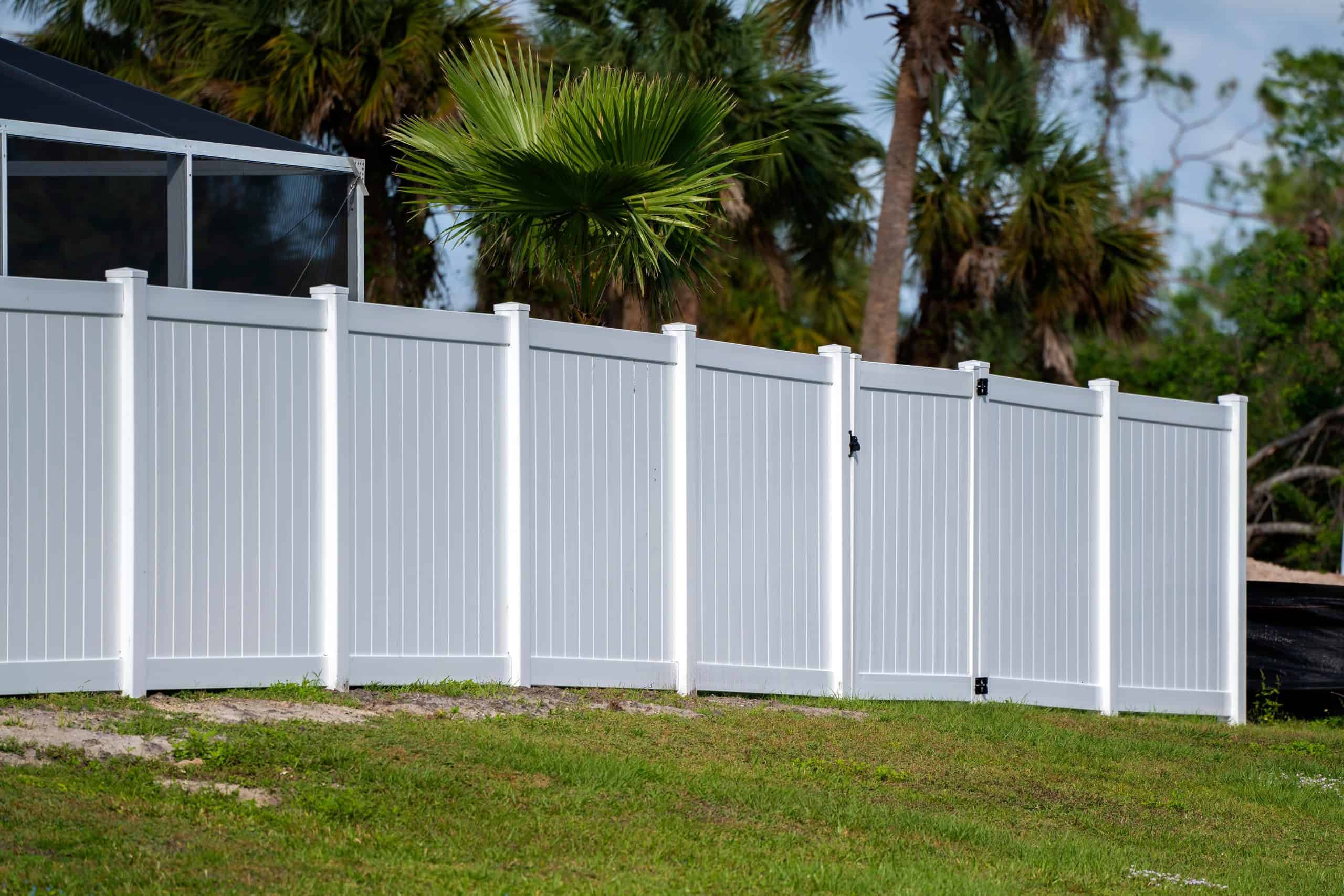
You’re not spending weekends scraping, painting, or replacing rotted boards. Vinyl doesn’t warp in the heat, won’t attract termites, and holds up through storms without falling apart. That’s what makes it worth considering if you’re tired of dealing with wood that needs constant attention.
Your yard stays private. The panels fit tight, so you’re not dealing with gaps that let neighbors see in or noise that travels through. If you’ve got kids or dogs, that matters.
And when Florida throws another round of heavy rain or high winds your way, vinyl flexes instead of cracking. It’s engineered for this climate. You rinse it off once in a while, and it keeps looking clean. No staining, no sealing, no repainting every few years. Just a fence that does its job without asking much from you.
We serve Central Florida, including Altoona and the surrounding Lake County area. We install residential vinyl fence systems for homeowners who want something that lasts without the maintenance load.
We’re not the cheapest option, and that’s intentional. You’re paying for materials that won’t fail in two years and installation that accounts for Florida’s sandy soil and wind zones. That means deeper post holes, proper concrete footings, and attention to how your property drains during heavy rain.
Altoona sits in an area where properties have space, and homeowners expect their fences to handle the weather without constant repairs. We build for that reality.

First, we walk your property line. That’s where we check for underground utilities, irrigation lines, and anything else that could cause problems during installation. We also confirm your property boundaries so the fence goes where it’s supposed to.
Next, we handle permits if your county requires them. Lake County and surrounding areas have different rules depending on fence height and location. We take care of that paperwork so you don’t end up with a fence you have to remove later.
Installation starts with post placement. In Florida’s sandy soil, that means digging deeper than standard and using concrete to anchor each post. Vinyl fence panels get installed between those posts, and we make sure everything’s level and secure. You’ll see the difference when the next storm rolls through and your fence is still standing while others aren’t.
Final walkthrough happens after cleanup. We check every panel, every gate, and make sure you know how to maintain it. With vinyl, that’s simple: spray it down when it gets dirty. That’s it.

Ready to get started?
You’re getting commercial-grade vinyl materials rated for high-velocity wind zones. That’s not marketing language—it’s the actual engineering standard for Florida’s climate. These panels are built to flex under pressure instead of snapping, which matters when wind speeds pick up.
Installation includes concrete footings for every post. In Altoona and the broader Lake County area, sandy soil doesn’t hold posts the way clay does. We account for that with deeper holes and proper concrete mix. Your fence won’t lean or shift after a few months.
If you need gates, those get the same attention. We install heavy-duty hinges and latches that won’t rust out in Florida’s humidity. And if you’ve got slopes or uneven ground, we adjust panel heights so everything looks intentional, not like a rushed job.
You also get a clear timeline before we start. Weather delays happen in Florida, but we don’t leave you guessing. And if we find an issue during installation—like a utility line that wasn’t marked—we stop, handle it properly, and keep you informed. No surprises on the final bill.

Most residential vinyl fence installation in Central Florida runs between $15 and $40 per linear foot, depending on height, style, and site conditions. A standard privacy fence for a typical backyard—let’s say 150 linear feet—usually lands between $2,200 and $6,000.
That range accounts for differences in panel quality, post spacing, and how much site prep your property needs. If you’ve got slopes, underground utilities that need locating, or soil that requires extra concrete, that affects the final number.
We don’t give quotes over the phone because every property is different. What we do is walk your site, measure accurately, and give you a written estimate that includes materials, labor, permits, and cleanup. No line items that mysteriously appear later.
Vinyl fences typically last 25 to 30 years in Florida if they’re installed correctly. That’s longer than wood, which might give you 10 to 15 years before rot and termites become problems you can’t ignore.
The key is installation quality. Vinyl panels themselves resist moisture, UV damage, and pests, but if the posts aren’t anchored properly in Florida’s sandy soil, you’ll have issues. Wind gets under a loose fence, and panels start pulling away from posts. That’s not a material failure—that’s installation cutting corners.
You’re also looking at virtually zero maintenance over those 25-plus years. No painting, no staining, no replacing boards. You rinse it down when pollen builds up or after a storm kicks up dirt. That’s the entire maintenance schedule.
A well-installed vinyl fence typically returns about 50% of its cost when you sell, according to Florida real estate data. That’s not a full return, but it’s better than most home improvements, and it makes your property more appealing to buyers who want privacy and low maintenance.
In areas like Altoona and Lake County, where properties have more land, fencing signals that the yard is usable and private. Buyers with kids or pets see that as a major plus. It also shows that you’ve maintained the property and invested in durable materials.
Beyond resale value, some homeowners see a decrease in insurance premiums after installing a privacy fence. The added security can qualify you for discounts, though that varies by insurer. It’s worth asking your insurance agent about before you install.
Lake County requires permits for most fence installations, especially if your fence is over four feet tall or located near a road or property line. The rules get more specific depending on whether you’re in city limits or an unincorporated area.
If you’re part of an HOA, you’ll need their approval before you apply for a county permit. Some HOAs have restrictions on fence height, color, or style. Skipping that step can mean tearing down a finished fence and starting over, which is exactly as expensive and frustrating as it sounds.
We handle permit applications as part of the installation process. That includes submitting site plans, coordinating inspections, and making sure everything meets local code. You don’t have to figure out which office to visit or what paperwork they need.
Vinyl doesn’t rot, warp, or attract termites. In Florida’s humid climate, that’s a significant advantage. Wood fences look great when they’re new, but within a few years, you’re dealing with moisture damage, insect problems, and boards that need replacing.
Maintenance is where the difference really shows up. Wood requires staining or painting every two to three years to protect it from weather and UV damage. Vinyl requires a hose and about ten minutes once in a while. Over a 20-year period, you’re saving hundreds of hours and thousands of dollars in upkeep costs.
Wood is usually cheaper upfront, which is why some homeowners choose it. But when you factor in maintenance time, materials for repairs, and the shorter lifespan, vinyl often costs less over time. It depends on whether you’re optimizing for the lowest initial price or the lowest total cost of ownership.
Vinyl fencing rated for high-velocity wind zones can handle sustained winds up to 110 mph when installed correctly. That rating comes from engineering tests, not marketing claims. The panels are designed to flex under pressure instead of snapping, which is how they survive storms that destroy wood fences.
Installation makes the difference. Posts need to be set deeper in Florida—typically 30 to 36 inches instead of the 24 inches you’d use in other states. Concrete footings have to cure properly, and panels need to be secured with the right hardware. If any of that gets skipped, your fence won’t perform the way it’s supposed to.
We’ve installed vinyl fences throughout Central Florida that have been through multiple hurricane seasons without damage. That doesn’t mean every vinyl fence will survive every storm, but proper installation dramatically improves your odds. And if you do get damage, vinyl panels can often be replaced individually instead of rebuilding entire sections.
Other Services we provide in Altoona