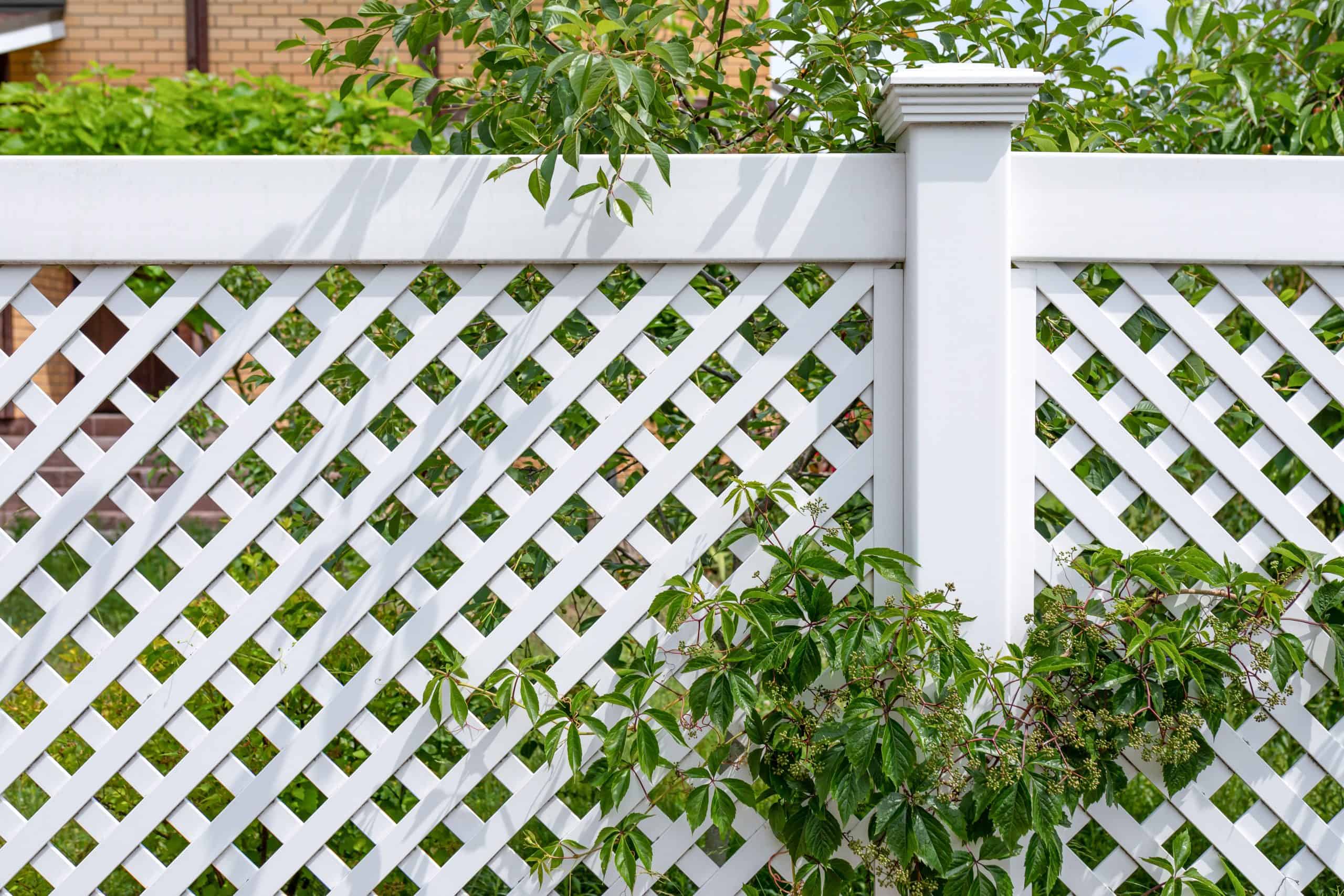
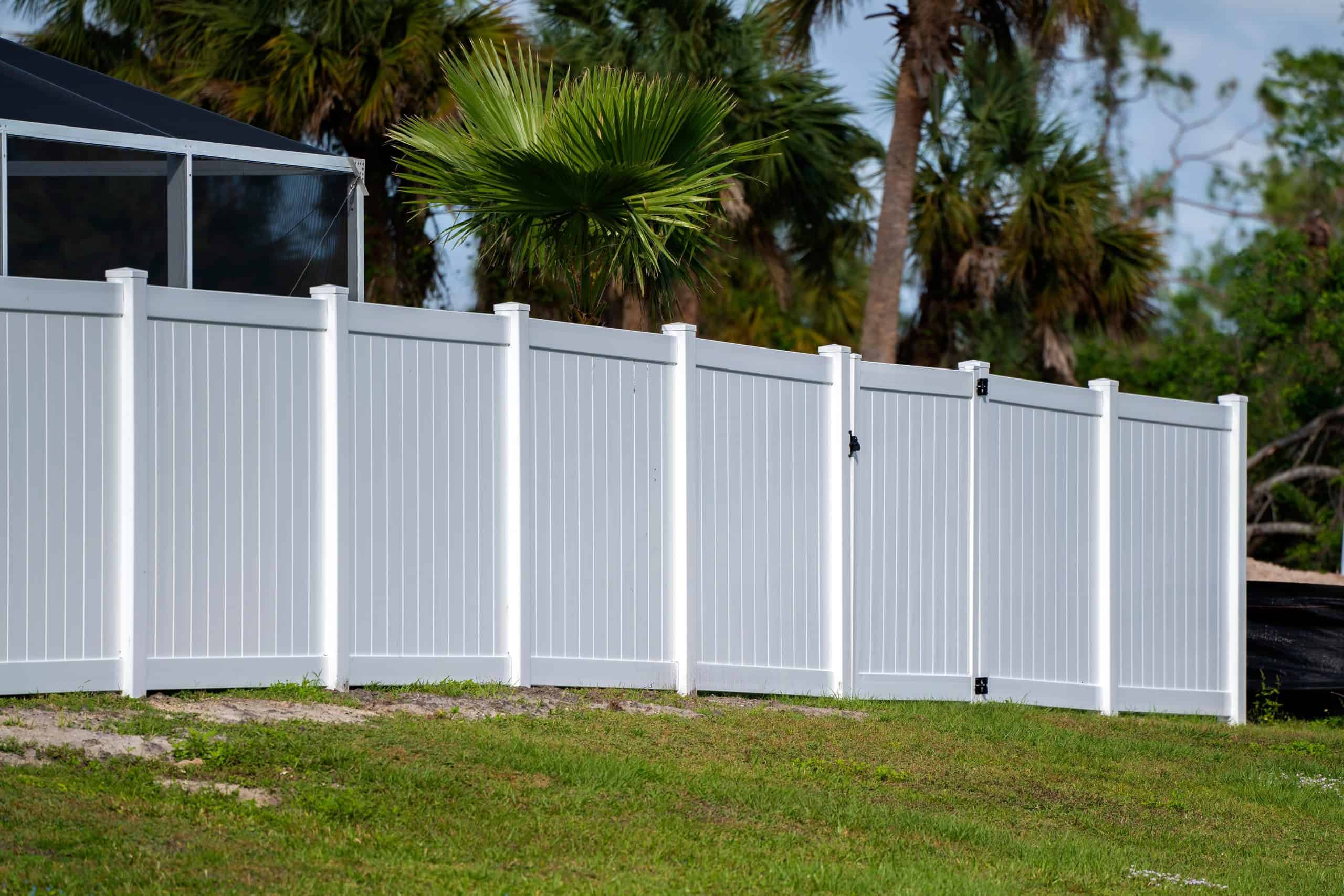
You’re not just putting up a fence. You’re eliminating the weekend staining projects, the rotted boards after summer storms, and the splinters your kids find the hard way.
Vinyl fences in East Park, FL handle what wood and metal can’t. They don’t rust in humidity. They don’t warp when it’s 95 degrees for three months straight. And when hurricane season rolls around, properly installed vinyl privacy fencing holds up where other materials fail.
The upfront cost runs higher than wood, but you’re done paying after installation. No painting. No sealing. No replacing boards every few years. Most homeowners recover 50-70% of the installation cost when they sell, and buyers see a fenced yard as move-in ready, especially the 62% who own pets.
If you want your yard private enough to use in pajamas, secure enough that your dog stays put, and low-maintenance enough that you forget it’s even there, that’s what residential vinyl fence installation delivers.
We serve East Park and the surrounding Central Florida counties with vinyl fence installation that’s built for this climate. We’re not dropping in from out of state with generic solutions. We know what July storms do to fencing, and we know what materials hold up.
Our installation teams use Miami-Dade County approved vinyl systems engineered for high-velocity hurricane zones. That’s not marketing language. That’s the certification your insurance company cares about and the durability your property needs.
We’ve been installing, repairing, and replacing fences across Lake, Orange, Seminole, Brevard, Volusia, Osceola, Polk, Sumter, and Marion counties. You get transparent pricing, no surprise fees, and installations that don’t drag on for weeks. We show up, do the work right, and leave your property cleaner than we found it.

First, we assess your property. That means walking the perimeter, checking for drainage issues, underground utilities, and property lines. You’d be surprised how many contractors skip this and end up installing fences in the wrong spot or hitting sprinkler lines.
Next, we discuss what you need. Privacy from neighbors? A secure area for your dog? Something that blocks street noise? The height, style, and gate placement all depend on how you actually use your yard, not what looks good in a brochure.
Then we handle permits and HOA requirements if applicable. East Park properties sometimes have specific codes about fence height and setback distances. We deal with that paperwork so you don’t have to guess whether you’re compliant.
Installation starts with setting posts in concrete, properly spaced and leveled. Vinyl fence panels installation requires precision because there’s no room for adjustment once the posts cure. We install rails, attach panels, hang gates, and make sure everything operates smoothly. The whole process typically takes one to three days depending on your property size.
After installation, you’re done. No staining next month. No touch-ups next year. Just a fence that works.

Ready to get started?
You get materials rated for Florida’s climate. That means UV-resistant vinyl that won’t fade to a chalky gray after two summers, and impact-resistant panels that handle flying debris during storms. We’re not using the cheapest vinyl available. We’re using what actually lasts here.
Installation includes proper post depth and concrete footing. In East Park’s sandy soil, that matters more than most homeowners realize. Shallow posts mean your fence leans after the first heavy rain. We dig deep and set them right.
Your vinyl fence installation cost covers gates with stainless steel hardware that won’t corrode, professional-grade hinges and latches, and any necessary adjustments to ensure smooth operation. If your property has slopes or irregular terrain, we account for that with stepped or racked panels that follow the grade without leaving gaps.
Vinyl fences in East Park, FL typically run between $23 and $40 per linear foot installed, depending on height and style. Privacy fences cost more than picket styles. Taller fences require more material. But you’re looking at a 20-30 year lifespan with zero maintenance, compared to wood that needs attention every few years and still rots out in a decade.

Most residential vinyl fence installations in East Park take one to three days. Smaller yards with straightforward layouts and easy access get done faster. Larger properties, or those with slopes, trees, or tricky gate placements, take longer.
Weather affects the timeline too. We can’t pour concrete footings in heavy rain, and Florida’s afternoon storms sometimes push work to the next day. But we don’t rush installations to meet arbitrary deadlines. Your fence needs time for posts to cure properly, usually 24-48 hours before we attach panels.
If you’re replacing an old fence, add time for removal and disposal. Tearing out an existing wood or chain link fence and hauling it away adds half a day to a full day depending on the size and condition. We handle that as part of the job so you’re not left with a pile of debris.
Yes, if it’s installed correctly with hurricane-rated materials. Standard vinyl privacy fences are strong enough to withstand hurricane wind exposure when properly anchored. We use Miami-Dade County approved systems that have passed high-velocity hurricane zone testing, which is the toughest certification available in North America.
The key is installation quality. Posts need to be set deep in concrete, panels need secure connections, and gates need heavy-duty hardware. Cheap installations with shallow posts or inadequate bracing fail during storms. Properly installed vinyl fences flex slightly under extreme wind pressure instead of snapping, which is why they survive when rigid materials don’t.
That said, no fence is completely hurricane-proof. Category 4 and 5 storms can damage any structure. But vinyl fencing performs better than wood, which rots at connection points and breaks apart, and better than metal, which bends permanently or tears loose from posts.
Pretty much. You’ll want to hose it down once or twice a year to remove pollen, dirt, and mildew, but that’s it. No painting, no staining, no sealing, and no replacing rotted boards.
Vinyl doesn’t absorb water, so it won’t rot or swell in Florida’s humidity. It doesn’t rust like metal fencing. It won’t splinter like wood. The color goes all the way through the material, so scratches don’t expose raw wood that needs immediate touch-up.
Mildew can grow on any outdoor surface in Florida, including vinyl, but it wipes off with soap and water. You’re not scrubbing and repainting like you would with wood. Most homeowners just spray the fence with a garden hose during regular yard maintenance and forget about it. If you want to deep clean it, a soft brush and mild detergent work fine. That’s the extent of vinyl fence maintenance.
Nothing. Vinyl and PVC are the same material. PVC stands for polyvinyl chloride, which is the technical name for vinyl. Some manufacturers use one term, some use the other, but they’re describing the same product.
The confusion comes from how the industry uses these terms. “Vinyl fencing” usually refers to the finished product you install in your yard. “PVC” sometimes refers to the raw material or the pipes and posts used in construction. But chemically and functionally, they’re identical.
What matters more than terminology is the quality of the vinyl. Cheaper vinyl fencing uses thinner walls and lower-grade materials that become brittle over time. Higher-quality vinyl uses thicker profiles, impact modifiers, and UV stabilizers that keep it strong and prevent fading. When you’re comparing vinyl fence contractors in East Park, ask about wall thickness and UV ratings, not whether they call it vinyl or PVC.
You can, but most homeowners regret it. Vinyl fence installation looks straightforward until you’re three posts in and realize they’re not level, not aligned, and the panels don’t fit right.
The biggest issues are setting posts correctly and dealing with property irregularities. Posts need to be perfectly plumb and spaced exactly right, or panels won’t attach properly. If your yard has any slope, you need to step or rack the panels, which requires experience to do without leaving gaps. And if you hit a sprinkler line, tree root, or underground utility, you’re dealing with expensive repairs on top of the fence project.
Then there’s the permit and code compliance issue. Many East Park properties require permits for fence installation, and inspectors will flag improper installations. If you sell your house later and the fence wasn’t permitted, that becomes a problem during closing.
Professional vinyl fence installation costs more upfront, but you get proper post depth, level panels, working gates, and someone who handles the permit paperwork. Most DIY installations end up costing more once you factor in rented equipment, mistakes, and the time spent fixing problems.
Vinyl fence installation in East Park typically costs between $23 and $40 per linear foot installed. A standard backyard privacy fence for a quarter-acre lot runs somewhere between $3,500 and $7,000 depending on height, style, and site conditions.
Four-foot picket fences cost less than six-foot privacy fences because they use less material. Simple straight runs cost less than layouts with multiple corners and gates. Properties with easy access and level ground cost less than those with slopes, trees, or difficult terrain.
The price includes materials, labor, post installation with concrete footings, gates with hardware, and cleanup. It doesn’t usually include removing an existing fence, which adds to the total if you’re replacing old fencing. Permits, if required, are sometimes separate.
Vinyl costs more than wood upfront but less over time. Wood fences need staining or painting every few years, plus board replacement as they rot. Over a 20-year period, vinyl ends up cheaper because you’re not paying for ongoing maintenance. And when you sell, you typically recover 50-70% of the installation cost through increased property value.