You’re looking at a fence that handles Central Florida’s heat, humidity, and storm season without constant maintenance. No repainting every few years. No rotting boards to replace. No termite damage eating away at your investment.
Vinyl fence installation in Rainbow Park, FL means you rinse it with a garden hose once or twice a year and you’re done. The material flexes during high winds instead of snapping, which matters when you’re in a region that sees hurricane-force gusts. Most quality vinyl fences last 20 to 30 years with minimal upkeep.
The upfront cost runs higher than wood—usually $15 to $40 per linear foot depending on style and height. But you’re not paying for stain, sealant, or repairs down the line. You’re also adding value to your property with a clean, uniform look that doesn’t fade or splinter over time.
We brought the same level of craftsmanship to Lake County in 2004 that earned us recognition in Atlanta since 1992. We’re licensed, bonded, and insured, serving Rainbow Park and surrounding communities across Lake, Orange, Seminole, Brevard, Volusia, Osceola, Polk, Sumter, and Marion counties.
Rainbow Park sits in a residential area where homes average around 1,500 square feet, many built in 2000 or later. Homeowners here expect fencing that fits suburban life—privacy for backyards, security around pools, and curb appeal that holds up. We install vinyl fencing that meets Florida’s building codes and handles the climate without becoming a maintenance project.
Orlando Magazine recognized us in their 2025 Home Design Awards. That reflects years of transparent pricing, quality materials, and installations that don’t cut corners.

You reach out, and we schedule a time to assess your property. We measure the area, discuss height requirements, style preferences, and any local regulations that apply. Florida typically limits front yard fences to four feet and allows up to six feet in backyards. If you have a pool, state law requires a fence at least four feet high with specific safety features.
Once we agree on design and cost, we pull the necessary permits. All vinyl fence installations in Central Florida require permits, and skipping that step leads to fines or forced removal. We handle the paperwork so you don’t have to track down county offices.
Installation starts with marking property lines and setting posts. Vinyl fencing systems use reinforced posts and rails engineered to withstand at least 75 mph winds, which is critical in a storm-prone region. We level everything, secure the panels, and make sure gates operate smoothly. The process usually wraps up in a few days depending on the size of your property.
After installation, you get a fence that requires almost no upkeep. A quick rinse removes pollen and dust. No painting. No sealing. No rust treatment. Just a clean, durable barrier that does its job for decades.

Ready to get started?
Vinyl fence installation cost in Rainbow Park, FL typically breaks down into materials and labor. Materials run $10 to $30 per linear foot depending on style—privacy, picket, or lattice. Labor adds another $5 to $10 per linear foot. You’re looking at a total range of $15 to $40 per linear foot for most residential projects.
That cost covers permitting, site preparation, post installation, panel assembly, and gate hardware. We use top-grade vinyl that’s UV-stabilized to resist fading in Central Florida’s intense sun. The posts are reinforced to meet newer building codes for wind resistance. Gates come with stainless steel hinges and latches that won’t corrode in humid conditions.
Rainbow Park homeowners often choose vinyl for privacy fencing around backyards or pool enclosures. The material doesn’t absorb moisture, so it won’t warp or develop mold in Florida’s rainy season. It also doesn’t splinter, which makes it safer around kids and pets.
If you’re comparing vinyl to wood, remember that wood requires restaining or repainting every two to three years. Vinyl eliminates that ongoing expense. Over a 20-year span, you save significantly on maintenance costs even though the initial investment is higher.

Vinyl fencing lasts 20 to 30 years in Central Florida with proper installation and minimal upkeep. The material doesn’t rot, warp, or absorb moisture, which are the main reasons wood fences fail in humid climates. UV-stabilized vinyl resists fading even under constant sun exposure.
Florida’s weather tests fencing harder than most regions. High humidity, intense heat, and hurricane-season winds all take a toll. Vinyl holds up because it flexes during wind gusts instead of cracking or breaking. Quality vinyl fencing is engineered to withstand at least 75 mph winds, which meets the standards for storm-prone areas.
You’ll need to rinse the fence once or twice a year to remove pollen and dirt. That’s the extent of maintenance. No painting, no sealing, no termite treatments. The fence keeps its clean appearance and structural integrity for decades without ongoing costs.
Yes, vinyl fencing increases property value by improving curb appeal, adding security, and reducing maintenance concerns for future buyers. Homes in Rainbow Park with well-installed fencing typically attract more interest because buyers see it as a long-term upgrade that won’t require immediate attention.
Vinyl fencing is viewed as a premium material compared to wood or chain link. It signals that the property has been maintained and that the homeowner invested in quality. The clean, uniform look also enhances the overall appearance of the yard, which matters during showings and appraisals.
In a market where median home values range from $179,000 to $415,000 depending on the specific area, fencing that lasts 20 to 30 years without repainting or repairs is a selling point. Buyers factor in the cost and hassle they’ll avoid by not having to replace or maintain the fence in the near future.
Vinyl fences offer more privacy and noise reduction, while aluminum fences provide visibility and a more decorative look. Both materials handle Florida’s climate well, but they serve different purposes depending on what you need from your fencing.
Vinyl is solid and opaque, making it ideal for privacy fencing around backyards or pool areas. It blocks sightlines and dampens sound, which matters if you’re close to neighbors or a busy road. Aluminum fences have open designs with vertical pickets, so they don’t provide privacy but they do allow airflow and maintain visibility. Aluminum is often used for front yards, decorative borders, or areas where you want security without blocking the view.
Cost-wise, vinyl and aluminum fall into similar ranges—$15 to $40 per linear foot installed. Vinyl requires almost no maintenance, while aluminum may need occasional cleaning to prevent oxidation in coastal areas. Both materials resist rust and corrosion better than steel or iron, which is important in Central Florida’s humid environment.
Yes, all vinyl fence installations in Central Florida require permits before you start the project. Skipping the permit process can result in fines, forced removal of the fence, or complications when you try to sell your property. Local building departments enforce these rules to ensure fences meet safety and structural standards.
The permit process involves submitting a site plan that shows property lines, fence height, and placement. Florida typically limits front yard fences to four feet and allows up to six feet in backyards. If you’re installing a pool fence, state law requires at least four feet in height with specific gate and latch requirements to prevent unsupervised access by children.
We handle the permit paperwork as part of the installation process. We submit the plans, coordinate inspections, and make sure everything complies with local codes. That removes the hassle of navigating county offices and ensures your fence is legal and properly documented.
Vinyl fencing holds up well during hurricanes because the material flexes under wind pressure instead of snapping or breaking. Quality vinyl fences are engineered to withstand at least 75 mph winds, which covers most tropical storm and lower-category hurricane conditions. Proper installation with reinforced posts and secure footings is critical to performance during severe weather.
Florida’s building codes have been updated in recent years to require stronger fencing materials and installation methods in storm-prone areas. Vinyl fencing systems now use thicker posts, deeper footings, and reinforced rails to meet these standards. The flexibility of vinyl is an advantage—it bends during gusts and returns to its original shape rather than cracking like rigid materials.
That said, no fence is completely hurricane-proof. In extreme wind events, any fencing can become a projectile or suffer damage. But vinyl performs better than wood, which can splinter and break apart, or chain link, which can bend and warp permanently. After a storm, vinyl fences typically require minimal repairs compared to other materials.
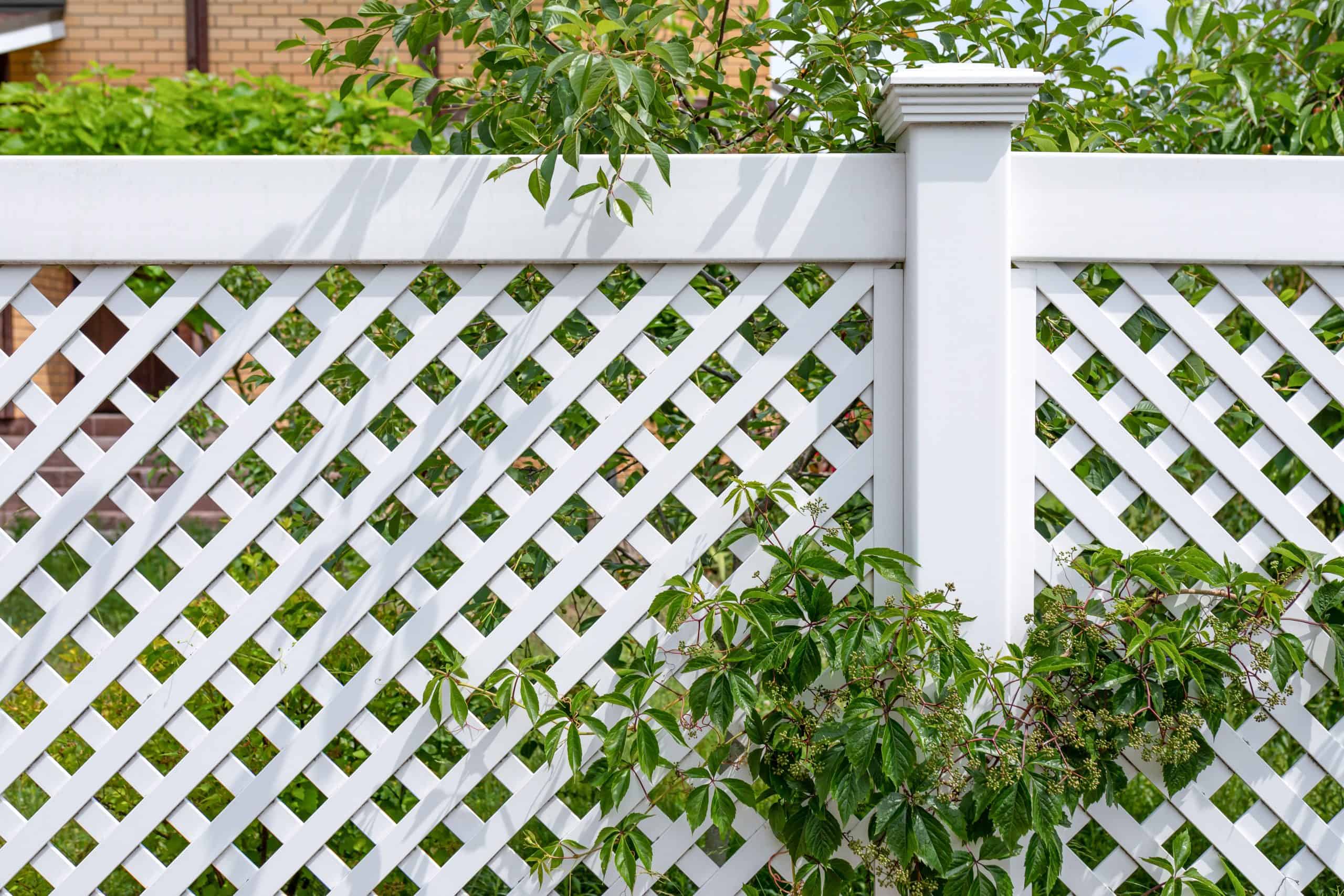
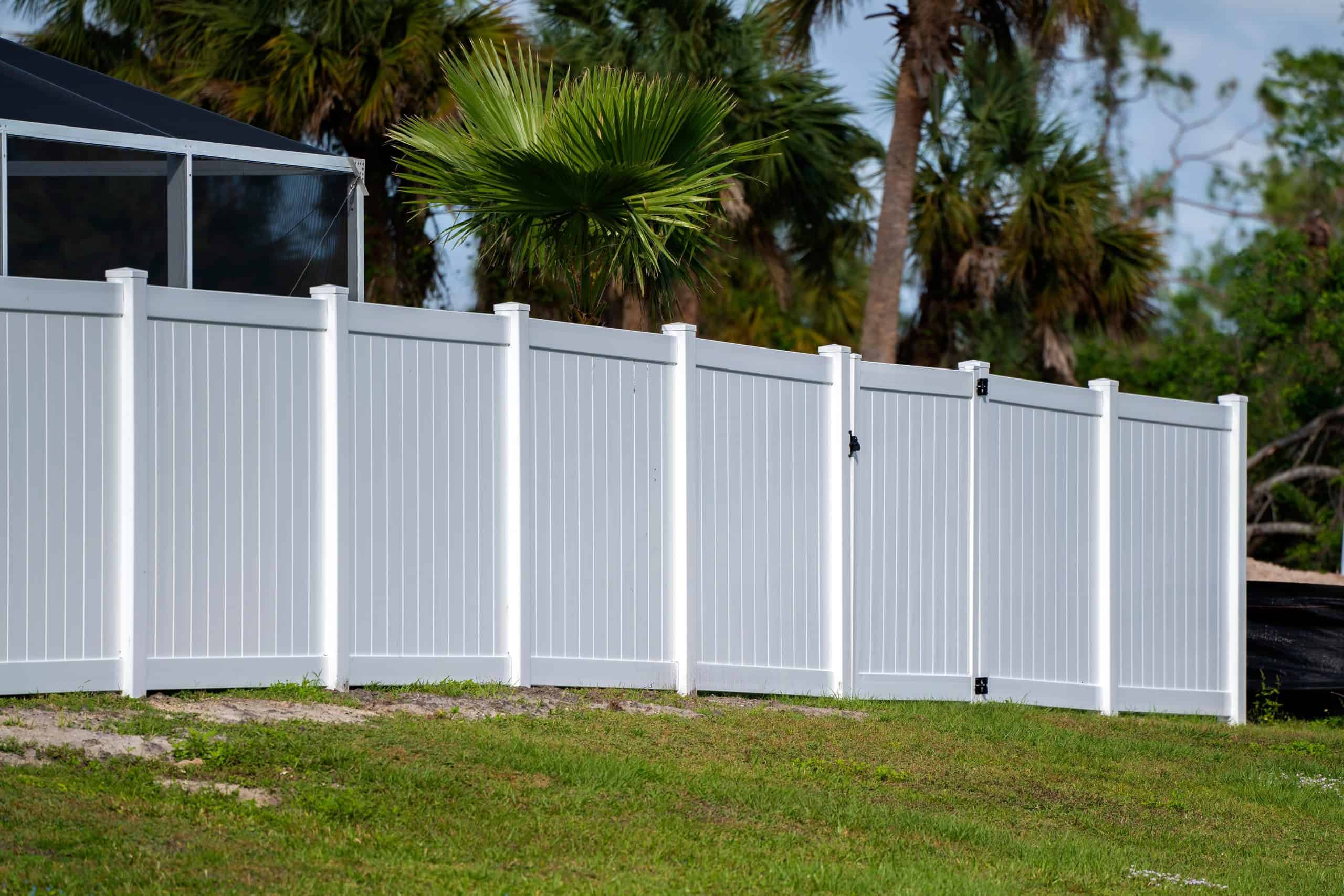
Vinyl fences come in several styles including privacy, picket, lattice, and semi-privacy designs. Privacy fences are solid panels that block sightlines and provide full enclosure, usually installed at six feet in backyards. Picket fences have spaced vertical slats and are shorter, often used in front yards or as decorative borders. Lattice fences feature crisscross patterns that allow some visibility while still defining boundaries.
You can also customize vinyl fencing with different colors, textures, and post caps. Most homeowners in Rainbow Park choose white or tan to match their home’s exterior, but gray and other neutral tones are available. Some vinyl fencing mimics the look of wood grain for a more traditional appearance without the maintenance wood requires.
Height options typically range from three to six feet depending on placement and local regulations. Gates can be customized with different widths and hardware to accommodate driveways, walkways, or equipment access. The key is choosing a style that fits your property’s layout and meets any homeowner association or county requirements that apply in your area.