You’re done repainting every two years. Done scraping off mold. Done replacing rotted boards after a heavy rain season.
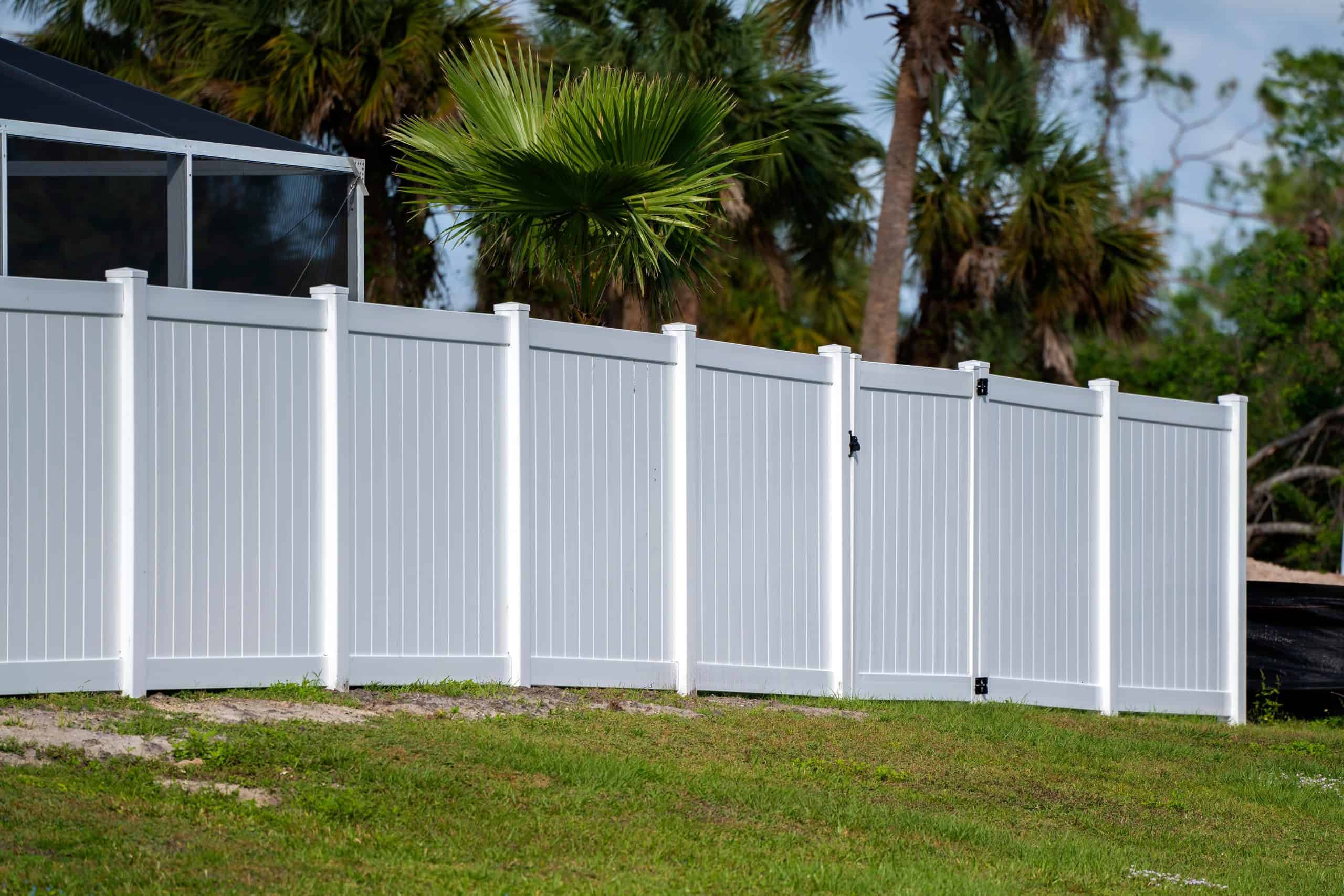
Vinyl fencing means you rinse it with a hose once or twice a year and move on with your life. No staining, no sealing, no splinters. It doesn’t warp in the humidity or fade under South Division’s relentless sun. Insects can’t touch it, and rot isn’t even in the equation.
The upfront cost runs higher than wood—usually around $20 to $25 per linear foot installed. But you’re not paying for repairs or repaints for the next 20 to 30 years. That’s where the math starts working in your favor. You’re buying time back and cutting out the recurring costs that make wood fencing expensive over its actual lifespan.
If your property backs up to a busy street or you’ve got kids and dogs running around, vinyl gives you the privacy and security you need without turning into a weekend project every few months.
We’ve been working in Central Florida for over two decades. We’ve seen what holds up in South Division and what doesn’t.
We’re not the cheapest option, and we don’t try to be. What we do is use top-grade vinyl materials designed specifically for Florida’s weather, install them correctly, and make sure you know exactly what you’re paying for before we start. No surprise fees, no shortcuts, no excuses.
We cover South Division and the surrounding areas across Lake, Orange, Seminole, Brevard, Volusia, Osceola, Polk, Sumter, and Marion counties. We show up on time, finish the job efficiently, and leave your property cleaner than we found it.

First, we come out to your property and take measurements. We talk through what you’re looking for—height, style, gate placement, any obstacles we need to work around. You’ll get a transparent quote that breaks down materials, labor, and timeline.
Once you approve, we schedule the installation. Our crew marks utility lines, sets the posts in concrete, and installs the vinyl fence panels. The rails snap into place, and the whole system locks together without nails or screws that rust out over time.
Most residential vinyl fence installations in South Division take one to three days depending on the size of your yard and whether we’re adding gates. We clean up all the debris, walk you through care instructions (which take about 30 seconds), and make sure everything meets your expectations before we leave.
If something doesn’t look right or feel solid, we fix it on the spot. You shouldn’t have to call us back for adjustments.

Ready to get started?
You’re getting commercial-grade vinyl that’s UV-stabilized and impact-resistant. The posts are reinforced, the panels interlock for wind resistance, and the gates come with stainless steel hardware that won’t corrode in Florida’s humidity.
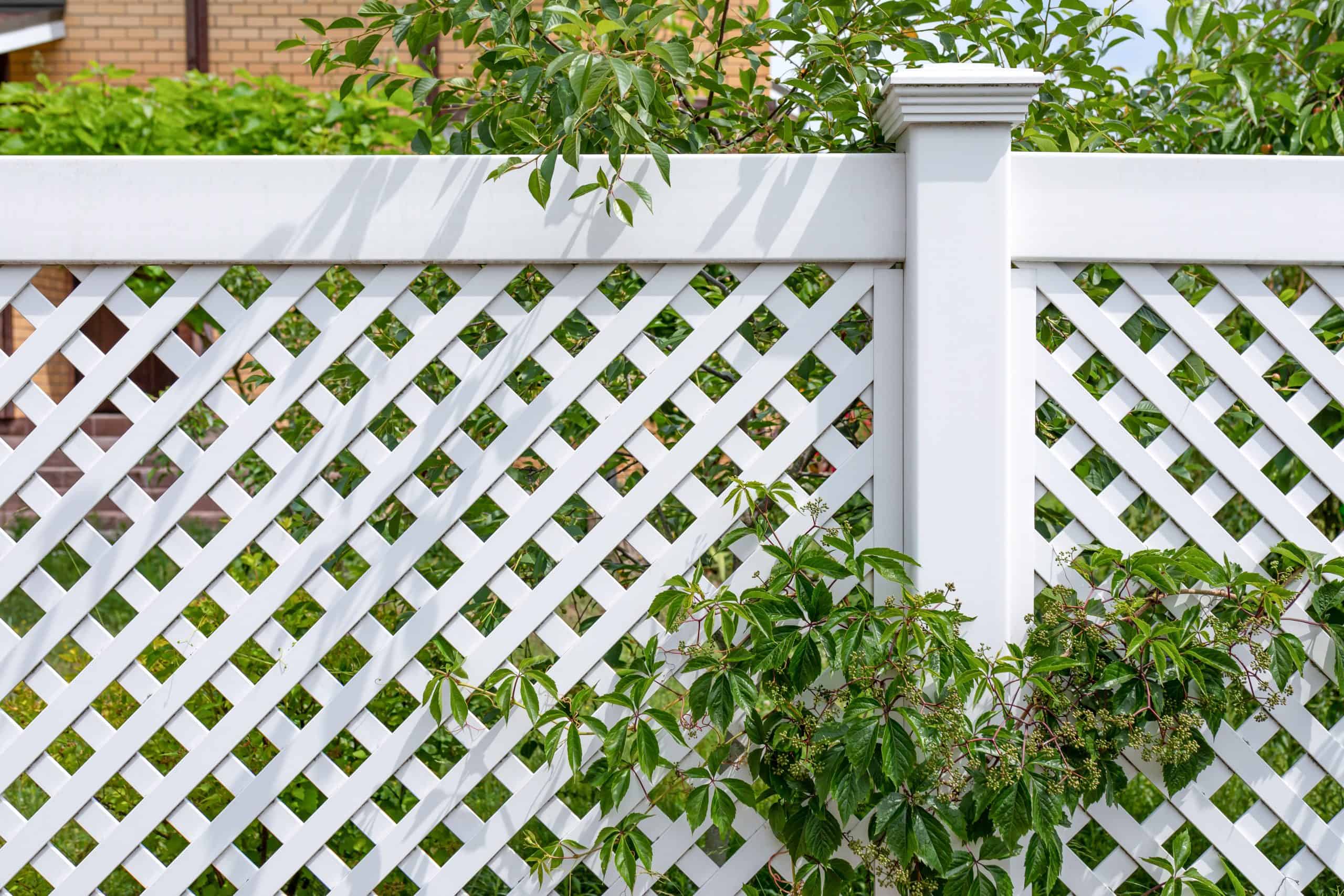
We offer privacy styles, semi-privacy picket designs, and decorative options depending on what your property needs. Colors typically include white, tan, and gray—finishes that don’t fade or yellow over time like cheaper vinyl does.
In South Division, most homeowners go with six-foot privacy fencing for backyards and four-foot picket styles for front yards. If you’re near one of the lakes or dealing with frequent afternoon storms, we recommend reinforced posts and deeper concrete footings. That’s standard for us in this area because we know what the weather does to fencing that’s installed without accounting for Florida’s conditions.
Every installation comes with a walkthrough at the end. We make sure the gates latch properly, the panels sit level, and you’re clear on the warranty coverage. If you ever need a repair or a panel replacement, we keep records of your specific materials so matching them later isn’t a problem.

Most residential vinyl fence installations in South Division run between $20 and $25 per linear foot. That includes materials, labor, posts, gates, and hardware.
A typical backyard fence—say, 150 linear feet—lands somewhere between $3,000 and $3,750 installed. Larger properties or designs with multiple gates and corners will cost more. Smaller sections or straightforward layouts might come in under that range.
The price depends on fence height, style, ground conditions, and how many gates you need. If your yard has a slope or requires extra grading, that adds to the labor. We give you an exact quote after measuring your property so there’s no guessing involved.
A properly installed vinyl fence in South Division should last 20 to 30 years without major issues. The material doesn’t rot, warp, or absorb moisture, so Florida’s humidity and rain don’t break it down the way they do with wood.
UV exposure is the main concern. Cheap vinyl will fade, crack, or become brittle after a few years in direct sunlight. The vinyl we install is UV-stabilized, which means it’s engineered to handle constant sun without deteriorating.
You might need to replace a panel if something impacts it hard enough—a fallen branch during a storm, a lawnmower collision, that kind of thing. But general wear and tear isn’t an issue. Most of the vinyl fences we installed 15 years ago still look nearly identical to the day they went in.
Vinyl fencing is more wind-resistant than wood when it’s installed correctly. The panels flex slightly under pressure instead of snapping, and the interlocking rail system distributes wind load across the entire fence line rather than stressing individual boards.
That said, no fence is hurricane-proof. If you’re in a direct path of a Category 3 or higher storm, you’re likely looking at damage no matter what material you choose. But vinyl handles Florida’s frequent thunderstorms, high winds, and heavy rain better than wood or chain link.
We reinforce posts with concrete and use deeper footings in areas prone to flooding or soft soil. In South Division, that’s standard practice. If a panel does get damaged in a storm, replacing it is straightforward—you’re swapping out one section, not rebuilding the entire fence.
Almost none. You’ll want to rinse it with a garden hose a couple of times a year to remove pollen, dirt, and mildew. If you get algae buildup in shaded areas, a soft brush and soapy water take care of it in a few minutes.
You don’t paint, stain, seal, or treat vinyl fencing. There’s no sanding, no scraping, no annual upkeep. The color goes all the way through the material, so scratches don’t expose a different layer underneath.
Gates might need a hinge adjustment every few years depending on how often they’re used, but that’s a five-minute fix. Check the latch hardware occasionally to make sure it’s still catching properly. That’s it. If you’re used to maintaining a wood fence, vinyl will feel like you’re forgetting something—but you’re not.
You can install vinyl fencing yourself if you’re comfortable with post-hole digging, working with concrete, and getting everything level. The panels snap together, so assembly isn’t complicated once the posts are set.
The hard part is getting the posts perfectly plumb and spaced correctly. If they’re off by even half an inch, the panels won’t fit right, and the fence will look crooked or have gaps. In South Division’s sandy soil, posts also need deeper footings and more concrete to stay stable, especially during the rainy season when the ground shifts.
Most DIY installations take two to three times longer than a professional crew and often require renting equipment. If you make a mistake with post placement, fixing it means digging everything back up and starting over. Hiring a vinyl fence contractor costs more upfront, but you’re paying for experience, proper tools, and a finished product that’s square, solid, and warrantied.
They’re the same material. Vinyl is the common term, PVC (polyvinyl chloride) is the technical name. Some manufacturers call it vinyl fencing, others call it PVC fencing—it’s just branding.
What matters is the quality of the vinyl itself. Lower-grade vinyl uses more filler material and less pure PVC, which makes it brittle and prone to cracking. Higher-grade vinyl has a higher PVC content, thicker walls, and better UV inhibitors, so it lasts longer and holds up better in Florida’s sun.
When you’re comparing quotes, ask about the vinyl grade and wall thickness. Thicker panels (usually 0.07 inches or more) handle impacts better and resist warping. If a contractor won’t tell you the specs or says “all vinyl is the same,” that’s a red flag. It’s not.
Other Services we provide in South Division