
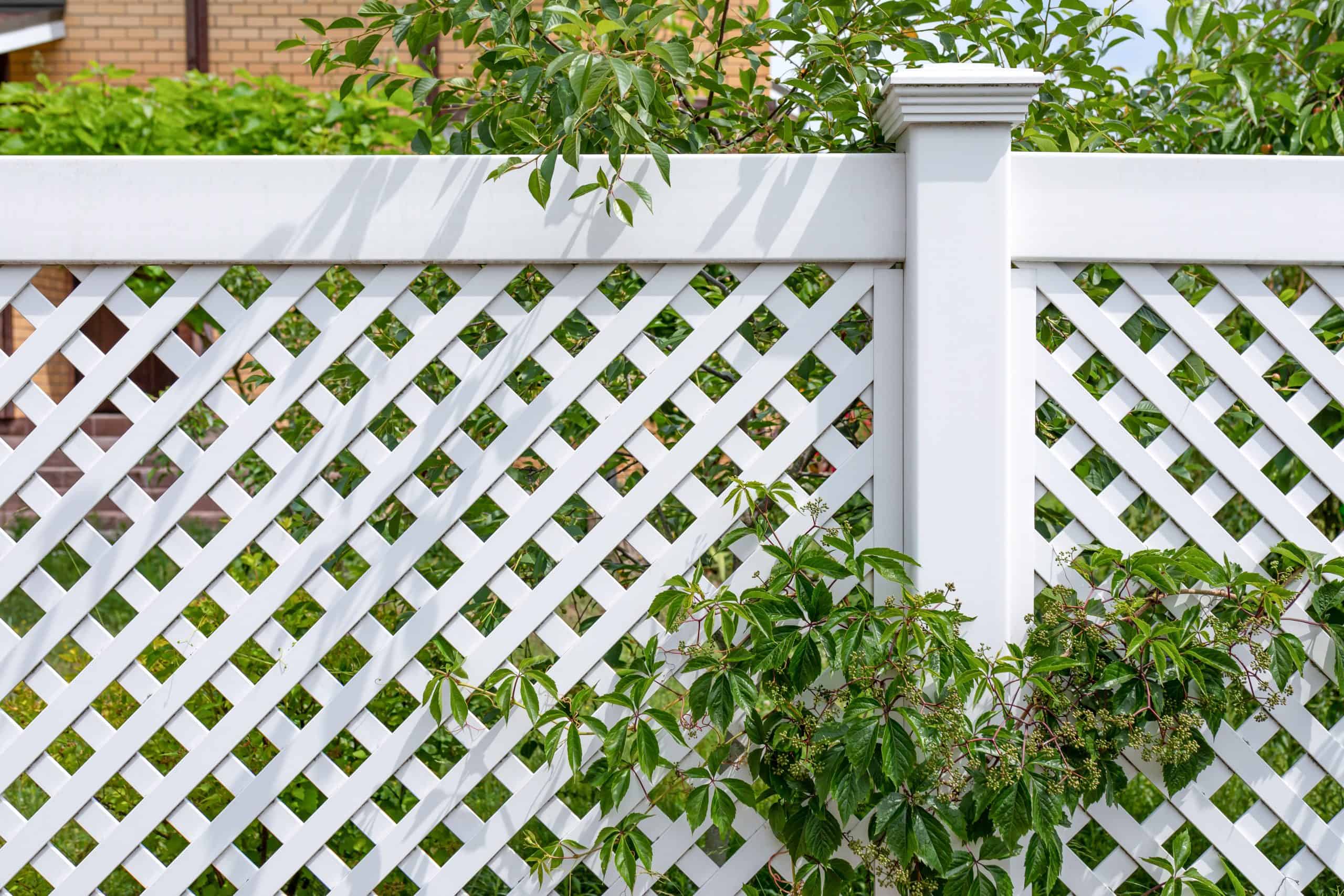
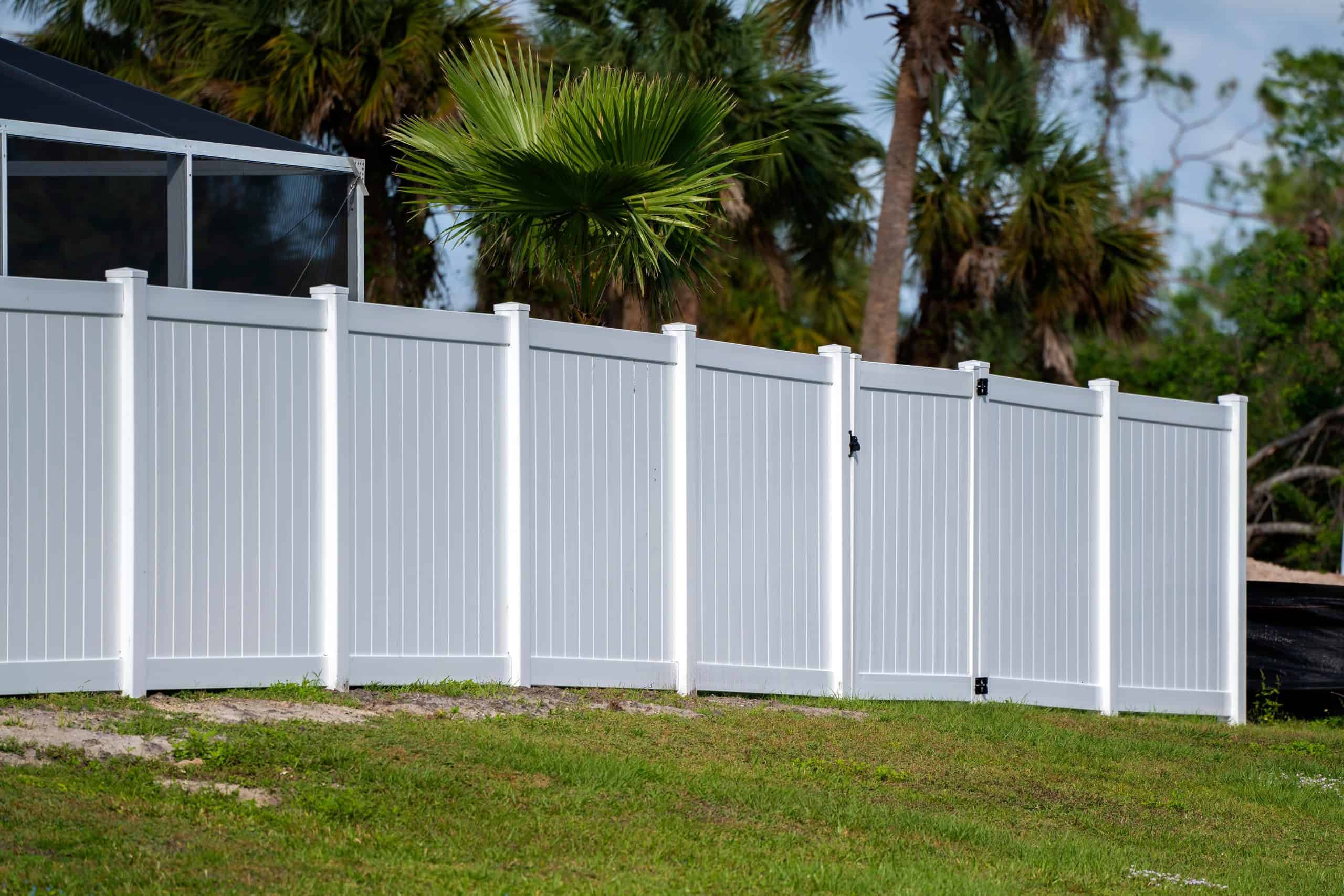
You’re done with wood fences that look great for six months, then start rotting from the inside out. Salt air eats through the finish. Humidity warps the boards. And when hurricane season hits, you’re replacing half of it or starting over completely.
Vinyl fence installation in Southport, FL means you install it once and forget about it. No painting. No staining. No sanding down splinters every spring. The material doesn’t absorb moisture, so there’s no rot. It doesn’t provide food for pests, so no termites or carpenter ants. And because the color is baked into the material—not painted on—it won’t fade under Florida’s relentless sun.
You’ll hose it off once or twice a year. That’s the maintenance. The fence is engineered to flex in high winds instead of snapping, and it’s certified to handle gusts up to 130 MPH. So when the next storm comes through, your fence is still standing while the wood ones down the street are in pieces.
We’ve been installing residential vinyl fences across Central Florida for years, and we’ve seen what works in this climate and what doesn’t. Southport sits right in hurricane alley, where salt air, humidity, and storm season aren’t occasional problems—they’re constants.
We use commercial-grade vinyl that’s fabricated in the USA and built specifically for high-velocity hurricane zones. Our installation process includes aluminum reinforcement inside the posts and rails, because thin-walled vinyl doesn’t hold up when the wind picks up. We’ve worked across Lake, Orange, Seminole, Brevard, Volusia, Osceola, Polk, Sumter, and Marion counties, so we know the building codes, the soil conditions, and what it takes to install a fence that actually lasts here.
You’re not getting a crew that learned fencing last month. You’re getting installers who understand how Florida weather tests every corner, post, and panel.

We start with a free consultation at your property. You’ll walk the perimeter with us, show us what you’re trying to accomplish—privacy, pool code compliance, pet containment, curb appeal—and we’ll measure everything and talk through your options. No pressure. Just transparent pricing and real answers.
Once you approve the estimate, we schedule the install around your timeline. Our crew shows up on time, marks the layout, and sets the posts with concrete footings that go deep enough to handle wind load. We’re not using bracketed systems that turn into projectiles at 75 MPH. Every post is anchored. Every rail is reinforced.
Vinyl fence panels installation happens next. We level everything, install the panels between the posts, and add any gates with self-closing, self-latching hardware if you need pool code compliance. The whole process is fast, clean, and designed to minimize disruption to your day. When we’re done, you’ve got a fence that’s ready for the next thirty years.

Ready to get started?
Vinyl fence installation cost in Southport, FL runs higher upfront than wood, but the math flips fast. Wood fences need staining or sealing every two to three years. That’s labor, materials, and time. Add in repairs for rot, warping, and storm damage, and you’re pouring money into a fence that’s losing value.
Vinyl costs more now because it lasts 20 to 30 years without maintenance. You’re not repainting it. You’re not replacing boards. You’re not calling someone out to fix sections after every storm. Homeowners typically recoup 50 to 70 percent of the installation cost when they sell, and the fence can increase property value by up to 10 percent depending on the market.
In Southport, where the median home price is $475,000 and 52 percent of homes sell within 30 days, curb appeal matters. A clean, intact fence signals that the property is maintained. A broken or weathered wood fence does the opposite. If you’ve got a pool, Florida law requires a four-foot barrier with a self-latching gate. Failure to install one is a second-degree misdemeanor. Vinyl gives you compliance, safety, and zero ongoing costs.

Yes, if it’s installed correctly with commercial-grade materials. The vinyl fences we install are certified for high-velocity hurricane zones and tested to withstand winds up to 130 MPH. That’s not a marketing claim—it’s an engineering standard.
The key is in the installation. Thin-walled vinyl with bracketed posts won’t survive. Those systems become dangerous projectiles once winds hit 75 MPH. We use thicker profiles with aluminum reinforcement inside the posts and rails, and every post is set in concrete with proper depth and spacing. The material itself is designed to flex under pressure instead of snapping, which is why vinyl fences often stay intact while wood fences splinter.
You might lose a panel or a gate latch in a direct hit, but the structure stays up. That’s the difference between a repair and a full replacement. In Southport, where hurricanes are a regular threat, that difference matters.
Vinyl is completely immune to both. The material is a synthetic polymer—PVC—that doesn’t absorb moisture and doesn’t corrode. Salt air will eat through wood finishes and rust out metal components, but it does nothing to vinyl.
Humidity is the same story. Wood fences in Florida soak up moisture, which leads to rot, warping, and mold. Vinyl doesn’t absorb water, so there’s no internal decay. The fence won’t swell, crack, or warp no matter how humid it gets. And because the color is infused into the material during manufacturing—not painted on afterward—it won’t fade or peel even with constant sun exposure.
If you’re near the coast in Southport, this isn’t a minor benefit. It’s the reason vinyl outlasts wood by decades in this climate. You’re not fighting the environment. You’re using a material that ignores it.
Yes. Florida law requires any pool to have a barrier that’s at least four feet tall, and the gate must be self-closing and self-latching. If you don’t have a compliant barrier, you’re looking at a second-degree misdemeanor, which can mean fines and liability if someone gets hurt.
Vinyl fences meet the height requirement easily, and we install gates with hardware that closes and latches automatically. The latch needs to be out of reach of small children, which usually means positioning it 54 inches above grade or on the pool side of the gate. We handle all of that during installation so you’re compliant from day one.
Pool code isn’t optional, and it’s not something you want to guess at. We’ve installed hundreds of pool barriers across Central Florida, so we know exactly what inspectors are looking for. You won’t have to worry about callbacks or corrections.
Twenty to thirty years with proper installation. That’s not a best-case scenario—it’s the standard lifespan for quality vinyl in Florida. The material doesn’t rot, doesn’t rust, and doesn’t break down under UV exposure the way wood and metal do.
The difference between a fence that lasts twenty years and one that fails in five comes down to wall thickness and reinforcement. Cheap vinyl has thin walls that crack under impact and bend under wind load. Commercial-grade vinyl has thicker profiles and aluminum reinforcement in the posts and rails, which is what we use. The posts are set deep in concrete, and the panels are secured properly so they don’t pull loose during storms.
You’re not going to repaint it, reseal it, or replace rotted boards. The only maintenance is hosing it down once or twice a year to remove dirt and pollen. After that, the fence takes care of itself. In a climate as harsh as Southport’s, that kind of durability isn’t common—but it’s exactly what vinyl is built for.
Vinyl costs more upfront—usually 30 to 50 percent more than wood depending on the style and height. But wood fences come with ongoing costs that add up fast. You’ll spend money on staining or sealing every two to three years, and you’ll replace boards as they rot or warp. In Florida’s climate, that happens sooner than you’d expect.
Over a ten-year period, the maintenance costs on a wood fence often exceed the initial price difference. And if a hurricane takes out sections of your wood fence, you’re paying for repairs or replacement. Vinyl doesn’t have those costs. Once it’s installed, you’re done spending money on it.
There’s also resale value to consider. Homeowners typically recoup 50 to 70 percent of vinyl fence installation costs when they sell, and a well-maintained vinyl fence can increase property value by up to 10 percent. In Southport, where homes are moving fast and buyers are paying attention to condition, that’s a real advantage.
You can, but it’s not as simple as it looks, and mistakes are expensive to fix. Vinyl fence panels installation requires precise post spacing, level rails, and proper concrete footings. If the posts aren’t plumb or the spacing is off by even an inch, the panels won’t fit. If the footings aren’t deep enough, the fence won’t survive the first windstorm.
There’s also the issue of reinforcement. DIY kits usually come with bracketed systems and thin-walled vinyl that isn’t rated for high winds. Those systems might look fine on a calm day, but they fail when the weather turns. In Southport, where hurricanes are a regular threat, that’s not a risk worth taking.
Professional installation costs more upfront, but it includes proper materials, correct spacing, aluminum reinforcement, and a crew that knows how to handle Florida’s soil and wind loads. You’re not just paying for labor—you’re paying for a fence that actually lasts. If you’re going to invest in vinyl, it’s worth doing it right the first time.
Other Services we provide in Southport