Your fence stops being a weekend project. No more staining every few years, no scraping off peeling paint, no replacing rotted boards after storm season. Vinyl fence installation in Starwood, FL means you get 20 to 30 years of a fence that looks clean with nothing more than an occasional rinse from your garden hose.
Florida’s humidity doesn’t touch it. Those afternoon thunderstorms that turn your yard into a swamp? Vinyl doesn’t absorb water, so it won’t rot or swell. The UV rays that bleach everything else in your yard won’t fade quality vinyl the way they destroy wood in just a few seasons.
And when hurricane season rolls around, you’re not the one replacing entire fence sections while your neighbors are getting quotes. Vinyl flexes in high winds instead of snapping. It’s engineered for Central Florida weather, which means it’s built for the worst days, not just the average ones.
Your property value goes up. Your insurance company might even cut you a break on premiums when you report a privacy fence. And you get your weekends back because this fence doesn’t need you to maintain it.
We serve Lake, Orange, Seminole, Brevard, Volusia, Osceola, Polk, Sumter, and Marion counties. We’re not new to Florida weather, and we’re not learning on your property. Every vinyl fence contractor in Starwood, FL will tell you they do quality work—we’ll show you the materials we source and the installation process we follow before you sign anything.
We use top-grade vinyl and PVC materials because we know what holds up here and what doesn’t. Our installation team measures twice, sets posts in concrete that won’t shift, and checks every panel connection before we call it done. You get a one-year labor warranty on installation, and manufacturer warranties vary by product—we’ll walk you through exactly what’s covered.
Starwood homeowners deal with the same challenges as the rest of Central Florida: storms that bring sustained winds, humidity that never quits, and sun exposure that destroys anything that isn’t built to handle it. We’ve installed hundreds of vinyl fences across these conditions, and we know what works.

Here’s how residential vinyl fence installation in Starwood, FL actually happens. You call us for a free estimate, and we come out to look at your property. We’re measuring the perimeter, checking for any grade issues, talking about what you need the fence to do—privacy, pool code compliance, pet containment, whatever matters to you.
We’ll discuss panel styles, heights, colors, and gate placements. If there are utility lines, property line questions, or HOA rules, we sort that out before installation day. Some counties require permits for fence construction, and we’ll tell you upfront if yours does.
Once you approve the quote, we schedule installation. Our crew shows up with the materials, sets posts in concrete at the correct depth and spacing, and installs panels with secure connections. We’re checking level and alignment as we go, not after everything’s already up. Gates get installed with proper hardware, and we test them to make sure they swing smoothly and latch correctly.
After installation, we do a final walkthrough with you. We’re looking for anything that needs adjustment, and we’re making sure you’re clear on how to maintain your new fence—which, with vinyl, is almost nothing. If you ever see a loose panel or gate issue during that first year, we come back and fix it under our labor warranty.

Ready to get started?
Vinyl fence installation cost in Starwood, FL typically runs $15 to $40 per linear foot depending on height, style, and site conditions. That includes materials, labor, post installation, panel assembly, gates, and hardware. You’re not paying separately for concrete, brackets, or the actual installation—it’s one number that covers the complete job.
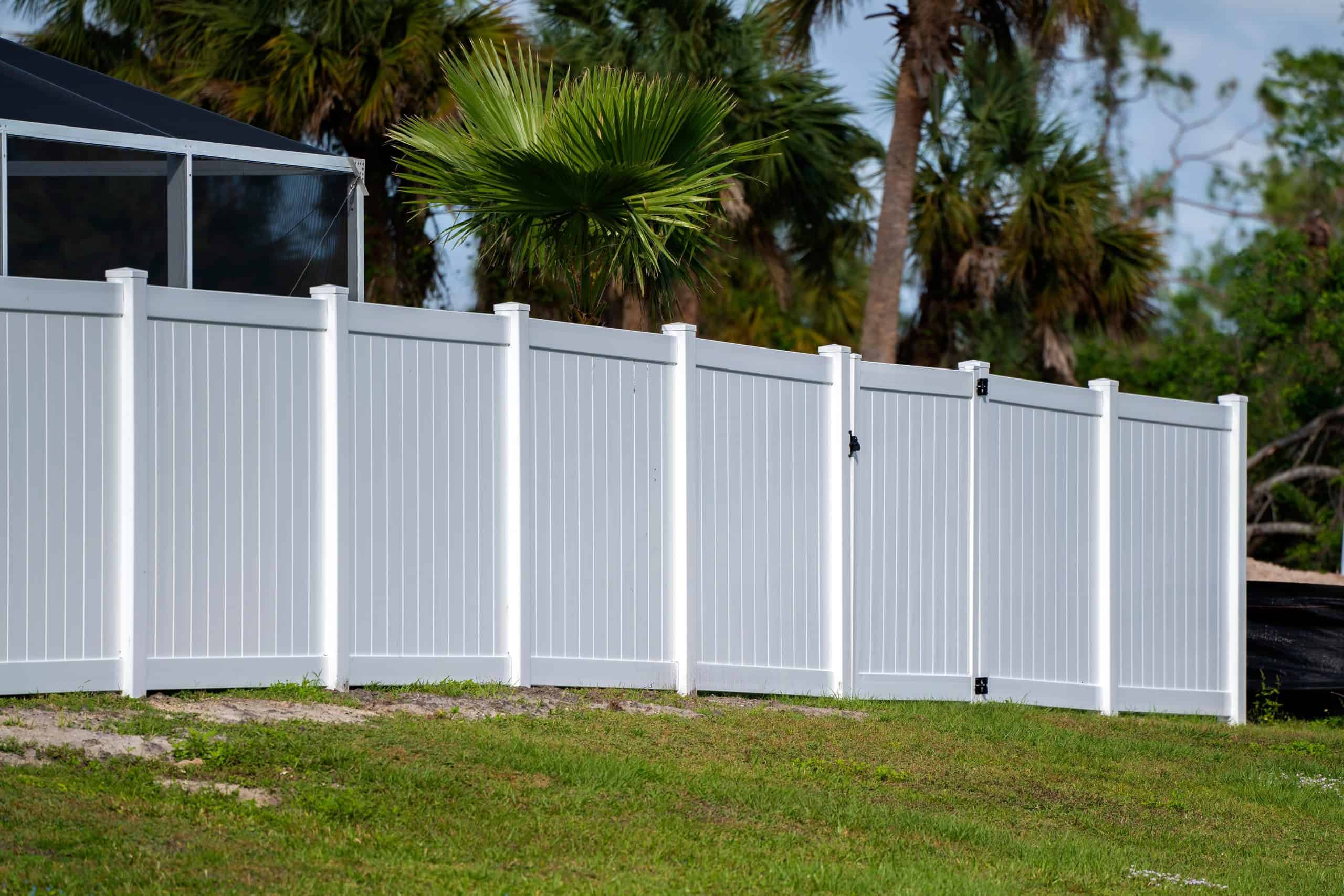
Standard privacy fences run 6 to 8 feet tall with no gaps between panels. If you need pool fencing, we’ll make sure it meets Florida’s safety codes for height and gate latches. Decorative styles like picket or semi-privacy cost less than full privacy panels, and we’ll show you samples so you know exactly what you’re getting.
Central Florida soil conditions matter. Sandy soil drains well but requires deeper post setting. Clay soil holds water and needs proper drainage considerations. We adjust our installation method based on what’s actually in your yard, not a one-size-fits-all approach that works in some places and fails in others.
Starwood homeowners typically see a 50% return on investment when they sell, and privacy fencing appeals to buyers with kids, pets, or anyone who values outdoor privacy. You’re not just paying for the fence—you’re paying for what it does to your property value, your insurance premiums, and your weekend schedule for the next 20 years.

Vinyl fences last 20 to 30 years in Florida when installed correctly. They’re built to handle humidity, rain, and UV exposure without the rot, rust, or pest damage that destroys wood and metal fencing.
The key is quality materials and proper installation. Cheap vinyl will crack under UV exposure and become brittle in a few years. Quality PVC fencing has UV inhibitors mixed into the material itself, not just a surface coating that wears off. It flexes during high winds instead of snapping, and it won’t absorb water during Florida’s wet season.
Wood fences in Central Florida need replacement every 10 to 15 years if you maintain them religiously. Most don’t get that maintenance, so they fail sooner. Vinyl doesn’t need that attention. You rinse it a few times a year, maybe use mild soap if something stains it, and that’s the entire maintenance schedule. No sealing, no painting, no treating for insects or rot.
Quality vinyl fencing handles hurricane-force winds better than most people expect. It’s more flexible than wood, so it bends under pressure instead of breaking. After major storms, vinyl fences typically lose a few panels or components while wood fences are completely destroyed.
That doesn’t mean vinyl is indestructible. If a tree falls on your fence, it’s coming down regardless of material. But sustained winds and driving rain—the conditions you get every hurricane season—don’t damage properly installed vinyl the way they tear apart wood fencing.
The installation matters as much as the material. Posts need to be set deep enough in concrete, panels need secure connections, and gates need heavy-duty hardware. A vinyl fence installed with shortcuts will fail in a storm. One installed correctly will flex, absorb impact, and stay standing when your neighbors are calling contractors for replacements. That’s why Central Florida homeowners who’ve been through multiple hurricane seasons keep choosing vinyl—they’ve seen what survives and what doesn’t.
Almost none. You spray it with a garden hose a few times a year to remove dirt and pollen. If something stains it—mildew in a shaded area, algae near sprinklers—you use mild soap and water. That’s the complete maintenance schedule.
You never paint it, never seal it, never treat it for insects, and never replace rotted boards. Wood fences need staining or sealing every 2 to 3 years just to slow down deterioration. You’re spending entire weekends on maintenance, or you’re paying someone else to do it. Vinyl eliminates that completely.
The only thing you might need to do is tighten a gate hinge or replace a latch after years of use. Those are five-minute fixes, not weekend projects. Some homeowners go years without touching their vinyl fence beyond an occasional rinse. It doesn’t need you to maintain it—it just needs to be installed correctly from the start, and then it does its job without constant attention.
Vinyl costs more upfront—usually $15 to $40 per linear foot installed compared to $10 to $30 for wood. But wood requires ongoing maintenance costs that vinyl doesn’t, and wood needs replacement in 10 to 15 years while vinyl lasts 20 to 30 years.
If you’re planning to stay in your home long-term, vinyl pays for itself. You’re not buying stain every few years, not paying for repairs after storm damage, and not replacing the entire fence in a decade. Wood might look cheaper at installation, but the total cost over 20 years is significantly higher once you factor in maintenance and replacement.
For homeowners who plan to sell within a few years, wood might make sense if budget is tight. But vinyl adds more to property value and appeals to buyers who don’t want maintenance projects. In Central Florida’s market, privacy fences return about 50% of installation cost when you sell. Buyers see vinyl and know they’re not inheriting a maintenance problem—that matters during negotiations.
Yes. Vinyl fencing comes in multiple styles, colors, and heights. You can get privacy panels with no gaps, picket styles with spacing, or semi-privacy designs that allow airflow while blocking most sightlines. Heights typically range from 4 to 8 feet depending on what you need.
Colors go beyond white. You can get tan, gray, wood-grain textures, and other options that match your home’s exterior. The color goes all the way through the material, so scratches don’t show a different color underneath like they do with painted wood.
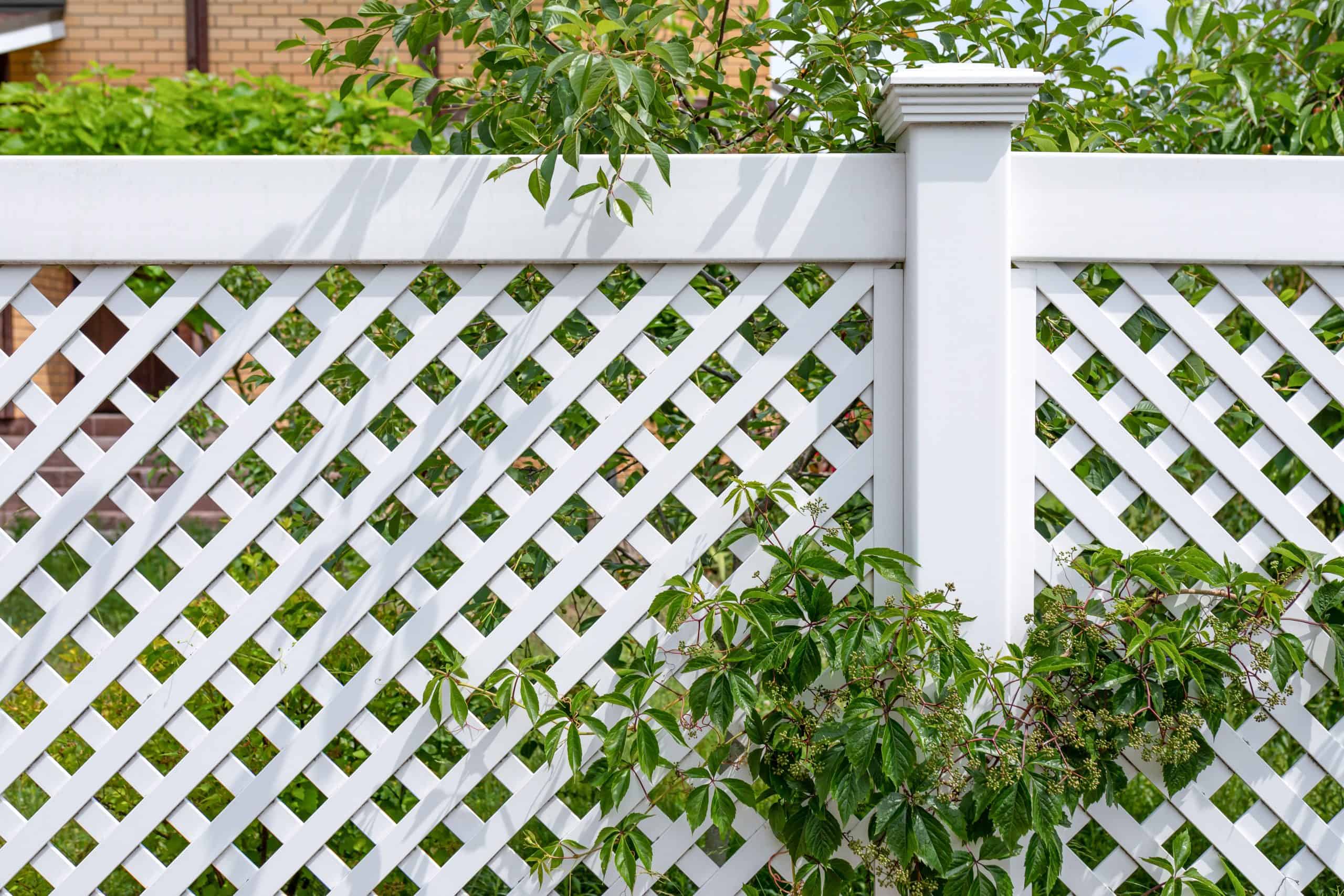
You’re not locked into a generic look. We’ll show you samples of different styles and colors so you can see exactly what you’re getting. Gates can be single or double, with different hardware options depending on whether you need security latches for pool code compliance or just standard gate hardware. Decorative post caps, lattice toppers, and other details are available if you want them. The goal is a fence that does what you need it to do and looks the way you want it to look—not a one-size-fits-all product that doesn’t quite fit your property.
It depends on your specific location and fence height. Some counties and municipalities in Central Florida require permits for fence construction, especially for fences over a certain height or within certain distances from property lines. Others don’t require permits for standard residential fencing.
We’ll tell you during the estimate whether your project needs a permit. If it does, we’ll explain what’s required and help you understand the process. Some areas have setback requirements that dictate how close to your property line you can build. Others have height restrictions or rules about fence placement near easements and utility lines.
HOA rules add another layer. If you’re in a community with a homeowners association, they likely have approved fence styles, colors, and heights. We’ve worked with HOAs across Central Florida, and we know the common requirements. Getting approval before installation saves you from having to modify or remove a fence that doesn’t meet community standards. We’d rather sort out permits and approvals upfront than deal with problems after your fence is already installed.
Other Services we provide in Starwood