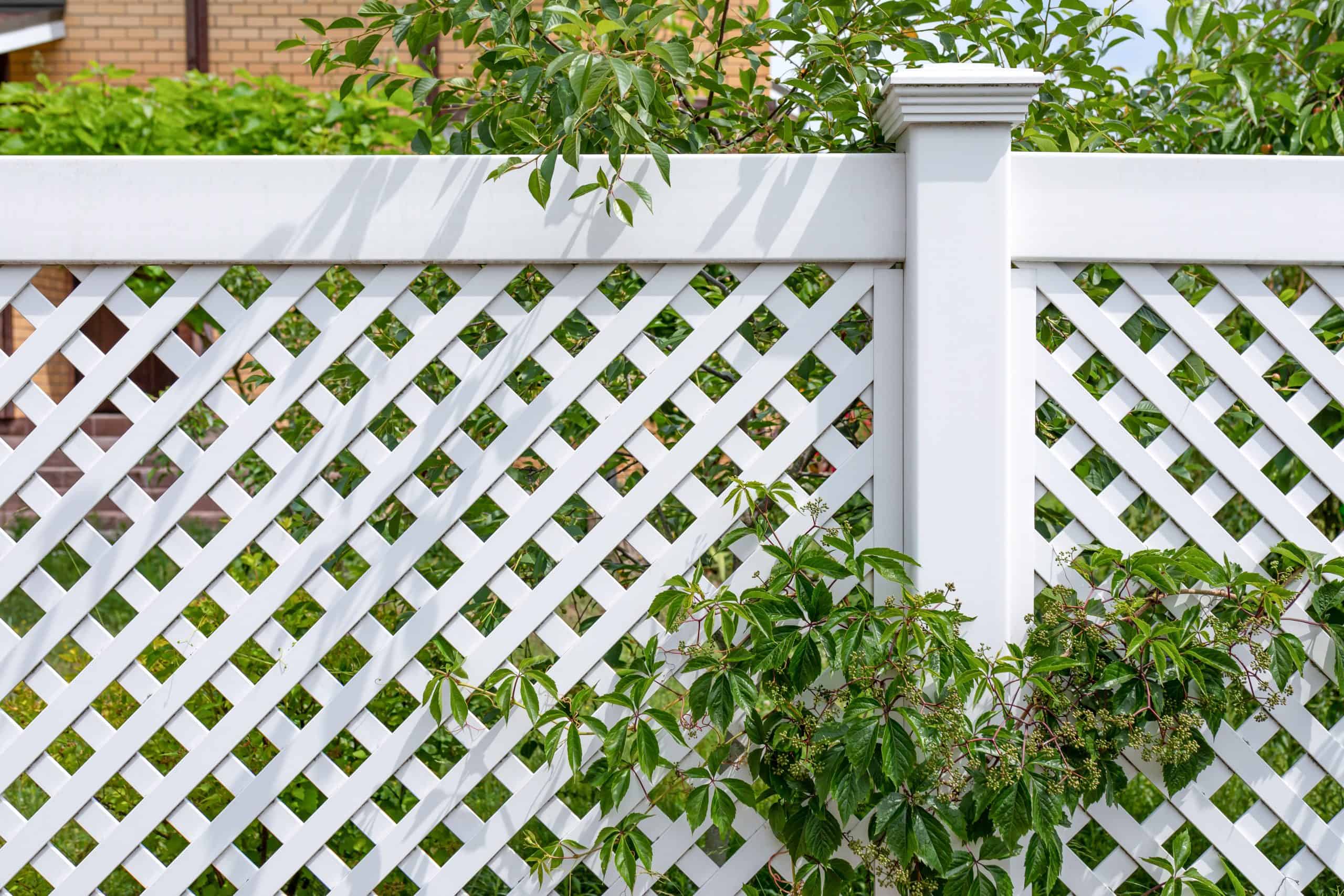
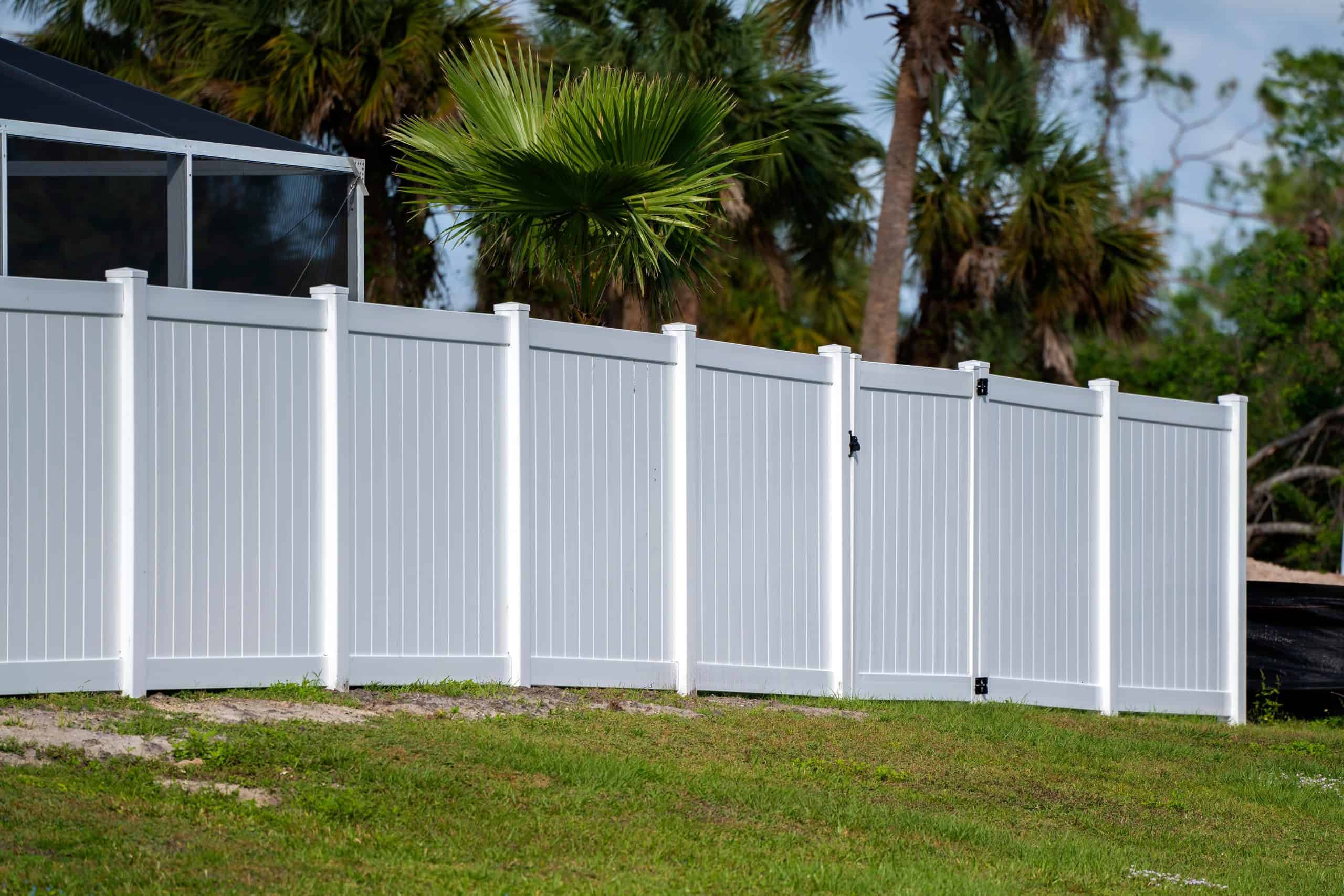
You’re not painting it next summer. You’re not replacing rotted boards in three years. You’re not dealing with rust stains or splinters when your kids lean against it.
A professionally installed vinyl fence in Vineland, FL means you hose it off twice a year and move on with your life. The fence keeps its shape through storm season. It doesn’t fade to an ugly gray after one Florida summer. And when your neighbors are out there sanding and repainting their wood fence for the third time, you’re doing literally anything else.
The upfront cost is higher than wood or chain link. But you’re looking at 20 to 30 years of use without the ongoing expense of stain, paint, or replacement boards. That’s the actual return on a vinyl fence installation—time back in your schedule and money that stays in your account.
We work across Lake, Orange, Seminole, Brevard, Volusia, Osceola, Polk, Sumter, and Marion counties. We’ve been installing residential vinyl fences in Vineland, FL and surrounding areas long enough to know what holds up and what doesn’t.
Central Florida weather isn’t forgiving. High humidity, intense UV exposure, afternoon storms that turn into wind tunnels—your fence takes all of it. We use materials manufactured in the USA and install them correctly the first time, so you’re not calling us back in two years because panels are sagging or posts are leaning.
You’ll get transparent pricing with no surprise fees halfway through the job. We pull the permits, handle HOA approvals if needed, and finish the installation without dragging it out for weeks.

We start with a free consultation at your property in Vineland, FL. You show us where the fence needs to go, and we measure the area, check for any utility lines, and discuss style options—privacy panels, picket styles, height preferences, color choices.
Once you approve the estimate, we handle the permit paperwork and coordinate with your HOA if that’s required in your neighborhood. Most municipalities around Vineland need permits for fences over six feet, and HOAs usually want to sign off before the county does. We manage that process so you’re not running between offices.
Installation day, we mark property lines, set posts with proper spacing and depth, and install the panels with reinforced hardware that can handle wind load. The rails lock into the posts. Everything gets leveled and secured. We clean up the site when we’re done, and you’ve got a fence that’s ready to go.
If you’ve got tricky terrain or need gates installed, we handle that too. The goal is a finished fence that looks clean, stays straight, and doesn’t need adjustment a month later.

Ready to get started?
You’re getting vinyl fence panels that won’t warp in the heat or crack when temperatures drop overnight. The posts we use are reinforced with internal supports—not hollow tubes that collapse in a windstorm. Gates get heavy-duty hinges and latches that actually work after a year of use.
In Vineland, FL and the surrounding Central Florida area, wind resistance matters. We’re not just dropping panels into the ground and calling it done. Posts go deep enough to meet local building codes, which are stricter now than they used to be. Concrete footings keep everything stable when storms roll through.
You’ll also get options that fit your property. Privacy fences for backyards where you want separation from neighbors. Picket styles for front yards that need to stay HOA-compliant. Different heights depending on whether you’re enclosing a pool, keeping pets contained, or just marking boundaries.
Color stays consistent across panels because we source from manufacturers who mix pigment through the entire material—not just a surface coating that fades. And if a panel ever does get damaged, replacement is straightforward because the system is modular.

Most residential vinyl fence installations in Vineland, FL run between $15 and $40 per linear foot, depending on style, height, and site conditions. A standard six-foot privacy fence for a typical backyard—say, 150 linear feet—usually lands between $2,250 and $6,000 total.
Materials make up the bigger portion of that cost, typically $10 to $30 per linear foot. Labor adds another $5 to $10 per foot. If your property has slopes, needs significant ground prep, or requires custom gate installations, that pushes the price toward the higher end.
You’re paying more upfront than you would for chain link or basic wood fencing. But you’re also not repainting every few years or replacing rotted boards. When you factor in 20-plus years of use with almost no maintenance costs, the math works out better than cheaper options that need constant attention.
Yes, if it’s installed correctly with quality materials. Vinyl fences in Vineland, FL are engineered to handle high heat, UV exposure, humidity, and wind—but the installation matters as much as the material.
Posts need to be set deep enough with proper concrete footings. Florida’s building codes have gotten stricter about wind resistance, especially after recent hurricane seasons. We follow those codes because a fence that meets them actually stays standing when storms hit. Reinforced posts with internal supports handle wind load better than hollow posts that flex and crack under pressure.
The vinyl itself won’t rot, rust, or attract termites like wood and metal do. It doesn’t absorb moisture, so you don’t get the warping and splitting that happens with wood fences in Florida’s humidity. And quality vinyl is UV-stabilized, meaning it resists fading even under constant sun exposure. You’ll see some weathering over the years, but nothing like the rapid deterioration you get with untreated or poorly maintained wood.
Most likely, yes. In Vineland and the surrounding Central Florida municipalities, you typically need a permit for any fence taller than six feet. Front yard fences often face stricter rules—many areas limit front yard fence height to three or four feet, and some HOAs don’t allow front yard fences at all.
If you live in a community with an HOA, you’ll need their approval before you can pull a county permit. HOAs usually have specific requirements about fence style, color, height, and placement. That approval process can take a few weeks, so it’s worth starting early.
We handle the permit process as part of our vinyl fence installation service in Vineland, FL. We submit the paperwork, coordinate with the county, and make sure everything is up to code before we start digging. It’s one less thing you have to track down, and it keeps the project moving without delays or compliance issues down the road.
A properly installed vinyl fence in Vineland, FL should last 20 to 30 years without major repairs or replacement. That lifespan assumes you’re using quality materials and the installation meets local building codes for wind resistance and post depth.
Vinyl doesn’t degrade the way wood does in Florida’s climate. You won’t see rot, insect damage, or rust. The material is designed to resist moisture, which is critical in a state where humidity stays high year-round and afternoon storms are a regular occurrence. UV stabilization in the vinyl prevents the rapid fading and brittleness that cheaper plastics develop after a few years in the sun.
Maintenance is minimal—mostly just hosing off dirt and pollen a couple times a year. You’re not repainting, restaining, or replacing boards. If a panel does get damaged from a fallen branch or an accident, you can replace individual sections without tearing down the whole fence. That modular design is one of the reasons vinyl fences hold up so well over time. You’re not locked into an all-or-nothing replacement situation.
You can technically install a vinyl fence yourself, but most homeowners in Vineland, FL are better off hiring a professional vinyl fence contractor. The material itself is manageable, but getting the installation right—especially in Florida—requires experience with local soil conditions, building codes, and wind load requirements.
Posts need to be set at the correct depth with proper concrete footings. If they’re too shallow or the concrete isn’t mixed right, the fence won’t hold up in a storm. Panels need to be level and properly secured to the posts, or you’ll end up with sagging sections within a year. And if your property has any slope or drainage issues, you’ll need to account for that in the layout, or water will pool along the fence line and cause problems.
There’s also the permit situation. If you’re doing it yourself, you’re responsible for pulling permits, scheduling inspections, and making sure everything meets county codes and HOA requirements. That’s a lot of back-and-forth if you’re not familiar with the process. We handle all of that, and if something does go wrong, you’ve got us accountable for fixing it. DIY saves money upfront, but it costs more if you have to redo sections or hire someone to fix mistakes later.
There isn’t one—vinyl and PVC are the same material. PVC stands for polyvinyl chloride, which is the technical name for the plastic used in vinyl fencing. When people talk about vinyl fences or PVC fences, they’re referring to the same product.
The confusion usually comes from marketing. Some manufacturers call their product “vinyl fencing” while others use “PVC fencing,” but it’s the same base material. What actually matters is the quality of that material—specifically, whether it’s virgin vinyl or recycled content, and whether it includes UV inhibitors and impact modifiers.
Higher-quality vinyl fencing uses virgin PVC with additives that resist fading, cracking, and brittleness. Cheaper options sometimes use recycled PVC, which can be more prone to warping and discoloration over time, especially in Florida’s intense sun and heat. When you’re comparing vinyl fence options in Vineland, FL, ask about the material grade and whether it’s engineered for Florida’s climate. That tells you more than whether it’s labeled “vinyl” or “PVC.”
Other Services we provide in Vineland