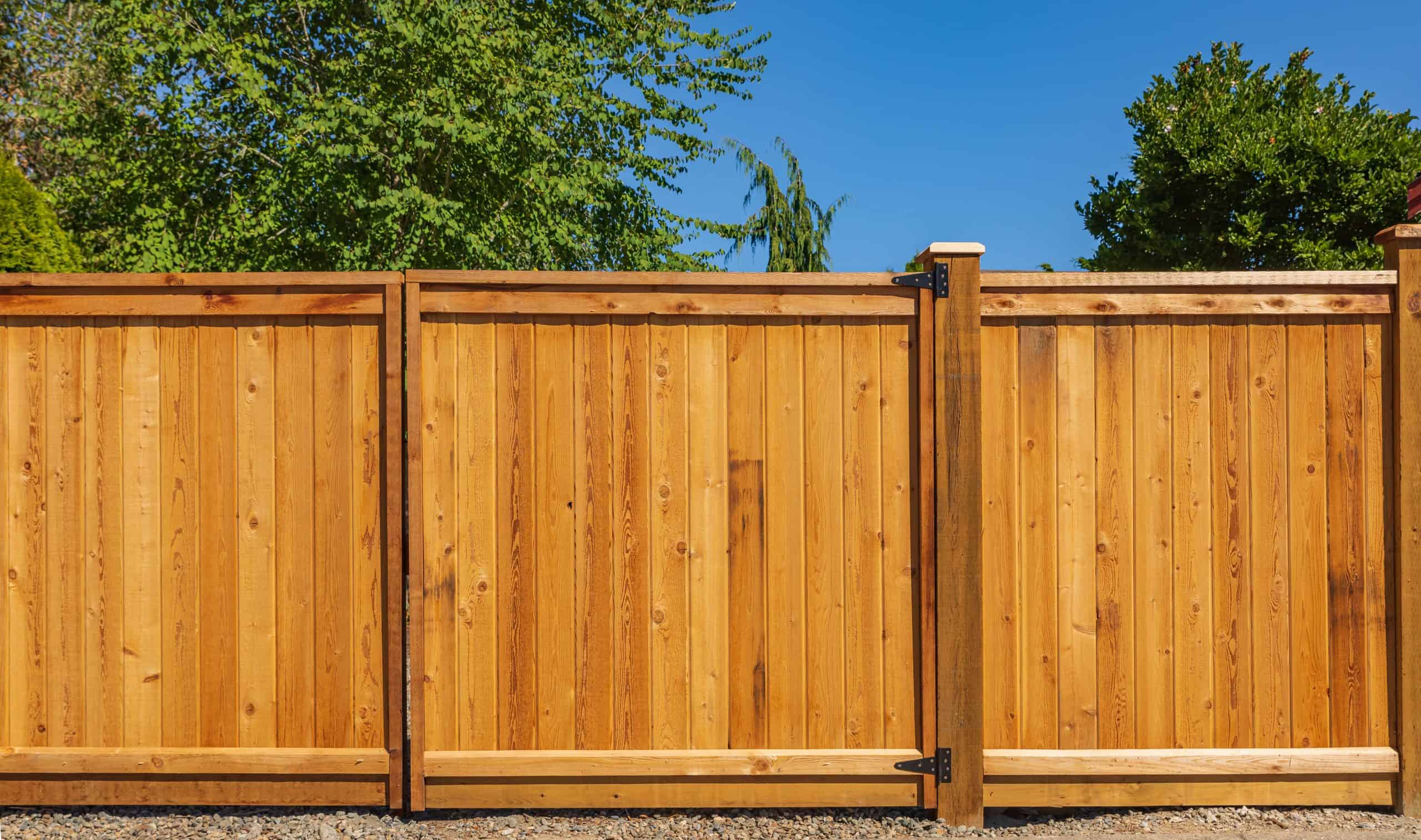
You’re not looking for a fence that needs attention every six months. You want something that blocks the view, stands up straight, and doesn’t become a maintenance project.
Wood privacy fence installation in Bay Lake means dealing with humidity that never quits and storms that test everything. Most wood fences fail because they weren’t built for this climate. The posts rot at ground level. The boards warp. The whole thing starts leaning after a year.
When it’s done right, you get a fence that actually handles the weather. Pressure treated posts that resist rot. Boards that stay straight through summer heat. Installation methods that account for Florida soil and wind load. You’re not calling someone back in two years to fix what shouldn’t have broken in the first place.
We’ve spent over 20 years figuring out what works in Central Florida and what doesn’t. We’re licensed and insured, which matters more than most people realize until something goes wrong.
Bay Lake sits right in the heart of Disney territory, where properties demand more than basic installation. The homes here expect quality that matches the investment. We’ve worked throughout Orange County long enough to know the soil conditions, the permit requirements, and how to build something that won’t embarrass you or cost you twice.
We’re not the cheapest option, and that’s intentional. You’re paying for materials that last and installation that accounts for every detail Florida throws at a fence.

First, we come out and look at your property. Not just measurements—we’re checking soil conditions, drainage, property lines, and any HOA requirements that might affect the project.
Then we handle the permit process. Orange County has specific requirements, and most homeowners don’t want to deal with that paperwork. We take care of it so the project doesn’t stall waiting on approvals.
Installation starts with setting posts in concrete, deep enough to handle wind load. We’re not just digging holes and dropping in wood. The posts get treated lumber rated for ground contact, and they’re set to withstand tropical storm-force winds. Boards go up with proper spacing for airflow, which matters in Florida’s humidity.
The whole process typically takes a few days, depending on the size of your property. We clean up completely when we’re done. You shouldn’t have to pick up scraps or deal with leftover materials in your yard.

Ready to get started?
Every pressure treated fence in Bay Lake starts with lumber that’s been treated to resist rot, termites, and fungal decay. That’s not optional in this climate. The treatment soaks deep into the wood, protecting it from the inside out.
Posts get set in concrete at depths that meet or exceed local wind load requirements. Bay Lake is close enough to the coast that wind matters, even if you’re not directly on the water. We’re installing to handle sustained winds that would knock over a fence built to basic standards.
You get a choice of styles—board-on-board for complete privacy, shadowbox if you want some airflow, or horizontal if that matches your home’s look better. The hardware is galvanized or stainless to prevent rust stains down the boards. Gates get heavy-duty hinges and latches that won’t sag or stick after a few months.
We include a warranty that covers workmanship and materials. The posts are warrantied for life against rot. The lumber itself carries a minimum 15-year warranty against termite damage and decay. That’s not us making promises—that’s the treatment manufacturer backing their product.
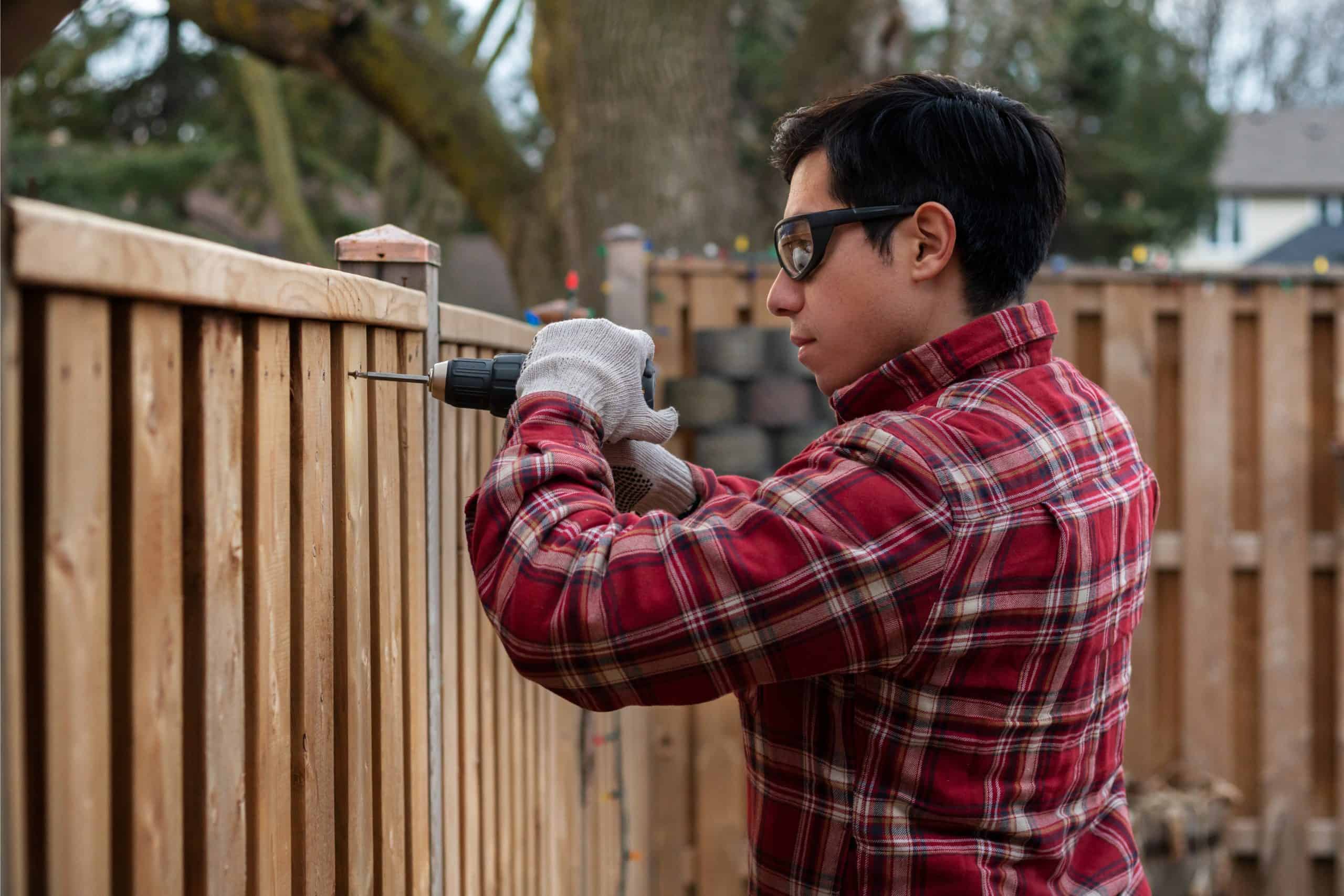
A properly installed pressure treated fence in Bay Lake typically lasts 15 to 20 years. Cedar can push 30 to 40 years if you maintain it. The key word is “properly installed.”
Most wood fences fail early because of three things: posts that weren’t treated for ground contact, inadequate depth for Florida’s sandy soil, or no accounting for drainage. Water is the enemy. If water pools around your posts or the boards stay wet, you’re looking at rot within five years.
Maintenance extends life significantly. That means cleaning the fence annually and applying a water-repellent stain every two to three years. Skip that, and even the best materials will deteriorate faster than they should. Florida’s combination of sun, humidity, and rain is harder on wood than almost any other climate.
Pressure treated pine costs less and resists rot better because of the chemical treatment. Cedar naturally resists insects and decay without treatment, but it’s significantly more expensive upfront.
Pine is the practical choice for most Bay Lake properties. The treatment protects against termites and fungal rot, which are your two biggest threats in Central Florida. It’s heavier and denser than cedar, which helps with wind resistance. The tradeoff is appearance—pine doesn’t have cedar’s natural color or grain, and it requires staining if you want a specific look.
Cedar looks better from day one and weathers to a silver-gray if you leave it untreated. It’s lighter, which makes it easier to work with but slightly less sturdy in high winds. If budget isn’t a concern and you prefer the natural aesthetic, cedar is worth considering. For most applications, treated pine delivers better value and performance in Florida’s climate.
Yes. Orange County requires permits for most fence installations, and Bay Lake falls under those regulations. The permit process involves submitting a site plan, fence specifications, and sometimes a property survey.
The county wants to verify that your fence meets setback requirements, doesn’t exceed height limits, and won’t create drainage issues for neighboring properties. Front yard fences are typically limited to four feet. Backyard fences can go up to six feet in most residential zones, sometimes eight depending on your specific property.
If you have an HOA, you’ll need their approval before the county will issue a permit. That’s a separate process with its own timeline. We handle both the county permit and HOA approval as part of our service, because most homeowners don’t want to navigate that bureaucracy themselves. Skipping permits isn’t worth the risk—the county can make you tear down an unpermitted fence and start over.
It starts with post depth and concrete. We set posts at least 30 inches deep, sometimes deeper depending on soil conditions and fence height. The concrete footing extends below the frost line and provides a solid anchor that won’t shift.
We use posts rated for ground contact and size them appropriately for the fence height and wind load. A six-foot privacy fence needs at least 4×4 posts, but we often go with 6×6 for corner posts and gates. The posts are spaced no more than eight feet apart, which is tighter than some installers go but necessary for wind resistance.
The boards are attached with galvanized screws, not nails. Screws don’t back out when the wood expands and contracts with humidity changes. We also account for wind flow—a solid privacy fence needs proper bracing and sometimes strategic gaps to reduce wind pressure. The goal is a fence that flexes slightly in high winds rather than fighting the force and snapping. Bay Lake is inland enough that you’re not dealing with hurricane-force winds regularly, but tropical storms are common enough that the fence needs to handle 70+ mph gusts.
Plan on cleaning your fence once a year and applying a water-repellent stain every two to three years. That’s the baseline to keep wood fences in Bay Lake looking good and lasting their full lifespan.
Cleaning means removing mildew, dirt, and organic debris that holds moisture against the wood. You can use a pressure washer on a low setting or a deck cleaner and scrub brush. The goal is to remove anything that keeps the wood from drying out between rain events. Florida’s humidity means your fence never fully dries, so anything you can do to improve airflow and reduce moisture contact helps.
Staining protects against UV damage and water penetration. The sun breaks down wood fibers over time, and water accelerates rot. A good stain does both jobs—it blocks UV rays and repels water. You’ll know it’s time to re-stain when water stops beading on the surface and starts soaking in. Check your fence annually for loose boards, damaged sections, or posts that are starting to lean. Catching small problems early prevents expensive repairs later.
Most wood privacy fence installations in Bay Lake run between $25 and $35 per linear foot for quality materials and professional installation. That includes labor, materials, permits, and standard gate installation.
The price varies based on fence height, style, wood type, and site conditions. A four-foot picket fence costs less than a six-foot privacy fence. Cedar costs more than pressure treated pine. If your property has challenging terrain, heavy vegetation that needs clearing, or requires extensive post holes through rocky soil, that affects the price.
We provide transparent pricing with no hidden costs. You’ll know exactly what you’re paying for before work starts. The quote includes everything—materials, labor, permits, waste removal, and cleanup. We’re not the cheapest option in Central Florida, and we don’t try to be. You’re paying for materials that last, installation that meets code, and a warranty that means something if there’s ever a problem. Cheaper quotes usually mean corners cut somewhere, and that shows up within a year or two.
Other Services we provide in Bal Bay