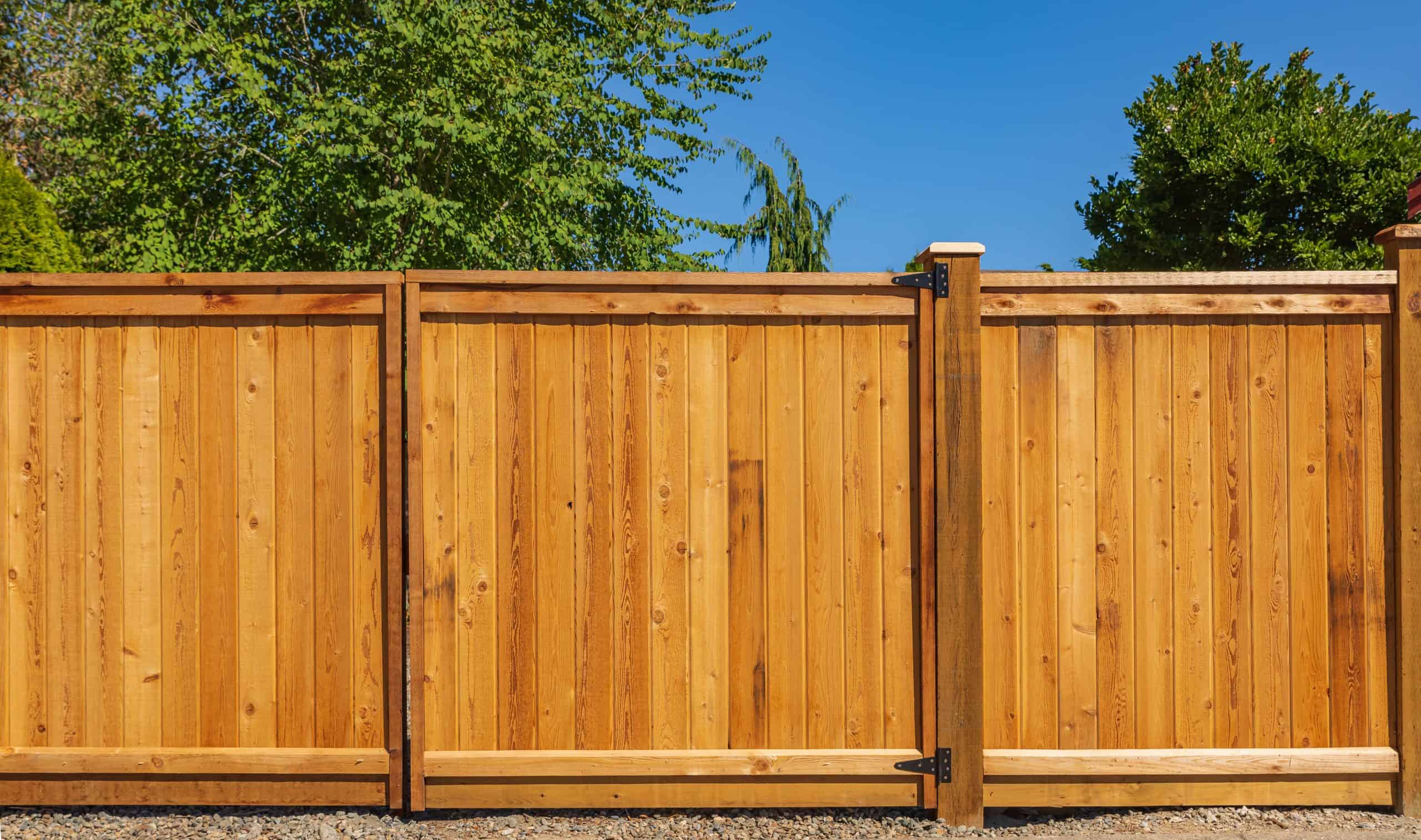
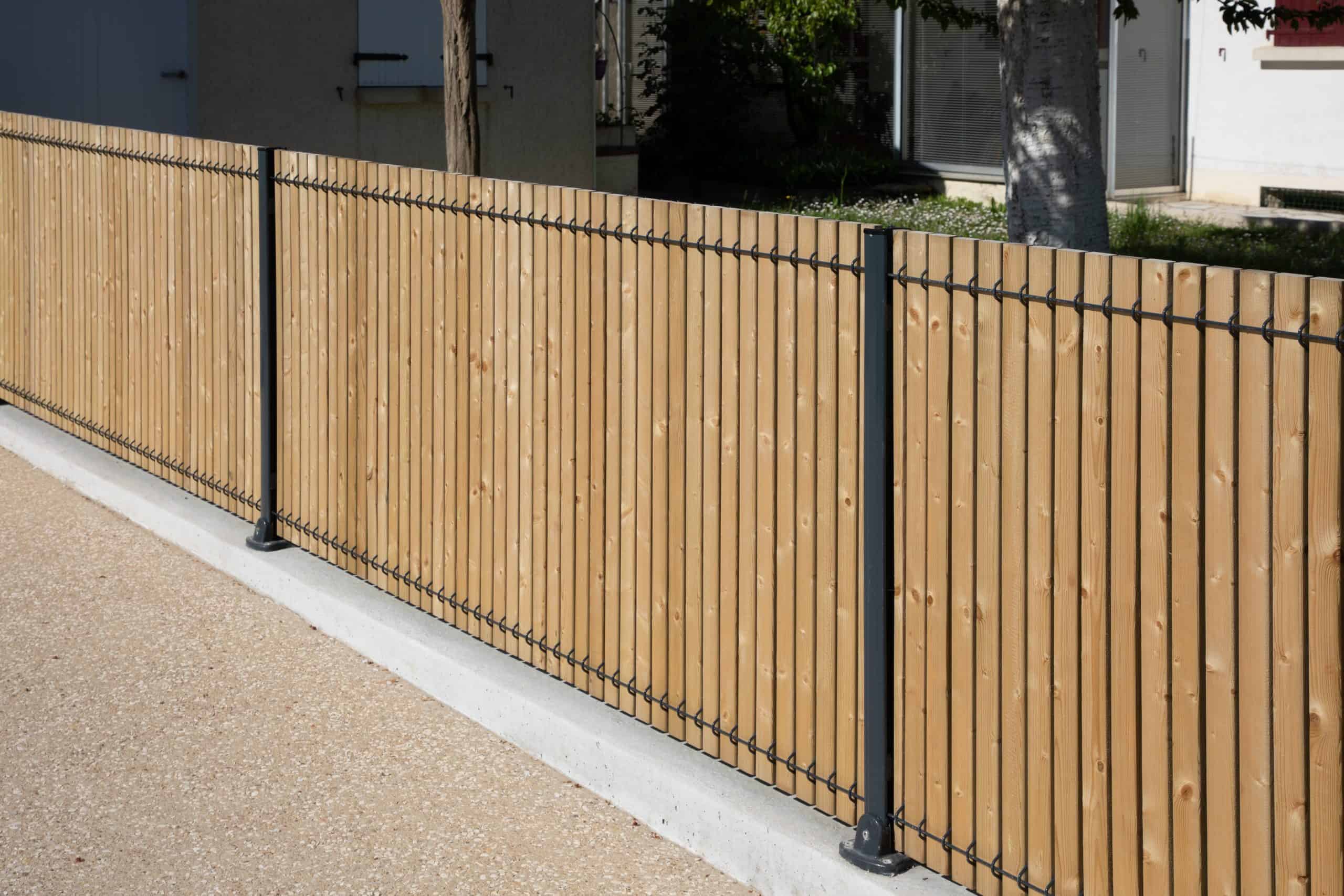
You’re looking at complete privacy without the gaps that show up when cheaper fences start to shrink. Board-on-board construction means your fence maintains full coverage even as Florida’s humidity causes natural wood movement. No sightlines into your yard, no matter the season.
Your fence posts get anchored deep and reinforced to prevent the leaning and sagging that’s common with wood fencing in Central Florida’s shifting soil. We’re talking about a fence that stays straight and secure for decades, not just a few years.
The pressure treated lumber we use is specifically designed to resist rot and decay in high-humidity environments. You won’t see warping or cracking in three months like you would with untreated or improperly sealed wood. This matters in Christmas, FL, where heat and moisture are constants, not occasional concerns.
We serve Orange County and the surrounding Central Florida region with wood fence installation that accounts for local soil conditions, permitting requirements, and weather patterns. We’re not a national franchise following a one-size-fits-all approach.
Christmas homeowners deal with specific challenges: sandy soil that shifts, humidity that accelerates wood deterioration, and strict county permitting rules. We handle the permit process for you—no paperwork headaches, no surprise violations when you go to sell your home.
Our installation teams understand that 87% of homes in Christmas are owner-occupied, meaning you’re investing in a property you plan to keep. We build fences accordingly: proper drainage, correct post depth, and materials that match the investment you’re making in your home.

We start with a property assessment to identify any drainage issues, underground utilities, or soil conditions that affect installation. You’ll get transparent pricing upfront—no hidden costs for “unexpected” site conditions that any experienced contractor should anticipate.
Next comes permit handling. Most municipalities in Central Florida require permits for fence construction, especially for anything over standard height limits. We submit the plans, pay the fees, and ensure everything meets Orange County building codes. You don’t touch a single form.
Installation happens with proper post anchoring—the difference between a fence that lasts 20 years and one that starts leaning after the first storm season. Every post is set to the correct depth for Florida soil and reinforced to prevent movement. Your boards go up with appropriate spacing for board-on-board privacy, and we verify everything is level before we leave.
The final step is yours: waiting 3-6 months before staining or painting. Pressure treated wood needs time to dry and settle in Florida’s climate. We’ll give you specific timing recommendations based on your installation date and current weather conditions.

Ready to get started?
You’re getting pressure treated lumber that’s pre-treated to withstand Florida’s humidity, rain, and heat. This isn’t standard pine that warps in three months. The treatment penetrates the wood to resist rot and insect damage over the long term.
Board-on-board construction gives you complete privacy without the maintenance headaches of solid-panel fencing. As the wood naturally expands and contracts with seasonal changes, you maintain full coverage. No gaps appear between boards like they do with standard privacy fence designs.
Every installation includes proper post reinforcement for Florida’s soil conditions. Christmas sits in an area with sandy, shifting soil that causes poorly installed fences to lean within a year or two. We account for this with deeper post holes and concrete anchoring that prevents movement even during storm season.
Your fence comes with clear maintenance guidance specific to Central Florida’s climate. You’ll know exactly when to apply sealant, how often to inspect for moisture damage, and what signs indicate you need minor repairs before they become major problems. In Christmas, where median home values sit around $267,600, protecting your fencing investment matters for overall property value.
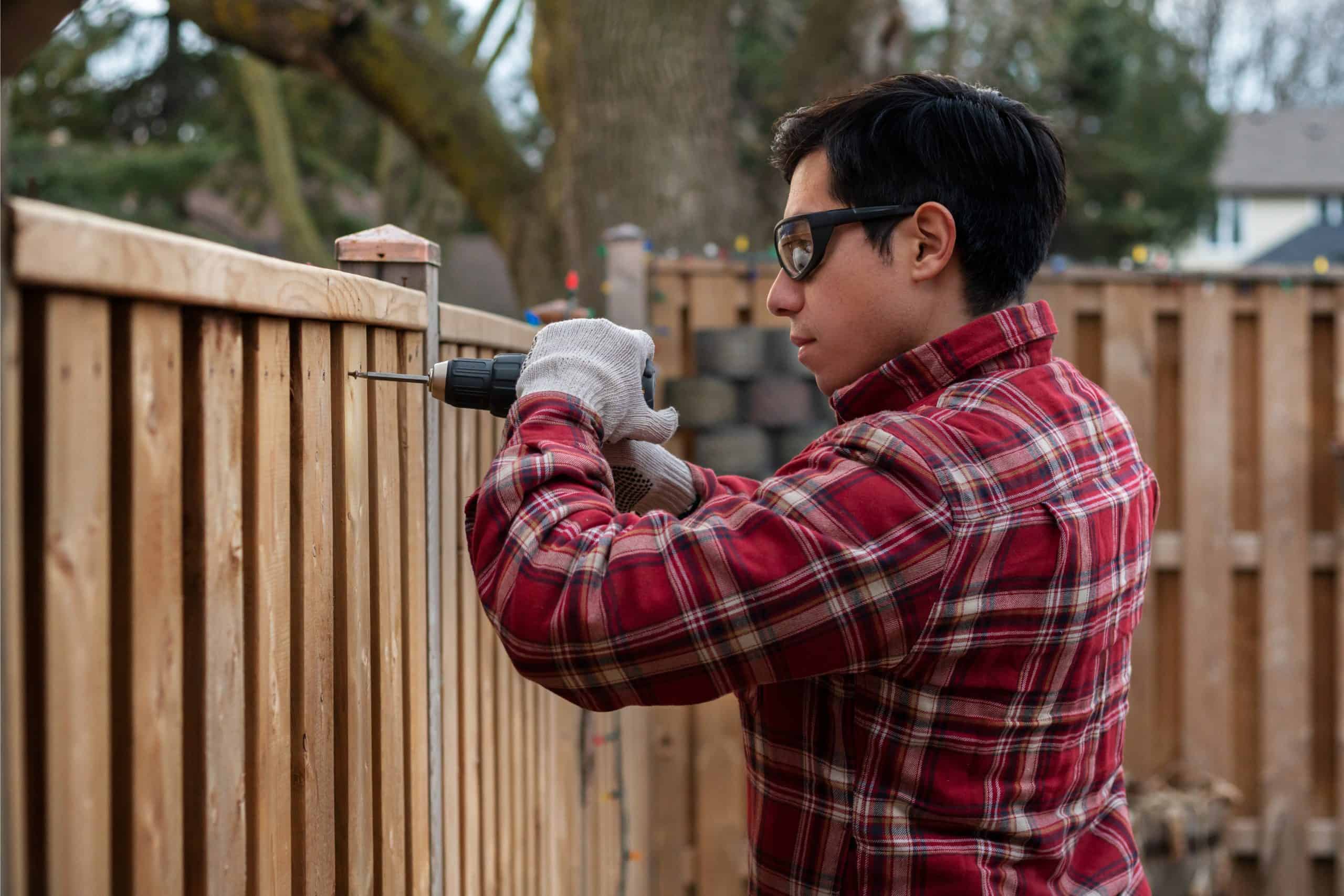
Yes, Orange County requires permits for most fence installations, particularly if your fence exceeds standard height limits or you’re building in certain zoning areas. Skipping the permit creates real problems: fines from the building department, forced removal of your new fence, and complications when you sell your home if the unpermitted work gets flagged during inspection.
We handle the entire permitting process as part of your installation. That means submitting plans to Orange County, paying the required fees, and ensuring your fence meets all local building codes. You don’t fill out forms, make calls to the building department, or worry about whether you’re in compliance.
The permit process typically takes a few weeks, depending on current county workload. We factor this timeline into your project schedule from the start, so there’s no surprise delays. You get a fence that’s fully legal, properly documented, and won’t cause issues down the road.
A properly installed pressure treated fence in Christmas, FL typically lasts 15-20 years with regular maintenance. Cedar fences can push 30-40 years if you stay on top of sealing and repairs. The key word is “properly installed”—most premature fence failures come from poor installation, not material failure.
Florida’s combination of humidity, rain, and intense sun accelerates wood deterioration compared to drier climates. You’ll need to seal or stain your fence every 2-3 years minimum to protect against moisture penetration and UV damage. Skip this maintenance and you’re looking at warping, cracking, and rot within just a few years.
The quality of installation matters as much as the wood itself. Posts that aren’t anchored deep enough start leaning when the soil shifts during heavy rains. Boards installed without proper spacing trap moisture and rot faster. We build for Florida’s specific conditions from day one, which is why our fences hit that 15-20 year mark consistently while poorly installed fences fail in under a decade.
For a standard board-on-board wood privacy fence in Christmas, you’re looking at $30-40 per linear foot installed. A typical residential property with 150 linear feet of fencing runs between $4,500 and $6,000, including materials, labor, and permit fees.
That price reflects pressure treated lumber, proper installation with reinforced posts, and permit handling. Cheaper quotes usually mean shortcuts: shallower post holes, lower-grade lumber, or skipped permits. You’ll pay less upfront and more later when the fence starts failing or you face permit violations.
We provide transparent pricing during your initial consultation. You’ll see exactly what you’re paying for materials, labor, and permits—no hidden fees for “site conditions” or other surprise charges. The goal is a fence that delivers value over its full lifespan, not just the cheapest option that needs replacement in five years.
No. Your new pressure treated fence needs 3-6 months to fully dry before you apply any stain or sealant. Treating the wood too early traps moisture inside, which leads to warping, cracking, and premature rot—exactly what you’re trying to prevent.
Pressure treated lumber arrives saturated with preservative chemicals. In Florida’s heat and humidity, that moisture needs time to evaporate completely. If you seal the wood while it’s still wet, you’re locking that moisture in. The wood can’t breathe, pressure builds up, and you get the splitting and warping that makes fences look terrible after just one season.
We’ll give you specific timing recommendations based on your installation date and current weather patterns. Generally, early fall is ideal for that first sealing—temperatures between 50-90 degrees with low humidity and no rain in the forecast for at least two days. After that initial seal, plan on reapplying every 2-3 years to maintain protection against Florida’s weather.
Poor post installation causes almost every case of fence leaning in Central Florida. Posts that aren’t set deep enough or properly anchored shift when Florida’s sandy soil gets saturated during heavy rains. Once a post moves even slightly, the fence starts leaning, and the problem accelerates from there.
Christmas sits in an area with soil that shifts more than denser clay-based ground. Standard post installation—just digging a hole and dropping in some concrete—doesn’t account for this movement. You need posts set to the correct depth for local soil conditions, with proper concrete anchoring and reinforcement to prevent any shifting when the ground gets waterlogged.
We install every post with Florida’s soil and weather in mind. That means deeper holes than you’d need in other states, concrete that fully encases the post base, and verification that everything is level and plumb before the concrete sets. It’s the difference between a fence that stays straight for 20 years and one that starts leaning after the first storm season.
Pressure treated pine or spruce gives you the best combination of cost, durability, and rot resistance for Florida fencing. The pressure treatment process forces preservatives deep into the wood, protecting against moisture, insects, and decay in high-humidity environments. You’re looking at 15-20 years of life with proper maintenance.
Cedar is another solid option if you want to invest more upfront for potentially longer life—up to 30-40 years. Cedar has natural oils that resist rot and insects even without chemical treatment. It also handles Florida’s humidity well and looks great with minimal finishing. The tradeoff is higher initial cost, typically 30-50% more than pressure treated options.
Avoid untreated lumber entirely for Florida fencing. The combination of heat, humidity, and seasonal rain will have untreated wood rotting, warping, and falling apart within just a few years. Even with religious sealing and maintenance, untreated wood simply can’t stand up to Christmas’s climate conditions. The small savings upfront turns into a complete fence replacement much sooner than you’d expect.