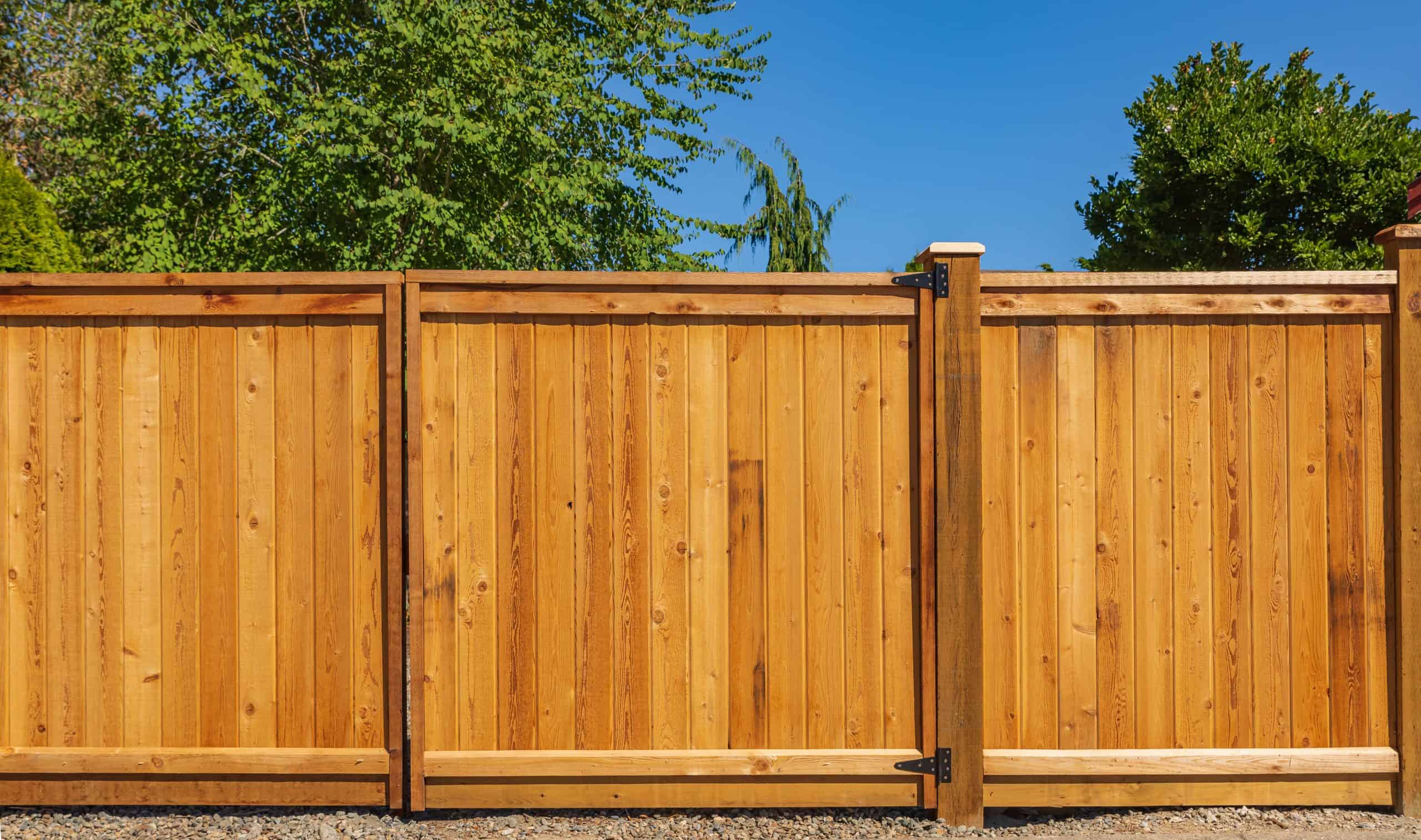
Your kids and pets have a safe space to play without you watching the street every five minutes. Your backyard becomes private again, not a display for every neighbor walking by.
A wood privacy fence in Clay Island, FL does more than mark property lines. It blocks wind during storms, reduces noise from the road, and keeps your outdoor furniture from becoming projectiles when the next hurricane warning hits. With 100% of properties in Clay County at extreme risk for severe wind events over the next 30 years, your fence needs to be built right the first time.
You’ll also see a return when you sell. Wood fences typically recover about 50% of installation costs at closing, and some insurance carriers in Florida will lower your premiums once you report the added security. That’s real value, not just curb appeal.
We’ve been installing wood fences across Central Florida for over three decades. We’re licensed, bonded, and insured, and we’ve seen what works in Clay County’s climate and what doesn’t.
We don’t use pre-fab panels that gap at the bottom or buckle when the ground shifts. Every wood fence installation in Clay Island, FL is stick-built on site using full-size materials, which means it adapts to your terrain without stair-stepping or leaving gaps. You get a fence that rolls with the land and holds up to Florida weather.
We serve Lake, Orange, Seminole, Brevard, Volusia, Osceola, Polk, Sumter, and Marion counties. If you’re in Clay Island, we know your soil, your weather patterns, and what local code requires before we even show up.

We start with a site visit to measure your property, check for underground utilities, and talk through what you actually need. No upselling. If a four-foot fence works for your front yard and a six-foot privacy fence makes sense in back, that’s what we’ll recommend.
Once you approve the plan, we handle permits if your area requires them. Most residential wood fence installations in Clay Island, FL don’t need permits, but some municipalities have specific rules about height and setback. We confirm that before we dig.
Installation starts with setting posts in concrete, spaced correctly to handle wind load. Then we build the fence board by board, not panel by panel. That’s how we avoid gaps and ensure the structure can flex during storms without snapping. We finish with any staining or sealing you want, and we clean up the site before we leave. You’re not dealing with wood scraps in your yard for the next two weeks.

Ready to get started?
We use pressure treated pine as our standard material for wood fences in Clay Island, FL. It’s the most stable option in Florida’s humidity, and the treatment process protects against rot, insects, and moisture damage. If you want cedar for the look or smell, we can do that too, but pine gives you the best balance of cost and durability.
You’ll get custom design options: horizontal or vertical boards, decorative post caps, cross-bracing, whatever fits your property. We’re not limited to three cookie-cutter styles. If your yard has slopes or uneven ground, the stick-built method lets us follow the terrain without creating gaps at the bottom.
Every installation includes post-hole digging, concrete setting, full framework, board installation, and gate hardware if you need access points. We also walk you through maintenance requirements before we finish. Florida heat and humidity will warp untreated wood in as little as three months, so sealing or staining isn’t optional. We’ll tell you exactly when and how to do it, or we can handle it for you.
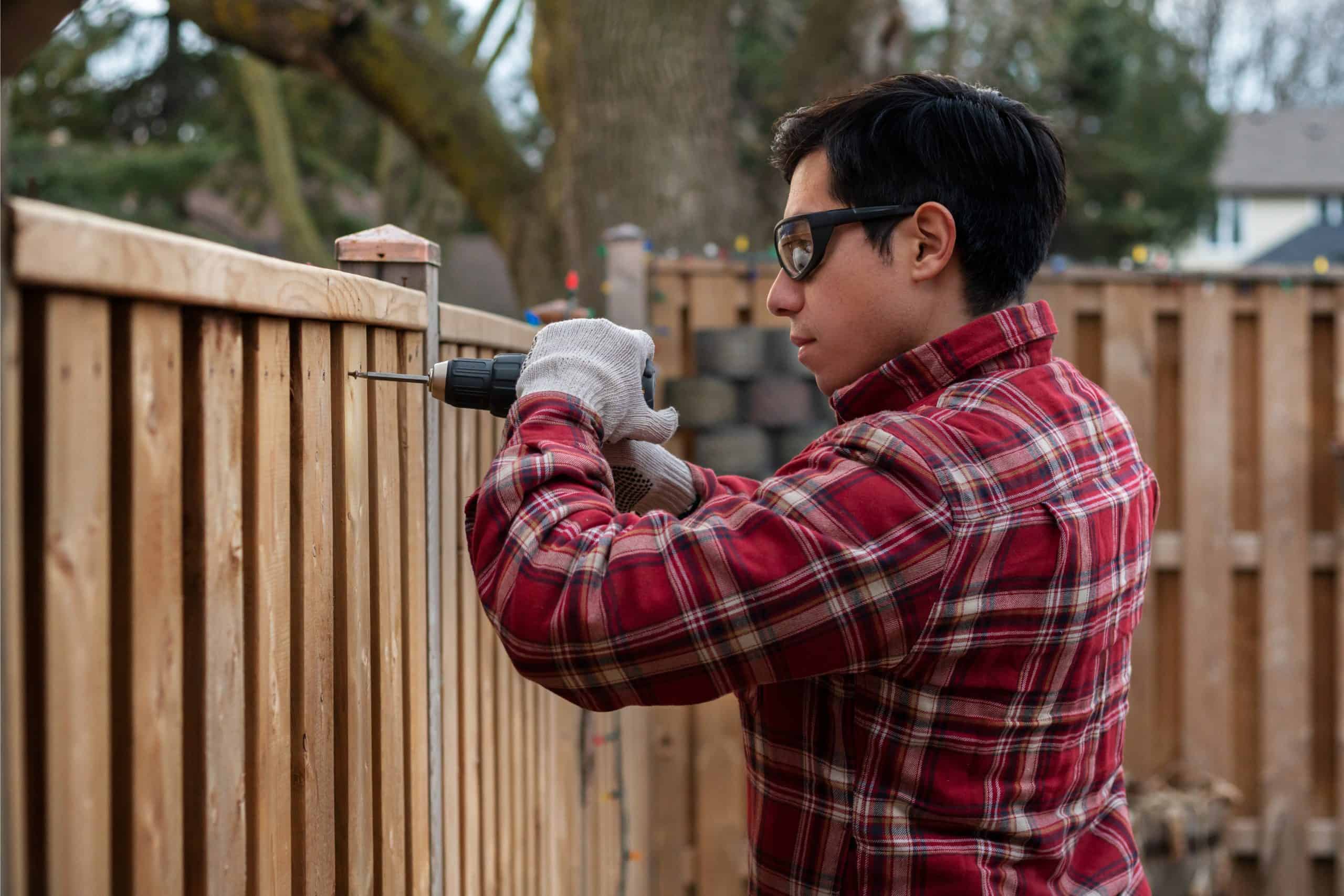
A properly installed pressure treated fence in Clay Island, FL typically lasts 15 to 20 years with regular maintenance. That means sealing or staining every two to three years to protect against moisture, UV damage, and wood rot.
Without maintenance, you’re looking at warping, cracking, and board failure within five to seven years. Florida’s humidity is brutal on untreated wood. The pressure treatment helps, but it’s not a permanent shield.
If you want to extend the lifespan, keep vegetation trimmed back from the fence line, check for loose boards after storms, and address any damage right away. Small repairs now prevent full section replacements later.
Florida doesn’t require permits at the state level, but Clay County and individual municipalities sometimes have their own rules. Most residential wood fence installations don’t need permits, but if you’re building near a property line, exceeding six feet in height, or installing in a flood zone, you might.
We check local requirements before starting any job. If a permit is needed, we handle the paperwork and make sure everything meets code. That includes setback distances, height limits, and any HOA restrictions if you’re in a community with covenants.
Skipping this step can cost you later. If code enforcement flags an unpermitted fence, you could be forced to remove it or pay fines. We make sure that doesn’t happen.
Stick-built pressure treated fences handle hurricane winds better than pre-fab panels because they’re anchored deeper and built with full-size posts. The key is proper installation: posts set at least two feet deep in concrete, with cross-bracing and correctly spaced boards that allow some wind to pass through instead of catching it like a sail.
Solid privacy fences can work, but they need reinforced framing. If you’re in a high-risk wind zone, we’ll recommend spacing boards slightly apart or using a shadowbox design that reduces wind load without sacrificing privacy.
Hurricane Irma in 2017 destroyed thousands of fences across Florida. The ones that survived were built with deeper posts, better bracing, and materials that could flex under pressure. That’s how we build every wood fence in Clay Island, FL, because storm season isn’t a question of if, it’s when.
Most homeowners in Florida pay between $20 and $30 per linear foot for wood fence installation, depending on height, material, and site conditions. A standard six-foot privacy fence for a typical backyard runs between $3,000 and $6,000.
Pressure treated pine is the most cost-effective option. Cedar costs more upfront but offers natural resistance to insects and decay. If your yard has slopes, rocky soil, or requires gate installations, expect the price to adjust based on labor and materials.
We give you transparent pricing with no hidden fees. You’ll know exactly what you’re paying for before we start, and we don’t tack on surprise charges after the job. If your property has challenges that increase cost, we’ll tell you during the estimate, not after we’ve dug the first post hole.
You should seal or stain your wood fence within three to six months of installation. Pressure treated wood needs time to dry out after treatment, but once it does, it’s vulnerable to Florida’s heat and humidity.
We’ve seen new fences warp and crack in as little as three months when left untreated. The quality of lumber has dropped in recent years, so even pressure treated pine needs a protective topcoat to last.
You can use a clear sealant if you like the natural wood look, or go with a stain that adds color and UV protection. Reapply every two to three years, or sooner if you notice the finish wearing off. It’s the difference between a fence that lasts two decades and one that needs replacing in under ten years.
Yes. Wood fences and other solid privacy fences typically return about 50% of the installation cost when you sell your home. Buyers in Florida value privacy, security, and storm protection, especially in areas like Clay County where wind and flood risks are high.
A well-maintained wood privacy fence also makes your yard more functional. Families with kids and pets see it as a safety feature, not just a boundary marker. That can make your property more appealing in a competitive market.
Some insurance companies in Florida will reduce your homeowner’s premium when you install a privacy fence, especially if it adds security or wind protection. Check with your carrier after installation. The savings might not be huge, but over time they add up and offset part of your initial investment.
Other Services we provide in Clay Island