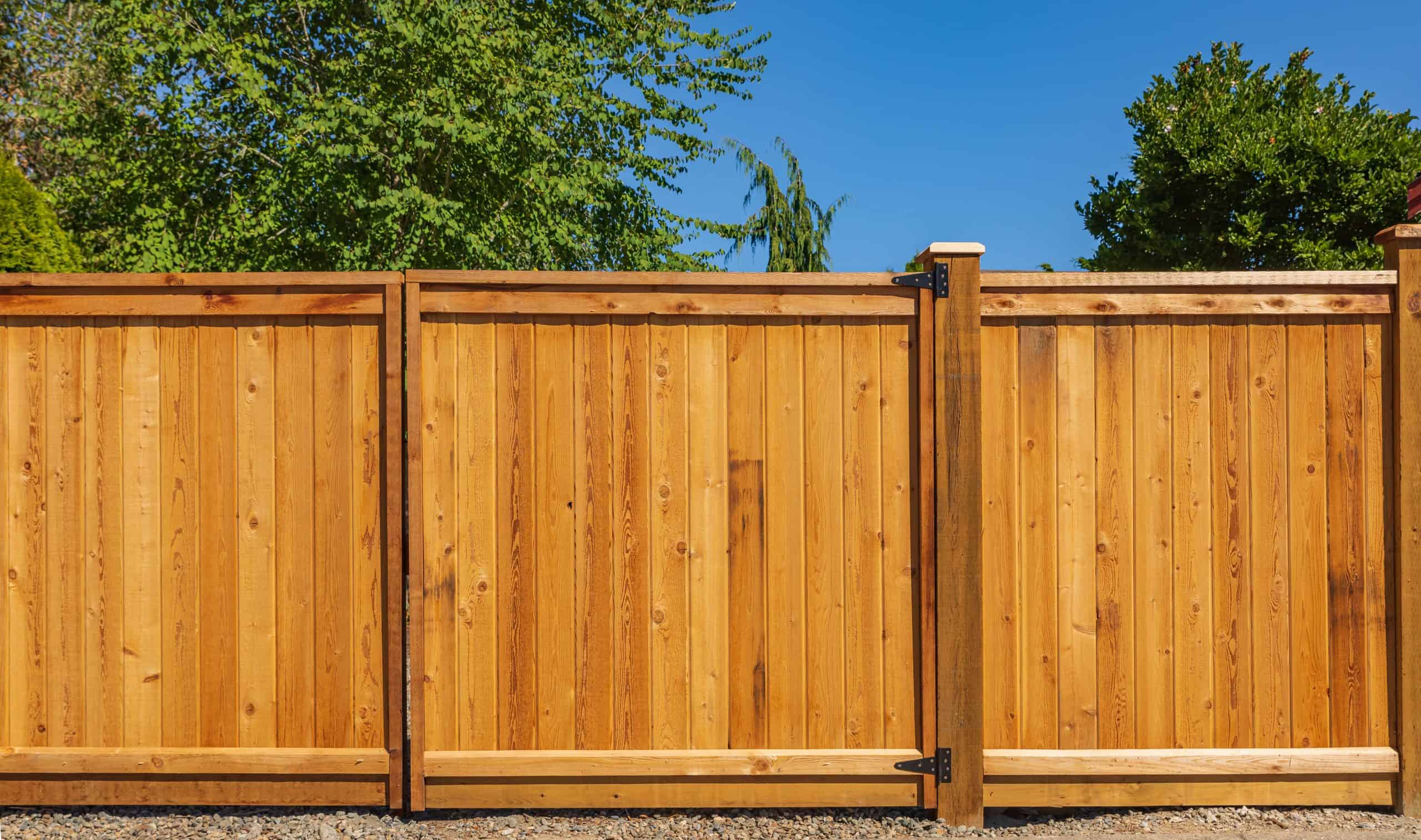
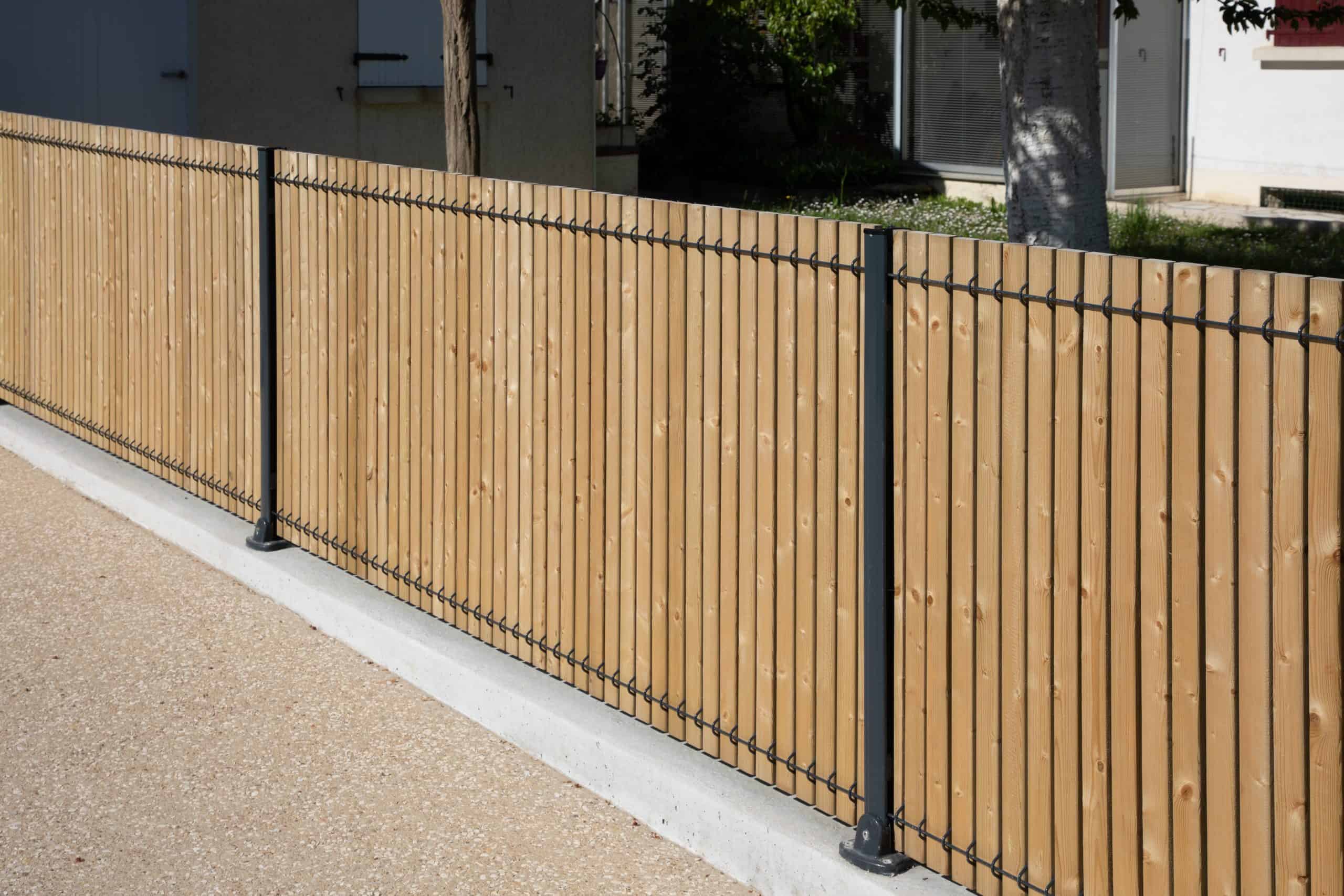
You get a fence that doesn’t warp after the first summer storm. One that keeps your dogs in and your neighbors’ eyes out. A wood privacy fence in Lake Kerr, FL that actually holds up to what Central Florida throws at it.
Most wood fences fail because they’re built with the wrong materials or installed by someone who doesn’t understand how Florida’s soil shifts or how daily afternoon rain affects untreated lumber. Pressure-treated fence posts set in concrete don’t rot out in three years. Boards spaced correctly don’t buckle when humidity spikes.
You’re not just getting a fence. You’re getting something that protects your kids and pets from wandering toward the road, adds real value when you sell, and doesn’t need replacing every five years because someone cut corners on materials or installation depth.
We work throughout Marion County and Central Florida because we know what breaks fences in this area. It’s not just the hurricanes. It’s the termites, the soil composition, the way wood reacts to 90% humidity followed by baking sun.
Lake Kerr sits in a rural pocket where properties are larger and privacy matters more. Homes here were built decades ago, and most need fencing that matches that established, natural aesthetic without looking cheap or temporary. We use materials rated for Florida’s termite zones and installation methods that account for sandy soil and storm drainage patterns specific to this area.
We’re not the cheapest option, and that’s intentional. You’re paying for wood that’s been pressure-treated against rot and insects, posts that go deep enough to stay straight, and installers who’ve done this enough times to know what actually works in Lake Kerr, FL.

First, we confirm your property lines. Sounds basic, but fence disputes with neighbors are common and expensive to fix after the fact. We’ll verify boundaries before we dig a single post hole.
Next, we check for underground utilities and pull the necessary permits. Most Florida counties require permits for fence construction, and Marion County has specific height limits and setback requirements. We handle that paperwork so you don’t have to chase down inspectors or worry about compliance issues down the road.
Then we install pressure-treated posts in concrete footings. Depth matters here because Lake Kerr’s soil doesn’t hold posts the same way clay-heavy ground does. We go deeper than minimum code and use concrete to prevent shifting during heavy rain or wind events.
Finally, we attach your fence boards using galvanized hardware that won’t rust out. For wood privacy fences in Lake Kerr, FL, we typically recommend board-on-board construction where boards overlap with no gaps. It gives you complete privacy and allows airflow that helps the fence survive hurricane-force winds better than solid panels.

Ready to get started?
You get pressure-treated lumber rated for ground contact and Florida’s termite zones. That’s not optional here. Lake Kerr sits in an area where termites destroy untreated wood structures within years, sometimes months. Every post and board we install is treated to resist rot, insects, and moisture damage.
Your installation includes concrete footings for every post, not just corner posts. We’ve seen too many fences lean or collapse after storms because installers skipped this step to save time. Concrete keeps posts vertical and stable even when Central Florida gets 60+ inches of rain per year and soil stays saturated for weeks.
We also handle gate installation with heavy-duty hinges and latches designed for daily use. Gates fail faster than fence sections because hardware wears out or wasn’t sized correctly for the gate’s weight. We use commercial-grade components that won’t sag or bind after a few months of opening and closing.
You’ll get a fence built to Florida Building Code standards with proper permits and inspections. That matters for insurance claims if a hurricane damages your fence and for resale value when you sell your home. Unpermitted fences can complicate closings or force you to tear them down and start over.
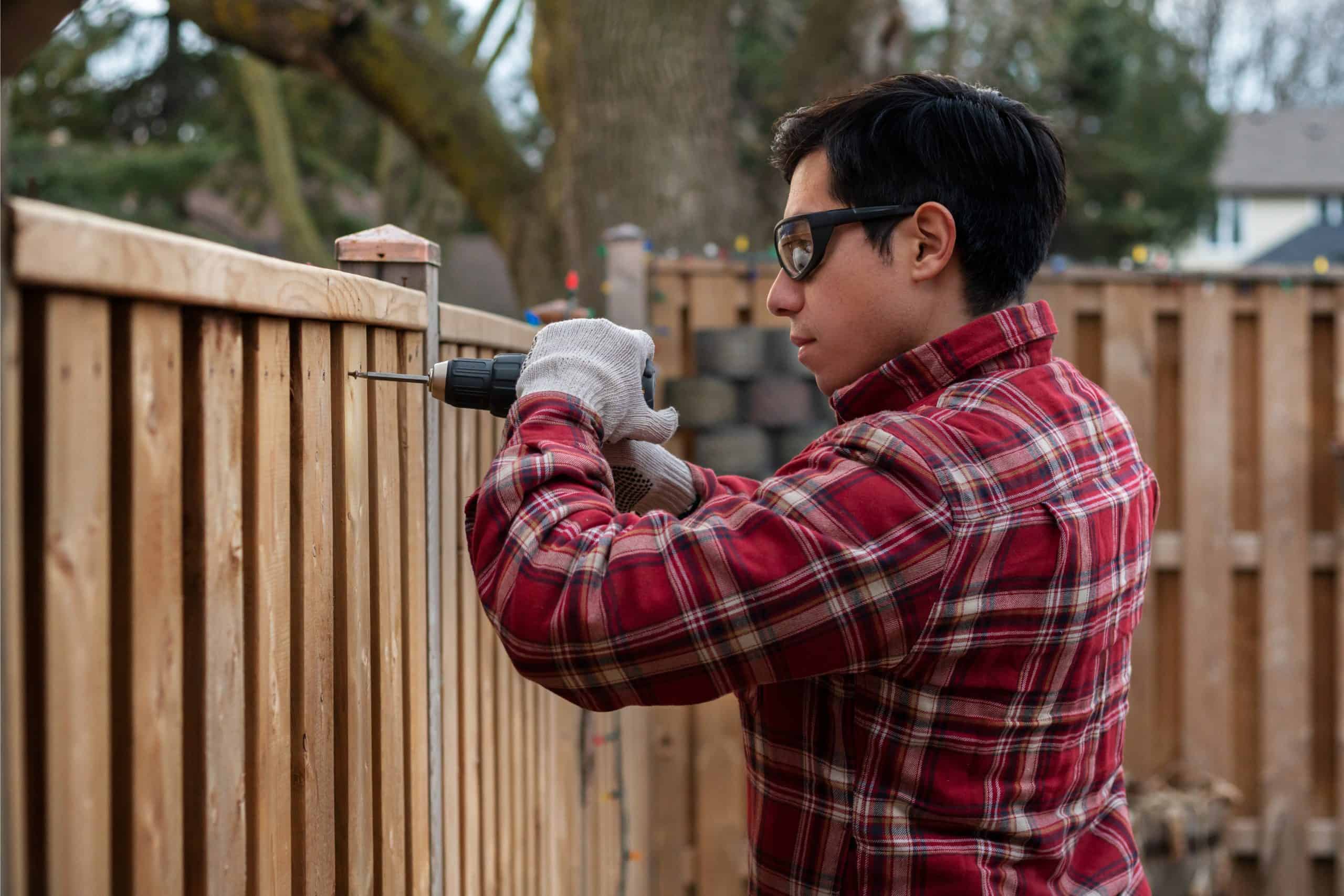
A properly installed pressure-treated fence in Lake Kerr, FL typically lasts 15 to 20 years, sometimes longer if you maintain it. That assumes the wood was treated for ground contact, posts were set in concrete, and the installation accounted for Florida’s humidity and rain patterns.
Untreated wood or improperly installed fences start rotting within three to five years here. The combination of moisture, termites, and sun exposure breaks down wood fast in Central Florida. Pressure treatment soaks preservatives deep into the lumber to resist rot and insects, but it only works if the wood was treated correctly before installation.
You’ll extend your fence’s life by applying a water-repellent stain every few years and trimming back vegetation that holds moisture against the boards. Most rot starts at ground level where water pools or at points where boards stay wet for extended periods. Keep sprinklers off the fence and clear debris from the base, and you’ll get closer to that 20-year mark.
Cedar costs more and looks better initially, but pressure-treated pine performs better long-term in Lake Kerr’s climate. Cedar has natural oils that resist rot and insects in drier climates, but Florida’s constant humidity and termite pressure overwhelm those natural defenses faster than most people expect.
Pressure-treated pine gets chemically treated to resist rot and termites, which works better in high-moisture, high-pest environments like Central Florida. It’s also significantly cheaper, usually running $18 to $40 per linear foot installed compared to $25 to $48 for cedar. That price difference adds up fast on larger properties common in Lake Kerr.
Cedar does take stain better and weathers to a nice gray if you leave it untreated. But if you’re prioritizing durability and cost-effectiveness in Florida, pressure-treated pine is the smarter choice. You can always stain treated pine to get a similar look to cedar without paying the premium or accepting shorter lifespan.
Yes, Marion County requires permits for most fence installations, and Lake Kerr falls under those regulations. You’ll need a permit for any fence over a certain height, typically anything above four feet, though specific requirements can vary based on your property’s zoning and location relative to roads or waterways.
The permit process involves submitting a site plan showing where the fence will go, confirming property boundaries, and scheduling an inspection after installation. It’s not complicated, but it does take time and requires someone familiar with local building codes and setback requirements. We handle this as part of the installation process.
Skipping the permit might seem easier, but it creates problems later. Insurance companies can deny claims for storm damage to unpermitted structures. Future buyers might require you to remove an unpermitted fence before closing. And if a neighbor complains, the county can force you to tear down the fence and start over with proper permits, which costs far more than doing it right the first time.
Wood fences handle hurricanes better than most people expect, especially board-on-board designs that allow wind to pass through gaps between overlapping boards. Solid-panel fences act like sails and catch wind, which rips them apart. Properly spaced wood fencing lets air flow through, reducing wind load significantly.
The key is installation depth and concrete footings. Posts need to go deep enough that hurricane-force winds can’t lever them out of the ground. In Lake Kerr’s sandy soil, that means deeper holes than minimum code and concrete around every post, not just corners. We’ve seen fences survive Category 2 and 3 storms when they were installed correctly and fail in tropical storms when corners were cut.
Your homeowners insurance typically covers fence damage from named storms under the “other structures” section of your policy, usually up to 10% of your dwelling coverage. But the fence needs to have been properly installed and maintained. Insurance adjusters look for code compliance and appropriate construction methods when processing claims, so permitted and professionally installed fences have fewer claim issues than DIY or unpermitted installations.
Wood fence installation in Lake Kerr, FL typically runs $25 to $40 per linear foot for pressure-treated pine privacy fencing, including materials, labor, permits, and concrete footings. That’s for a standard six-foot privacy fence with posts every eight feet and board-on-board construction.
Your total cost depends on property size, fence height, terrain, and access. A quarter-acre lot might need 400 to 500 linear feet of fencing, putting total cost between $10,000 and $20,000. Larger rural properties common in Lake Kerr can run significantly higher. Add gates, custom heights, or difficult terrain, and costs increase accordingly.
The cheapest bid usually means someone’s cutting corners on materials, installation depth, or skipping permits. Pressure-treated lumber costs what it costs. Concrete and proper hardware cost what they cost. Labor to dig deep post holes in Florida heat costs what it costs. When someone comes in substantially lower than other quotes, they’re saving money somewhere, and it’s usually in ways that shorten your fence’s lifespan or create problems during the first storm season.
Apply a water-repellent stain or sealer every two to three years to protect against moisture and UV damage. Florida’s combination of intense sun and frequent rain breaks down wood faster than almost anywhere else in the country. A quality exterior stain adds a protective layer that slows that deterioration significantly.
Keep vegetation trimmed back from the fence so air can circulate and boards can dry between rain events. Vines, bushes, and overgrown grass trap moisture against the wood, creating perfect conditions for rot and mold. You want at least six inches of clearance around the base of your fence and nothing climbing up the boards.
Inspect your fence twice a year for loose boards, rusted hardware, or early signs of rot. Catching problems early means replacing a few boards instead of entire sections. Look especially at areas where water pools, where sprinklers hit the fence regularly, or where boards stay shaded and damp. Those spots rot first and spread damage to surrounding boards if you ignore them.