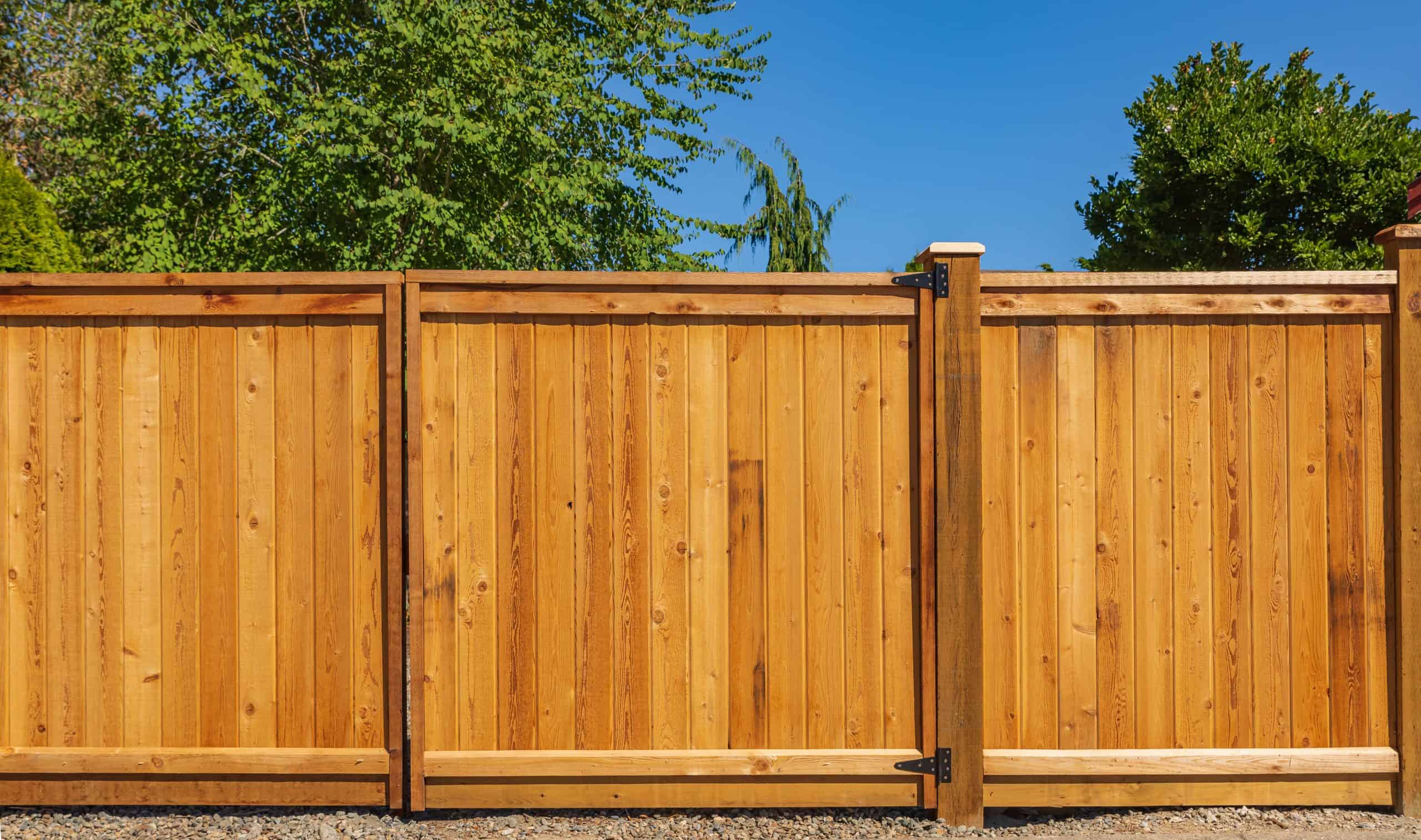
You’re not just buying boards and posts. You’re buying years without constant repairs, a yard your kids and pets can use safely, and privacy that doesn’t fade after the first rainy season.
Most wood fences in Central Florida start warping within three months if they’re not built right. The lumber quality has dropped, the weather hasn’t gotten any easier, and too many installers are cutting corners you won’t notice until it’s too late.
When your wood fence installation is done with pressure-treated materials, deep-set posts in concrete, and proper spacing for wind resistance, you’re looking at a structure that weathers hurricane season without becoming your biggest headache. That’s the difference between a fence and an actual investment in your property.
We started in Atlanta in 1992, moved to Central Florida in 2004, and have been installing wood fences across Lake, Orange, Seminole, and surrounding counties ever since. That’s over two decades of figuring out what works here and what doesn’t.
Lawsona/Fern Creek sits right in the path of extreme wind events—814 properties in your area have serious risk of hurricane or storm damage in the next 30 years. Your fence isn’t decorative. It’s structural. We treat it that way.
We’re licensed, bonded, and insured, and we don’t subcontract your job to whoever’s available that week. You get our crew, our materials, and our process from start to finish.

First, we come out and assess your property, talk through what you need, and give you transparent pricing with no surprise fees later. If you need permits, we handle that too.
Once you’re ready to move forward, we schedule your installation around your timeline—not ours. Our crew shows up on time, sets posts at least three feet deep in concrete (because shallow posts are the first thing to fail in high winds), and uses pressure-treated wood that’s built to resist Florida’s moisture and rot.
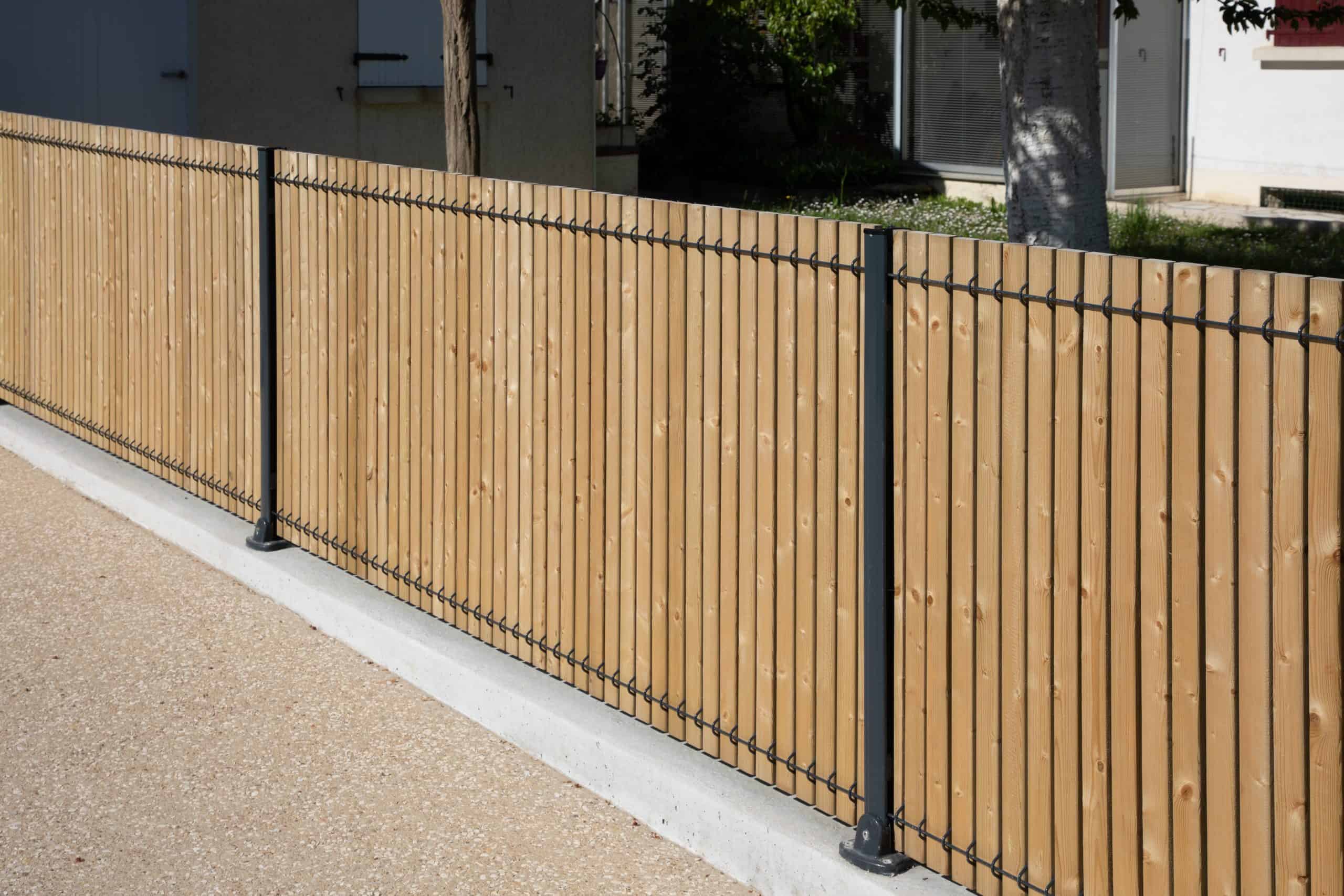
We install board-on-board privacy fences, shadowbox panels, horizontal modern styles, or custom designs depending on what fits your home and your budget. Every board is checked, every post is level, and every gate swings the way it should. When we’re done, you’ve got a fence that does its job without needing constant attention.

Ready to get started?
You’re getting pressure-treated lumber that’s rated for ground contact and moisture resistance. You’re getting posts set in concrete, not just tamped dirt. You’re getting hardware that won’t rust out in two years.
In Lawsona/Fern Creek, where home values jumped 33.5% last year and the median sale price hit $548K, your fence is part of your property’s curb appeal and functionality. We install with that in mind—clean lines, solid construction, and designs that match the modern suburban feel of the neighborhood.
We also offer custom gate installation, privacy fence panels in multiple heights, and repair services if your current fence took a hit during the last storm. Whether you’re adding security for your family, privacy from neighbors, or just replacing something that’s rotting out, the process stays the same: quality materials, professional installation, no shortcuts.
And because Central Florida weather isn’t getting any easier—Lawsona/Fern Creek is expected to see a 242% increase in days over 107°F in the next 30 years—your fence needs to handle heat, humidity, and hurricane winds without falling apart.
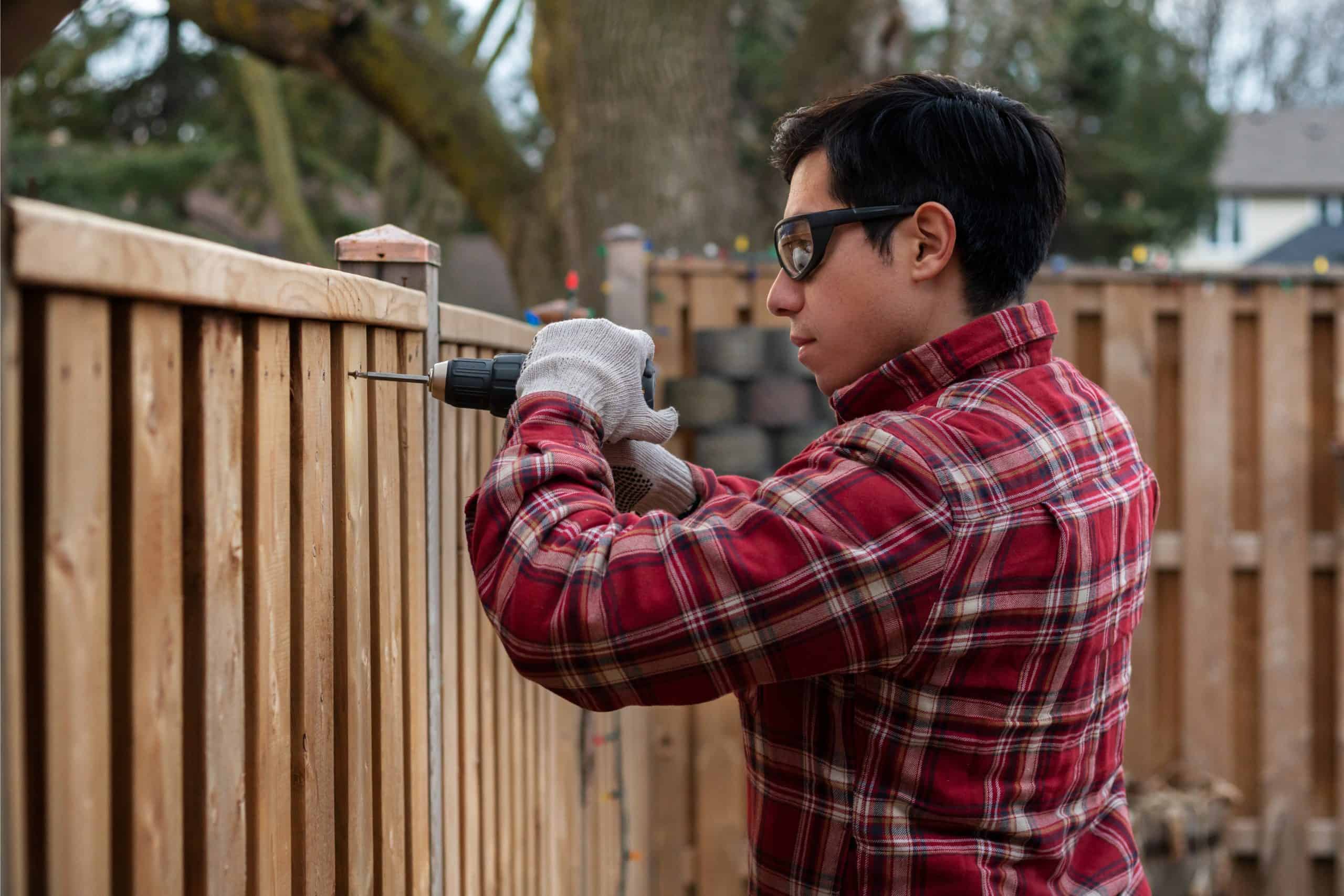
A properly installed pressure-treated wood fence in Central Florida should last 15 to 20 years, sometimes longer if you maintain it. That means staining or sealing every two to three years and keeping an eye on any boards that start to warp or crack.
The biggest threats to your fence here aren’t age—they’re moisture, heat, and storm damage. Wood absorbs water fast, and when you combine that with Florida’s humidity and hurricane season, untreated or poorly installed fences can start failing in under a year.
If your posts aren’t set deep enough in concrete, if your wood isn’t pressure-treated, or if your installer used subpar fasteners, you’re looking at repairs a lot sooner than you should be. That’s why the installation process matters just as much as the materials.
Pressure-treated pine is the most common and cost-effective option for wood fences in Florida. It’s chemically treated to resist moisture, rot, and insect damage, which makes it a solid choice for our climate.
Cedar and redwood are naturally resistant to rot and look great, but they come with a higher price tag and still need regular sealing to hold up against Florida’s humidity and UV exposure. If you want the aesthetic of natural wood and you’re willing to maintain it, cedar is worth considering.
What matters more than the species is how the wood is treated and installed. Even the best lumber will fail if it’s not sealed properly, if posts aren’t anchored in concrete, or if the fence isn’t built to allow for drainage and airflow. We walk you through your options based on your budget and how much maintenance you’re willing to do.
It can—if it’s built right. Wood fences aren’t naturally hurricane-proof, but with deep-set posts, proper bracing, and quality materials, they can handle high winds better than most people think.
The key is in the foundation. Posts need to be buried at least three feet deep and set in concrete, not just dirt or gravel. Shallow posts will lift or snap under wind pressure. Your boards also need to be spaced and fastened in a way that allows some wind to pass through instead of turning your fence into a sail.
That said, no fence is indestructible. If you’re in a direct hit from a Category 3 or higher storm, even a well-built fence might take damage. But a properly installed wood privacy fence will hold up to tropical storms and lower-category hurricanes far better than one that was thrown together by an unlicensed crew trying to undercut everyone on price.
Most wood fence installations in Central Florida run between $15 and $30 per linear foot, depending on the height, style, and materials you choose. A standard six-foot privacy fence with pressure-treated wood usually falls in the middle of that range.
Custom features like horizontal slats, decorative caps, or premium wood species will push the price higher. So will things like difficult terrain, gate installation, or removing an old fence before we put up the new one.
We give you transparent pricing upfront—no hidden fees, no surprise charges after the job’s done. If you’re getting quotes that seem way too low, that’s usually a red flag. Cheap installations mean cheap materials, shallow posts, or unlicensed labor, and you’ll pay for it later in repairs or full replacements.
Not immediately, but you should plan to seal or stain within the first six months to a year. Pressure-treated wood comes with some built-in protection, but it’s not enough to handle Florida’s sun and rain long-term without extra help.
Staining or sealing protects the wood from moisture absorption, UV damage, and the kind of warping and cracking that happens when untreated wood goes through repeated wet-dry cycles. It also keeps your fence looking clean instead of turning gray and weathered.
After the first treatment, you’ll want to reapply every two to three years depending on the product you use and how much sun exposure your fence gets. It’s not complicated, but it’s necessary if you want your fence to last the full 15 to 20 years instead of needing replacement in under a decade.
Board-on-board fences have vertical pickets that overlap on the same side, giving you full privacy from one direction while the other side shows the gaps between boards. It’s a clean, solid look that works well for backyards where you want total privacy.
Shadowbox fences alternate the pickets on both sides of the fence rail, so you get a finished look from either side and partial privacy with a little airflow. It’s a good middle ground if you want some openness but still need a visual barrier.
Both styles hold up well in Florida if they’re installed correctly, and both give you flexibility with height and design. The choice usually comes down to whether you want complete privacy or a more open, decorative feel. We can show you examples of both and help you decide what fits your property and your needs.
Other Services we provide in Lawsona/Fern Creek