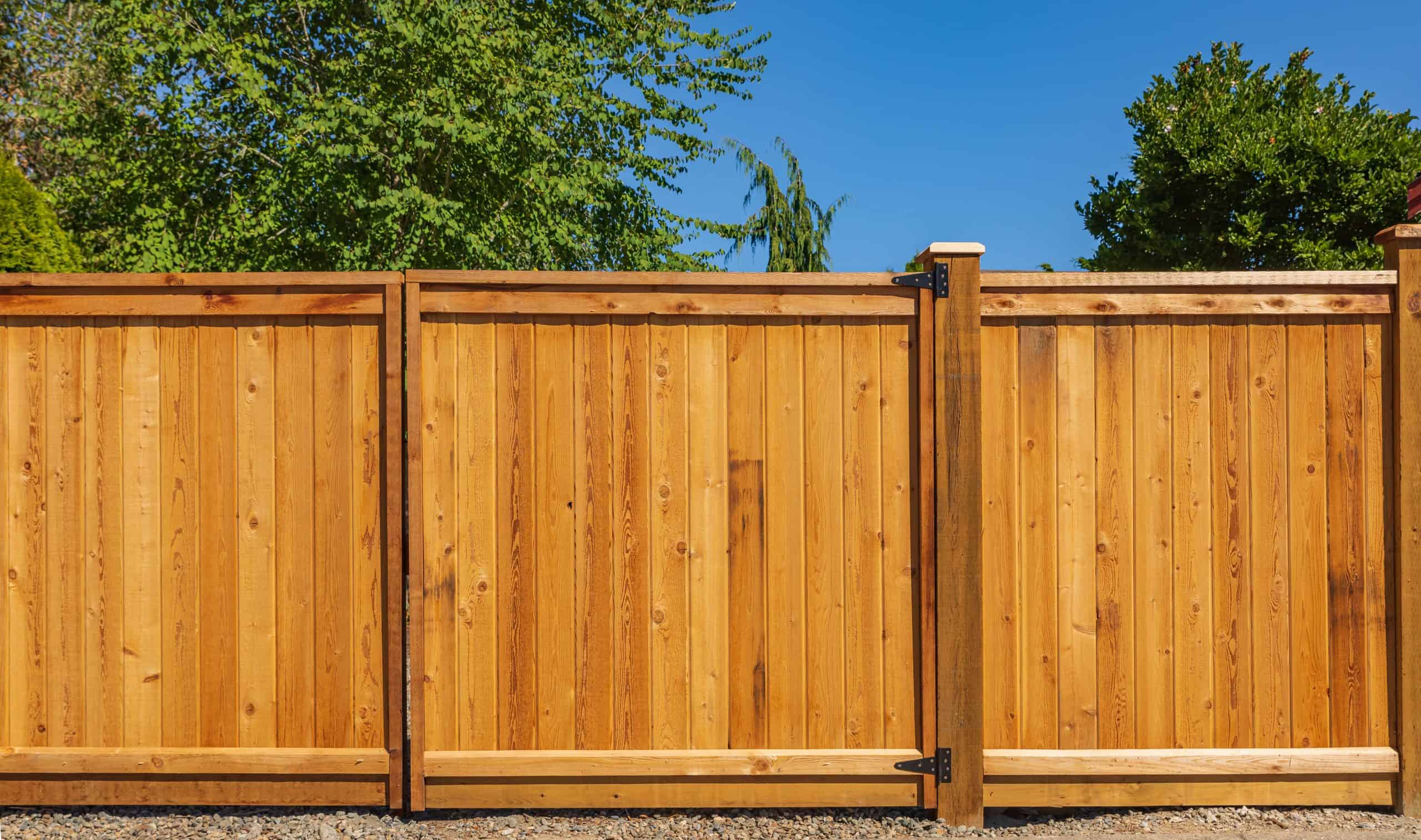
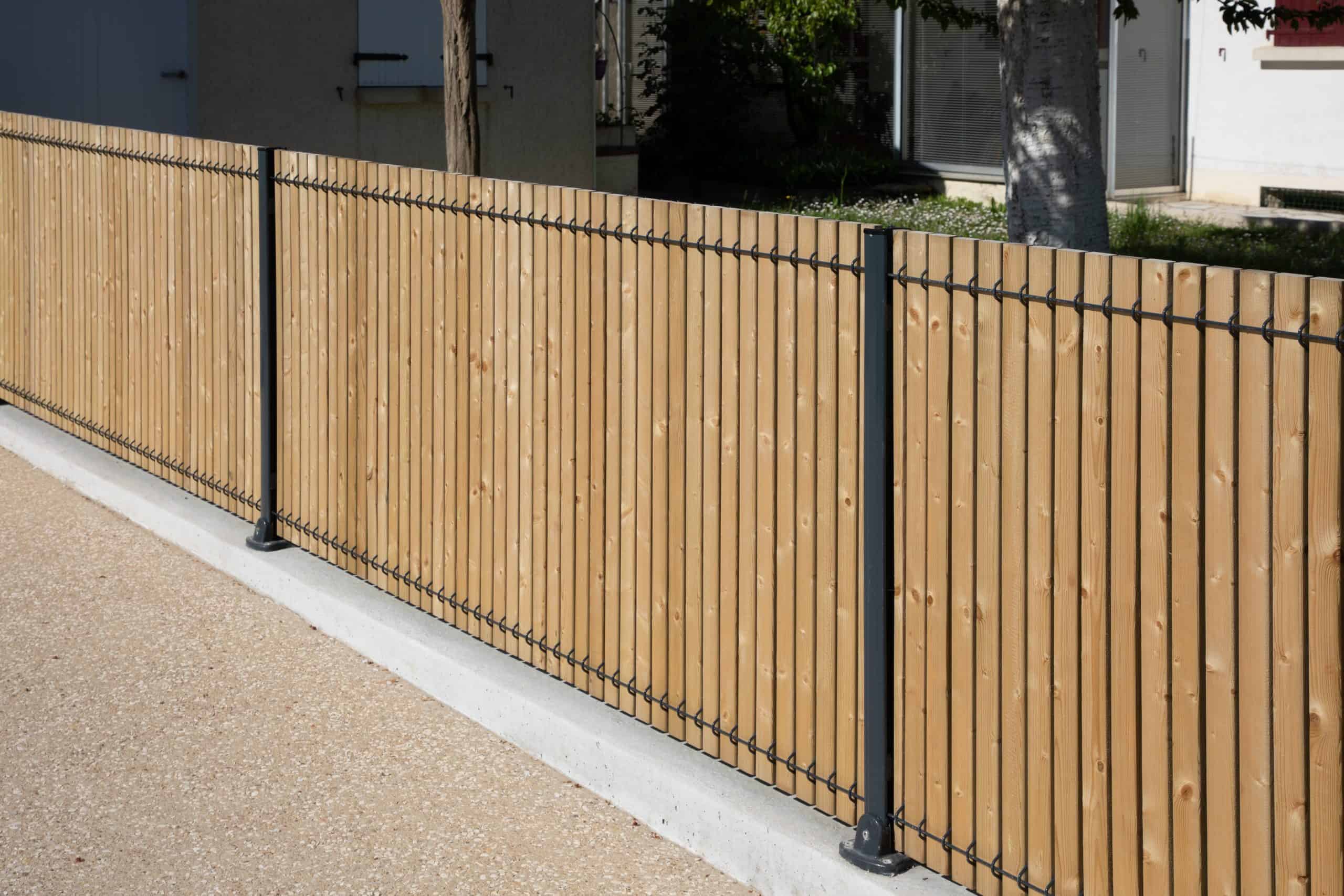
Your kids and dogs have a safe place to play without you watching the gate every second. Your backyard becomes somewhere you actually want to spend time, not just look at through the window.
A wood privacy fence in Monterey, FL does more than mark property lines. It blocks out noise from neighbors, keeps your pool area private, and stops your dog from taking off after every squirrel. You’re not wondering if the posts will rot out next summer or if the whole thing will lean after the first storm.
When you choose pressure treated fence materials and proper installation, you’re looking at years of use without constant repairs. The fence stays straight. The gates close properly. And you’re not repainting or replacing boards every season because someone cut corners during installation.
We serve Central Florida communities where humidity isn’t just high—it’s relentless. We’ve installed wood fences across Lake, Orange, Seminole, and surrounding counties, so we know exactly what happens when you use the wrong materials or skip proper treatment.
You’re not getting a crew that learned fencing in Colorado and moved here last month. Our team understands Florida’s building codes, HOA requirements, and how to set posts that won’t shift when the ground gets saturated. We’ve worked in Monterey, FL long enough to know which wood species hold up and which ones are a waste of your money.
We don’t hide costs or add surprise fees after you’ve already said yes. You get a clear estimate, professional installation, and a fence that does what you hired it to do.

First, we come out to look at your property and talk about what you need. You tell us about privacy concerns, pets, kids, or whatever’s driving the decision. We measure, check for any underground utilities, and discuss wood options that fit your budget and how much maintenance you’re willing to do.
Once you approve the estimate, we handle the permit paperwork if your area requires it. Most residential wood fence installation in Monterey, FL needs permits for anything over a certain height, and we make sure that’s covered before we dig the first hole.
Installation typically takes one to three days depending on your property size and fence style. We set posts in concrete, let them cure properly, and then install rails and pickets. Every board gets checked for alignment, and gates get adjusted until they swing smoothly and latch securely. You’re not dealing with a rushed job that looks fine from the street but has gaps and wobbly sections up close.
After installation, we walk the fence line with you, answer any questions about maintenance, and clean up the work area. You get a one-year labor warranty, so if something’s not right, we come back and fix it.

Ready to get started?
You’re choosing from cedar, redwood, pine, or spruce depending on your budget and how much natural rot resistance you want. Cedar and redwood cost more upfront but need less chemical treatment. Pine and spruce are more affordable and work great when properly pressure treated for Florida’s climate.
For privacy, most homeowners in Monterey, FL go with six to eight-foot heights. That’s tall enough to block sightlines from neighbors and keep dogs contained, but not so high that you’re fighting with HOA rules or city codes. Board-on-board styles give you full privacy with a finished look on both sides. Stockade fencing is another solid option if you want maximum coverage without gaps.
We also install custom wood gates that match your fence design. Single gates work for foot traffic and lawn equipment. Double gates make sense if you’re moving larger items in and out of your backyard. All gates include heavy-duty hinges and latches that hold up to daily use.
Florida’s humidity and seasonal flooding mean your fence needs proper drainage and ground clearance. We set posts deep enough to stay stable but account for water movement during heavy rains. You’re not getting a fence that sits in standing water every time it storms.
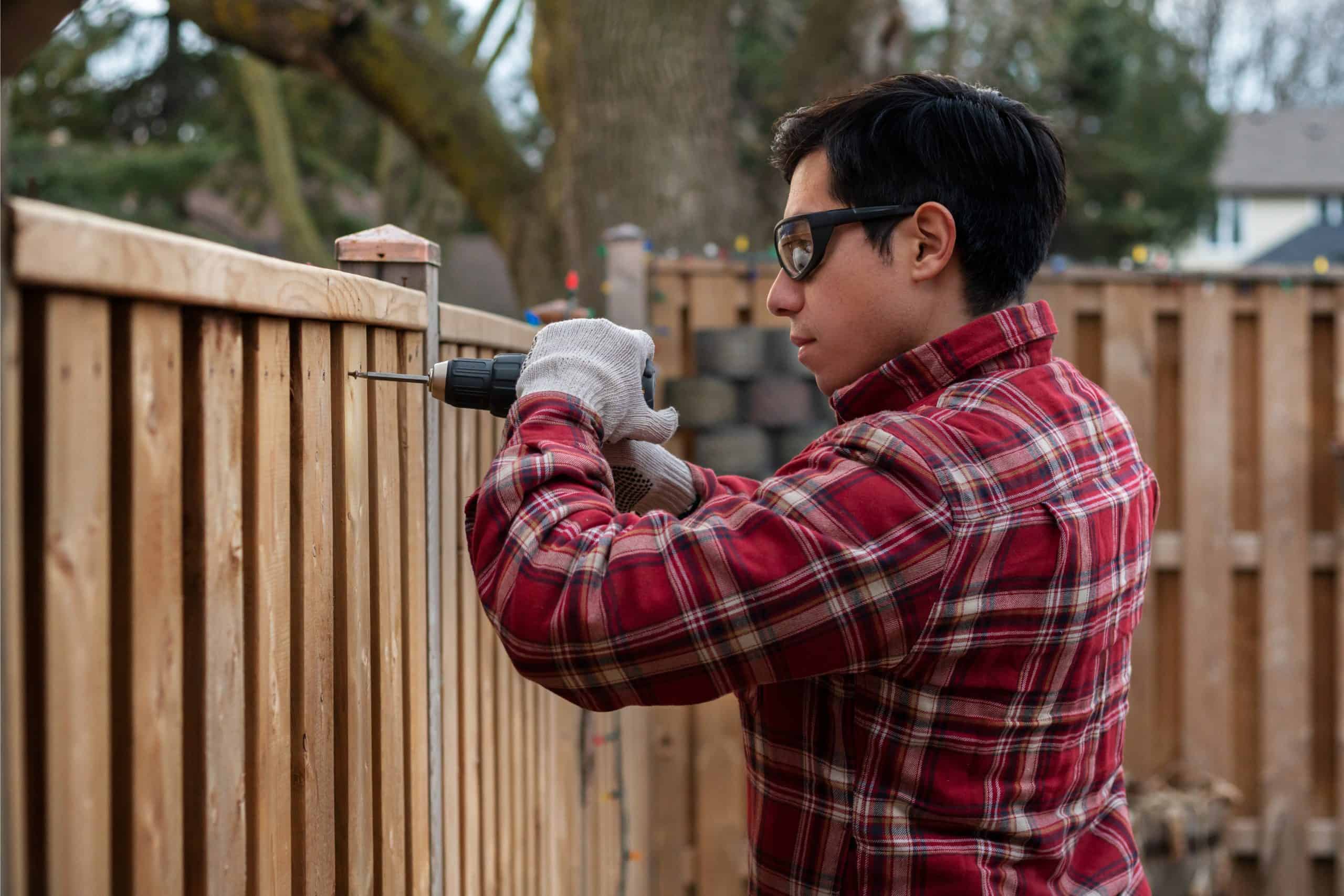
A properly installed pressure treated fence in Monterey, FL typically lasts 15 to 20 years. That assumes you’re using quality lumber, posts are set correctly in concrete, and you’re doing basic maintenance like occasional staining or sealing.
Florida’s humidity and rain are tough on wood, but treatment makes a huge difference. Pressure treated pine resists rot and insect damage far better than untreated wood. Cedar and redwood have natural oils that repel moisture and pests, so they hold up even longer with minimal upkeep.
The biggest killer of wood fences here isn’t age—it’s poor installation. Posts that aren’t set deep enough or don’t have proper drainage will rot at ground level within five years. Skipping concrete and just packing dirt around posts is asking for problems. When the job’s done right from the start, you’re looking at decades of use, not just a few years before you’re calling someone to replace rotted sections.
Board-on-board fences have vertical pickets that overlap on alternating sides of the rails. You get complete privacy, but both sides of the fence look finished. There aren’t any exposed rails or a “back side” that looks unfinished. This matters if you care about how your fence looks from inside your yard, not just from the street.
Stockade fences use pickets placed tightly side-by-side on one side of the rails. They’re slightly less expensive because installation is faster, and you’re not overlapping boards. Privacy is just as good, but one side shows the rails and framework while the other side shows the smooth picket face.
Most HOAs in Monterey, FL prefer board-on-board if your fence is visible from common areas or neighboring properties. Stockade works great for backyards where the “finished” side faces your yard and the framework faces a wooded area or back property line. Both styles hold up equally well in Florida weather when built with quality materials. It’s really about aesthetics and whether your HOA or personal preference cares about a finished look on both sides.
Most residential wood fence installation in Monterey, FL requires a permit, especially if you’re building anything over four feet tall in the front yard or six feet in the back. Lake County has specific rules about setbacks from property lines, height restrictions, and corner lot visibility requirements.
You’ll also need to call 811 before any digging to mark underground utilities. Hitting a gas line or fiber optic cable isn’t just dangerous—it’s expensive and delays your project by weeks. We handle the utility locates and permit applications as part of our installation process, so you’re not stuck figuring out county paperwork.
If you’re in a neighborhood with an HOA, you need their approval before applying for a county permit. Some HOAs have restrictions on fence styles, colors, and heights that are stricter than county codes. We’ve worked with most HOAs in the area and know what they typically approve, which saves you from submitting plans that get rejected. Skipping permits might seem easier, but if code enforcement shows up, you’re paying fines and potentially tearing down the fence and starting over.
Plan on cleaning and resealing or staining your wood fence every two to three years. Florida’s sun and rain break down protective coatings faster than in drier climates. You’ll notice the wood starting to look gray or weathered when it’s time to reseal.
Cleaning means spraying down the fence with a garden hose or pressure washer on low setting to remove dirt, mildew, and pollen. Let it dry completely, then apply a water-resistant stain or sealant. This keeps moisture from soaking into the wood and prevents rot, warping, and insect damage. Skipping this step doesn’t mean your fence falls apart immediately, but you’re cutting its lifespan in half.
Check gates and hinges once a year. Tighten any loose screws, and make sure latches still catch properly. If you notice any boards starting to crack or rot, replace them right away before the damage spreads. Pressure treated wood and cedar naturally resist rot better than untreated pine, so your maintenance schedule might be lighter depending on what you installed. The key is staying ahead of problems instead of waiting until you’ve got multiple rotted posts and sagging sections.
A wood privacy fence in Monterey, FL can handle typical Florida storms if it’s installed correctly. That means posts set at least two feet deep in concrete, proper spacing between pickets to allow some wind flow, and quality lumber that won’t snap under pressure.
Solid privacy fences catch more wind than fences with gaps, so installation technique matters even more. Posts need to be set deeper and spaced closer together for tall privacy fences. We use concrete around every post, not just dirt or gravel, because that’s what keeps the fence standing when wind speeds pick up during summer storms.
Hurricane-force winds are a different story. Even the best-installed wood fence can take damage in a major storm, but proper construction means you’re repairing a few boards instead of replacing the entire fence. Cheaper installations with shallow posts or inadequate bracing are the ones that blow over completely. If you’re in a high-wind area or near open fields, we can add extra bracing and use heavier posts to improve wind resistance. It costs a bit more upfront, but it’s cheaper than rebuilding after every storm season.
Pressure treated pine is the most common choice for residential wood fencing in Monterey, FL because it balances cost and durability. The treatment process forces preservatives deep into the wood, protecting against rot, insects, and moisture damage. You’re looking at 15 to 20 years of life with basic maintenance.
Cedar costs more but resists rot and insects naturally without chemical treatment. It also looks better as it ages, turning a silvery gray instead of looking weathered and beaten up. If you’re planning to stain your fence, cedar takes stain more evenly than pressure treated pine. The tradeoff is price—cedar runs about 30 to 40 percent more than treated pine for the same project.
Redwood is another premium option with natural rot resistance and a rich color, but availability in Florida is limited and prices are high. Most homeowners go with pressure treated pine for the main fence and upgrade to cedar for gates or decorative sections where appearance matters more. Avoid untreated pine or spruce unless you’re planning to treat and seal it yourself immediately after installation. Florida’s humidity will start breaking down untreated wood within months, and you’ll be dealing with rot and insect damage long before the fence should need repairs.
Other Services we provide in Monterey