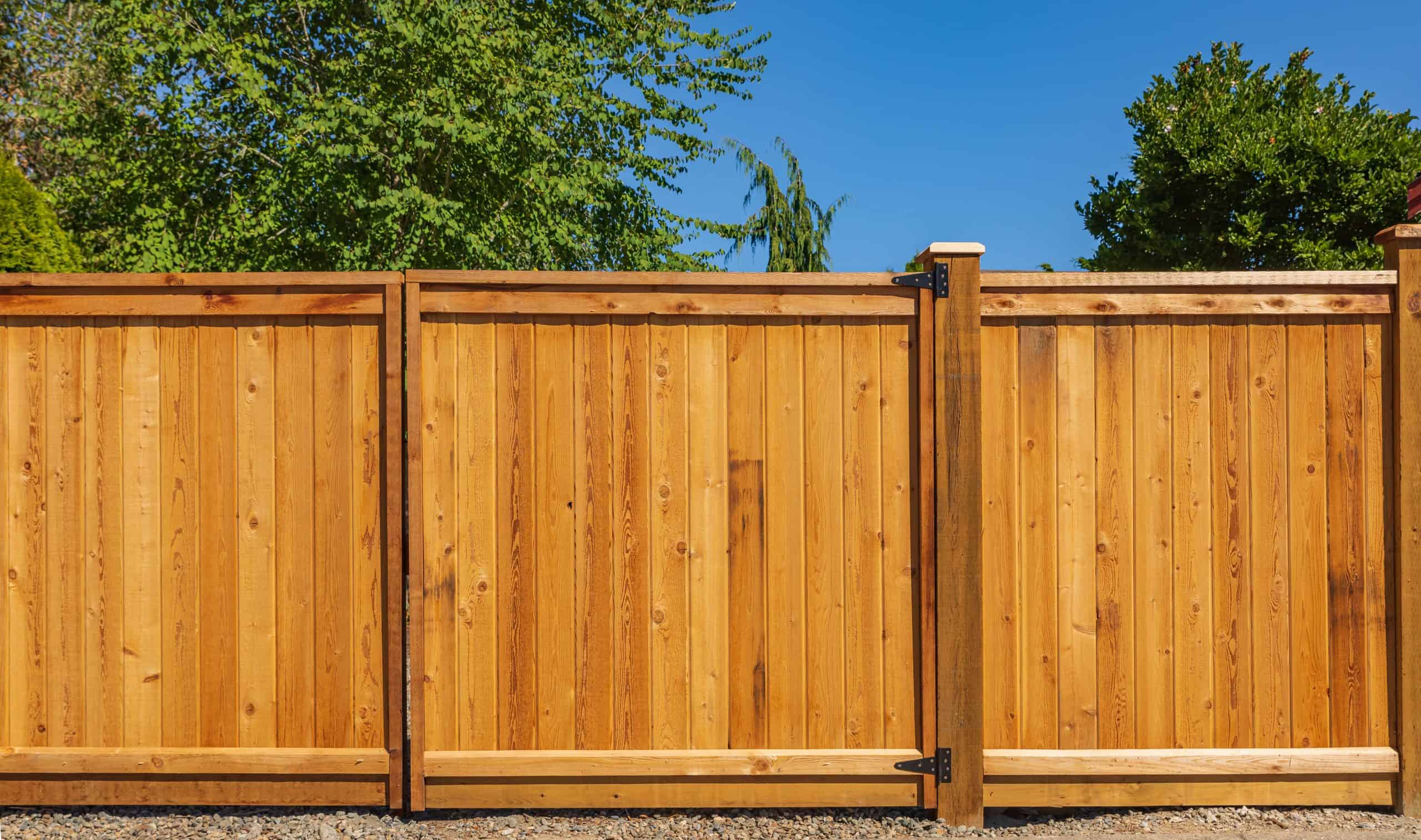
You get real privacy when you need it most. No more neighbors seeing into your backyard during family gatherings or kids playing in the pool. A solid wood privacy fence in Morningside Park blocks sightlines completely while giving your property the natural look that fits with South Florida’s greenery and palm-lined streets.
You also get a barrier that keeps your kids and pets safe without turning your yard into a cage. The right height and spacing means they can play freely while you’re not constantly worried about them wandering toward the street or into areas they shouldn’t be.
And here’s what matters long-term: a pressure treated fence built specifically for Florida’s climate won’t need replacing in five years. The wood is pre-treated to resist the humidity that causes rot, the termites that eat through untreated lumber, and the UV rays that fade and crack cheaper materials. You’re looking at 15-20 years of protection when it’s installed correctly and maintained with basic cleaning and staining every few years.
We’ve spent over two decades figuring out what works in this climate and what doesn’t. We started in 1992 and expanded to the Orlando and Central Florida area in 2004, which means we’ve seen how fences hold up through hurricane seasons, summer storms, and the daily grind of Florida humidity.
We’re licensed, bonded, and insured in the State of Florida as residential fence installers. Every fence we build uses materials made in the USA, and every installation comes with a one-year labor warranty plus manufacturer warranties on the materials themselves.
What sets us apart in Morningside Park is understanding your specific challenges. We know your neighborhood has everything from affordable inland ranch homes to waterfront properties, and each one needs a fence approach that matches the terrain, drainage, and exposure to elements. We’ve handled properties with unusual layouts, challenging soil conditions, and HOA requirements that need navigating before the first post goes in.

First, we come to your property and assess what you’re working with. That means looking at your soil type, checking for underground utilities, measuring the exact perimeter, and talking through what you need this fence to do. Privacy? Pool safety? Pet containment? The design changes based on your actual goals.
Next, we handle the permit process if your project requires one. Florida has specific regulations about fence height, setbacks from property lines, and pool enclosure requirements. We know what Morningside Park allows and what your HOA might require, so you’re not stuck dealing with compliance issues after the fence is already up.
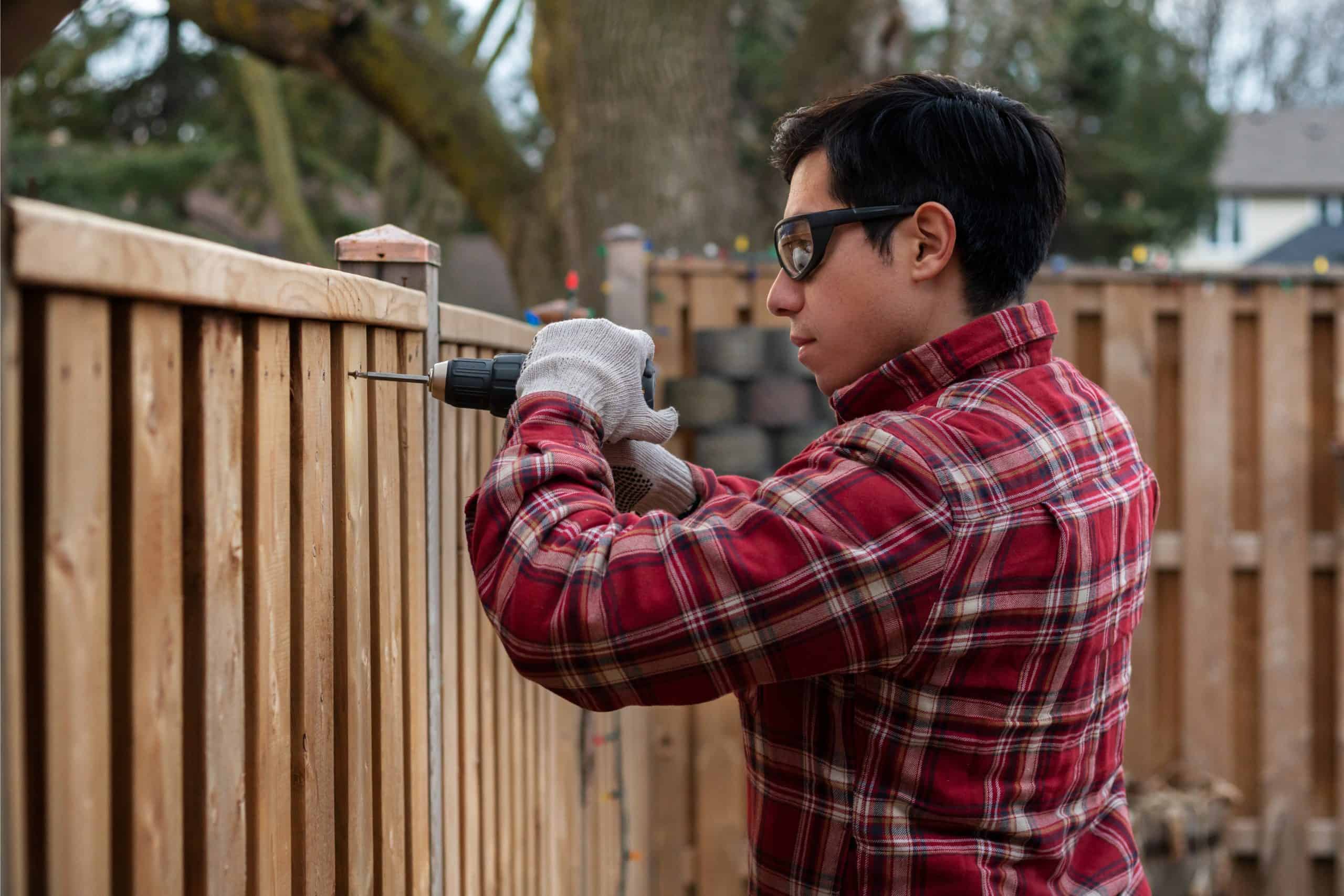
Then comes installation. We set posts in concrete, ensuring they’re deep enough to handle wind load from storms. The posts get time to cure properly before we attach rails and boards. This isn’t a rush job. Most residential wood fence installations in Morningside Park take 1-3 days depending on your property size and fence design, but we don’t cut corners to speed things up.
You’ll see us using pressure treated lumber that’s been specifically processed to resist moisture, insects, and decay. The treatment soaks deep into the wood, not just the surface, which is why it holds up when untreated pine would rot within a few years in Florida’s climate.

Ready to get started?
You get full customization on height, style, and finish. Want a six-foot privacy fence that completely blocks the view from the street? We build that. Need a four-foot picket fence that keeps pets in but maintains an open feel? That works too. The wood type, board spacing, decorative caps, and stain color are all decisions you make based on what fits your home’s look and your functional needs.
The installation includes proper post setting with concrete footings, which is critical in Morningside Park’s soil conditions. Posts that aren’t set deep enough or don’t have adequate concrete will shift during heavy rains or when the ground gets saturated. We go deeper than minimum code requirements because we’ve seen what happens when contractors cut corners.
You also get gates designed to match your fence, with hardware that won’t rust out in Florida’s humidity. Gate hinges and latches take more abuse than any other part of your fence, so we use stainless steel or coated hardware that lasts. If you’re enclosing a pool, the gate gets a self-closing mechanism and latch that meets Florida’s pool safety laws.
For Morningside Park specifically, we account for the fact that many properties here have mature trees and dense landscaping. That means working around root systems without damaging them, adjusting fence lines to accommodate tree growth, and sometimes designing sections that can be removed if a tree needs service down the road. Your fence should work with your landscape, not fight against it.
A properly installed pressure treated fence in Morningside Park typically lasts 15-20 years, and you can push that to 20+ years with consistent maintenance. The key word there is “properly installed” with materials designed for Florida’s humidity and pest pressure.
Untreated wood or poorly treated lumber won’t make it past five to seven years here. You’ll see rot at the base of posts where moisture sits, warping in boards that weren’t properly dried before installation, and termite damage in wood that wasn’t treated all the way through. That’s why the treatment process matters more than the wood species in most cases.
Your maintenance routine affects lifespan significantly. Cleaning your fence annually to remove mildew, applying a fresh coat of stain or sealant every 2-3 years, and addressing small repairs before they become big problems will add years to your fence’s life. Neglect those steps and even the best materials will break down faster than they should.
Pressure treated pine is the most cost-effective option that actually performs in Florida’s climate. The treatment process forces preservatives deep into the wood under high pressure, which protects against moisture, rot, and termites from the inside out. It’s widely available, affordable compared to premium options, and proven to last when installed correctly.
Cedar is naturally resistant to insects and decay, which is why some homeowners prefer it. It looks great and smells good when it’s new. But in Morningside Park’s humidity, even cedar needs regular sealing to prevent moisture absorption and eventual warping. It’s also more expensive upfront, sometimes significantly so depending on current lumber prices.
Treated pine gives you the best balance of cost and performance for most residential applications here. You’re spending less per linear foot than cedar or composite alternatives, and you’re getting wood that’s specifically engineered to handle the exact conditions your fence will face. The treatment isn’t just a surface coating. It penetrates the entire board, so even if you cut into it during installation, the interior wood is still protected.
Most wood fence installations in Morningside Park require a permit, especially if you’re building anything over a certain height or enclosing a pool. The exact requirements depend on your fence’s height, location on your property, and whether you’re in an HOA with additional restrictions.
Lee County has specific setback requirements that dictate how close your fence can be to property lines, and height restrictions that vary based on whether the fence is in your front yard, side yard, or backyard. Pool fences have their own set of rules under Florida law, including required heights, gate specifications, and latch mechanisms to prevent unsupervised access.
We handle the permit process as part of our installation service, which saves you from navigating county offices and code requirements on your own. We know what documentation Lee County needs, what inspections they’ll require, and how to ensure your fence passes on the first try. Skipping permits might seem like a shortcut, but it creates problems when you sell your property or if a neighbor reports unpermitted work. The county can require you to remove a non-compliant fence entirely, which means you’ve paid for installation twice.
Plan on cleaning your fence once a year and restaining or resealing it every 2-3 years. That’s the baseline to keep a wood fence in Morningside Park looking good and functioning properly. Skip those steps and you’ll see mildew growth, color fading, and moisture damage that shortens your fence’s lifespan significantly.
Annual cleaning means hosing down the fence and scrubbing off any mildew, dirt, or algae buildup with a mild cleaner. Florida’s humidity creates perfect conditions for mildew, especially on north-facing fence sections that don’t get direct sun to dry them out. A pressure washer works, but you need to be careful about the pressure setting. Too high and you’ll damage the wood fibers, creating rough spots that absorb more moisture.
Staining or sealing every few years protects the wood from UV damage and moisture penetration. The sun breaks down wood fibers over time, and unsealed wood absorbs water during rainstorms, which leads to swelling, warping, and eventually rot. A quality exterior stain with UV protection keeps your fence from turning gray and brittle. You’ll know it’s time to restain when water stops beading up on the surface and starts soaking in instead.
A well-built wood fence can handle most tropical storms and many hurricane conditions, but no fence is completely hurricane-proof. The key factors are post depth, concrete footing quality, and how the fence is constructed to allow wind to pass through rather than creating a solid wall that catches maximum wind load.
We set posts deeper than standard code requirements in Morningside Park because we know what wind speeds look like during storm season. Posts that are only two feet deep will shift or pull out entirely when you get sustained winds above 60-70 mph. Three feet deep with proper concrete creates a foundation that holds even when the ground is saturated and wind is pushing hard against the fence line.
Board spacing also matters. A solid privacy fence with no gaps catches more wind than a fence with slight spacing between boards. That doesn’t mean you sacrifice privacy, but it does mean the design needs to account for wind relief. Some fence styles naturally perform better in high winds than others, and we’ll walk you through options that balance privacy with storm resistance based on your property’s exposure.
Wood fencing in Morningside Park typically runs $20-30 per linear foot installed, which makes it more affordable than vinyl, aluminum, or wrought iron while still giving you privacy and security. The exact cost depends on your wood choice, fence height, design complexity, and how much linear footage you’re covering.
Vinyl costs more upfront but requires almost zero maintenance, which appeals to homeowners who don’t want to restain every few years. Aluminum and wrought iron are premium options that cost significantly more than wood but offer different aesthetics and extremely long lifespans. Chain link is cheaper than wood but doesn’t provide privacy, so it serves a different purpose entirely.
The return on investment for wood fencing is solid. You’re looking at roughly 50% ROI when you sell your property, based on the materials and installation quality. That means a $5,000 fence could add $2,500 to your home’s sale price, plus the intangible benefits of curb appeal and functionality while you’re living there. Wood fences add character to Morningside Park’s ranch-style homes in a way that chain link or basic wire fencing doesn’t, and buyers notice that difference during showings.
Other Services we provide in Morningside Park