You’ve probably heard the stories. Someone moves to Central Florida, installs a wood fence, and watches it warp before summer’s over. Or it starts rotting within a year because the contractor didn’t use the right materials or know how to build for this climate.
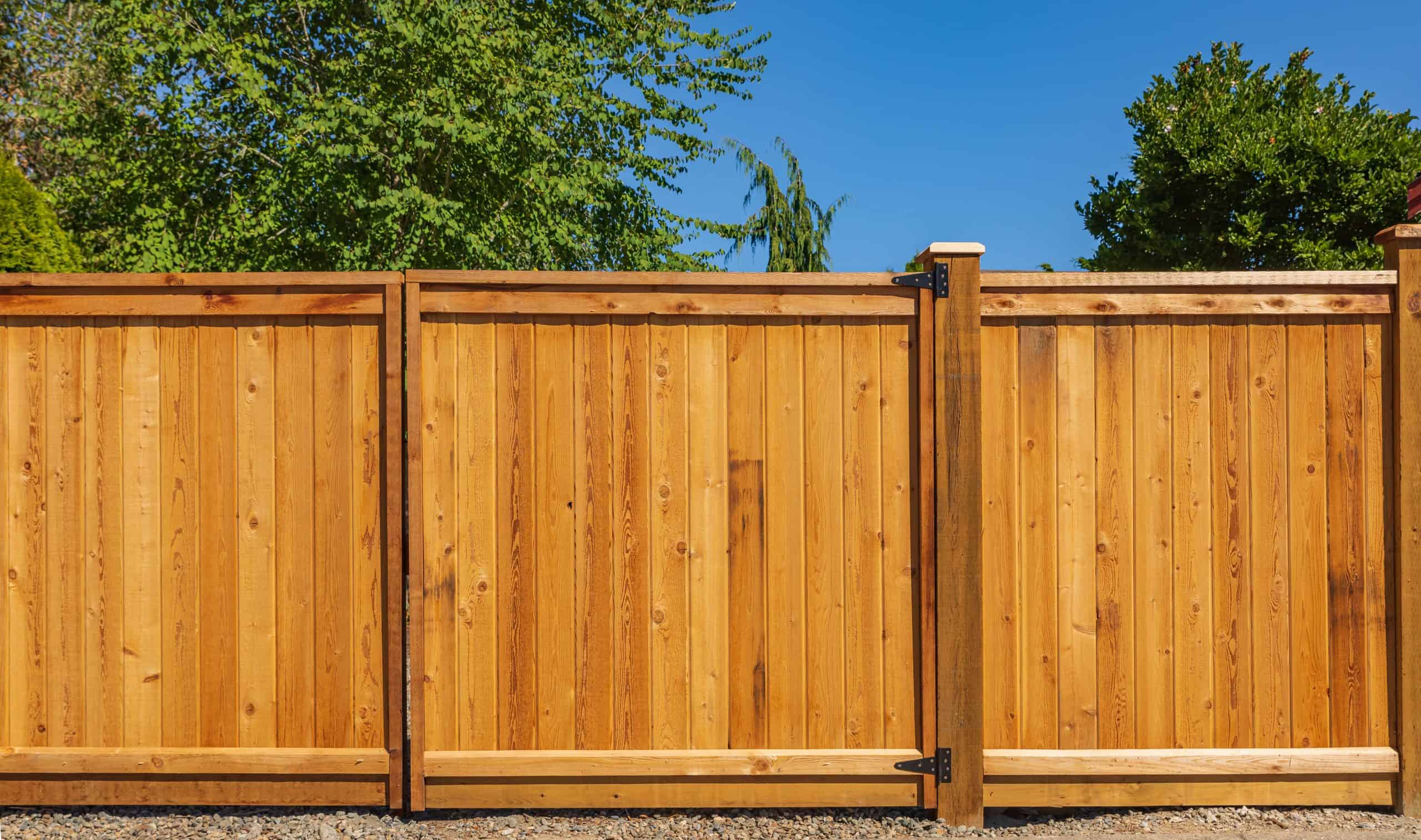
That’s not what happens when the installation is done right. A properly built wood privacy fence in Mosquito Grove gives you the privacy and security you’re after without falling apart when the rain comes or the temperature spikes. You get a fence that keeps kids and pets safe, blocks out neighbors, and doesn’t look like a disaster two seasons in.
The difference is in the details. Pre-treated lumber that’s designed for Florida’s humidity and salt air. Construction methods that account for storm-season winds. And a team that’s been doing this long enough to know what works and what doesn’t. When those pieces come together, you end up with a fence that does its job for 20 years or more, not 20 months.
We’ve been installing wood fences across Mosquito Grove and the surrounding Central Florida area for over 20 years. We’re licensed, bonded, and insured, which matters more than it sounds like it does when you’re comparing contractors.
What that means for you is straightforward pricing, no surprise charges, and a team that shows up when we say we will. We’ve built hundreds of fences in Lake County and the surrounding counties, so we know what holds up in this climate and what doesn’t. You’re not getting a crew that learned fencing in Ohio and thinks Florida is the same.
We use top-grade materials because cheaper lumber costs you more in the long run. And our installations come with a one-year labor warranty because we stand behind the work. If something’s not right, we fix it.

First, we come out to your property and talk through what you need. Privacy? Pet containment? Property line definition? We measure, discuss wood type options like pressure-treated pine or cedar, and give you a transparent quote with no hidden fees.
Once you’re ready to move forward, we handle any HOA requirements or permitting that applies to your neighborhood in Mosquito Grove. Then we schedule the installation at a time that works for you. Our crews show up on time with all the materials needed to complete the job.
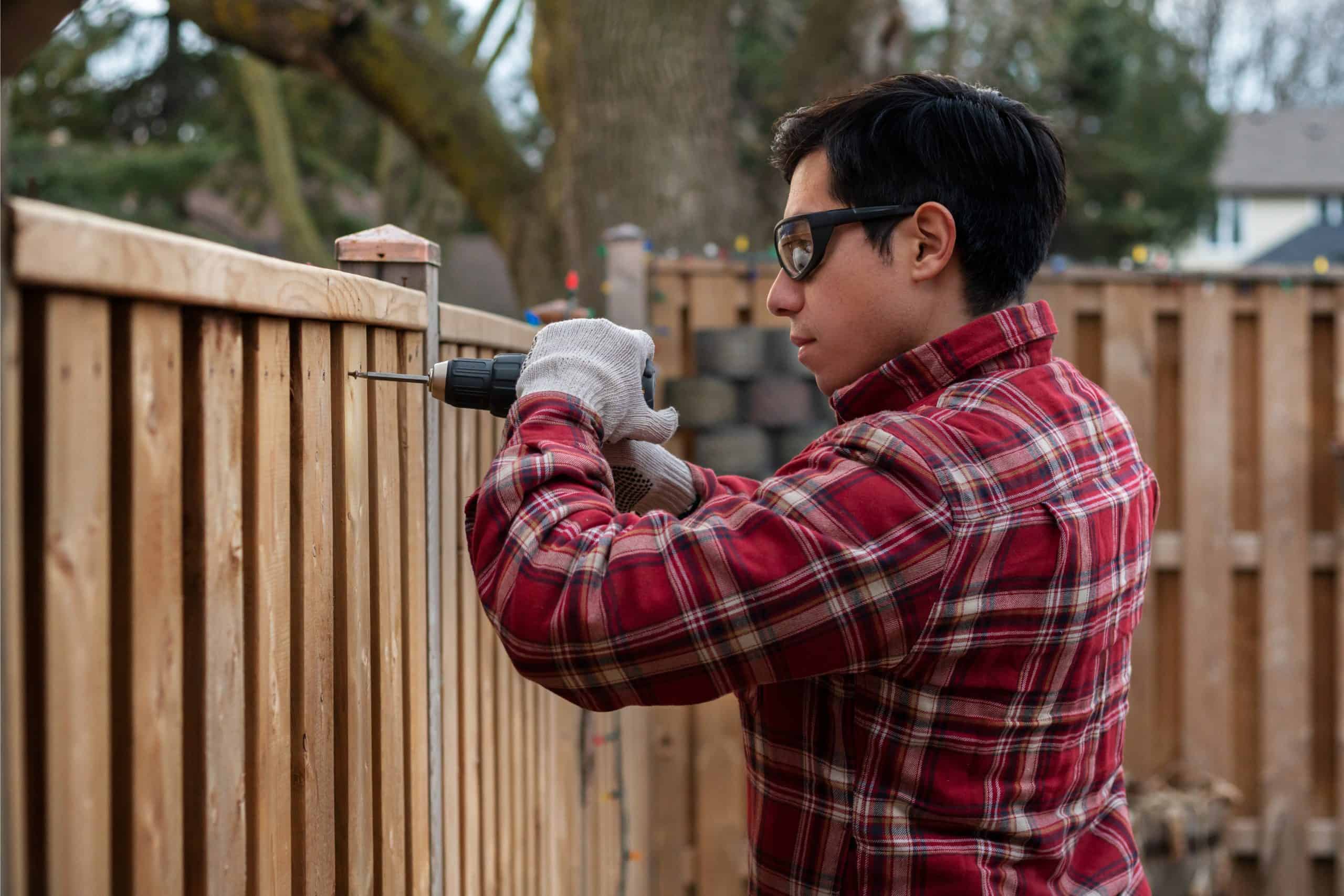
During installation, we set posts deep enough to handle Florida’s wind loads, use pre-treated lumber that resists rot and decay, and build gates that actually swing smoothly. The whole process is designed to minimize disruption to your routine. Most residential wood fence installations wrap up in a few days, depending on the size.
After the fence is up, we walk the property with you to make sure everything meets your expectations. You get a fence that’s built right, and we don’t leave until you’re satisfied with the result.

Ready to get started?
When you hire us for wood fence installation in Mosquito Grove, you’re getting materials that are chosen specifically for Central Florida’s conditions. Pressure-treated lumber that’s been pre-treated to withstand humidity, rain, and coastal salt air. Wood that doesn’t retain heat the way vinyl or metal does, so your fence isn’t burning hot to the touch in July.
You’re also getting construction that accounts for storm season. Posts are set properly, bracing is done right, and the fence is built to handle strong winds without collapsing. This isn’t guesswork—it’s experience from 20+ years of building fences that last in this exact climate.
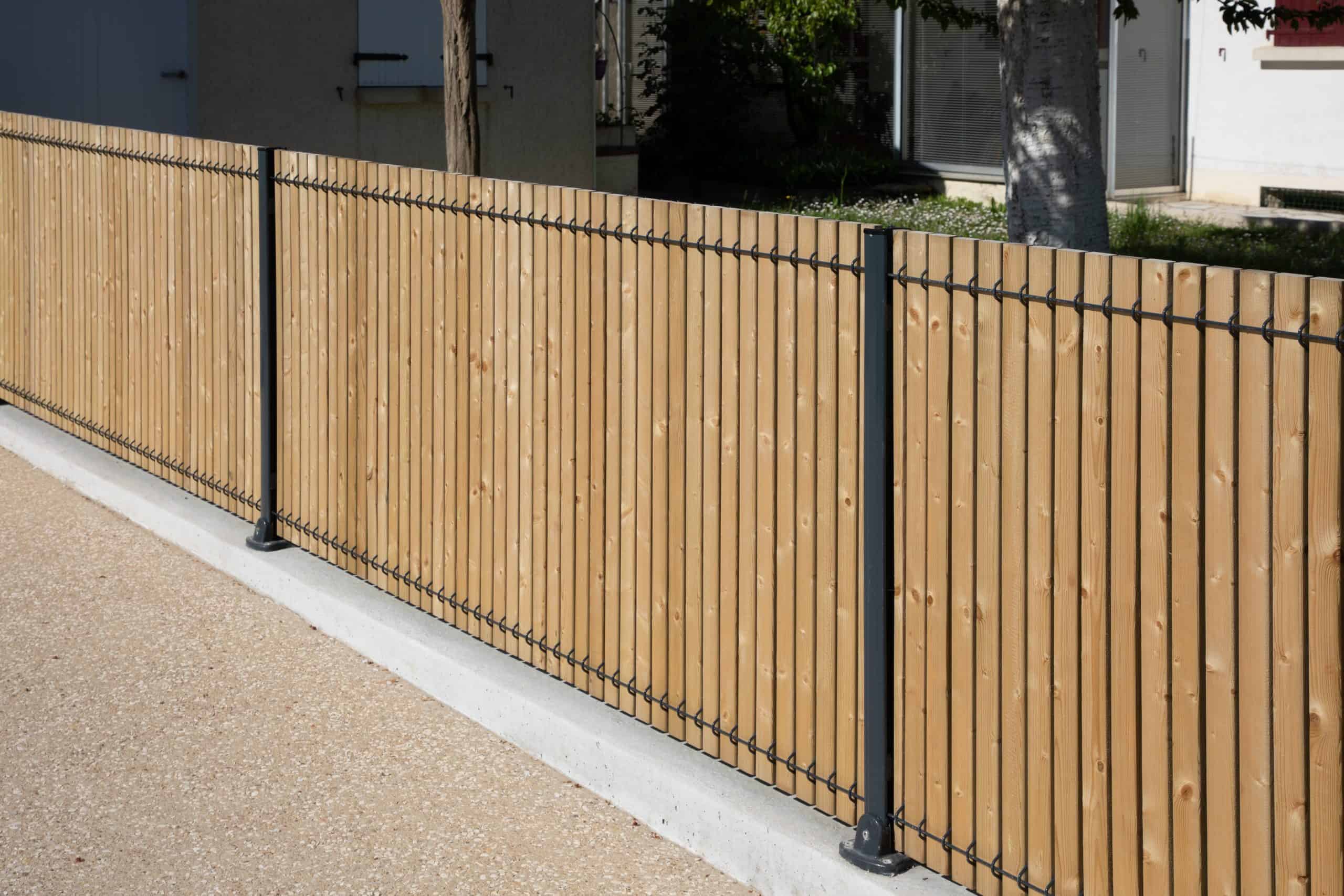
Design-wise, wood fences are one of the most customizable options available. You choose the height, style, wood type, stain or paint color, and any decorative elements or gates you want. Whether you need a simple privacy fence or something with more character, the design is built around what works for your property.
And because wood is a natural material, it’s biodegradable and recyclable. It’s also repairable. If a board gets damaged down the line, you don’t have to replace the whole section—you swap out the board. That makes wood fencing a practical, long-term investment that adds value to your home and pulls your outdoor space together.
It depends on the wood type and how well the fence is maintained, but you’re looking at around 20 years for pressure-treated pine or spruce and up to 40 years for cedar. That’s assuming the fence is built correctly and you keep up with basic maintenance like staining or sealing every few years.
Florida’s humidity and rain are tough on wood, but pre-treated lumber is specifically designed to resist rot, mold, and decay in these conditions. The bigger issue is usually installation quality. If posts aren’t set deep enough or the wrong materials are used, the fence won’t last nearly as long no matter what the wood type is.
Regular maintenance makes a difference too. Staining or painting every 2-3 years protects the wood and keeps it from breaking down prematurely. If you skip that step, you’ll see warping, cracking, and rot show up a lot sooner. But when the fence is installed right and maintained properly, 20+ years is a realistic expectation.
Pressure-treated pine is the most common choice because it’s affordable, widely available, and holds up well in Florida’s climate when it’s been pre-treated. Cedar is another solid option if you want something that naturally resists rot and insects without chemical treatment, but it costs more upfront.
Both materials work well here as long as they’re installed correctly. The key is making sure the wood has been treated to handle moisture and humidity. Untreated wood will rot fast in Central Florida, so that’s not an option worth considering.
If you’re trying to decide between the two, think about budget and maintenance. Pressure-treated pine gives you durability at a lower cost, but it needs regular staining to stay protected. Cedar requires less maintenance and has a more natural look, but you’ll pay more for the material. Either way, you’re getting a fence that can handle the local climate if it’s built right.
Wood fence installation in Central Florida typically runs around $15 to $20 per linear foot for a standard 4- to 6-foot privacy fence, depending on the wood type, height, and any custom features like gates or decorative elements. That’s an average—your actual cost depends on your specific project.
Factors that affect pricing include the size of the area you’re fencing, the type of wood you choose, the terrain of your property, and whether there are any obstacles like trees or slopes that make installation more complex. If you need us to handle HOA approvals or permitting, that can add to the timeline but usually doesn’t significantly change the cost.
We give transparent quotes with no hidden fees, so you know exactly what you’re paying before any work starts. The goal is to give you a fence that fits your budget without cutting corners on materials or installation quality. Cheaper isn’t better if the fence falls apart in two years.
Yes, more than vinyl or aluminum, but it’s not unmanageable if you stay on top of it. You’ll need to stain or seal your wood fence every 2-3 years to protect it from moisture, UV damage, and rot. Skipping that step is where most wood fences start to break down prematurely.
In between staining, basic upkeep includes checking for loose boards, cleaning off mold or mildew if it shows up, and making sure gates are still swinging properly. None of that takes a ton of time, but it does need to happen regularly if you want the fence to last.
The tradeoff is that wood is repairable. If a board cracks or gets damaged, you can replace just that board instead of an entire panel. And if you decide you want a different color down the line, you can repaint or restain. That flexibility makes the maintenance worth it for a lot of homeowners, especially when you factor in the natural look and customization options wood offers.
A properly installed wood fence can handle strong winds, but the key word there is “properly.” If posts are set deep enough, bracing is done right, and the fence is built with storm loads in mind, it’s going to hold up a lot better than something that was thrown together quickly.
That means posts should be set at least 2-3 feet deep in concrete, and the spacing between posts should account for wind pressure. The type of wood and how the boards are attached also matter. A fence that’s built to Florida standards is designed to flex slightly in high winds without breaking or collapsing.
No fence is completely hurricane-proof, but a well-constructed wood fence will survive most storms without major damage. And because wood is repairable, if a section does get damaged, you can fix it without replacing the entire fence. That’s one of the advantages of wood over materials like vinyl, which can crack or shatter in extreme conditions.
Most residential wood fence installations take anywhere from 2 to 5 days, depending on the size of the project and the complexity of your property. A straightforward backyard privacy fence usually wraps up faster than a large perimeter fence with multiple gates or challenging terrain.
Weather can affect the timeline too, especially during Florida’s rainy season. We don’t install in heavy rain because it compromises the quality of the work, so there might be short delays if storms roll through. But we schedule efficiently and keep you updated if anything changes.
From the time you approve the quote to the day the fence is finished, the whole process is designed to minimize disruption. We show up when we say we will, we bring everything needed to complete the job, and we don’t leave until the fence is done right. No dragging it out for weeks or rescheduling at the last minute.
Other Services we provide in Mosquito Grove