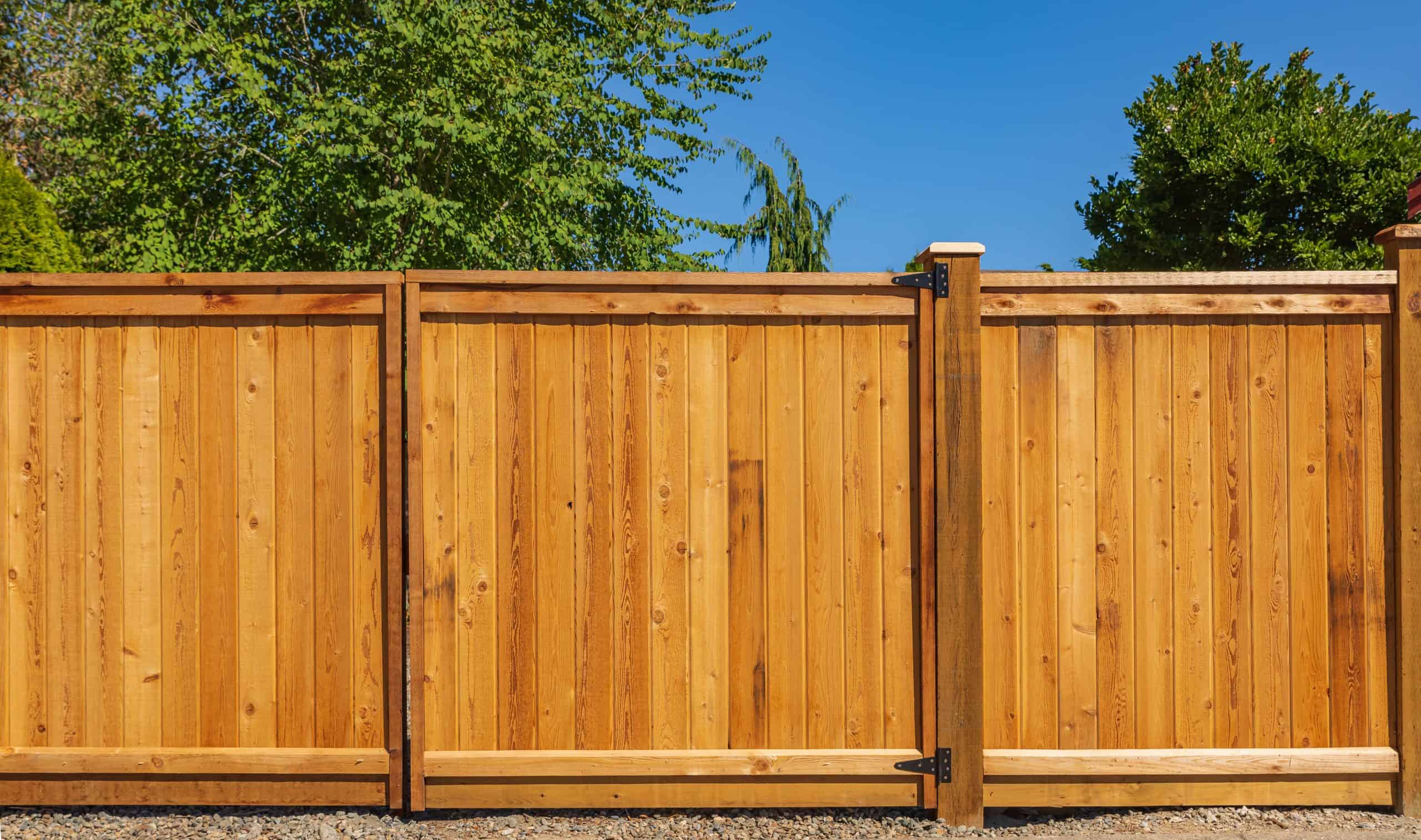
Your kids play in the backyard without you watching the gate every second. Your dog stays in the yard. Neighbors can’t see into your space when you’re trying to relax on a Saturday afternoon.
That’s what a wood privacy fence in Ocala, FL should do. But only if it’s built right from the start.
Most wood fences around Central Florida fail because they’re either installed by someone who doesn’t understand our climate, or they’re built with materials that can’t handle the humidity and wind. You end up with rotting posts, warped pickets, or sections that blow over during a summer storm.
We use 4x4x8 pressure treated posts, true 2x4x8 runners, and 5/8-inch thick pickets. All pressure treated pine. That’s not standard across the board, but it’s what keeps a fence standing when winds hit 60, 70, even 80 mph during hurricane season.
We’ve been working across Marion County and Central Florida for over 20 years. We’ve installed hundreds of wood fences in Ocala, FL, from suburban neighborhoods near downtown to rural properties out toward horse country.
We’re licensed, insured, and we pull permits when required. Our installations come with a one-year warranty on labor and materials because we don’t cut corners on the build.
You’re not hiring a crew that shows up in an unmarked truck with leftover lumber. You’re hiring a local fence company that’s been through multiple hurricane seasons and knows exactly what holds up and what doesn’t in this climate.

First, we come out to your property for a free estimate. We measure the area, check for any grade issues or obstacles, and talk through what you’re trying to accomplish. Privacy, security, keeping pets in, whatever it is.
Then we give you an upfront price. No hidden costs, no surprises when the job’s done.
Once you’re ready to move forward, we handle the permit if your county or HOA requires one. In Marion County, most residential wood fence installations need a permit, and we take care of that paperwork so you don’t have to deal with it.
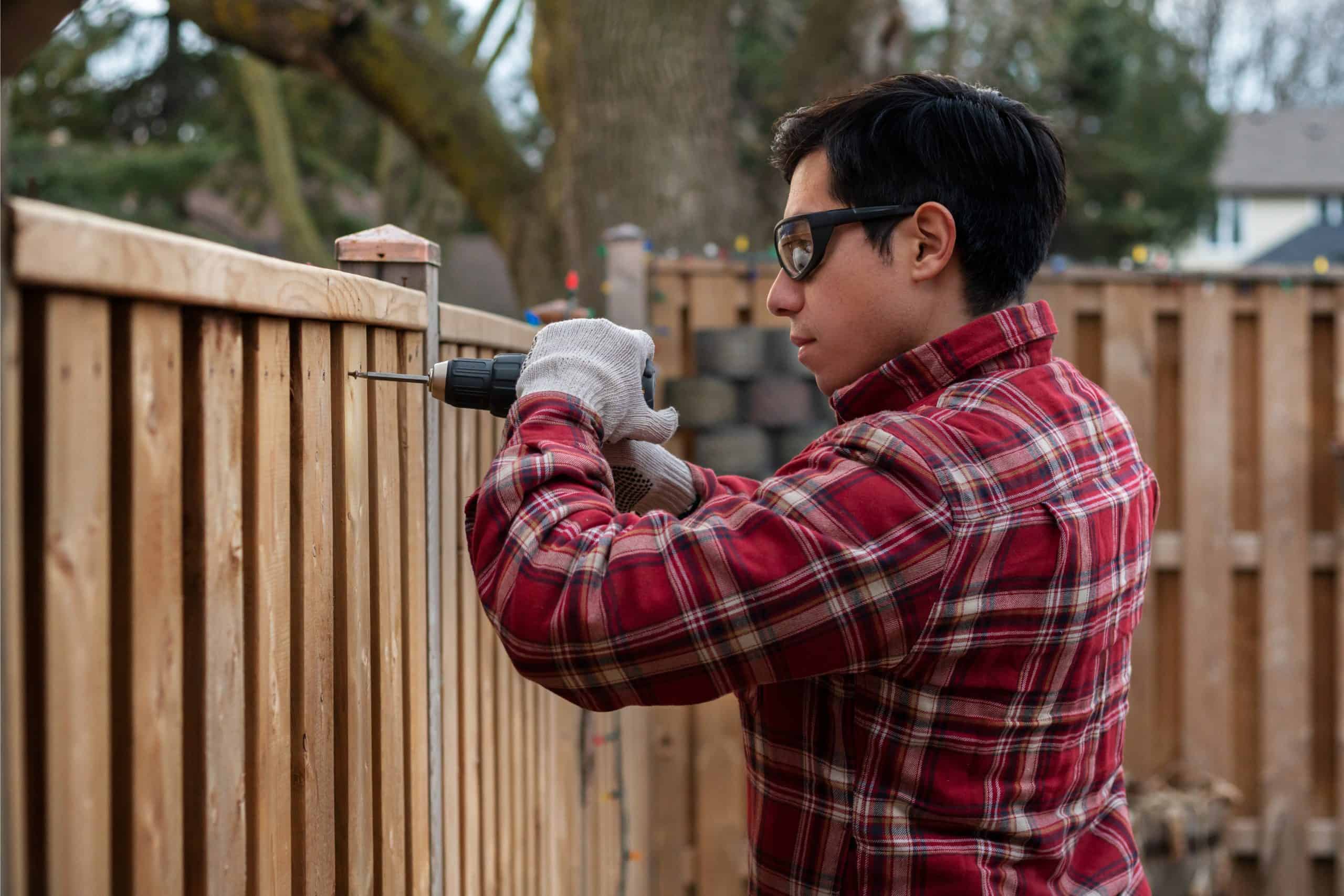
Installation day, our crew shows up on time. We set the posts in concrete, let them cure properly, then install the runners and pickets. We clean up the site when we’re finished, and you’re left with a fence that’s ready to go.
The whole process usually takes one to three days depending on the size of your property and any complications with the terrain. We don’t drag projects out.

Ready to get started?
Every wood fence installation in Ocala, FL that we do includes pressure treated materials rated for ground contact. That matters here because of how much moisture we get year-round.
Posts go three feet into the ground and are set in concrete. Runners are attached with galvanized hardware that won’t rust out in two years. Pickets are spaced for privacy but allow some airflow, which helps during high winds.
You can choose between different heights depending on what you need. Most residential wood privacy fences in Ocala, FL are six feet tall, but we also install four-foot and eight-foot options if your situation calls for it.
If you’re in a neighborhood with an HOA, we’ll make sure the design meets their requirements before we start. Some associations in the Ocala area have rules about fence color, picket style, or even which side of the fence faces outward. We’ve dealt with all of it and know how to keep your project compliant so you don’t get violation notices after the install.
A properly installed pressure treated fence in Ocala, FL typically lasts 15 to 20 years, sometimes longer if you maintain it. That means occasional cleaning, checking for loose boards, and applying a sealant or stain every few years to protect against moisture.
The key is starting with the right materials. Pressure treated pine is chemically treated to resist rot, insects, and fungal decay, which are all major issues in Florida’s humid climate. If someone installs your fence with untreated lumber or posts that aren’t rated for ground contact, you’ll see problems within five years.
We’ve repaired plenty of fences around Marion County that were only a few years old but already rotting at the posts. That’s almost always a material or installation issue, not a wood problem. When the job’s done right from the start, wood holds up well here.
Most residential wood fence installations in Ocala, FL require a permit from Marion County. The county wants to make sure your fence meets setback requirements, doesn’t block utility access, and is built to code.
If you live in a neighborhood with an HOA, you’ll also need approval from them before you start. Many HOAs in the Ocala area have specific rules about fence height, materials, and color. Some even require that the “good side” of the fence faces outward toward the street or neighboring properties.
We handle the permit process as part of our service. We submit the application, provide the required site plan, and make sure everything is approved before we break ground. That keeps you out of any compliance issues down the road and ensures the fence is legal if you ever sell your home.
Wood fence installation in Ocala, FL typically costs between $15 and $30 per linear foot, depending on the height, style, and any site complications. A standard six-foot privacy fence for an average-sized backyard usually runs between $3,000 and $6,000.
That price includes materials, labor, and cleanup. If your property has significant grade changes, rocky soil, or requires removal of an old fence first, the cost goes up.
Wood fencing is more affordable than vinyl or aluminum but more expensive than chain link. You’re getting a natural look, solid privacy, and a fence that’s repairable if a board gets damaged. In Ocala, wood is still one of the most popular options because it balances cost with aesthetics better than most alternatives. We give you an exact price after we see your property, so there’s no guessing.
A well-built wood fence can absolutely survive hurricane-force winds, but it depends entirely on how it’s installed. During the 2004 hurricane season, we repaired a lot of fences around Central Florida, but none of our own installations failed.
The difference comes down to materials and technique. Posts need to be set deep enough, in concrete, with proper spacing. Runners need to be secured with galvanized hardware, not just nails that pull out under stress. And the pickets need to allow some airflow so the fence doesn’t act like a sail when winds pick up.
We build every wood fence in Ocala, FL with hurricanes in mind. That means thicker posts, stronger connections, and pressure treated materials that won’t weaken over time. You can’t make a fence completely hurricane-proof, but you can make it strong enough to handle most storms without collapsing. That’s what we do.
Wood and vinyl both work in Ocala, FL, but they’re different in cost, maintenance, and appearance. Wood is less expensive upfront and gives you a traditional, natural look. Vinyl costs more initially but requires almost no maintenance over time.
Wood fences need occasional upkeep. You’ll want to clean them, check for loose boards, and apply a sealant or stain every few years to protect against moisture and sun damage. Vinyl fences don’t need that, but if a section gets damaged, you usually have to replace the entire panel instead of just swapping out a board.
Some HOAs in Ocala only allow certain materials or colors, so that can influence your decision. Wood is easier to customize and repair, while vinyl holds up better in extreme heat without warping. If you’re trying to stay within a budget and don’t mind a little maintenance, wood is usually the better choice.
Yes, we install wood fences on sloped and uneven ground all the time in Ocala, FL. The installation method just changes depending on how steep the grade is.
For gentle slopes, we use a stepped or racked design. Stepped fencing follows the slope in sections, with each panel dropping down to match the terrain. Racked fencing angles the entire fence line to follow the slope smoothly. Both methods work, and which one we use depends on your property and what looks best.
Steep slopes or properties with a lot of grade change take more time and materials, which affects the cost. But it’s absolutely doable, and we’ve handled everything from mild backyard slopes to properties out in the rural parts of Marion County with significant elevation changes. We assess your land during the estimate and recommend the best approach.