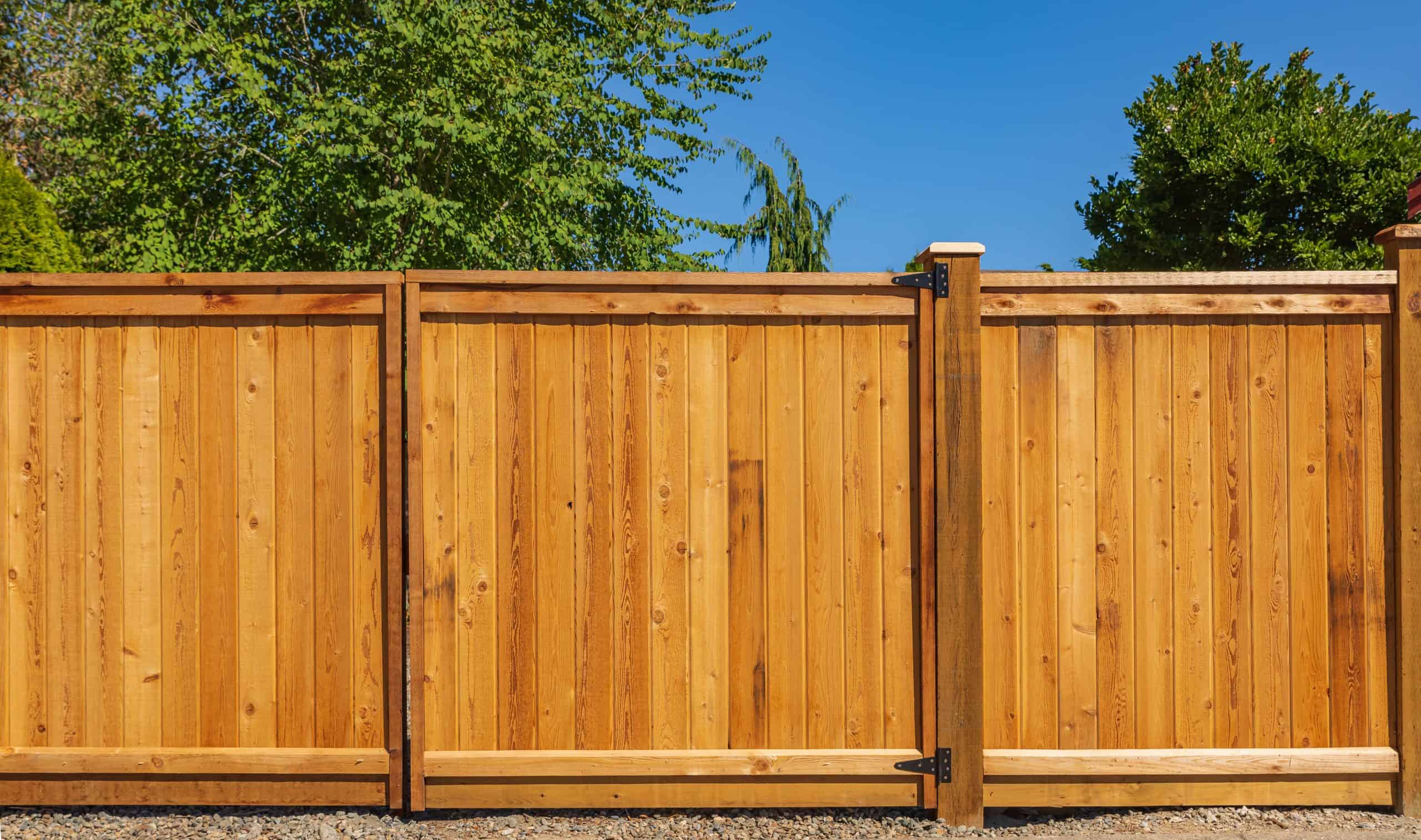
You’re not just getting boards nailed together. You’re getting ground-contact pressure-treated lumber that’s been engineered to survive what Central Florida throws at it—humidity that never quits, afternoon storms that roll in hard, and UV exposure that cracks cheaper materials in months.
The wood privacy fence we install uses Micronized Copper Azole treatment, which protects against termites, fungus, and moisture damage from the inside out. That means your fence isn’t just standing there looking good on day one. It’s built to stay standing through hurricane season, summer heat, and years of Florida weather without falling apart.
And because we’re not using pre-fab panels that show up warped before they’re even installed, you get a fence that fits your property the way it should. Custom height. Custom spacing. Custom gates that actually close. No gaps. No shortcuts.
Mossy Oak Fence LLC has been installing residential and commercial fences across Central Florida for decades. We’re not new to Piedmont, and we’re not new to wood fence installation in climates that test every material you put in the ground.
We serve Lake, Orange, Seminole, Brevard, Volusia, Osceola, Polk, Sumter, and Marion counties because we know this area. We know the soil. We know the weather patterns. We know what works and what fails, and we only install what works.
You’ll get transparent pricing with no surprise fees, a team that shows up when they say they will, and installations done right the first time. We’re licensed, insured, and we back our work with real warranties—not fine print that disappears when you need it.

First, we come out and assess your property. We measure the perimeter, check for underground utilities, discuss your goals, and give you a clear quote with no hidden costs. If you have HOA requirements or city codes in Piedmont, we handle that too.
Once you approve the plan, we schedule the install around your timeline. Our crew starts by setting pressure-treated posts in concrete, spaced to meet Miami-Dade wind code standards—the highest building standard in the state. Posts get a lifetime warranty against termite damage and rot because we use ground-contact rated lumber that’s built to last.
Then we install the horizontal rails and pickets in whatever style you chose—board-on-board, shadowbox, stockade, or horizontal slat. Everything is aligned, leveled, and secured with galvanized hardware that won’t rust out in two years. If you’re adding gates, we install those with the same attention to detail, including operators and access controls if you want them.
After installation, we walk the fence line with you to make sure everything meets your expectations. Then we clean up, haul off debris, and leave you with a finished product that does exactly what you hired us to do.

Ready to get started?
Every wood fence installation in Piedmont, FL starts with ground-contact pressure-treated pine. That’s the baseline. It’s processed under high pressure to force preservatives deep into the wood, which extends its lifespan and protects it from the elements that destroy untreated lumber in Florida.
You’ll get a minimum fifteen-year warranty on pickets against termite damage and rot. Posts and rails come with a lifetime warranty. We’re not offering that because we’re generous—we’re offering it because the materials we use actually hold up.
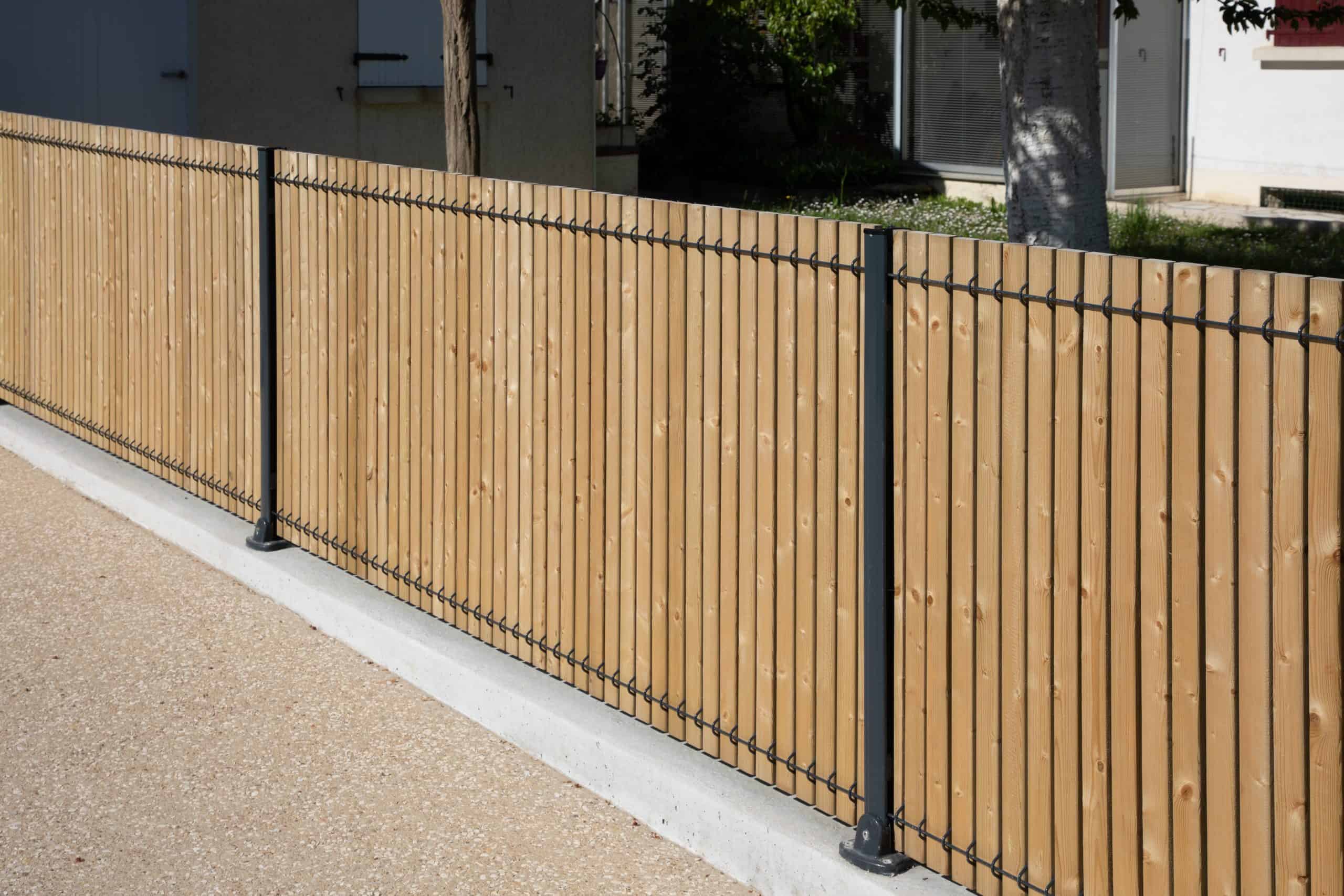
You can choose from multiple styles depending on what you need. Board-on-board gives you full privacy with overlapping vertical pickets. Shadowbox offers a similar look with more airflow, which helps during high winds. Stockade is the classic privacy option. Horizontal slat fencing is trending for a more modern look, and it works well in Piedmont’s residential neighborhoods.
We also build custom gates to match your fence—walk gates, double-drive gates, and automated options with gate operators if you want remote access. Everything is stained or sealed if you request it, which you should, because untreated wood fences in Florida can warp and crack in as little as three months without protection.
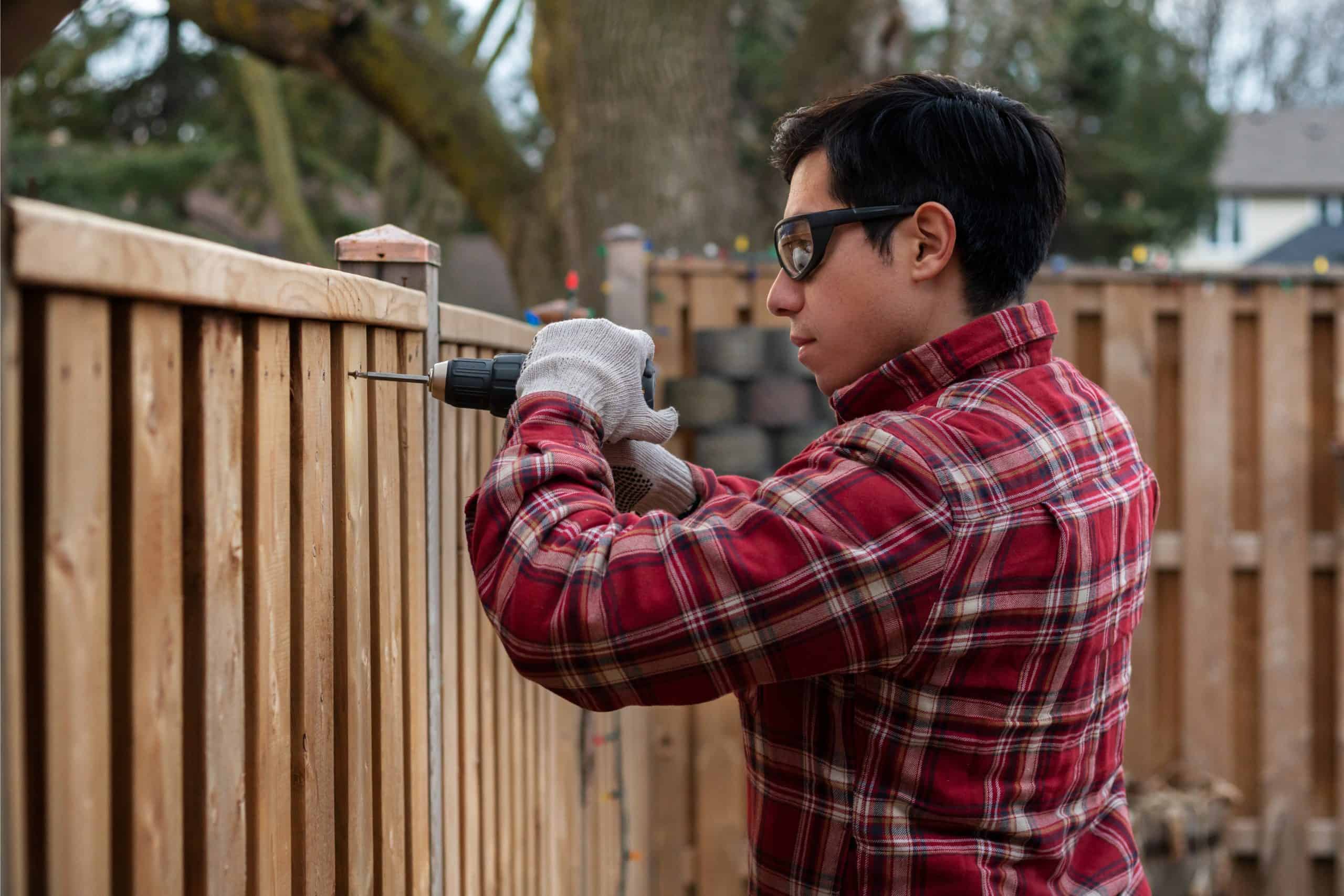
A properly installed wood fence made from pressure-treated pine or spruce typically lasts around 20 years in Florida. Cedar can last up to 40 years if maintained correctly. The key word there is “maintained.”
Florida’s heat and humidity accelerate wear on any outdoor material. If you don’t stain, seal, or paint your wood fence, you’re looking at warping and cracking within months. Even with treatment, you’ll need to restain or repaint every two to three years to keep the wood protected.
We use ground-contact pressure-treated lumber with Micronized Copper Azole, which resists termites, fungus, and moisture damage. That gives you a strong foundation. But longevity still depends on how well you maintain it after installation. If you stay on top of sealing and inspect for damage after storms, your fence will last decades.
Most homeowners in Piedmont pay between $20 and $30 per linear foot for wood fence installation. That range depends on the style you choose, the height of the fence, the terrain of your property, and whether you’re adding gates or custom features.
A basic six-foot privacy fence with pressure-treated pine will land on the lower end of that range. If you upgrade to cedar, add decorative caps, or install a board-on-board design with custom gates, you’ll move toward the higher end. Properties with slopes, rocky soil, or difficult access also increase labor costs.
We give you a transparent quote upfront with no surprise fees. That includes materials, labor, permits if needed, and cleanup. You’ll know exactly what you’re paying before we start, and that number won’t change unless you change the scope of the project.
It depends on your property and local regulations. Piedmont falls under county jurisdiction, and most areas in Central Florida require permits for fences over a certain height—usually six feet. If you’re in an HOA, you’ll also need approval before installation.
We handle permit applications as part of the process. We know the local codes, the height restrictions, and the setback requirements for Piedmont properties. That means you don’t have to deal with the paperwork or risk getting fined for non-compliance.
Some homeowners skip this step and install fences without permits, then end up paying fines or tearing down sections that violate code. It’s not worth the risk. Let us handle it from the start, and you’ll have a fence that’s legal, safe, and built to last.
Cypress is the top choice if you want maximum durability in Florida. It naturally resists rot, mold, mildew, cracking, and insects, which makes it ideal for high-humidity, high-moisture environments like Central Florida. The downside is cost—cypress is significantly more expensive than other options.
Pressure-treated pine is the most common choice because it offers strong protection at a more accessible price point. When treated with Micronized Copper Azole, it holds up well against termites, moisture, and fungus. It won’t last as long as cypress, but with proper maintenance, you’ll still get 20 years or more out of it.
Cedar is another solid option. It’s naturally resistant to insects and decay, and it weathers beautifully over time. It’s more expensive than treated pine but less than cypress. If you want a natural wood look without constant upkeep, cedar is worth considering. Just know that in Florida’s climate, even cedar needs sealing to prevent premature wear.
You should stain, seal, or paint your wood fence within the first three months after installation—especially in Florida. The high heat and humidity cause untreated wood to warp, crack, and split faster than in drier climates. Even pressure-treated lumber needs surface protection.
Some installers will tell you to wait six months to let the wood dry out. That’s true in other states, but not here. In Central Florida, waiting too long leaves your fence exposed to UV damage and moisture penetration. If the wood starts to crack before you seal it, you’ve already lost some of its structural integrity.
We recommend applying a water-repellent stain or sealant as soon as the wood has had a few weeks to acclimate. After that, plan to restain every two to three years. It’s not optional if you want your fence to last. Skip it, and you’ll be replacing boards or entire sections much sooner than you should.
Yes, if it’s installed correctly. We build wood fences in Piedmont to meet Miami-Dade wind code standards, which are the strictest in the state. That means posts are set deeper, spacing is calculated for wind load, and hardware is rated for high-stress conditions.
Solid privacy fences take more wind pressure than fences with gaps, so design matters. Shadowbox and board-on-board styles allow some airflow, which reduces the chance of the fence acting like a sail during a storm. We also use reinforced posts and concrete footings that go deep enough to anchor the structure properly.
Even with the best installation, no fence is hurricane-proof. But a well-built wood fence can survive tropical storms and most hurricane conditions without collapsing. After a major storm, you should inspect for loose boards or shifted posts and make repairs quickly to prevent further damage. Regular maintenance and proper construction give you the best chance of keeping your fence standing through Florida’s storm season.
Other Services we provide in Piedmont