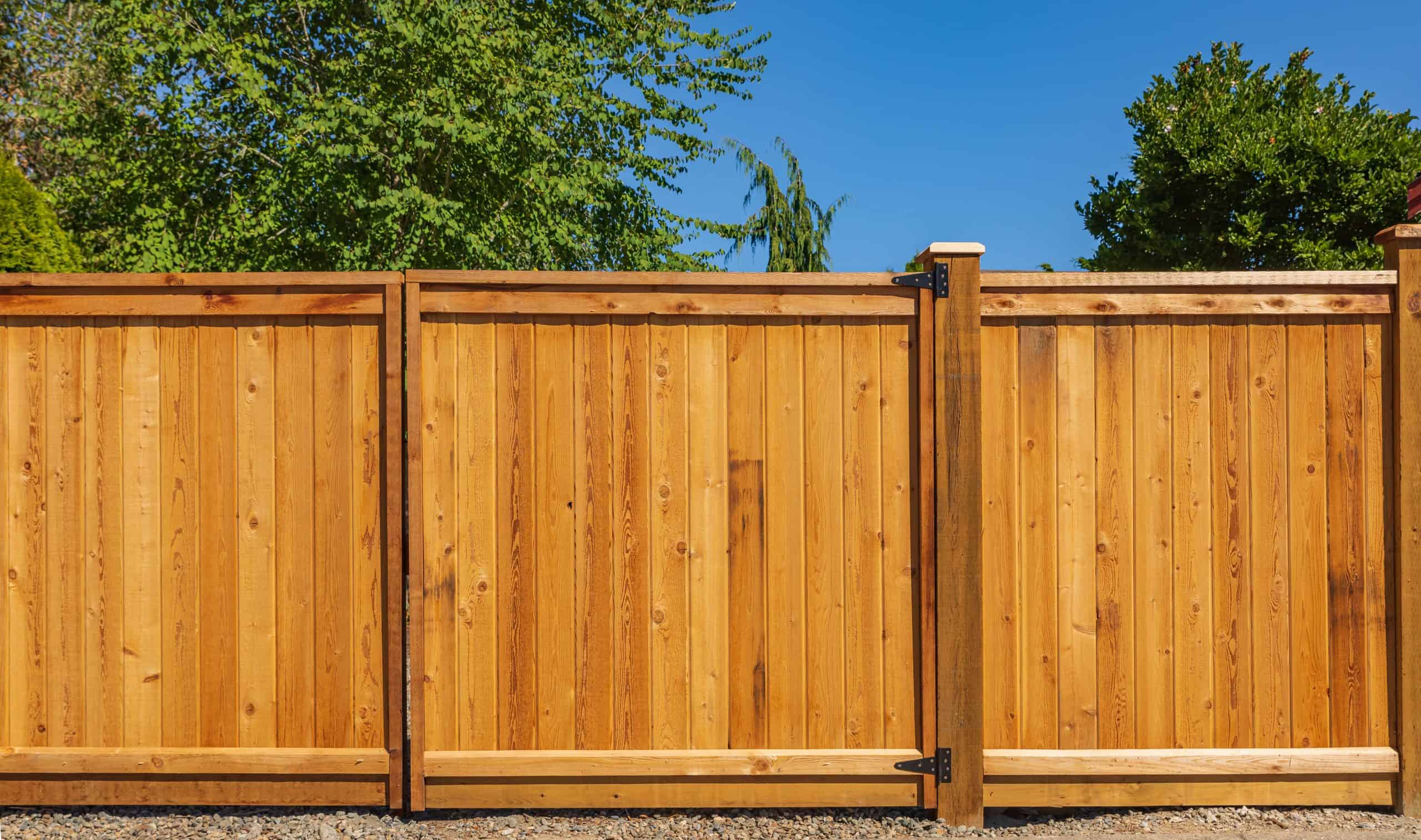
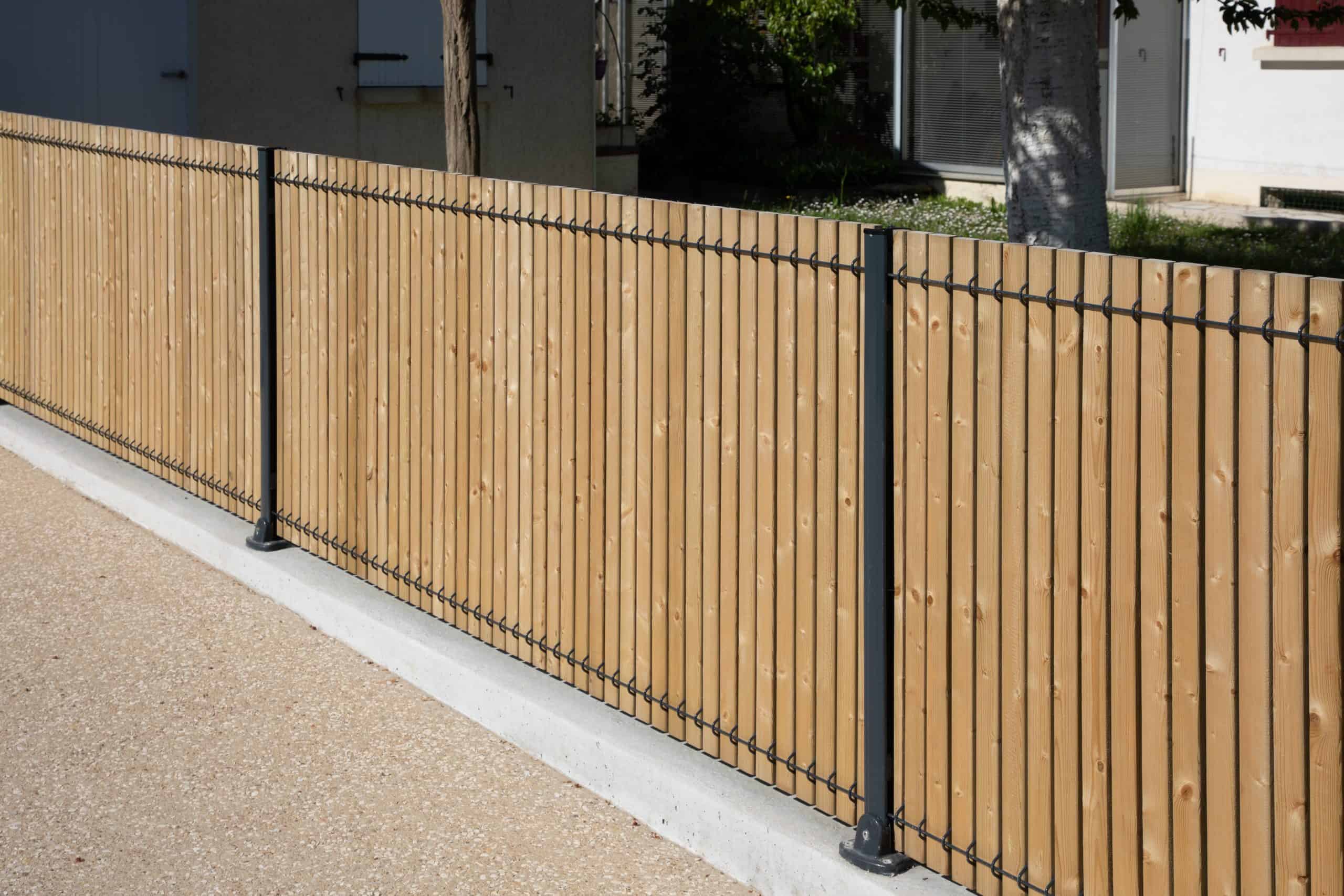
You’re not just blocking the view from your neighbor’s yard. You’re creating a space where your kids can play without an audience, where you can let the dog out without worrying, and where your backyard actually feels like yours.
A wood privacy fence in Pine Castle gives you that separation. But only if it’s built right. Florida humidity doesn’t care how nice your fence looked on day one—it cares whether the lumber was pre-treated, whether the posts were set deep enough, and whether someone who knows what they’re doing put it together.
When a fence is installed correctly with pressure-treated materials, you get 20+ years of use. When it’s not, you’re looking at warping in three months and sagging gates before summer ends. That’s the difference between a fence that works and one that becomes a headache you didn’t budget for.
We started in Atlanta in 1992, moved to Central Florida in 2004, and have been installing wood fences across Pine Castle and surrounding areas ever since. We’re licensed, bonded, and insured—which matters more than most people realize until something goes wrong.
Pine Castle sits in Orange County, where the dense suburban layout means your fence isn’t just functional—it’s part of how your property looks and feels in a neighborhood where most people rent and everyone’s close together. We’ve worked in enough Pine Castle yards to know what holds up here and what doesn’t.
We’re not the cheapest option. But we’re the one that shows up on time, uses materials that won’t fall apart in a year, and doesn’t disappear after the install. You’ll find us listed with over 175 Google reviews, and we’ve built our reputation on doing the job right the first time.

First, we come out to your property in Pine Castle and take measurements. We talk through what you’re trying to accomplish—privacy, security, aesthetics, or all three. We’ll also check for any utility lines, drainage issues, or property line questions before we start digging.
Next, we order pressure-treated lumber that’s built for Florida’s climate. This isn’t the same wood you’d use in a drier state. It’s pre-treated to resist rot, moisture, and the kind of damage that comes from living somewhere this humid.
Then our crew sets the posts. This step matters more than most people think. If the posts aren’t deep enough or the concrete isn’t mixed right, your fence will shift. We make sure everything is level, aligned, and anchored properly so your gates don’t sag in 90 days like they do with most contractors.
Finally, we build the fence to your exact specs, walk you through the finished job, and make sure you’re happy with it before we leave. No shortcuts. No surprises.

Ready to get started?
Every wood fence we install in Pine Castle uses top-grade pressure-treated lumber designed to withstand Florida’s weather. That means the wood is chemically treated before it even arrives on your property, giving it a fighting chance against humidity, rain, and heat.
You’re also getting a hand-built fence. We don’t pre-fab sections and slap them up. Every picket is lined up, every post is checked for level, and every gate is hung so it swings smoothly and stays that way. That level of attention is what separates a fence that lasts from one that starts falling apart before you’ve even finished paying for it.
We also include a one-year labor warranty. If something shifts, sags, or doesn’t hold up the way it should within that first year, we come back and fix it. And because we’re licensed and insured in Florida, you’re protected if anything goes sideways during the install—which it won’t, but it’s good to know you’re covered.
One thing to keep in mind: wood fences in Central Florida need to be stained or painted within 30 to 60 days of installation, then again every 2-3 years. That’s not optional if you want the fence to last. We’ll walk you through that timeline so you’re not caught off guard.
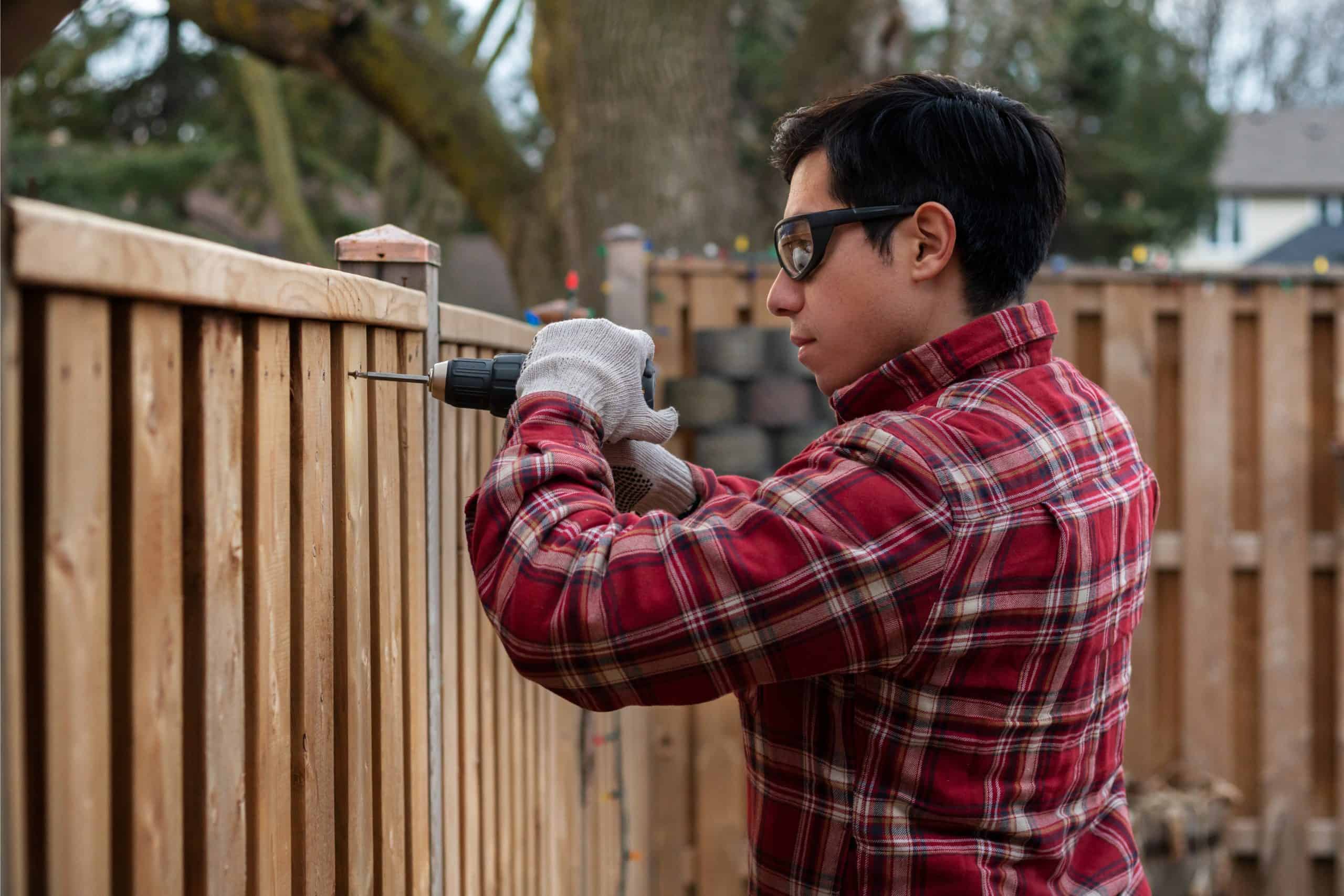
If it’s installed correctly and maintained, a wood fence in Pine Castle can last 20+ years. But that’s only if you’re using pressure-treated lumber and keeping up with staining or painting every few years.
Florida’s heat and humidity are brutal on untreated wood. We’ve seen fences warp and crack within three months when contractors use subpar materials or skip the pre-treatment step. The quality of lumber has dropped across the board in recent years, so the treatment process is even more important now than it used to be.
You’ll also need to stain or seal your fence within 30 to 60 days of installation. After that, plan on re-staining every 2-3 years minimum. If you skip that maintenance, you’re looking at rot, splinters, and a fence that won’t make it past the 10-year mark.
The difference comes down to materials, installation quality, and whether the company is actually licensed and insured. A lot of the “cheap” quotes you’ll get in Pine Castle come from unlicensed installers using lower-grade lumber and rushing through the job.
We use pressure-treated wood that’s specifically designed for Florida’s climate. It costs more upfront, but it doesn’t warp in three months or require a full replacement in five years. Our posts are set deeper, our gates are built to stay square, and our crew doesn’t cut corners to finish faster.
You’re also working with a licensed, bonded, and insured contractor. That means if something goes wrong—a utility line gets hit, a post damages your irrigation, whatever—you’re protected. With an unlicensed installer, you’re on your own. And if the city requires a permit and your installer didn’t pull one, you could end up paying fines or tearing the whole thing down.
In most cases, yes. Pine Castle is part of Orange County, and the county has specific regulations around fence height, setback from property lines, and placement near easements or right-of-ways.
We handle the permit process as part of the installation. That includes checking your property survey, confirming there are no utility conflicts, and making sure the fence meets local code. Skipping this step might save you a few bucks in the short term, but it can cost you a lot more if the county makes you remove the fence or pay a fine.
Some homeowners try to avoid permits by hiring unlicensed contractors who promise a faster, cheaper job. That almost always backfires. If you’re in an HOA, they’ll likely require proof of permitting before approving the project anyway. We make sure everything is done legally so you don’t have to worry about it later.
Most gates sag because they weren’t built or hung correctly in the first place. If the posts aren’t set deep enough, if the frame isn’t square, or if the hinges are undersized, the gate will start dragging within a few months.
That’s why a lot of contractors only warranty their gates for 90 days—they know the gates won’t hold up past that. We build our gates with proper bracing, use heavy-duty hinges, and make sure the posts are anchored in concrete deep enough to support the weight. That doesn’t mean your gate will never need adjustment, but it does mean it won’t be sticking or sagging before the season changes.
Florida’s humidity also causes wood to expand and contract, which puts extra stress on gates. Using pressure-treated lumber helps, but the real key is making sure the gate is built square and hung level from day one. If that foundation isn’t right, no amount of hardware will fix it.
On average, you’re looking at $20 to $30 per linear foot for professional wood fence installation in Pine Castle. That price includes materials, labor, and proper installation—not just throwing up some pickets and calling it done.
The final cost depends on the height of your fence, the style you choose, the condition of your yard, and whether there are any obstacles like trees, slopes, or utility lines. A standard privacy fence will cost less than a custom design with decorative caps and premium-grade lumber.
One thing most people don’t factor in: the cost of staining or sealing the fence within the first 60 days. That’s an additional expense, and depending on the size of your fence, it can add several hundred dollars to the total project cost. Once you include that first stain job, a wood fence often ends up costing about the same as vinyl—but with a lot more maintenance down the road. We’ll walk you through those numbers upfront so there are no surprises.
Yes. If part of your fence is damaged but the rest is still solid, we can replace individual sections, pickets, or posts without tearing down the whole thing. That’s usually the most cost-effective option if the damage is localized.
We’ll come out and assess the condition of your existing fence first. If the posts are rotted below ground or the frame is compromised, a partial repair might not make sense—you could end up spending money on a fix that only lasts another year or two. In those cases, we’ll be honest about whether a full replacement is the better move.
Wood fence repairs are common in Pine Castle, especially after storms or when a fence has been neglected for a few years. We’ve seen plenty of situations where a homeowner inherited a poorly installed fence from a previous owner and just needs a few sections rebuilt to make it functional again. We’ll match the style as closely as possible and make sure the new sections blend in with the old.
Other Services we provide in Pine Castle