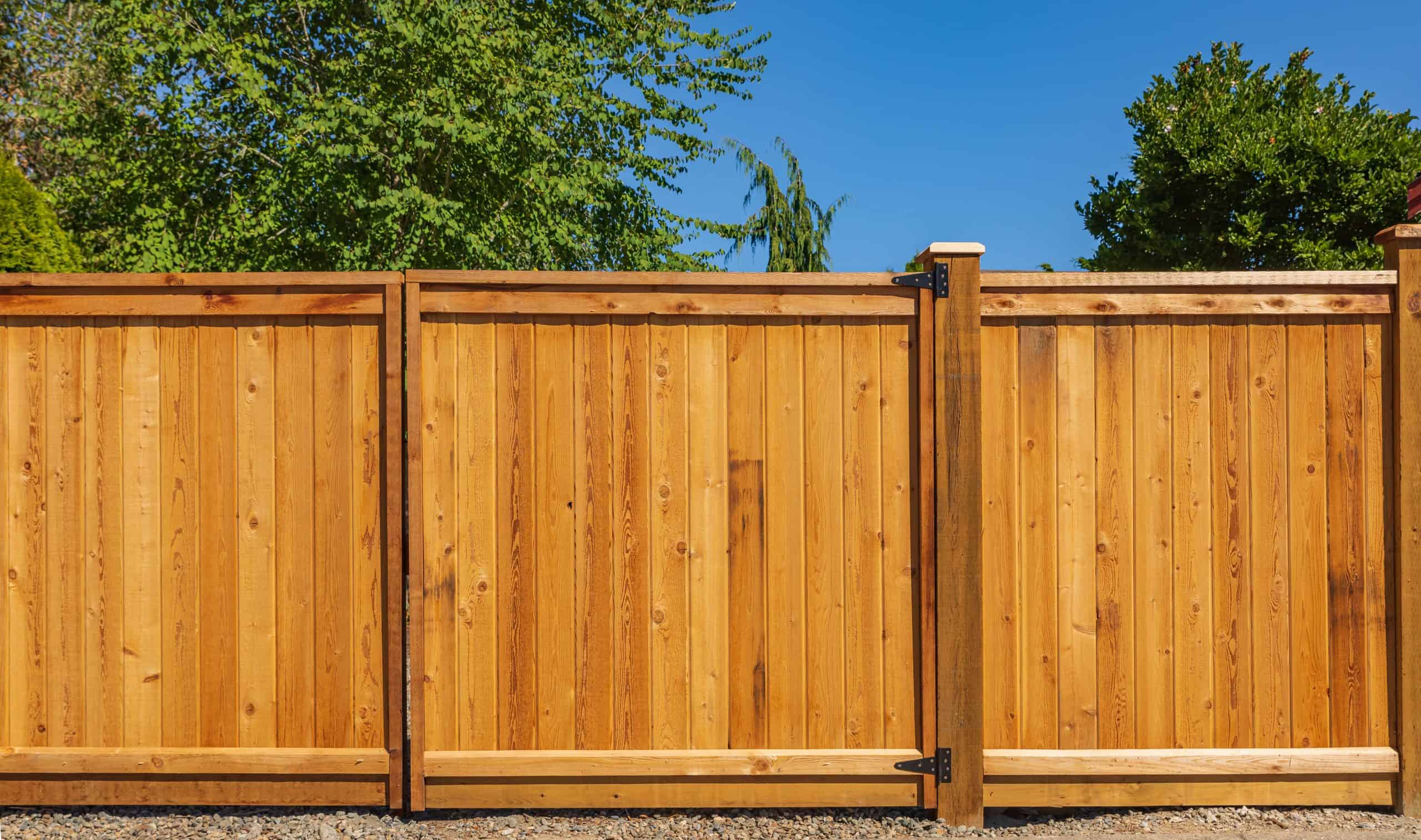
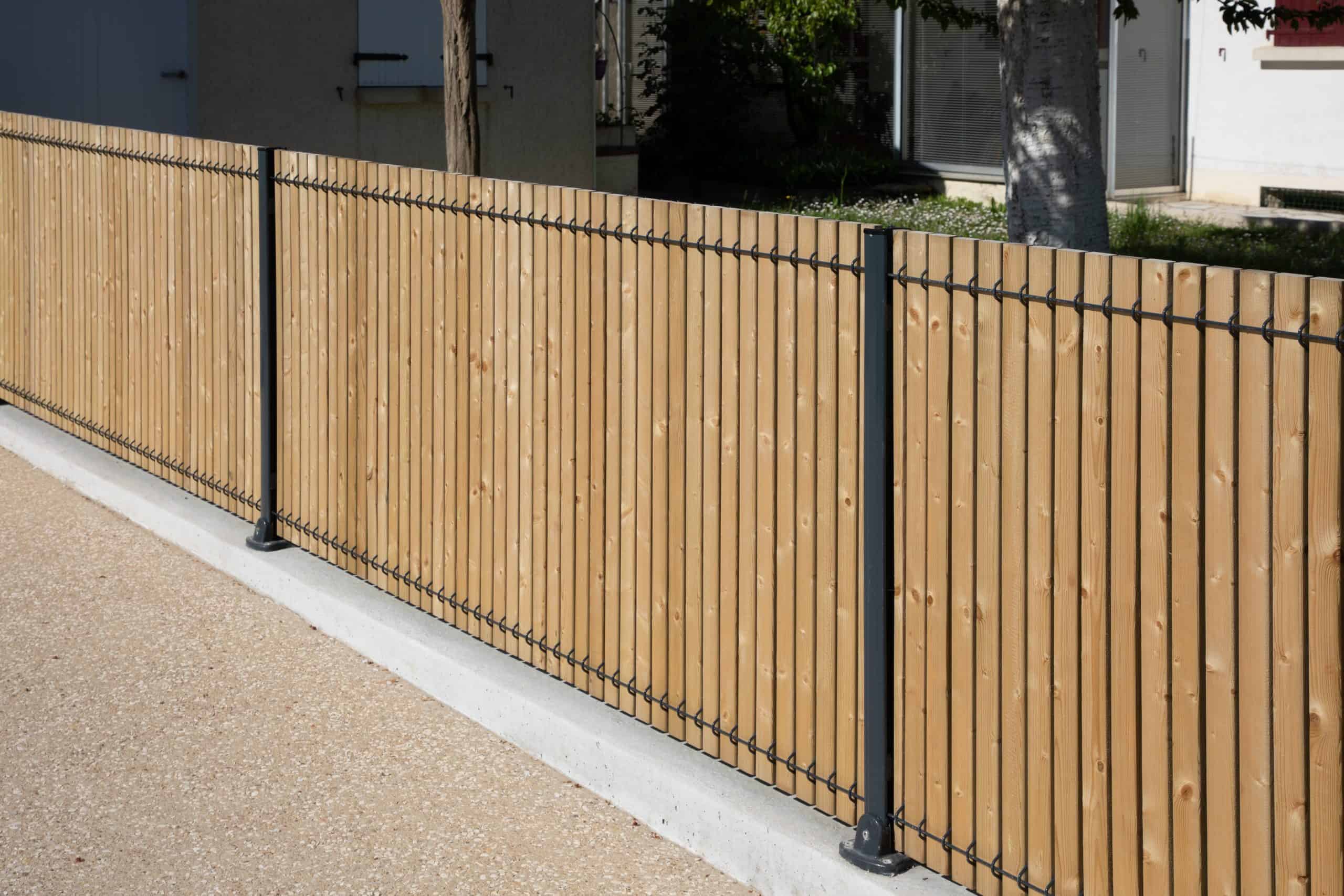
You’re looking at a fence that creates real privacy without falling apart in six months. That’s what matters when you’re investing in your property.
Wood fences in Wekiva, FL face humidity levels that make most lumber warp within the first season. You’ve probably seen it—pickets that twist like they’re melting, boards that gap and crack before the first year ends. That’s not a maintenance issue, that’s an installation problem.
A pressure treated fence built correctly gives you the seclusion you’re after without the constant repair calls. You get a backyard where your kids and pets can play without every neighbor watching. You get mornings on the patio without feeling like you’re on display. The fence does its job, and you don’t think about it every time the weather shifts.
We work across Seminole County and the surrounding area because we understand what wood fencing requires here. Not what it requires in Georgia or North Carolina—what it requires in Wekiva, FL where the climate doesn’t give you any margin for error.
We’ve installed wood privacy fences in neighborhoods where the median home value reflects real investment, and homeowners expect work that matches. You’re not looking for the cheapest option. You’re looking for someone who won’t have to come back in eight months to fix what should’ve been done right the first time.
We handle the permit process with Seminole County, use galvanized hardware that won’t rust out, and set posts in concrete so your fence stays where we put it. That’s the baseline. What separates us is knowing which wood species actually perform in this humidity and how to seal it so it doesn’t become a maintenance nightmare.

We start with an on-site assessment of your property. That means looking at your soil conditions, drainage patterns, and any grade changes that affect how we set posts. We’re also measuring for the permit application because Seminole County requires one for any new fence installation in Wekiva, FL.
Once we’ve walked your property line and discussed wood options—cedar, redwood, pine, or pressure treated—we give you an upfront price. No adjustments later, no surprise fees when we hit sand or clay. You’ll know what you’re paying before we dig the first post hole.
Installation starts with marking utilities and setting posts in concrete footings. We’re not using pre-built panels that show up already warped. Each section gets built on-site with boards that we’ve inspected and hardware that’s rated for coastal humidity. Your gate gets the same attention—hinges that won’t sag, latches that actually work, and a frame that stays square.
The final step is a walkthrough where you see the completed fence and we address anything that doesn’t meet your expectations. We’re not leaving until you’re satisfied with how it looks and functions.

Ready to get started?
Your wood fence installation in Wekiva, FL includes permit handling, which matters more than most contractors admit. Seminole County doesn’t just require a permit—they inspect the work. That means your fence needs to meet setback requirements, height restrictions, and construction standards that actually get checked.
We use pressure treated lumber for posts and rails because untreated wood in Central Florida soil rots from the ground up. The pickets can be cedar if you want the look and smell, or pressure treated pine if you want maximum durability. Both work. Both have trade-offs. We’ll explain what you’re getting with each so you can make the call based on your priorities and budget.
Every installation includes galvanized or stainless hardware. Screws, not nails, because nails back out when wood expands and contracts in Florida’s heat cycles. Posts go a minimum of two feet deep in concrete, deeper if your soil is sandy or we’re dealing with a slope. Gates get heavy-duty hinges and a frame that’s braced to prevent sagging.
You also get a realistic conversation about maintenance. Wood fences here need to be sealed or stained every two to three years. That’s not optional if you want the fence to last fifteen years instead of seven. We’ll tell you what products actually work and which ones are a waste of money.
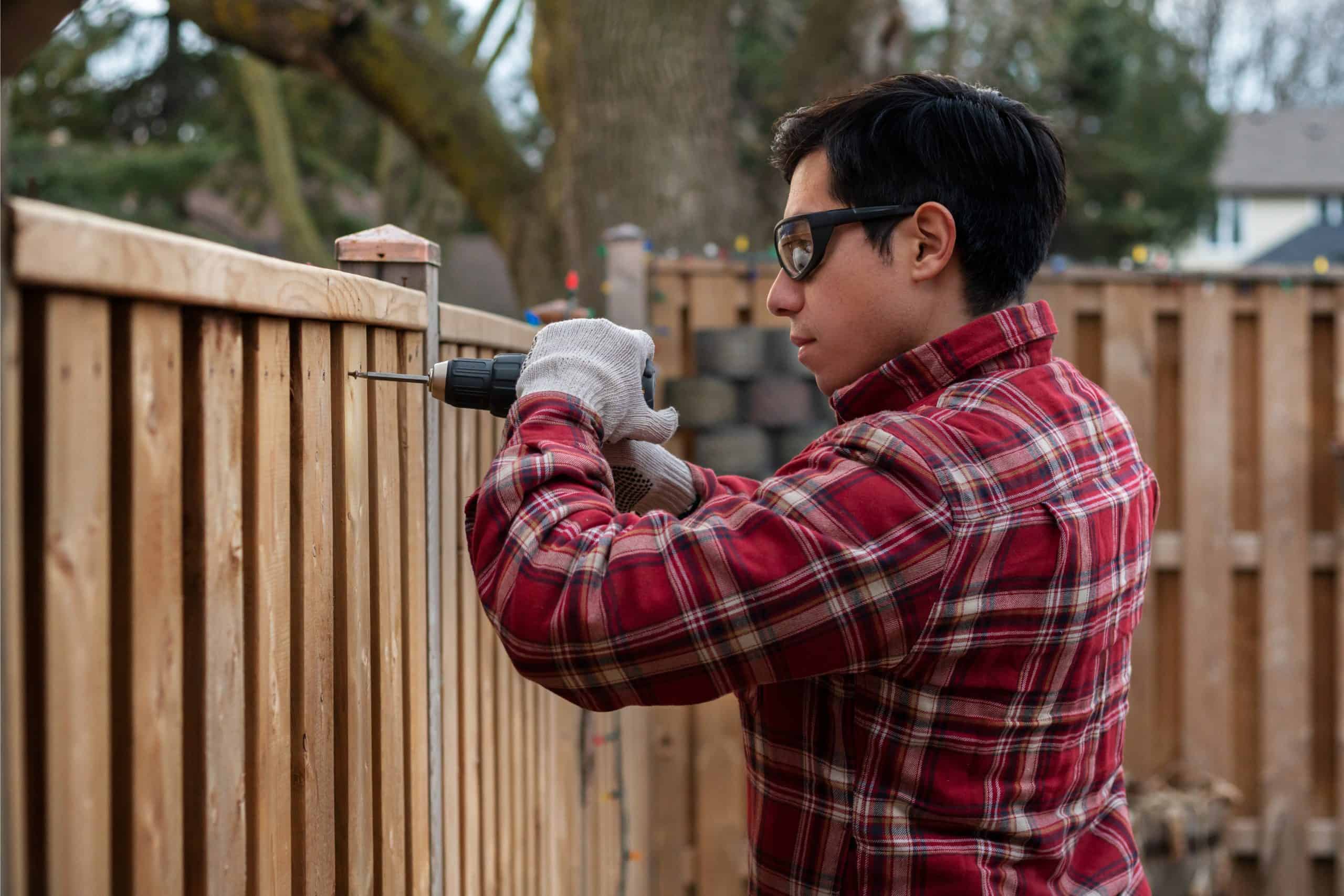
A properly installed pressure treated fence in Wekiva, FL should last fifteen to twenty years if you maintain it. That means sealing or staining every two to three years and addressing any loose boards or hardware before they become bigger problems.
Without maintenance, you’re looking at seven to ten years before the fence starts failing in sections. Florida’s humidity, heat cycles, and afternoon storms are harder on wood than almost any other climate. The lumber quality available today isn’t what it was twenty years ago, so protection matters more than it used to.
If you’re seeing wood fences in your neighborhood that look like they’re falling apart after three years, that’s usually an installation issue—untreated posts, inadequate footings, or panels that were already warped before they went up. The climate is tough, but it’s not impossible to build something that lasts if you use the right materials and methods.
Pressure treated pine gives you the best combination of durability and cost for wood fences in Wekiva, FL. It’s chemically treated to resist rot, insects, and moisture damage, which matters when you’re dealing with humidity levels that stay high year-round.
Cedar is another solid option if you want natural rot resistance and a cleaner appearance without visible treatment chemicals. It costs more than pressure treated pine and still needs to be sealed regularly, but some homeowners prefer the look and smell. Cedar weathers to a silver-gray if you don’t stain it, which some people like and others hate.
Redwood performs similarly to cedar but costs even more and isn’t always available locally. Regular pine or spruce without pressure treatment won’t last in Florida soil—you’ll see rot at the post line within a few years. For posts and any wood touching the ground, pressure treated is non-negotiable regardless of what you choose for pickets.
Yes. Seminole County requires a permit for any new fence installation in Wekiva, FL, and for any replacement work that exceeds twenty-five percent of your existing fence’s length. The permit process includes a review of your property survey, setback compliance, and height restrictions.
Most residential wood privacy fences are limited to six feet in the backyard and four feet in the front yard, but your specific property might have additional restrictions based on HOA rules or corner lot visibility requirements. The county will also check that your fence doesn’t block drainage easements or utility access.
The permit costs around $50 to $100 depending on your fence length, and the county typically inspects after installation to verify the work meets code. Skipping the permit might save you a hundred dollars upfront, but it creates problems if a neighbor complains or when you try to sell your home and the fence doesn’t show up in permitted improvements.
Plan on sealing or staining your wood fence in Wekiva, FL every two to three years minimum. Florida’s sun, rain, and humidity break down any protective coating faster than in drier climates, and once that protection is gone, the wood starts deteriorating quickly.
Between sealing cycles, you should wash the fence annually to remove mildew, dirt, and organic buildup that holds moisture against the wood. A garden hose and a soft brush usually handle it—you don’t need a pressure washer that can damage the wood fibers. Check for loose boards, popped screws, or any sections that are staying wet longer than they should.
If you see boards warping or cracking within the first few months, that’s often a lumber quality issue or inadequate sealing right after installation. New pressure treated wood needs time to dry before you can stain it—usually three to six months—but it should be sealed once it’s ready. Skipping that first seal job cuts your fence’s lifespan significantly because you’re letting moisture penetrate before the wood has any protection.
Pre-built fence panels are assembled in a warehouse, transported to your property, and installed as complete sections. They’re faster to put up and usually cheaper, but they often arrive with boards that are already warped, gaps between pickets, and frames that aren’t perfectly square.
Custom wood fence installation in Wekiva, FL means building each section on your property using individual boards. It takes longer, but you’re not installing defects that were built into the panel before it left the warehouse. Every board gets checked before it goes up, and the fence follows your property line exactly instead of forcing your yard to fit standard panel dimensions.
The quality difference shows up within the first year. Pre-built panels tend to have more boards that warp severely because they were already stressed during assembly and transport. Custom-built fences have fewer long-term issues because each board is straight when it’s installed and properly fastened to a frame that’s built to fit your specific measurements and terrain.
We can match most wood fence styles in Wekiva, FL as long as the existing fence is a standard design and the wood species is still available. That means measuring your current picket width, spacing, and height, then replicating it in the new section.
The challenge is that new wood won’t match the weathered color of your existing fence even if it’s the same species. Pressure treated lumber starts out with a green or brown tint from the treatment chemicals, and cedar or redwood will be much lighter than sections that have been aging for years. You can stain everything to match once the new wood is ready, but there will be a visible difference initially.
If your existing fence uses an unusual picket style, custom milling, or a wood species that’s hard to source locally, matching it gets more complicated and expensive. Sometimes it makes more sense to replace the entire fence so everything ages together and you’re not dealing with mismatched sections that become obvious over time.
Other Services we provide in Wekiva