Your property becomes more secure, more private, and more valuable. If you have kids or pets, they finally have a safe space to play without you constantly watching the boundaries. If you’re selling eventually, you’re looking at a 30-70% return on what you spend today, plus your home sells about 18 days faster on average.
But here’s what matters more than resale numbers: you stop worrying. You’re not wondering if the next storm is going to flatten your fence or if you’ll be dealing with wood rot in two years. A properly installed fence in Aloma, FL means you’re working with someone who understands what hurricane-force winds do to poorly anchored posts and what Florida humidity does to the wrong materials.
You get a fence that holds up because it was built for this climate from the start. That means deeper post holes, wind-rated materials, and installation methods that account for Central Florida’s soil conditions and weather patterns. It’s the difference between replacing sections every few years and not thinking about your fence at all.
We started as residential fence installers in Metro Atlanta over 30 years ago. We’ve been serving Central Florida communities for years now, including Aloma and the surrounding areas in Orange, Seminole, Lake, and Brevard counties.
We’re licensed, insured, and we pull permits. We flag utility lines before we dig. We know local building codes and HOA requirements because we work with them constantly. Our installations come with industry-leading warranties because we use materials that are actually rated for Florida’s climate, not just whatever’s cheapest.
You’re working with a local team that shows up when we say we will, finishes in 2-4 days for most residential jobs, and doesn’t disappear after the install. We’re here if something comes up, and we stand behind the work.
First, we come out to your property in Aloma, FL to look at the space, talk about what you need, and go over material options. We’re measuring the property lines, checking for underground utilities, and making sure we understand any HOA rules or local code requirements that apply to your install.
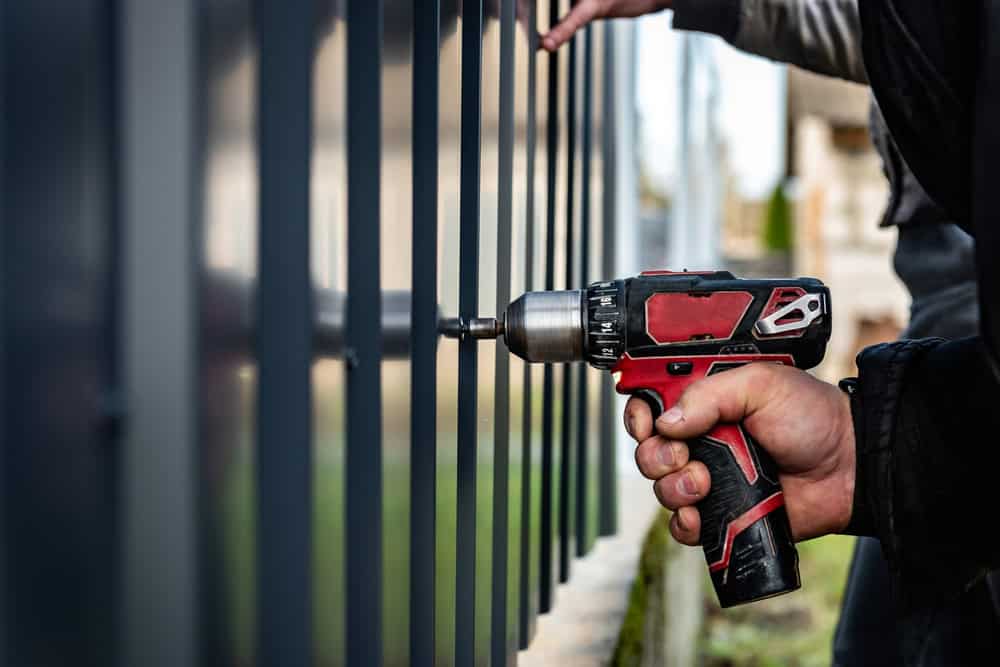
Once you approve the quote, we handle the permits. Then we schedule the installation, usually within a few weeks depending on the season. On install day, we mark utility lines, set posts at the right depth for Florida soil conditions, and build your fence using materials chosen specifically for hurricane resistance and humidity. Most residential fence installation projects wrap up in 2-4 days.
After it’s done, we walk the property with you to make sure everything meets your expectations. You get warranty information, care instructions if needed, and a direct line if anything comes up. Then you’ve got a fence that does its job without you having to think about it.
Ready to get started?
You’re getting materials rated for Central Florida weather. That means vinyl that won’t crack in the heat, aluminum that requires zero maintenance, or pressure-treated wood that’s built to handle moisture. We don’t use materials that look good in a catalog but fail in real conditions.
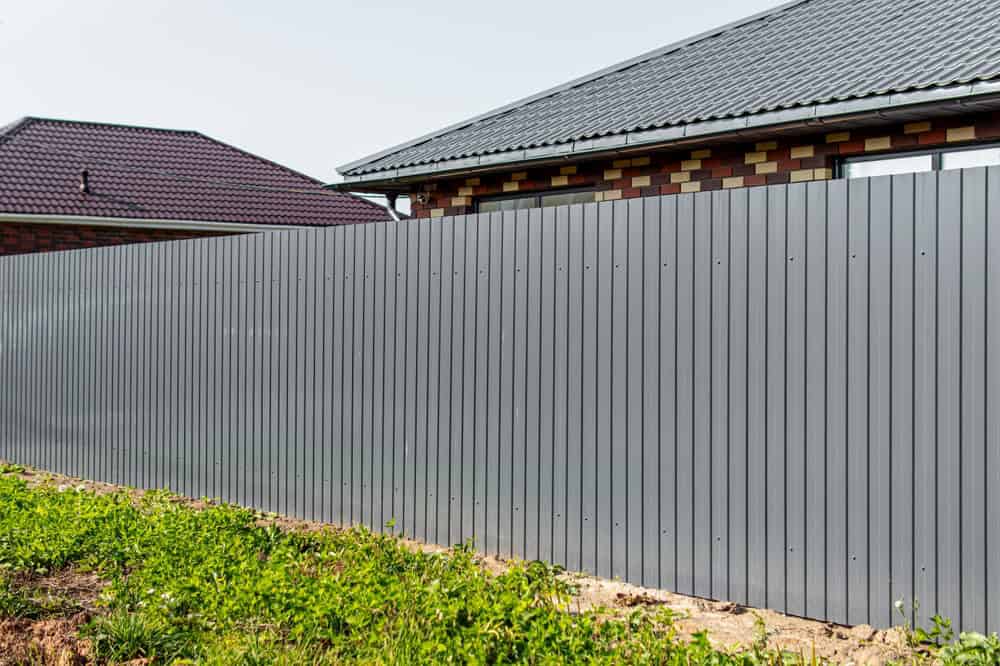
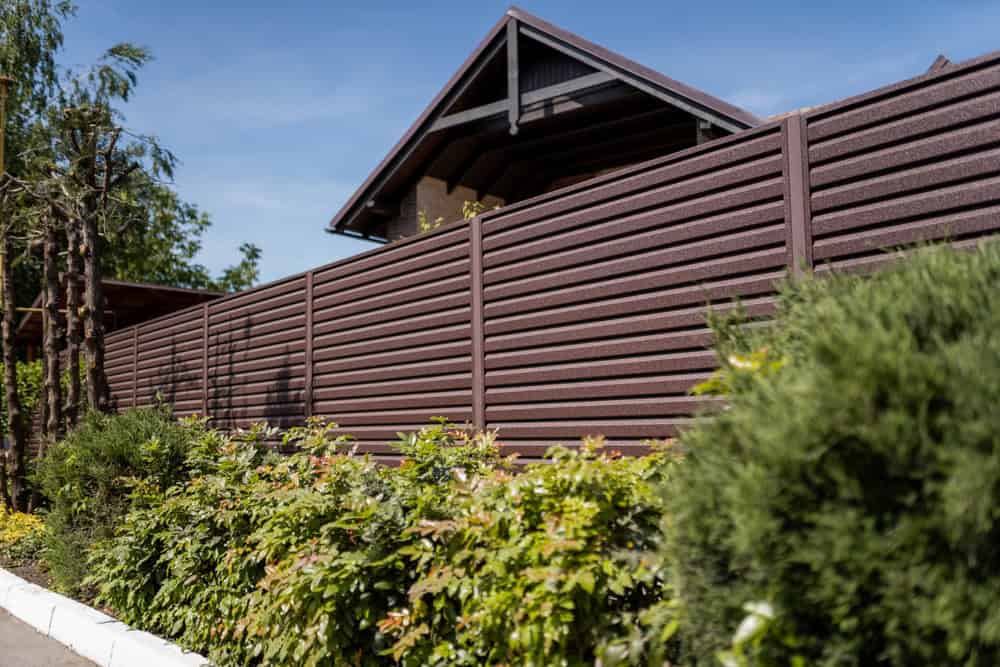
Privacy fence installation in Aloma, FL is one of our most common requests. You’re looking at 6-foot or 8-foot panels, depending on what your HOA allows and what you need for actual privacy. We install them with proper spacing and reinforcement so they hold up when storms roll through.
If you need pool fencing, we’re working with code requirements that are strict in Florida. The fence has to be a certain height, gates have to be self-closing and self-latching, and spacing between pickets has to meet safety standards. We handle all of that as part of the install.
For properties with pets, we talk about fence height and material based on the size and behavior of your dogs. A determined dog can clear a 4-foot fence or dig under one that’s not installed with the right depth. We account for that during the planning phase so you’re not dealing with escapes later.
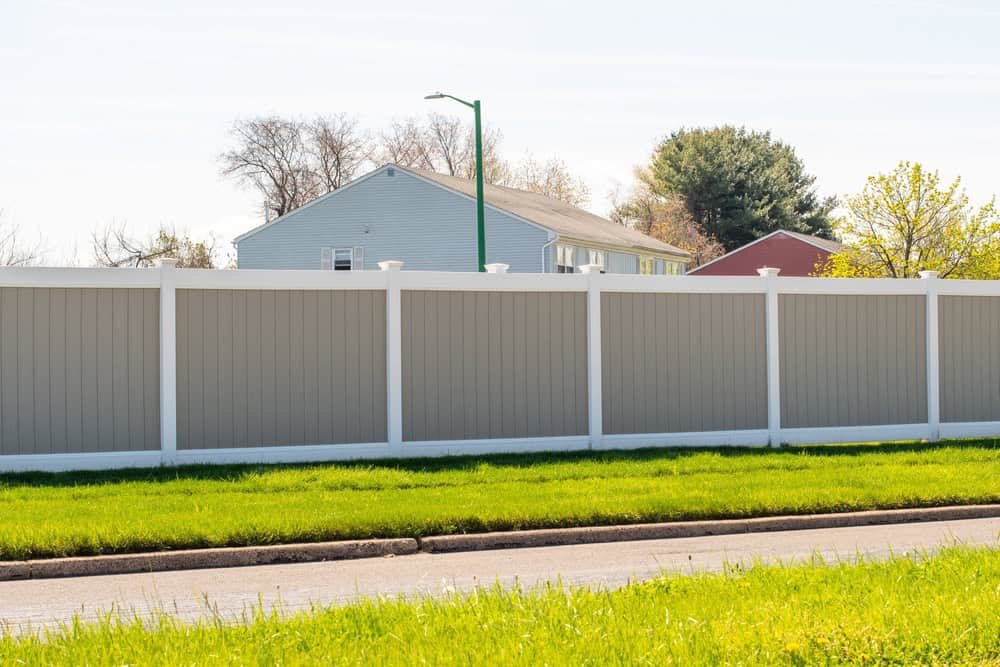
Most residential fence installation in Aloma, FL runs between $15 and $45 per linear foot, depending on material and height. A wood privacy fence typically costs less upfront than vinyl or aluminum, but you’re trading lower initial cost for higher maintenance over time.
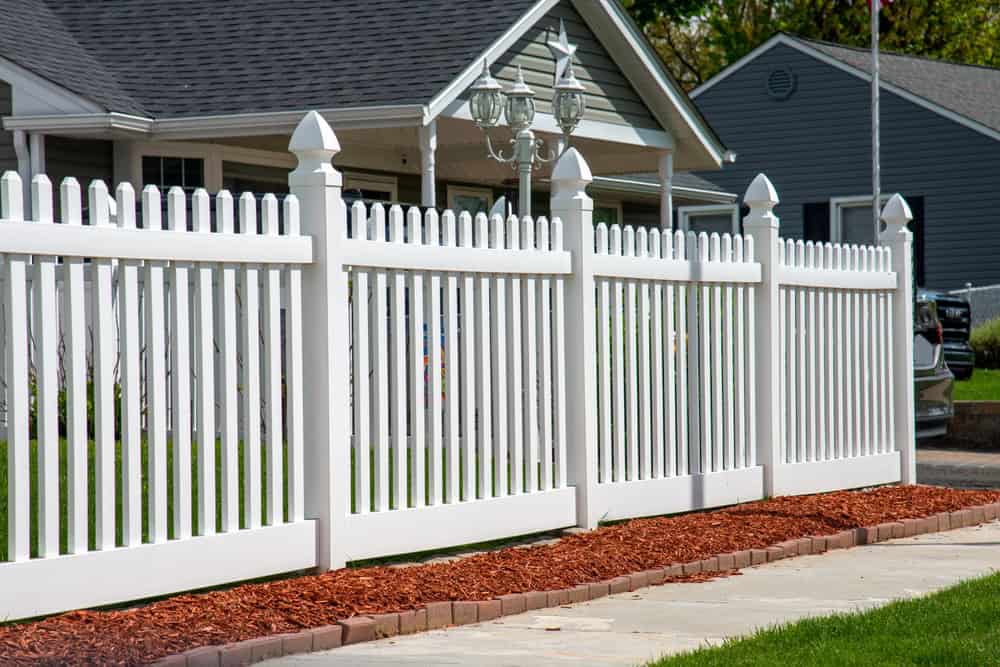
Vinyl fencing costs more to install but requires zero maintenance and lasts 20-30 years in Florida’s climate without rotting, warping, or needing paint. Aluminum is in a similar range and works well for pool fencing or decorative applications. Chain link is the most budget-friendly option, usually on the lower end of that range, but it doesn’t provide privacy.
The total cost depends on how many linear feet you’re fencing, whether you need gates, and what your property’s terrain looks like. We give you transparent pricing upfront with no hidden costs. If you need permits, we factor that in. If there are underground utilities that require hand-digging in certain sections, we let you know before we start.
Aluminum and vinyl fences perform well in hurricane conditions when they’re installed correctly. Aluminum is lighter and more flexible, so it can handle high winds without snapping. Vinyl is impact-resistant and won’t rot or corrode, which matters when you’re dealing with storm surge and flooding.
Wood fences can survive hurricanes if they’re built with deep posts, proper bracing, and wind-rated construction methods. The problem is that even if the fence survives the wind, Florida’s humidity and moisture can cause rot and structural damage afterward. That’s why we use pressure-treated lumber rated for ground contact and install posts deeper than standard depth.
Chain link is surprisingly durable in storms because wind passes through it instead of pushing against a solid surface. It’s not the most attractive option, but it’s one of the most storm-resistant. The key with any material is installation depth and anchoring. Shallow posts fail regardless of what’s attached to them. We dig posts at least 2-3 feet deep, sometimes deeper depending on soil conditions, and use concrete anchoring to keep everything stable.
Yes, most fence installations in Aloma, FL require a permit from Orange County. The permit process ensures your fence meets setback requirements, height restrictions, and safety codes. If you’re in an HOA, you’ll also need approval from them before you apply for the county permit.
We handle the permit application as part of our service. That includes submitting plans, coordinating inspections, and making sure everything is up to code before we start digging. Permits typically take 1-2 weeks to process, and the cost is usually a few hundred dollars depending on the scope of the project.
Skipping the permit might seem like a way to save time or money, but it creates problems later. If code enforcement notices an unpermitted fence, you can be fined and required to remove it. If you sell your home, an unpermitted fence can delay or kill the sale when it shows up during the title search. It’s not worth the risk, and we make the permit process easy so you don’t have to deal with it.
Most residential fence installation projects in Aloma, FL take 2-4 days from start to finish. That timeline assumes normal conditions: accessible property, no major underground utility conflicts, and decent weather. Larger properties or custom fence installation projects with multiple gates and complex layouts can take closer to a week.
We start by marking utility lines and setting posts. Posts need 24-48 hours for the concrete to cure before we can attach panels or pickets, so that’s usually day one and part of day two. Once posts are set, we move quickly through the rest of the install. Most crews can complete 100-150 linear feet per day once the posts are ready.
Weather delays happen in Florida, especially during summer storm season. We don’t install in heavy rain or high winds because it compromises the quality of the work. If we have to pause for weather, we communicate that immediately and reschedule as soon as conditions clear. We’re not interested in rushing through an install just to meet a deadline if it means your fence won’t hold up long-term.
Vinyl requires no maintenance and lasts 20-30 years in Florida without rotting, cracking, or fading. You never paint it, never seal it, and never worry about moisture damage. It costs more upfront, but over the life of the fence, you’re saving money on maintenance and replacement. It’s also more impact-resistant, which matters during storms.
Wood fencing costs less initially and gives you a traditional look that some people prefer. Pressure-treated wood can last 15-20 years in Florida if it’s maintained properly, but that’s the catch: you’re sealing or staining it every 2-3 years to protect against moisture, rot, and insect damage. Even with maintenance, wood fences are more vulnerable to hurricane damage and humidity-related warping.
If you’re planning to stay in your home long-term and you want to minimize maintenance, vinyl makes sense. If you’re working with a tighter budget and you’re okay with regular upkeep, wood can work. We walk through both options during the consultation so you can make the call based on your priorities, not just price.
We can, but we recommend getting a survey first if there’s any uncertainty about property lines. Installing a fence on your neighbor’s property, even by a few inches, creates legal problems that are expensive and frustrating to fix. A survey costs a few hundred dollars and removes all the guesswork.
If you have a recent survey or clear property markers, we use those to guide the installation. We also check local setback requirements, which dictate how close to the property line you can actually build. In some areas, you need to be 1-2 feet inside your property line, not right on it.
If you skip the survey and install based on assumptions, you risk having to move or remove the fence later if a neighbor disputes the line. That’s not a situation you want to be in after spending thousands on an install. We’ve seen it happen, and it’s always more expensive to fix than it would have been to survey upfront. We’ll work with whatever documentation you have, but we’ll also be honest if we think a survey is the smarter move.
Other Services we provide in Aloma