Your kids and pets have a safe space to play without you constantly watching the property line. Your backyard becomes actually private—no more neighbors seeing everything you do outside. Your property value goes up because buyers notice a well-installed fence that’s not sagging or falling apart.
You’re not dealing with gaps between panels or posts that lean after the first heavy rain. The fence looks level, the gates actually close properly, and you’re not calling someone back out to fix what should’ve been done correctly from the start.
Florida’s humidity, storms, and heat are tough on every outdoor structure. A professional fence installation in Education Village means choosing materials that handle the climate and installing them so they stay standing. Most fences last 15-20 years when installed properly—cheap work or wrong materials cut that time in half.
We’ve been handling residential fence installation in Education Village and across Central Florida for over two decades. We’re licensed and insured in the State of Florida, and we use materials manufactured locally with 100% USA-made components.
Education Village sits in a growing area where new construction and home improvements are constant. You’re dealing with HOA requirements, Florida building codes, and soil conditions that vary across properties. We’ve handled all of it—challenging terrain, strict neighborhood guidelines, and tight timelines.
We’re not the cheapest option you’ll find, and that’s intentional. You’re paying for materials that won’t need replacing in five years and installation that doesn’t require a callback to fix sloppy work.
First, we come out to your property in Education Village to look at your space, talk about what you need the fence to do, and go over material options. We measure everything, check for underground utilities, and discuss any HOA or permit requirements you’re dealing with. You get transparent pricing with no surprises later.
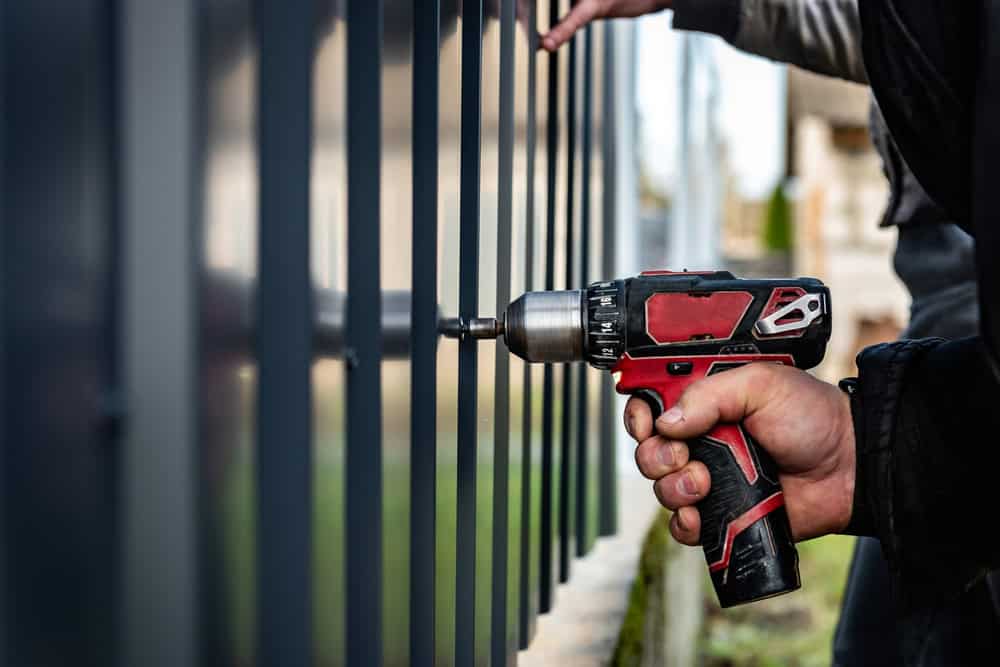
Once you approve the plan, we handle the permits and schedule the installation. Most residential fence installation projects take 1-3 days depending on property size and fence type. We set posts with proper depth and spacing, install panels or pickets level, and make sure gates swing correctly and latch securely.
After installation, we walk the property with you to make sure everything meets your expectations. We clean up all debris and leftover materials before we leave. You get information on maintenance for your specific fence type—wood needs different care than vinyl or aluminum.
Ready to get started?
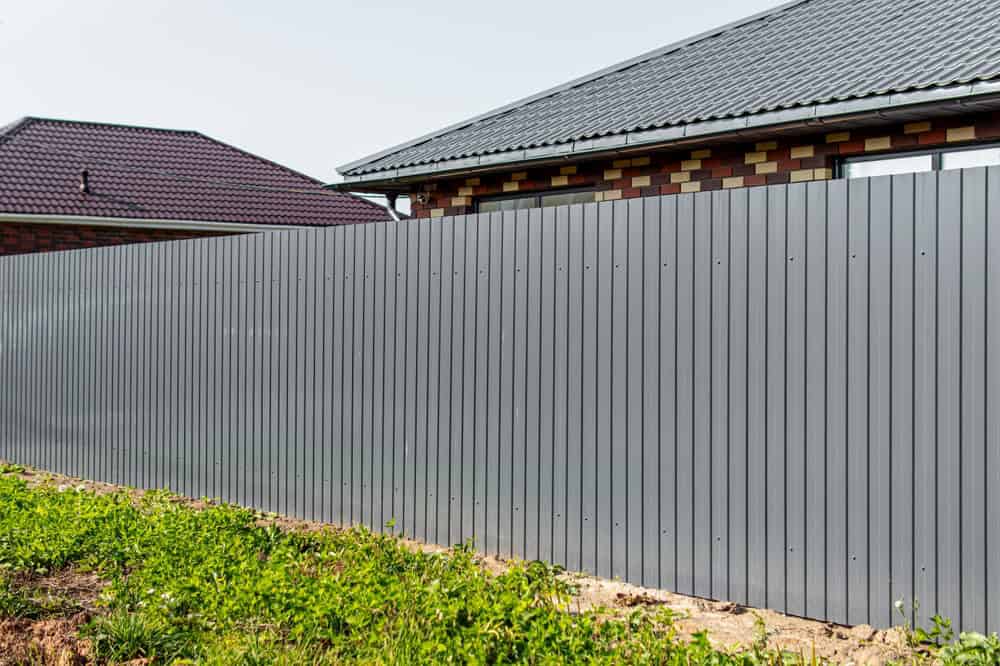
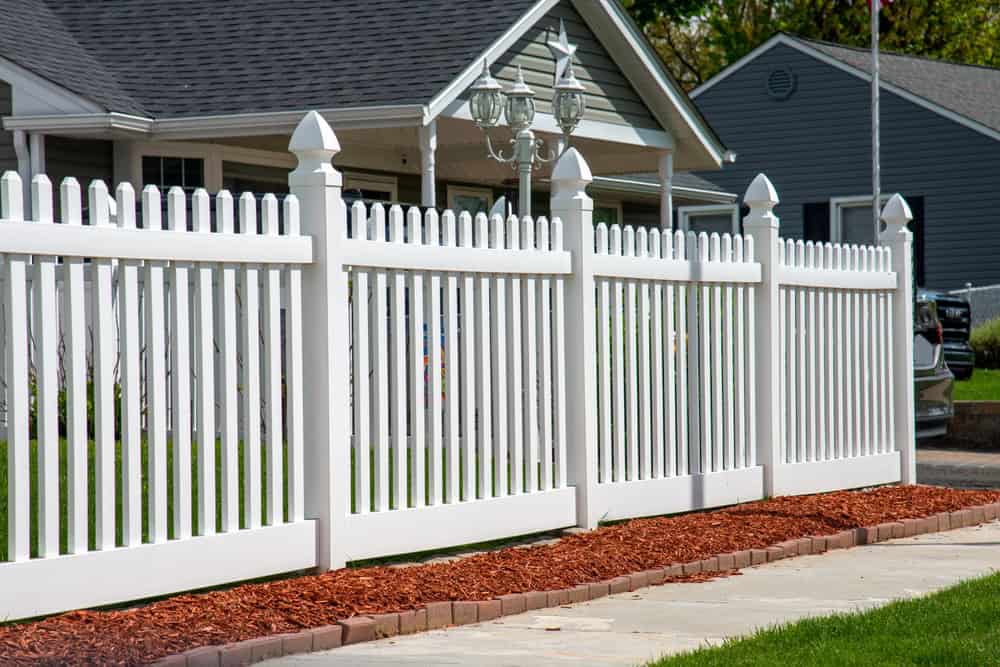
You’re choosing between wood, vinyl, aluminum, and chain link—each works better for different situations. Wood fences give you full privacy and a classic look, but they need regular maintenance in Florida’s humidity to prevent rot and termite damage. Vinyl fences handle the heat and moisture without warping or fading, and they don’t need painting or staining. Aluminum works well for pool fencing and front yards where you want visibility with a clean look. Chain link is the most cost-effective option for larger properties or areas where security matters more than privacy.
Privacy fence installation in Education Village often means dealing with HOA restrictions on height, color, and style. We know which materials and designs typically get approved and which ones cause problems. Most neighborhoods here allow six-foot privacy fences in backyards but have stricter rules for front yards and corner lots.
Florida’s storms bring high winds and heavy rain that test every fence. Proper installation means setting posts deep enough to handle wind load and using concrete that cures correctly in humid conditions. We also account for drainage—standing water around fence posts accelerates rot in wood and destabilizes any fence type over time.
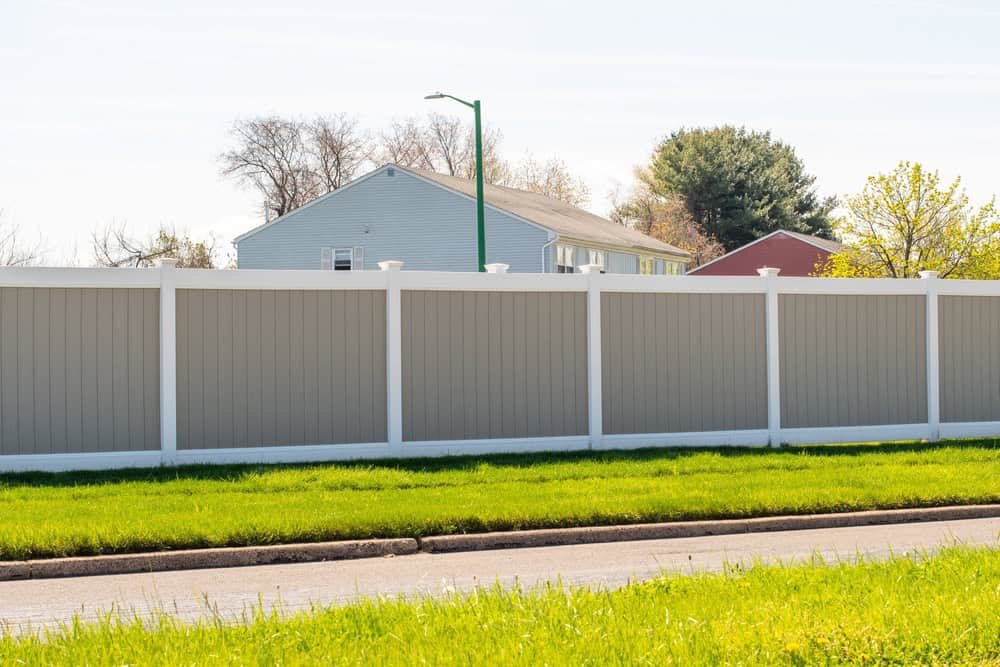
Most residential fence installation projects in Education Village take between one and three days from start to finish. A standard backyard privacy fence for a quarter-acre lot usually wraps up in two days if weather cooperates and there are no complications with the property.
Larger properties, complex layouts, or challenging terrain add time. If your property has significant elevation changes, heavy vegetation that needs clearing, or requires extensive gate installation, expect the project to take longer. We also factor in time for concrete to cure properly—rushing this step causes posts to shift later.
Weather delays happen in Florida, especially during summer storm season. We don’t install fences in heavy rain or high winds because it compromises the quality of the work. If we need to pause for weather, we secure the work area and resume as soon as conditions allow.
Vinyl and aluminum handle Florida’s humidity, heat, and storms better than other materials because they don’t rot, rust, or require regular maintenance. Vinyl fences won’t warp in the sun or grow mildew like wood can, and they don’t need painting or staining. Aluminum resists corrosion even in areas with salt air and holds up well to wind.
Wood fences work fine in Florida if you’re willing to maintain them. That means cleaning and resealing every few years to prevent rot, mildew, and termite damage. Cedar and pressure-treated pine are the most common wood options here—cedar naturally resists insects and decay better than pine, but it costs more.
Chain link is the most durable option for pure longevity and requires almost no maintenance. It’s not the most attractive choice, but if you need a fence that will absolutely still be standing in 20 years with minimal care, chain link delivers. For Education Village specifically, most homeowners choose vinyl or wood for privacy fencing and aluminum for pool areas or decorative front yard fencing.
Yes, you need a permit for most fence installations in Education Village, and you’ll also need to check your HOA requirements if your neighborhood has one. The permit process involves submitting plans that show fence location, height, materials, and property boundaries. Permits ensure your fence meets local building codes and doesn’t encroach on easements or utility lines.
HOA approval often takes longer than the actual permit. Many Education Village neighborhoods have specific rules about fence height, color, style, and placement. Some HOAs require fences to be a certain distance from the street or prohibit solid fences in front yards. We’ve handled hundreds of these approvals and know which designs typically pass without issues.
Skipping permits causes bigger problems later. If code enforcement or your HOA discovers an unpermitted fence, you might face fines or be required to remove it entirely. We handle the permit application process as part of our service, so you’re not dealing with paperwork and county offices yourself.
Privacy fence installation in Education Village typically runs between $15 and $45 per linear foot depending on material, height, and property conditions. A standard six-foot wood privacy fence costs less than vinyl, but vinyl saves you money long-term because it doesn’t need maintenance. Aluminum and decorative options cost more upfront but add significant curb appeal.
Your total cost depends on how much fencing you need, what’s happening with your property, and which materials you choose. A typical quarter-acre backyard might need 150-200 linear feet of fencing. Add gates, challenging terrain, or removal of an existing fence, and costs increase. We provide exact pricing after seeing your property—estimates over the phone are usually wrong because they don’t account for your specific situation.
Cheaper quotes often mean lower-quality materials or installation shortcuts that cause problems later. Posts set too shallow, improper spacing, or using thin materials saves money during installation but costs you more when the fence fails early. We price our work to include proper materials and installation methods that actually last through Florida’s weather.
Yes, we regularly install fences on sloped and uneven properties throughout Education Village. The installation method changes based on how steep the slope is and what type of fence you’re installing. We use either a stepped method where the fence follows the slope in level sections, or a racked method where panels angle to follow the ground contour.
Stepped fencing works better for privacy fences and creates a clean, level appearance with each section. The fence steps down the slope in uniform drops, maintaining consistent panel height throughout. Racked fencing angles the entire panel to match the slope and works well for ornamental aluminum or chain link where you need the bottom rail to follow ground level closely.
Sloped properties require more precise measurement and installation because gravity, drainage, and soil stability all affect how well the fence holds up. Posts need proper depth and concrete volume to handle the additional stress from uneven terrain. This type of installation takes more time and skill than flat-ground fencing, but it’s completely manageable with the right experience.
Maintenance requirements depend entirely on your fence material. Vinyl and aluminum fences need almost nothing—occasional washing with soap and water to remove dirt and mildew buildup. You’re looking at maybe an hour or two per year to keep them looking good. Check gates periodically to make sure hinges and latches still work smoothly.
Wood fences need significantly more attention in Florida’s climate. Plan to clean and reseal or stain your wood fence every 2-3 years to prevent rot, mildew, and insect damage. Inspect the fence annually for loose boards, protruding nails, or signs of termite activity. Trim vegetation away from the fence line so plants aren’t holding moisture against the wood.
All fence types benefit from keeping the area around posts clear of standing water and debris. Florida’s heavy rains can cause drainage issues that destabilize fence posts over time. If you notice a post becoming loose or a panel sagging, address it quickly—small problems become expensive repairs if you ignore them. Most fences last 15-20 years with proper care, and higher-end materials like vinyl or aluminum can go 25 years or more.
Other Services we provide in Education Village