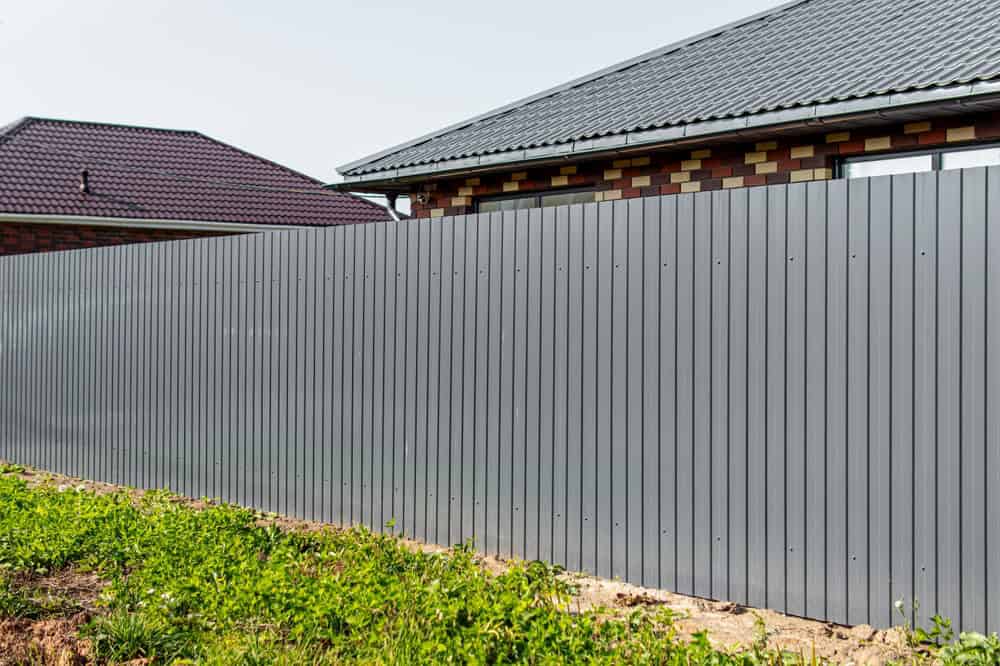
Your property line is secure. Your kids and pets have a safe space to play without you watching the gate every second. Your neighbors can’t see into your backyard anymore.
The fence looks clean, stands straight, and doesn’t wobble when you push on it. You’re not dealing with rotting boards six months later or panels that blow over in the next storm. You got the permits handled, your HOA signed off, and the whole thing took three days instead of three weeks.
That’s what happens when someone who knows Lancaster Park does the work. You’re not fixing mistakes or calling someone back. You’re just using your yard the way you wanted to in the first place.
We’ve been working in Lancaster Park and across Central Florida for over 20 years. We’re licensed, insured, and we’ve seen every weird property line issue, HOA restriction, and soil condition this area can throw at us.
We know Lancaster Park homes were mostly built in the 1960s, which means older surveys, mature trees near property lines, and neighbors who’ve been there long enough to have opinions. We handle that. We also know Florida weather doesn’t mess around, so we only use materials that hold up to humidity, storms, and the kind of heat that warps cheap vinyl in two summers.
You’re not getting the lowest bid. You’re getting people who show up on time, pull the right permits, and install fences that last.
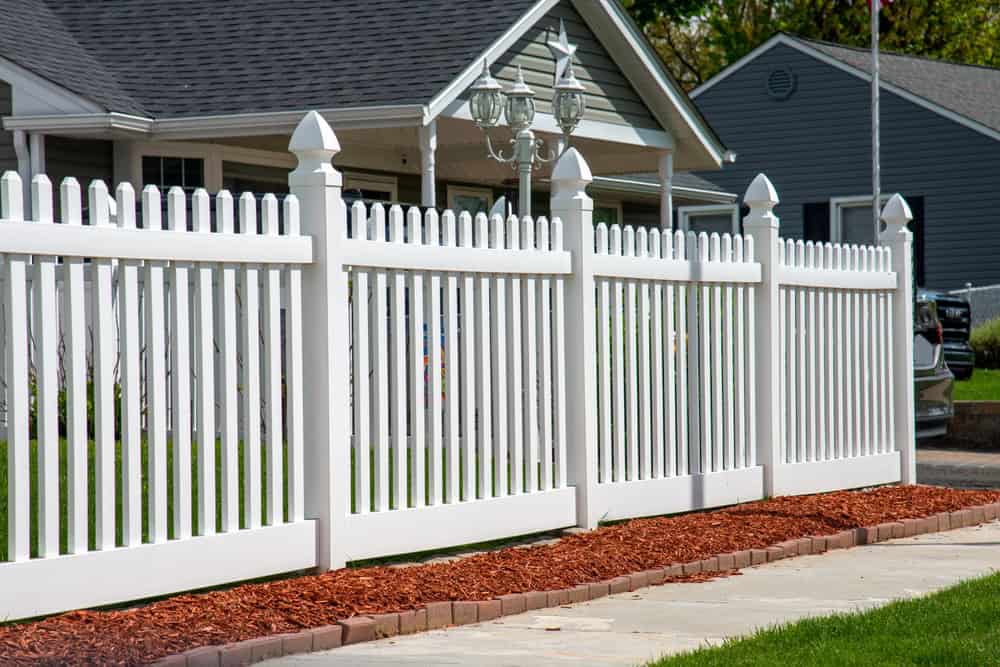
First, we come out and look at your property. We measure, check your property lines, and talk through what you actually need—not what sounds good in a brochure. If you’ve got an HOA, we’ll tell you what they’re likely to approve before you waste time on a design that gets rejected.
Next, we handle permits. Most fence installations in Lancaster Park require a permit to meet local zoning and safety codes. We pull those, submit the specs, and make sure everything’s squared away before we dig the first post hole.
Then we install. Most residential fence installation projects take one to three days depending on size and terrain. We remove your old fence if you’ve got one, haul off the debris, and clean up when we’re done. You do a final walk-through, and if something’s not right, we fix it before we leave.
Ready to get started?
You’re getting materials made in the USA that are built for Florida’s climate. That means wood that’s treated for moisture and insects, vinyl that won’t crack under UV exposure, and aluminum that won’t rust when the humidity sits at 90% for weeks.
We install privacy fences, decorative aluminum, chain link, split rail, and custom estate gates. If you’ve got unusual terrain or a property line that runs through a slope or wetland area, we’ve handled worse. Lancaster Park has plenty of older lots with quirks, and we’ve figured out how to fence them without guessing.
You also get a one-year labor warranty on the installation and manufacturer warranties on materials. If your fence has an issue, you’re covered. We’re not handing you a phone number for some national call center—you’re calling the same people who installed it.
And if you need financing, we offer 12-month, 0% interest options for residential projects between $2,000 and $15,000. You don’t have to drain your savings to get a fence that actually works.
Yes, most fence installations in Lancaster Park require a permit. Florida building code generally limits residential fences to six feet in height, with front yard fences typically under four feet. Local authorities may approve taller fences up to eight feet in specific cases, but you’ll need to apply for that.
Permits ensure your fence meets zoning laws, setback requirements, and safety standards. If you skip the permit and your fence doesn’t meet code, you could be forced to tear it down or pay fines. We handle permit applications as part of our service, so you’re not filling out paperwork or waiting in line at the county office.
If you have an HOA, you’ll need their approval too. That’s separate from the county permit. We’ll walk you through both processes and tell you upfront what’s required before we start.
Most residential fence installations take one to three days from start to finish. Smaller projects like a backyard privacy fence might be done in a day. Larger properties or custom installations with gates and unusual terrain take closer to three days.
Weather can add time. If we get a heavy rainstorm or the ground is too saturated to set posts properly, we’ll pause and come back when conditions are right. Rushing a fence install in bad conditions leads to posts that shift and panels that sag within a year.
If we’re removing an old fence first, that adds a few hours but usually doesn’t push the timeline to another full day. We haul off all the debris as part of the job, so you’re not stuck with a pile of rotting wood in your driveway.
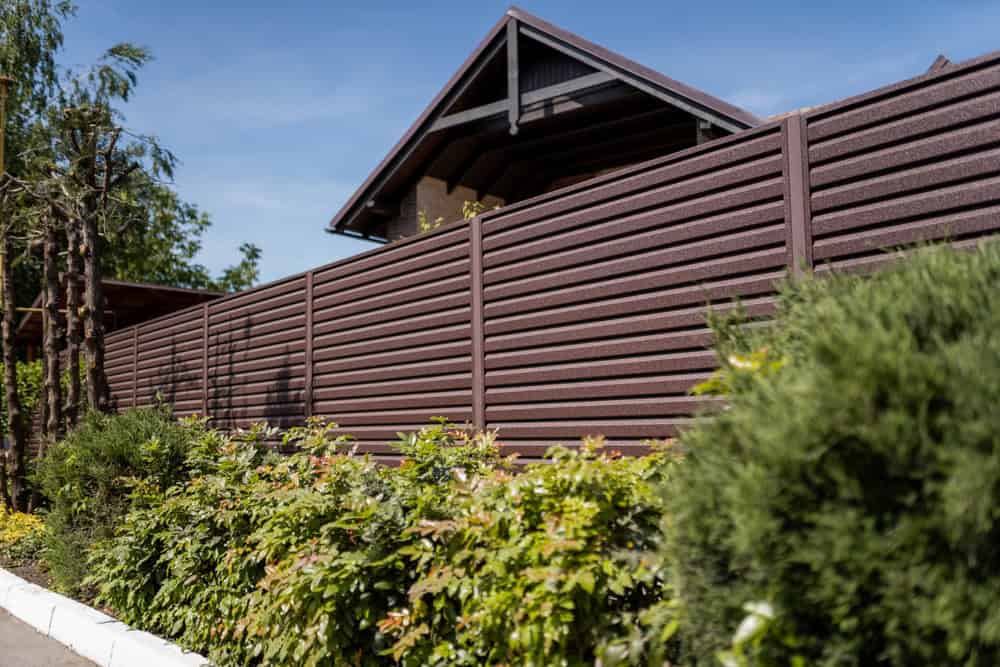
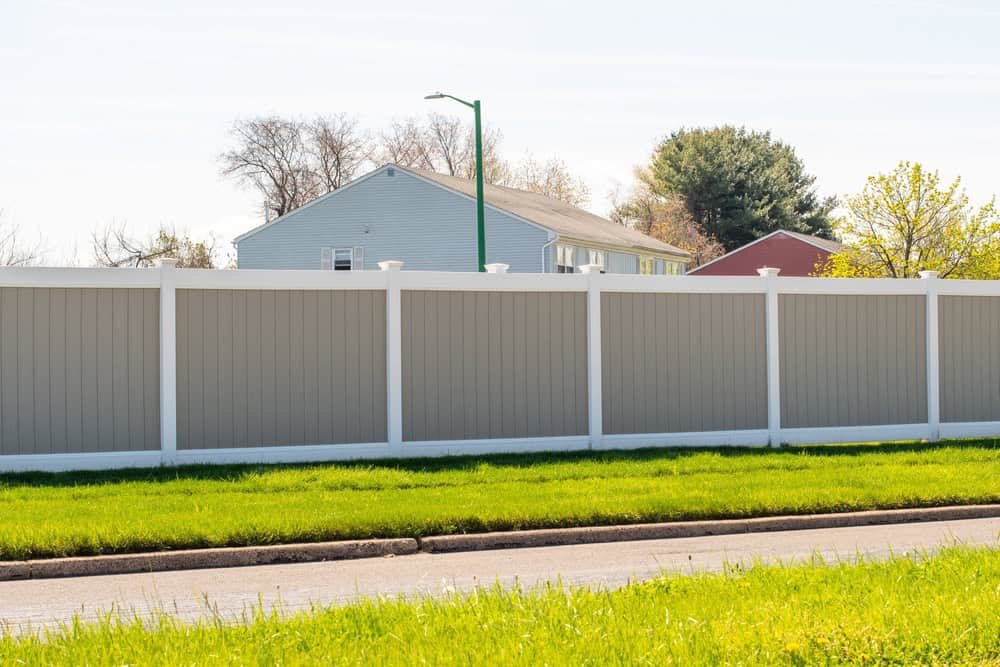
Vinyl and aluminum hold up best in Florida’s heat, humidity, and storms. Vinyl won’t rot, doesn’t need painting, and handles moisture without warping if you’re using quality materials. Aluminum doesn’t rust and works well for decorative fencing where you want visibility and airflow.
Wood fences can work if they’re properly treated for moisture and insects, but they require more maintenance. You’ll need to reseal or restain them every few years to prevent rot and weathering. If you’re okay with that upkeep, wood gives you solid privacy and a classic look.
Chain link is the most affordable and holds up fine in storms, but it doesn’t offer privacy. It works well if you just need to contain pets or mark property lines. For Lancaster Park homes where privacy matters, most people go with vinyl or wood. We’ll walk you through the pros and cons based on what you’re trying to accomplish and how much maintenance you want to deal with.
You need a property survey. Don’t assume the old fence was in the right spot—it probably wasn’t. Property line disputes are common in Lancaster Park because many homes were built in the 1960s, and surveys weren’t always precise back then.
A licensed surveyor will locate your property corners using county records and physical markers. This costs a few hundred dollars but saves you from building on your neighbor’s land or having to move a fence after it’s installed. Some title companies provide surveys when you buy a home, but those aren’t always accurate enough for fence placement.
If you’re off by even a foot, your neighbor can legally force you to remove the fence. We’ve seen it happen. Get the survey done first, and if there’s any confusion about the property line, sort it out before we dig post holes. We can recommend surveyors if you need one.
It depends on your policy. Most Florida homeowners insurance covers wind damage from hurricanes, which includes fences that blow over or get hit by debris. But coverage varies, and your deductible might be high enough that filing a claim doesn’t make sense for a fence.
After Hurricane Helene, 53% of claims were denied. After Hurricane Milton, 39% were denied. Insurance companies look for reasons not to pay, especially if they think the fence wasn’t properly installed or maintained. If your fence was already leaning or rotting before the storm, they’ll deny the claim.
That’s why the installation matters. A fence that’s built to Florida code with proper post depth and wind-rated materials is more likely to survive a storm and more likely to be covered if it doesn’t. We install fences that meet those standards, so you’re not dealing with a claim denial because the posts were too shallow or the panels weren’t reinforced.
Yes. Sloped lots and uneven terrain are common in Lancaster Park, and we’ve installed fences on plenty of them. The approach depends on how steep the slope is and what type of fence you want.
For gentle slopes, we can rack the fence so the panels follow the grade. This works well with chain link and some wood styles. For steeper slopes, we step the fence so each section is level but drops down to follow the terrain. This looks cleaner with privacy fences and vinyl.
If your property has drainage issues, wetlands, or areas that flood during heavy rain, we’ll adjust post placement and depth to account for that. Some installers won’t touch difficult terrain because it takes more time and skill. We’ve done enough of these projects that it’s not a problem—it just requires planning before we start digging.
Other Services we provide in Lancaster Park