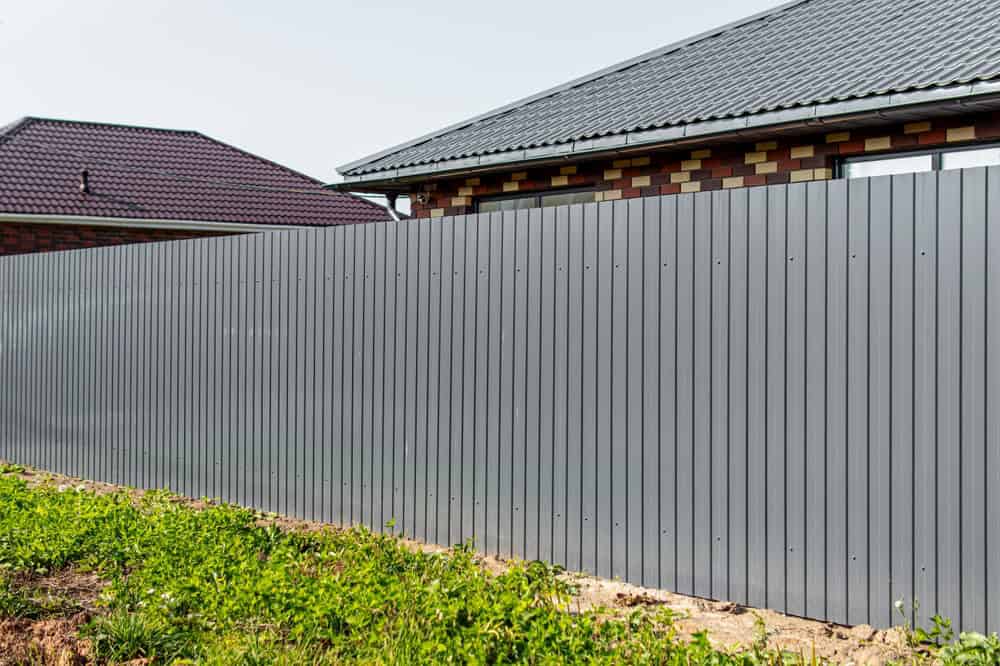
You’re not just getting posts in the ground. You’re getting a fence that won’t warp in Florida’s humidity, won’t blow over in the next storm, and won’t have your HOA sending you violation letters.
When you choose residential fence installation in Metro West, FL with a licensed contractor, you’re choosing materials rated for Central Florida’s weather. That means treated wood that resists rot, vinyl that won’t crack under UV exposure, and aluminum that holds up to wind speeds most DIY jobs can’t handle.
You also get someone who knows which permits you need before the first post goes in. Metro West has specific codes on height, setback, and design. Miss one, and you’re looking at fines or teardown orders. We handle that upfront so you don’t have to backtrack later.
We’ve been installing fences across Central Florida for over two decades. We’re licensed, bonded, and insured—not because it sounds good, but because it protects you if something goes wrong.
We serve Metro West and the surrounding counties: Lake, Orange, Seminole, Brevard, Volusia, Osceola, Polk, Sumter, and Marion. That’s a lot of ground, and we’ve seen what works and what doesn’t in this climate. We’ve also been recognized in Orlando Magazine’s 2025 Home Design Awards, which reflects the kind of work we put out.
You’re not getting a fly-by-night crew. You’re getting a team that’s been here, will be here next year, and stands behind what we install.
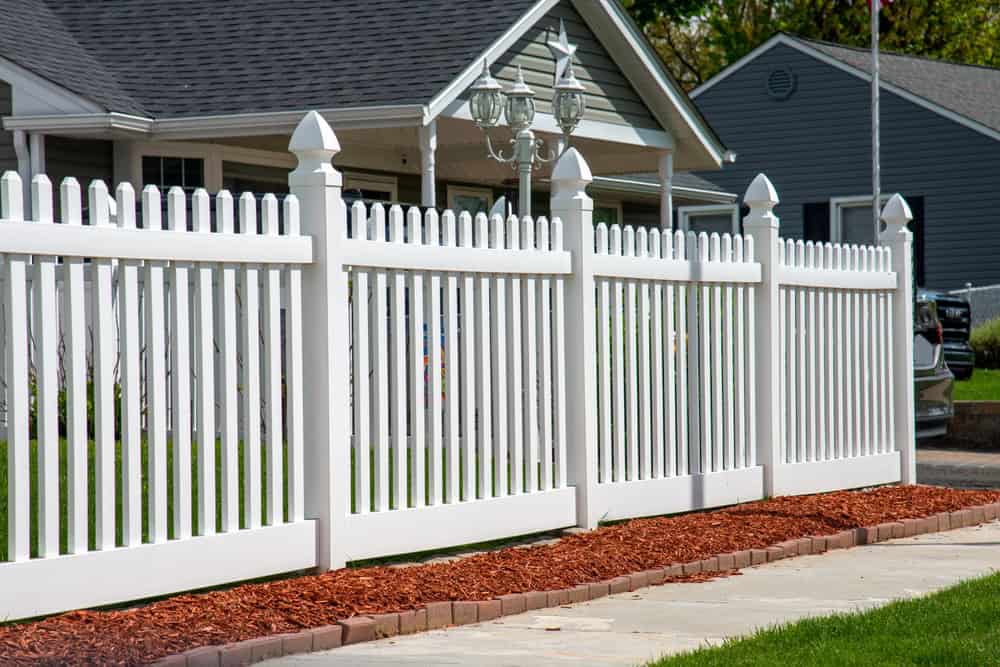
First, we come out and take a look at your property. We measure, check for obstacles like sprinkler lines or utility easements, and talk through what you’re trying to accomplish—privacy, security, curb appeal, or all three.
Then we walk you through material options. Wood, vinyl, aluminum, chain link—each has pros and cons depending on your budget, your HOA rules, and how much maintenance you want to deal with down the road. We don’t upsell. We tell you what makes sense for your situation.
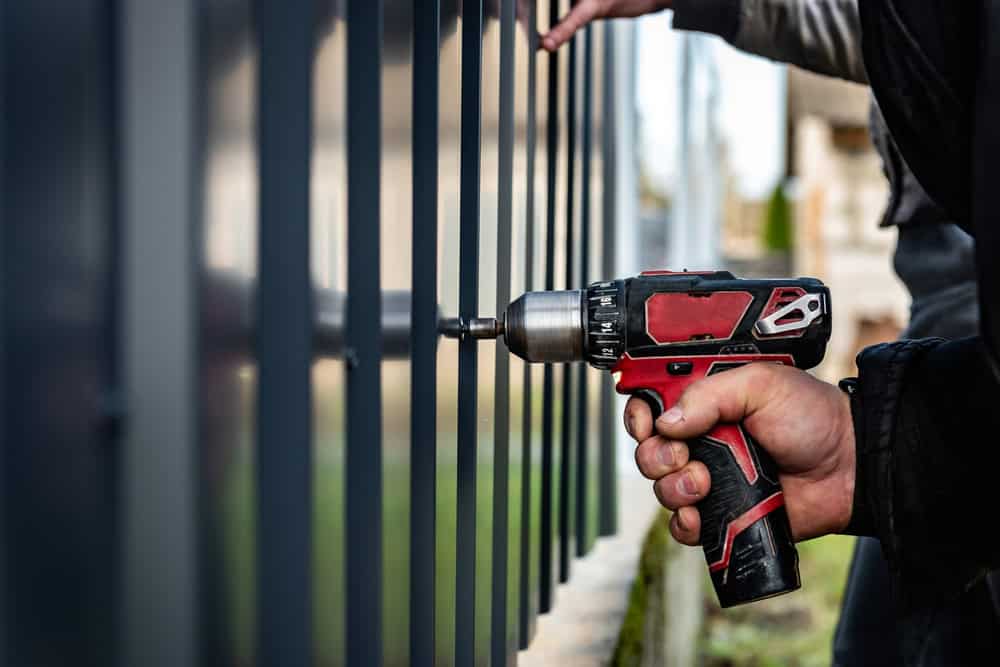
Once you approve the quote, we pull permits and schedule installation. Our crew shows up on time, marks property lines, sets posts, and installs panels or pickets based on the design we agreed on. We clean up when we’re done and walk the fence line with you to make sure everything’s solid.
If you need gate automation, we handle that too. If your HOA requires approval, we help with that paperwork. The goal is to get your fence installed without you having to chase down answers or fix mistakes later.
Ready to get started?
Every fence installation in Metro West, FL starts with a site assessment and ends with a final walkthrough. In between, you get permit coordination, material delivery, professional installation, and cleanup.
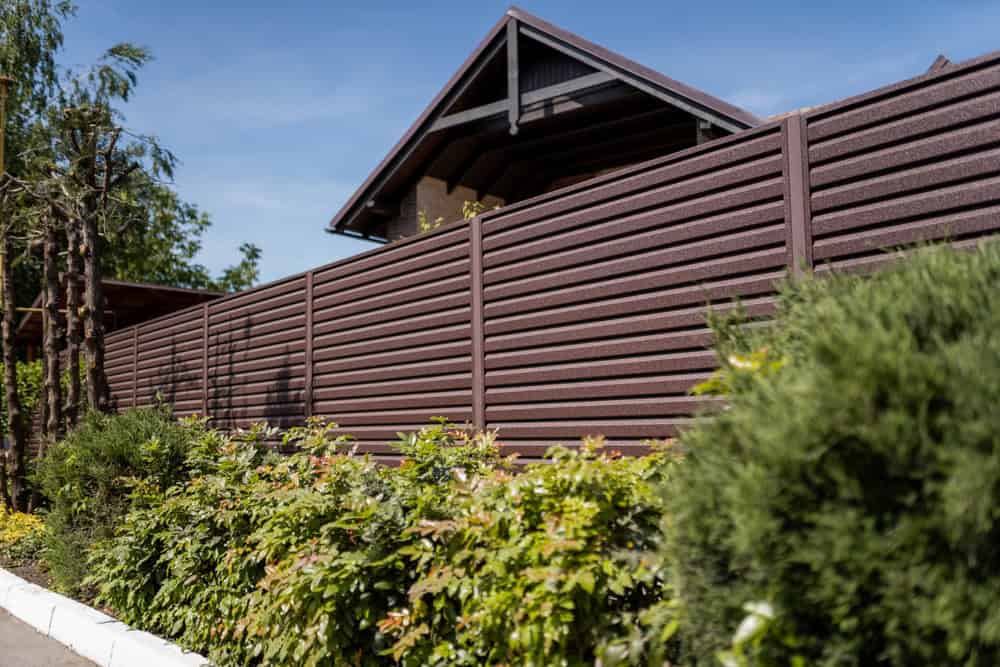
We use materials built for Florida. That means pressure-treated pine for wood fences, commercial-grade vinyl with UV inhibitors, and powder-coated aluminum that won’t rust in the humidity. If you’re near a lake or dealing with sandy soil, we adjust post depth and use concrete footings rated for your ground conditions.
Metro West properties often deal with HOA restrictions, so we help you navigate Architectural Review Board requirements before installation. We’ve worked with most of the local boards and know what gets approved and what gets rejected. That saves you time and keeps your project moving.
You also get transparent pricing. No surprise fees for “difficult terrain” or “extra labor.” We quote the full job upfront, and that’s what you pay unless you change the scope mid-project.
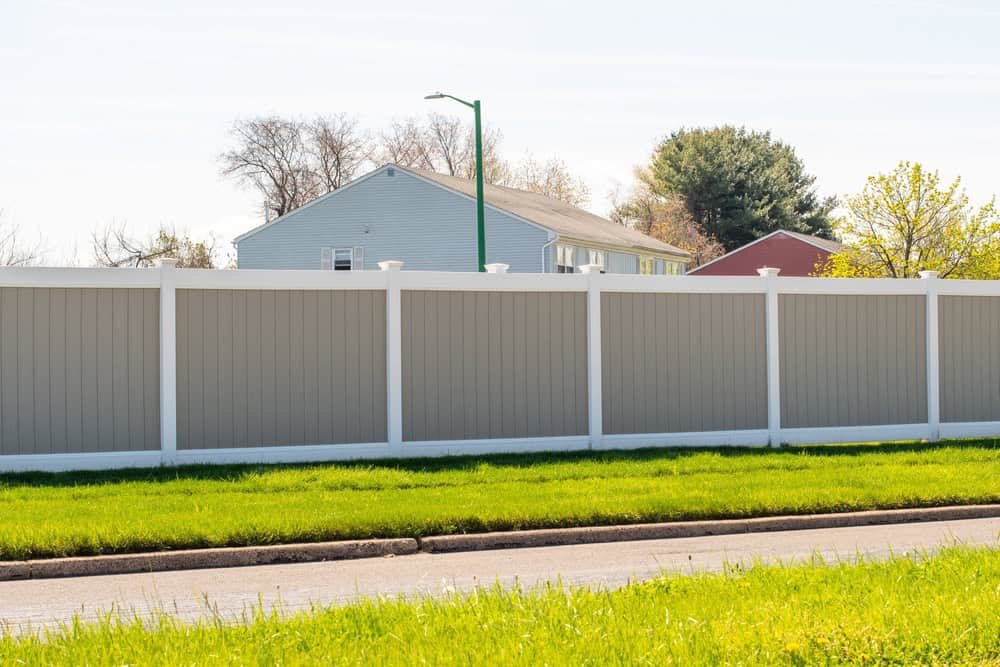
Fence installation in Metro West typically runs between $15 and $35 per linear foot, depending on material and design. Wood privacy fences tend to fall in the $18-$25 range. Vinyl runs higher, usually $25-$35 per foot, but requires almost no maintenance. Aluminum and chain link are on the lower end unless you’re adding custom gates or automation.
Labor makes up about half the total cost. The other half is materials, permits, and any site prep like clearing brush or leveling ground. Gates add to the price—basic walk gates start around $150, but driveway gates with automation can run $1,500 or more depending on size and features.
We give you a full breakdown upfront so you know exactly where your money’s going. No hidden fees, no vague estimates. If your property has challenges like steep slopes or underground utilities, we factor that in during the quote, not after we start digging.
Yes, most fence installations in Metro West require a permit. Each city in the area has specific codes on fence height, setback from property lines, and design restrictions. If you skip the permit and get caught, you’re looking at fines or being forced to remove the fence entirely.
We handle permit applications as part of the installation process. That includes submitting site plans, verifying property lines, and making sure your fence meets local building codes. Permit fees vary by city, but they’re usually a few hundred dollars—worth it compared to the cost of tearing down and rebuilding.
If you’re in an HOA, you’ll also need approval from your Architectural Review Board before we pull permits. Some boards have strict rules on color, height, and style. We’ve worked with most of the HOAs in Metro West and can help you submit the right documentation to avoid delays or rejections.
Florida’s heat, humidity, and hurricane-force winds narrow your options. Vinyl and aluminum hold up best long-term because they don’t rot, warp, or rust. Vinyl won’t crack if you choose a product with UV inhibitors, and aluminum won’t corrode even in high-humidity areas near lakes or retention ponds.
Wood fences work if you go with pressure-treated pine or cedar and stay on top of maintenance. Expect to reseal or stain every two to three years to prevent rot and mold. If you live in an area that floods occasionally, wood posts will deteriorate faster unless they’re set in concrete and treated for ground contact.
Chain link is the most affordable and holds up fine in storms, but it doesn’t offer privacy. If you’re installing a fence to keep your yard private or block noise, you’ll want wood, vinyl, or a privacy slat system added to chain link. We’ll walk you through what makes sense for your property and budget during the consultation.
Most residential fence installations in Metro West take two to five days, depending on the size of your property and the type of fence. A basic wood privacy fence for a quarter-acre lot usually wraps up in two to three days. Larger properties or custom designs with gates and automation can take up to a week.
Weather delays happen. Florida’s afternoon storms can push timelines back, especially if we’re pouring concrete for posts and need it to cure properly. We don’t rush through wet conditions because it compromises the quality of the install.
Permit approval can add time upfront—usually one to two weeks depending on the city. If your HOA needs to sign off, that’s another week or two. We build that into the schedule so you’re not left waiting without answers. Once permits clear and materials arrive, installation moves quickly.
No fence is hurricane-proof, but proper installation and material choice make a big difference. Aluminum and vinyl fences handle high winds better than wood because they flex without snapping. Wood fences need deeper post holes—at least three feet with concrete footings—to stay upright in sustained winds above 70 mph.
We install fences to meet Florida Building Code wind load requirements, which means posts are spaced correctly, rails are reinforced, and fasteners are rated for high wind. If you’re in a flood zone or near open water, we adjust post depth and use galvanized or stainless hardware that won’t corrode.
After a storm, wood fences may need picket replacement or rail repairs. Vinyl and aluminum usually just need cleaning. If you’re concerned about storm damage, we recommend vinyl or aluminum with a wind-rated design. It costs more upfront but holds up better when the next hurricane rolls through Central Florida.
Yes, but we need to locate your sprinkler lines before we start digging post holes. Most Metro West properties have irrigation systems, and hitting a line during installation means costly repairs and delays. We use a utility locator to mark underground lines, then hand-dig near those areas to avoid damage.
If your sprinkler system runs along the fence line, we may need to reroute a section or adjust post placement slightly. That’s easier to handle upfront than after we’ve already broken a line and flooded your yard. We coordinate with you during the site assessment so there are no surprises.
In some cases, you’ll need to call 811 (Sunshine State One Call) to mark utility lines before we start. We can handle that for you, but it adds a few days to the timeline. It’s required by law and protects both your property and our crew from hitting gas, electric, or water lines during excavation.
Other Services we provide in Metro West