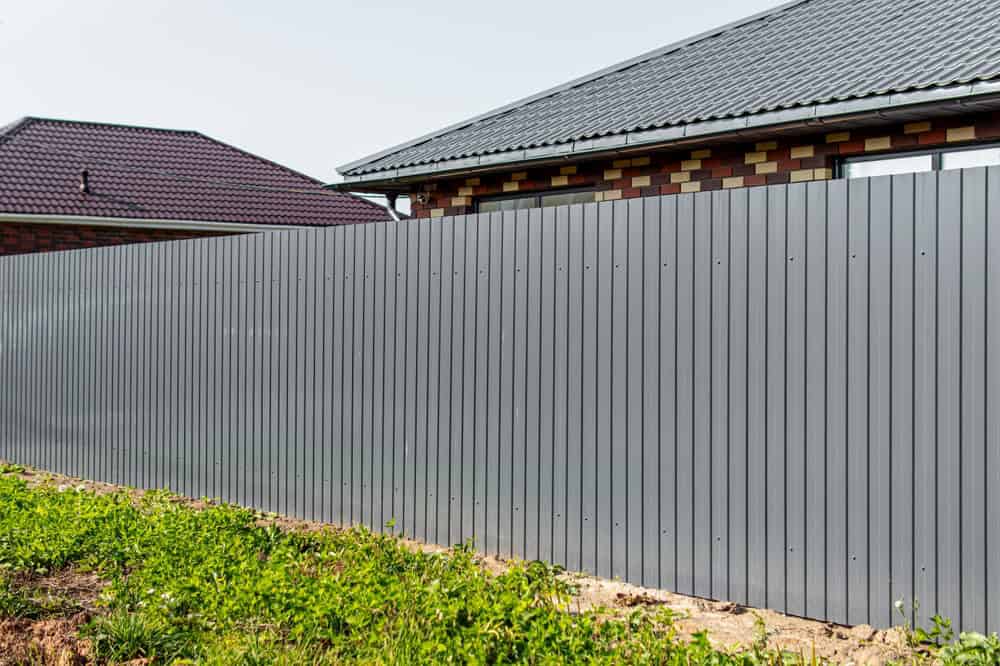
Your property gets the privacy you’ve been wanting. No more dealing with neighbors who treat your yard like a shortcut. No more worrying whether your kids or pets can play outside safely.
The fence goes up fast, but it’s built to last. Hurricane-season winds won’t take it down because the posts are set deep and spaced correctly. The materials we use don’t warp, rot, or need constant maintenance like cheaper options do.
You’re not stuck figuring out Orange County’s permit requirements or dealing with HOA pushback. We handle that process from start to finish so you don’t have to chase down approvals or resubmit paperwork because of formatting errors. The price you get is the price you pay—no surprise fees when the job’s halfway done.
We work across Central Florida, and we’ve handled enough projects in Orange County to know what works here. The permit process is stricter than most counties. The HOA requirements change by neighborhood. The weather demands construction that can take a beating.
We’re not new to this. Our team uses Superior pressure-treated pine with warranties against termite damage and rot, and we build to meet Florida’s engineering standards for wind resistance. That means your fence isn’t just decorative—it’s functional when storms roll through.
You’ll work with people who show up on time, explain what’s happening, and don’t leave your yard torn up for weeks. We serve Lake, Orange, Seminole, Brevard, Volusia, Osceola, Polk, Sumter, and Marion counties, and we’ve built a reputation on doing what we say we’ll do.
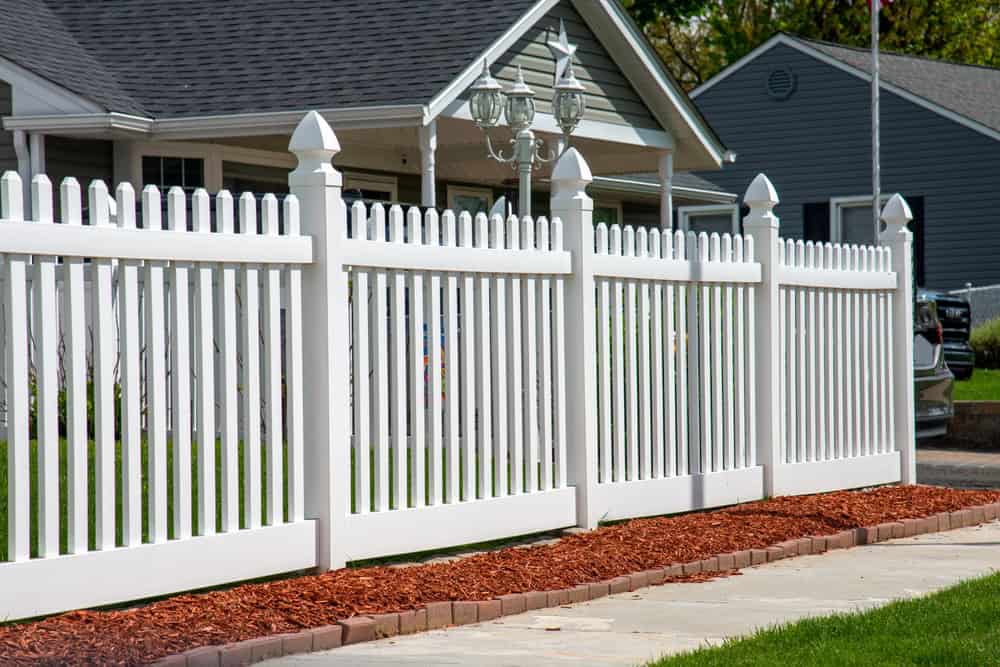
First, we come out to look at your property. You tell us what you want—privacy, security, a specific style—and we measure the space, check for any obstacles, and talk through material options. If you’ve got an HOA, we make sure the design fits their rules before moving forward.
Next, we handle the permit. Orange County requires permits for fences up to six feet, and the application needs dimensioned site plans with specific file formats or it gets rejected. We submit everything correctly so you’re not waiting on resubmissions or dealing with county offices yourself.
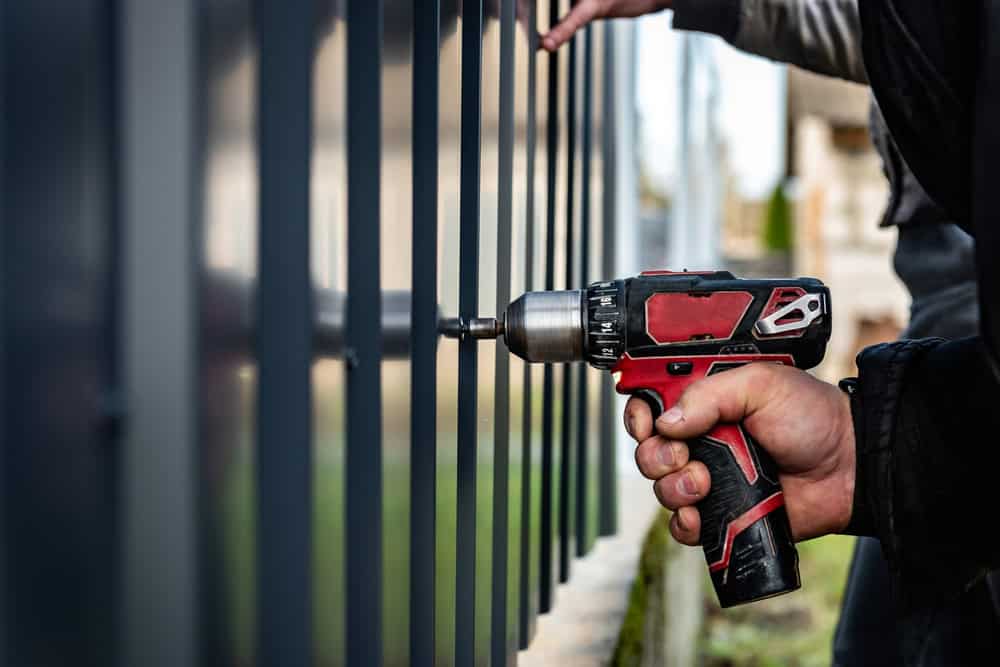
Then we build. Posts go in at the right depth and spacing for wind resistance. Fasteners are commercial-grade. The fence line stays straight, gates swing smoothly, and we clean up when we’re done. You get a fence that looks good and works the way it should from day one.
Ready to get started?
You’re getting more than just posts and panels. Every residential fence installation in Orange County, FL includes permit handling, material delivery, professional installation, and site cleanup. We don’t cut corners on the details that matter.
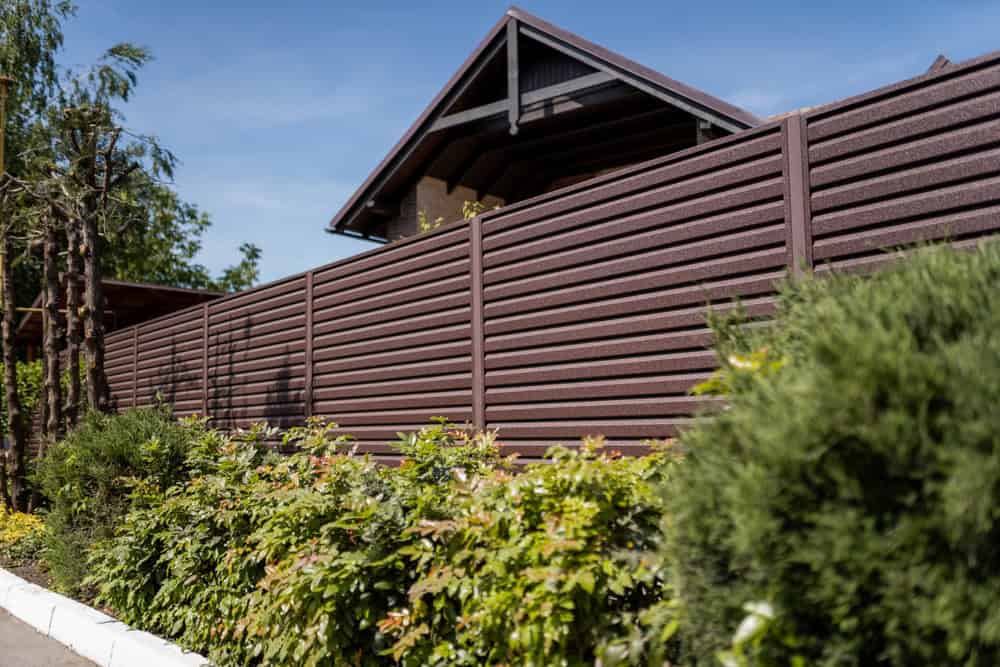
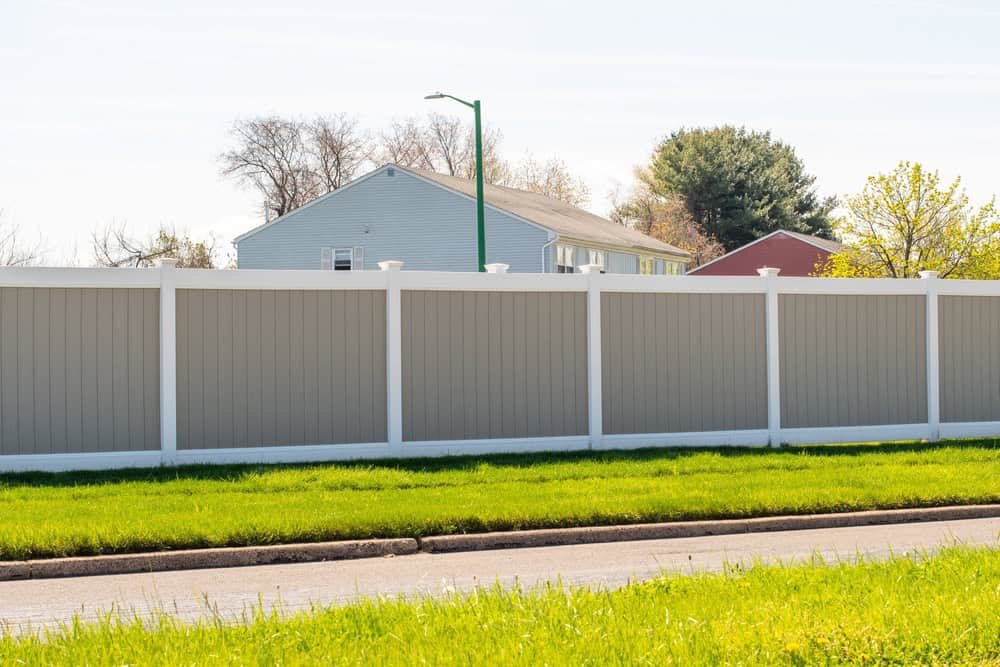
Material options cover wood, vinyl, aluminum, chain link, and custom designs. Vinyl privacy fencing is the most popular choice in Orange County because it requires almost no maintenance and holds up in Florida’s heat and humidity. If you want something specific—darker colors like navy or deep green are trending right now—we can build it.
Hurricane resistance is standard, not optional. Posts are set deeper than minimum code requirements, spacing follows engineering standards for high wind loads, and fasteners are chosen for long-term hold. Your fence won’t be the one that ends up in pieces after a storm.
Orange County homeowners also deal with HOA requirements that vary widely by neighborhood. Some HOAs require specific heights, colors, or styles. We review those rules before starting so there’s no conflict later. Transparent pricing means you know the total cost upfront—permits, materials, labor, everything.
Yes. Orange County requires permits for all fences six feet in height or under. The permit process involves submitting a dimensioned site plan with your property layout, fence location, and measurements. The county reviews applications within four business days and sends email notifications if there are deficiencies or approvals.
The tricky part is the submission format. File names are case-sensitive, and if you don’t follow the exact naming convention, the system rejects your application automatically. You’ll also need to include setback distances from property lines and any easements.
We handle this entire process as part of your fence installation. You don’t have to navigate the county’s online Fast Track system, figure out the file requirements, or wait around for approval emails. We submit everything correctly the first time so your project stays on schedule.
Most residential fence installations take two to four days once permits are approved and materials are on-site. The timeline depends on your property size, fence length, and any obstacles like trees, slopes, or underground utilities.
Permit approval adds four business days to the front end, assuming the application is submitted correctly. If there are HOA requirements, that can add another week or two depending on how quickly your HOA board reviews and approves the design.
We schedule your installation as soon as permits clear. Our crew works efficiently to minimize disruption to your daily routine. You’re not dealing with a half-finished project sitting in your yard for weeks. We start, we finish, and we clean up so you can start using your new fence right away.
Vinyl and aluminum fences perform best in high winds when installed correctly. Vinyl has some flex, which helps it absorb wind pressure without snapping. Aluminum is lightweight and strong, and it won’t rust in Florida’s humid climate.
The material matters, but the installation matters more. Posts need to be set at least two feet deep—deeper for taller fences—and spaced no more than eight feet apart. Fasteners should be galvanized or stainless steel to prevent corrosion. Cross-bracing adds stability for privacy fences with solid panels that catch more wind.
Wood fences can also withstand hurricanes if they’re built to the right standards, but they require more maintenance over time. We use Superior pressure-treated pine with warranties against termite damage and rot, and we follow Florida’s engineering standards for wind load. Your fence is built to stay standing when storms come through.
Privacy fence installation in Orange County typically runs between $20 and $45 per linear foot depending on material, height, and site conditions. Vinyl privacy fencing is on the higher end but requires almost no maintenance. Wood privacy fencing costs less upfront but needs periodic staining or sealing.
That price includes materials, labor, permits, and site prep. If your property has challenging terrain, underground utilities that need locating, or requires extra grading work, costs can increase. Custom designs or premium materials like composite or decorative aluminum also add to the total.
We give you transparent pricing upfront. You’ll know exactly what you’re paying before we start, and there are no hidden fees for permits or unexpected site issues. The estimate we provide is the price you pay unless you change the scope of the project.
Yes, as long as we review your HOA’s rules before designing your fence. HOA requirements in Orange County vary significantly by neighborhood. Some HOAs dictate specific fence heights, colors, materials, or styles. Others restrict where you can place fences on your property or require approval before any work begins.
We ask for your HOA guidelines during the initial consultation. If your neighborhood has restrictions, we design your fence to meet those requirements so you’re not dealing with violations or fines after installation. We can also help with the HOA approval process if your association requires submitting plans before permits.
Skipping this step causes problems. Homeowners who install fences without checking HOA rules first often face demands to remove or modify the fence at their own expense. We make sure your fence is compliant from the start so you avoid that headache entirely.
Wood fences cost less upfront and offer a traditional look that many homeowners prefer. Vinyl fences cost more initially but require almost no maintenance and last longer in Florida’s climate. Both can provide privacy and security—the choice comes down to budget and how much upkeep you want to deal with.
Wood fences need staining or sealing every few years to prevent rot, warping, and termite damage. Even with treatment, Florida’s humidity and sun exposure take a toll over time. Vinyl fences don’t rot, warp, or attract termites. They don’t need painting or staining, and they look the same years later as they did on installation day.
Installation timelines are similar for both materials. The real difference shows up in long-term costs. Wood requires ongoing maintenance expenses. Vinyl doesn’t. If you’re planning to stay in your home long-term and want to minimize upkeep, vinyl makes more sense. If you’re working with a tighter budget now and don’t mind periodic maintenance, wood works fine.
Other Services we provide in Orange County