A fence should do more than mark your property line. It keeps your kids and pets in the yard, not wandering toward the street. It stops your neighbor’s dog from tearing through your landscaping. It gives you actual privacy when you’re trying to relax outside without feeling like you’re on display.
When you’re dealing with Florida’s humidity, summer storms, and the occasional hurricane, the fence also needs to stay standing. That means proper installation—posts set deep enough for sandy soil, materials that won’t rot in three years, and construction methods that account for wind load and drainage.
You’re not just buying boards and posts. You’re buying fewer problems down the road, better security today, and a yard that actually feels like yours.
Mossy Oak Fence started in Atlanta in 1992, then brought that same operation to Central Florida in 2004. We’re not a franchise or a crew that showed up last year. We’re licensed, bonded, and insured in Florida, and we’ve installed fences across Lake, Orange, Seminole, and six other counties in this region.
Park Central sits right near downtown Orlando, which means a mix of newer developments and older properties. We’ve worked in both. Our installers know how to handle the ground conditions here, the permitting process, and what actually holds up when the weather turns.
You’re working with a local team that’s been here for two decades. We’re not going anywhere, and we stand behind what we install.
First, we come out to your property and walk the area with you. We measure, check for any underground utilities, and talk through what you’re trying to accomplish—privacy, security, pool safety, whatever it is. Then we give you a transparent price with no hidden fees.
Once you’re ready to move forward, we handle the permit if one’s required. Most cities and HOAs in Central Florida have specific rules about fence height, setback, and materials. We know what they are, and we make sure your fence is compliant before we dig the first post hole.
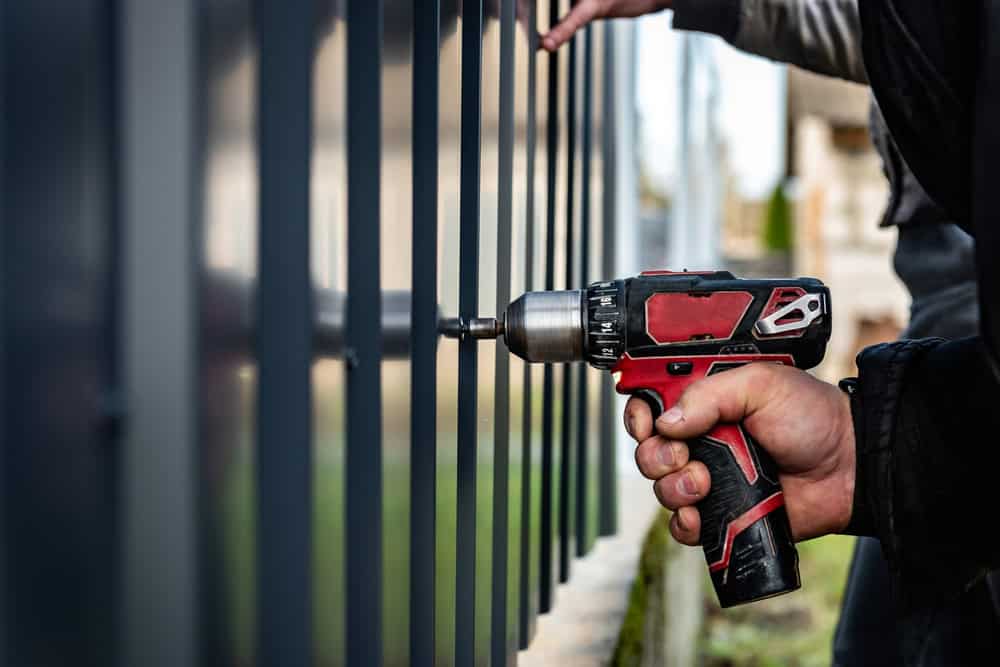
Installation day, our crew shows up on time with the materials and equipment. We set posts based on your soil type—deeper in sandy areas, properly braced for wind resistance. We build the fence section by section, clean up the site when we’re done, and walk you through the finished job. You get a fence that’s built to last and a yard you can actually use the way you want.
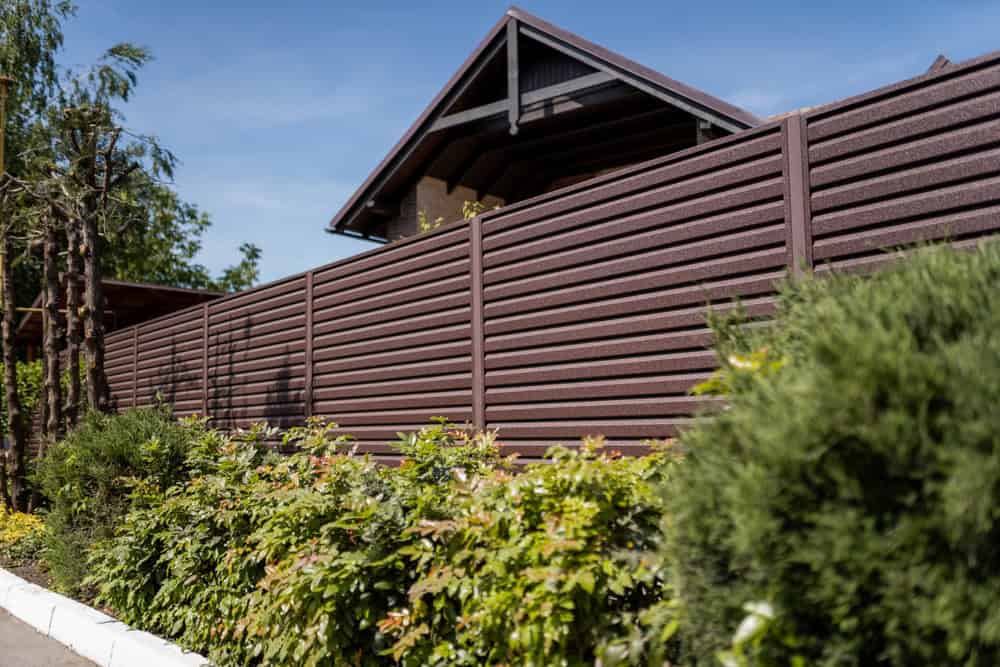
Ready to get started?
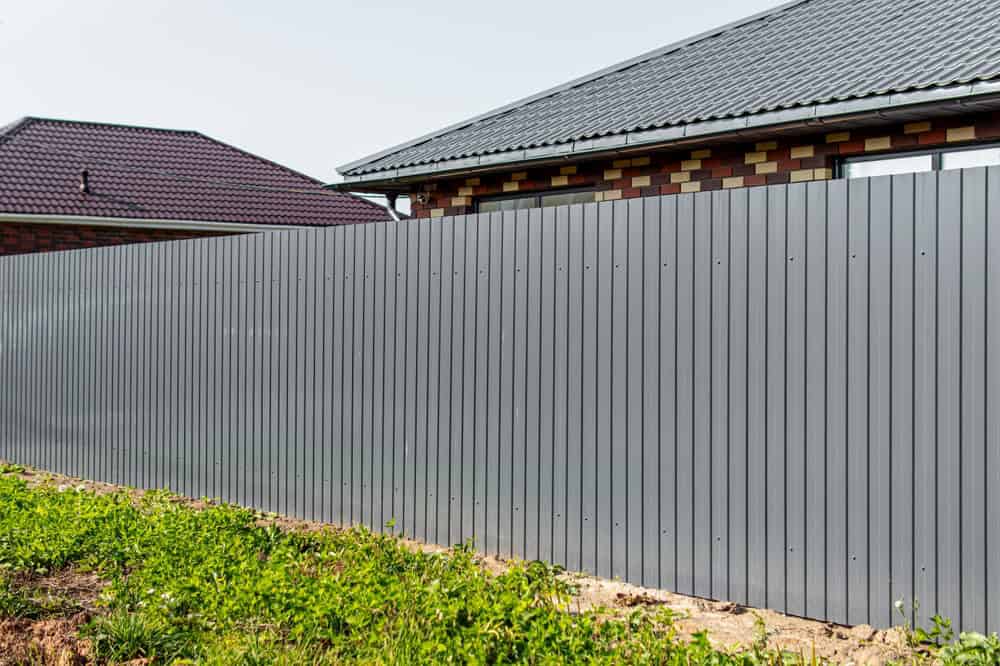
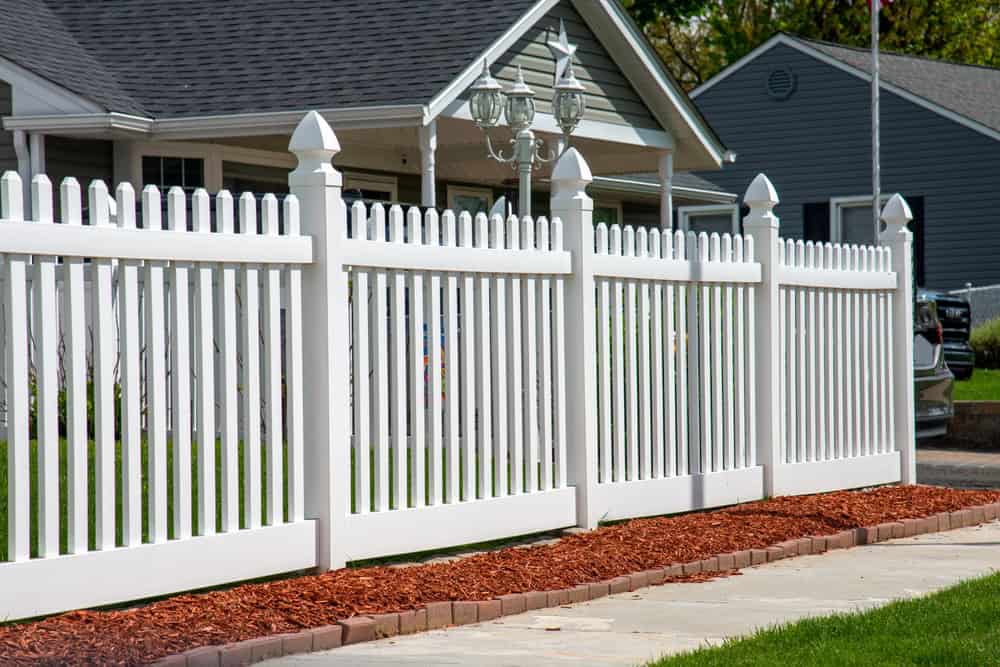
We install wood, vinyl, aluminum, and chain link fencing. Each material has a purpose. Pressure-treated wood gives you that classic look and lasts 15 to 20 years in Florida’s climate when it’s installed correctly. Vinyl doesn’t need painting or staining, and it won’t rot or warp. Aluminum works well for decorative fencing or pool enclosures—it’s low maintenance and won’t rust. Chain link is the most budget-friendly option and still gives you security and a clear boundary.
In Park Central, a lot of homeowners are dealing with HOA requirements. Some neighborhoods only allow certain fence styles or colors. We’ll help you figure out what’s allowed before we start, so you’re not dealing with violation notices later.
If you have a pool, Florida law requires barrier fencing with self-closing, self-latching gates. We install code-compliant pool fences that keep kids safe and pass inspection the first time. Hurricane-rated options are also available if you want extra wind resistance—worth considering if you’ve seen what storms can do to a poorly built fence.
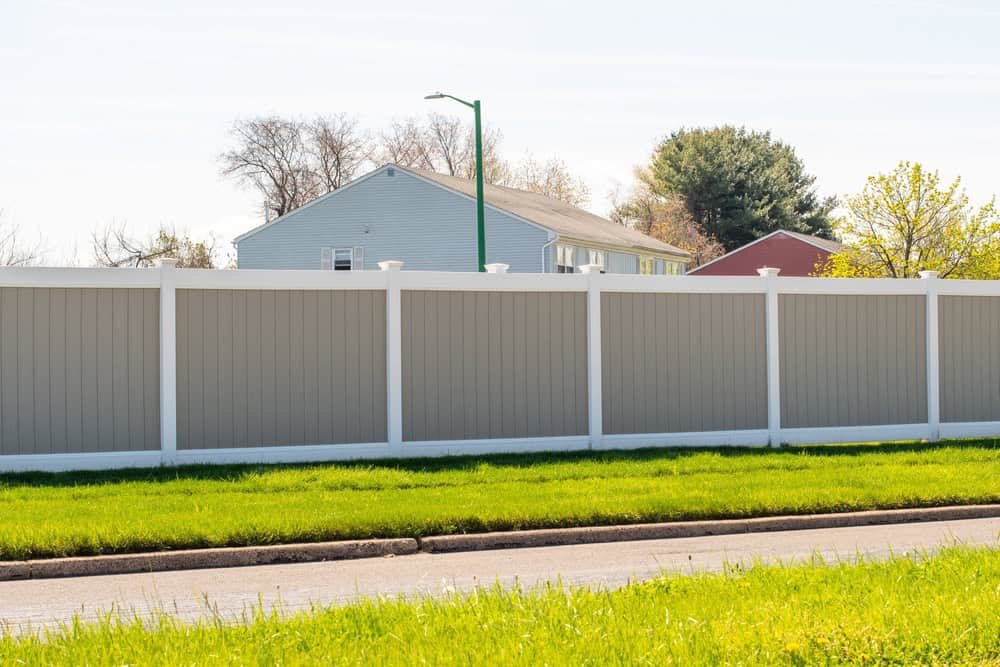
Most cities in Central Florida require a permit if your fence is over a certain height or if it’s in a specific zoning area. The rules vary depending on whether you’re in an HOA neighborhood or not.
We handle the permit process as part of the job. That includes submitting the plans, paying the fees, and making sure everything meets local building codes. If your HOA has additional requirements—like approved materials or color restrictions—we factor that in before we start.
Skipping the permit might seem easier, but it can cause problems if you ever sell your property or if a neighbor complains. We make sure it’s done right from the beginning so you don’t have to deal with fines or teardowns later.
A properly installed pressure-treated wood fence lasts 15 to 20 years in Florida, even with the humidity and rain. The key is using the right materials and installation techniques from the start.
We use pressure-treated lumber that’s rated for ground contact, which resists rot and insect damage. Posts are set in concrete and sunk deep enough to stay stable in sandy soil. We also make sure there’s proper drainage around the posts so water doesn’t pool and accelerate decay.
If you want to extend the life of your wood fence, you can stain or seal it every few years. That’s optional, but it helps protect against sun damage and moisture. Even without it, a well-built fence will hold up for decades if it’s installed correctly.
Wood gives you a traditional look and costs less upfront. Vinyl costs more initially but requires almost no maintenance and won’t rot, warp, or need painting.
With wood privacy fences, you’ll see small gaps between the pickets because the material expands and contracts with temperature changes. Vinyl doesn’t react to weather the same way, so the panels can be completely flush with no gaps—true privacy.
Vinyl also holds up better in Florida’s sun and humidity. You won’t need to restain it or worry about termites. Wood has more customization options if you want a specific design, and some HOAs only allow natural materials. Both work well for privacy—it just depends on whether you want lower upfront cost or lower long-term maintenance.
Yes. We offer hurricane-rated fencing systems designed to resist high winds and flying debris. These fences use reinforced posts, deeper footings, and construction techniques that account for wind load.
Standard fences can handle normal Florida weather, but if you’re in an area that gets hit hard during storm season, upgrading to a hurricane-rated system makes sense. The posts are set deeper and often use additional bracing. Some designs also include panels that allow wind to pass through rather than creating a solid wall that catches the full force of the wind.
It’s not necessary for every property, but if you’ve replaced a fence after a storm before, it’s worth considering. The upfront cost is higher, but you’re less likely to be dealing with repairs or full replacements every few years.
Cost depends on the material, height, length, and any site-specific challenges like sloped ground or difficult access. Wood is usually the most affordable option. Vinyl and aluminum cost more. Custom or decorative fencing is at the higher end.
We give you a transparent price after we visit your property and measure the area. That price includes materials, labor, permits, and cleanup. No surprise fees or add-ons after the fact.
If you’re comparing quotes, make sure you’re comparing the same materials and installation quality. A cheaper price might mean thinner posts, lower-grade lumber, or shortcuts that cost you more in repairs later. We use top-grade materials and proper installation techniques, so your fence lasts longer and performs better.
We work with property owners, so if you’re renting, you’ll need permission from your landlord before we can install a fence. Most landlords are open to it, especially if the fence adds value or security to the property.
If you own the property—even if you’re renting it out—we can handle the installation. We also work with property management companies that oversee multiple rental units and need fencing for security or to meet code requirements.
Since 74% of Park Central households are renter-occupied, we get this question a lot. The short answer: if you own it, we can fence it. If you rent it, talk to your landlord first and we’ll work with both of you to get it done.
Other Services we provide in Park Central