You’re not just replacing boards. You’re getting back the privacy you had before the storm ripped half your fence down. You’re stopping your dog from squeezing through that gap in the corner. You’re finally not looking at rotted posts every time you step outside.
A solid fence replacement in College Park, FL means your property looks finished again. It means you’re not explaining to neighbors why your backyard is wide open. It means insurance adjusters, HOA letters, and weekend patch jobs are behind you.
When the fence is right, everything else feels more secure. Your kids play without you watching the gate. Your property value doesn’t take a hit from curb appeal issues. You’re not budgeting for another replacement in three years because someone used the cheapest materials available.
We started in Atlanta in 1992, moved to Central Florida in 2004, and have been handling fence replacement in College Park, FL and across Central Florida ever since. We’re licensed, bonded, and insured—not because it sounds good, but because it protects you when something goes wrong.
College Park has a mix of older homes from the ’40s through the ’60s and newer builds from the 2000s. That means fence replacement here isn’t one-size-fits-all. Some properties need full teardowns because the posts are rotted through. Others just need sections replaced after storm damage. We’ve handled both, hundreds of times.
We’re not the cheapest option, and we don’t pretend to be. You’re paying for materials that last and installation that meets Florida building codes the first time. That’s the difference between a fence that makes it through hurricane season and one that ends up in your neighbor’s yard.
First, we come out and look at what you’re dealing with. We measure the property, check for rot or rust, and figure out if you need a full replacement or just sections. You get a transparent estimate with no surprise charges later.
Once you approve, we schedule the teardown. Old fence removal in College Park, FL usually takes a day, depending on size and material. We haul everything off-site. You’re not stuck with a pile of rotted wood in your driveway.
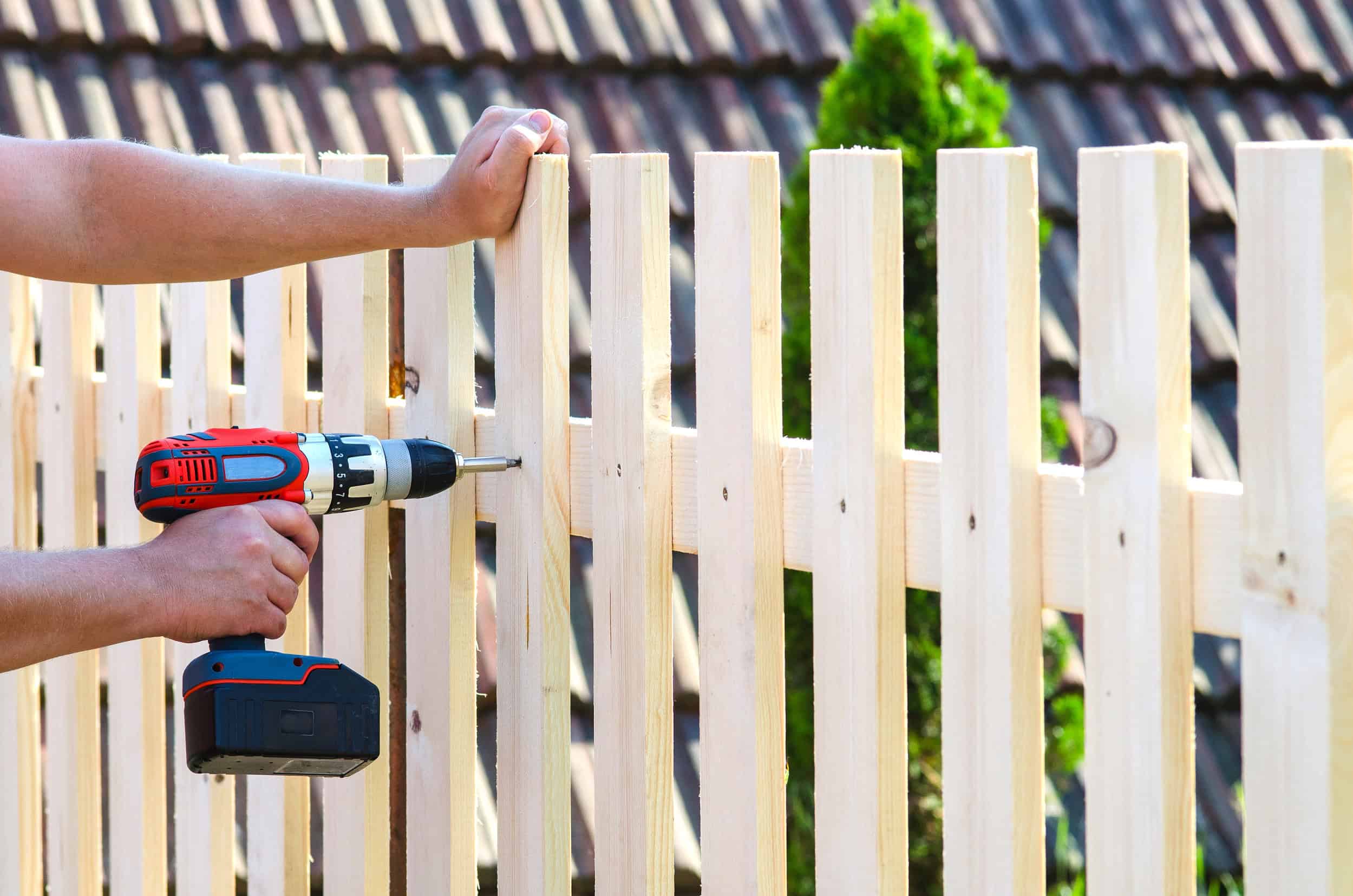
Then we install the new fence. Posts go deep enough to handle wind load. Rails and pickets get fastened correctly. Gates swing smooth and latch tight. If there’s an HOA involved, we make sure the height, style, and setback match requirements before we start.
After installation, we walk the property with you. You check the gates, the corners, the spacing. If something’s off, we fix it before we leave. The job’s not done until you’re satisfied with how it looks and functions.
Ready to get started?
Every fence replacement in College Park, FL starts with old fence removal and debris haul-off. You’re not responsible for cleanup or disposal. We handle permitting if your project requires it, and we coordinate with HOAs when needed.
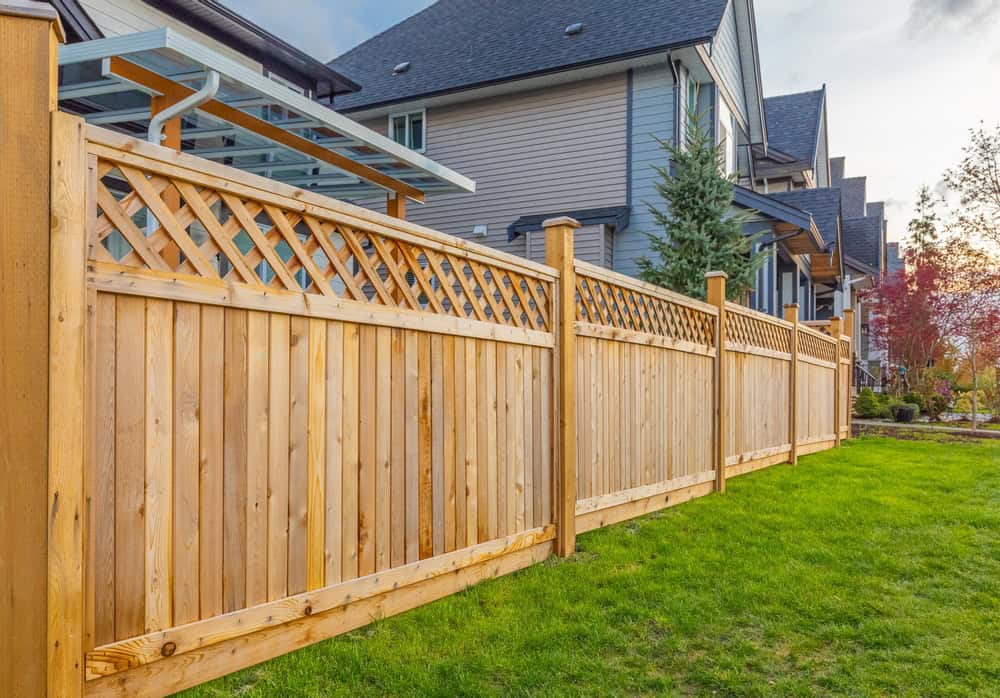
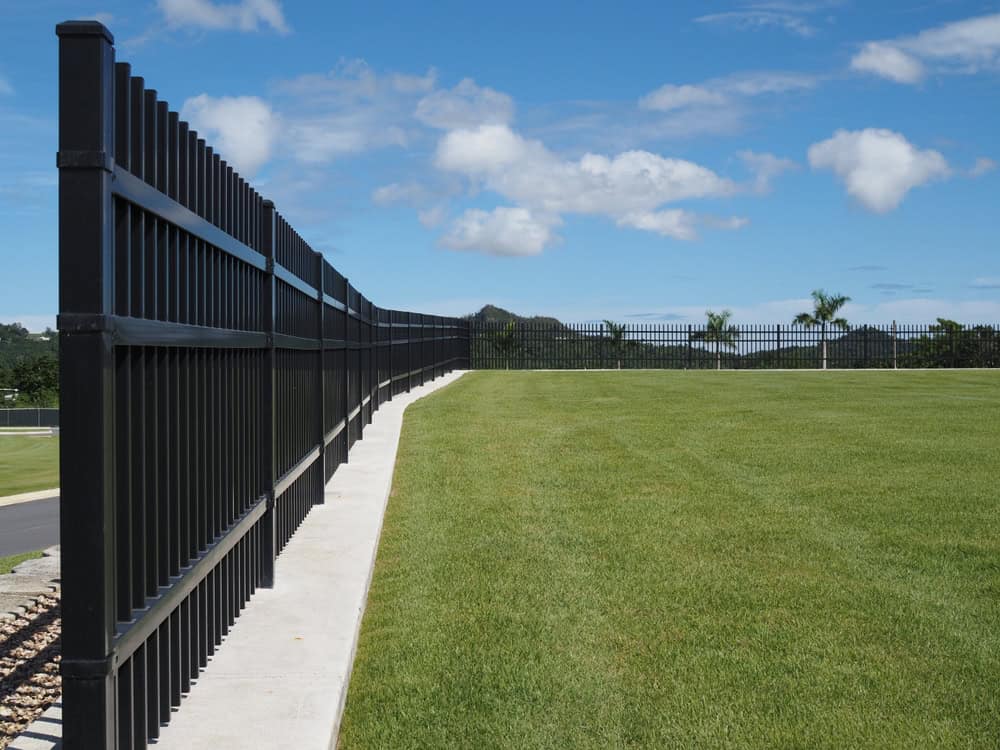
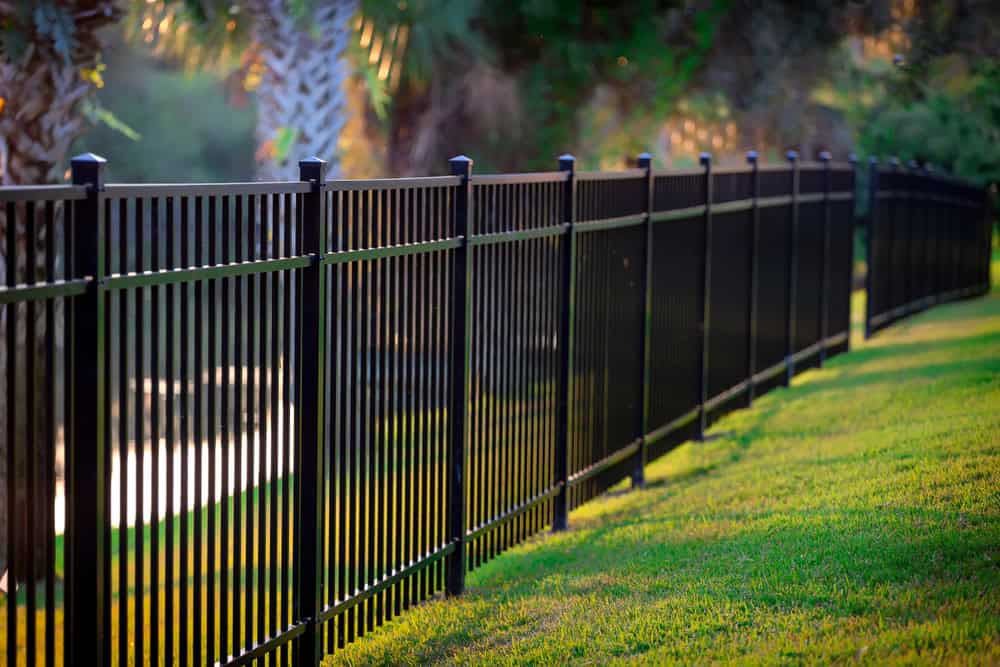
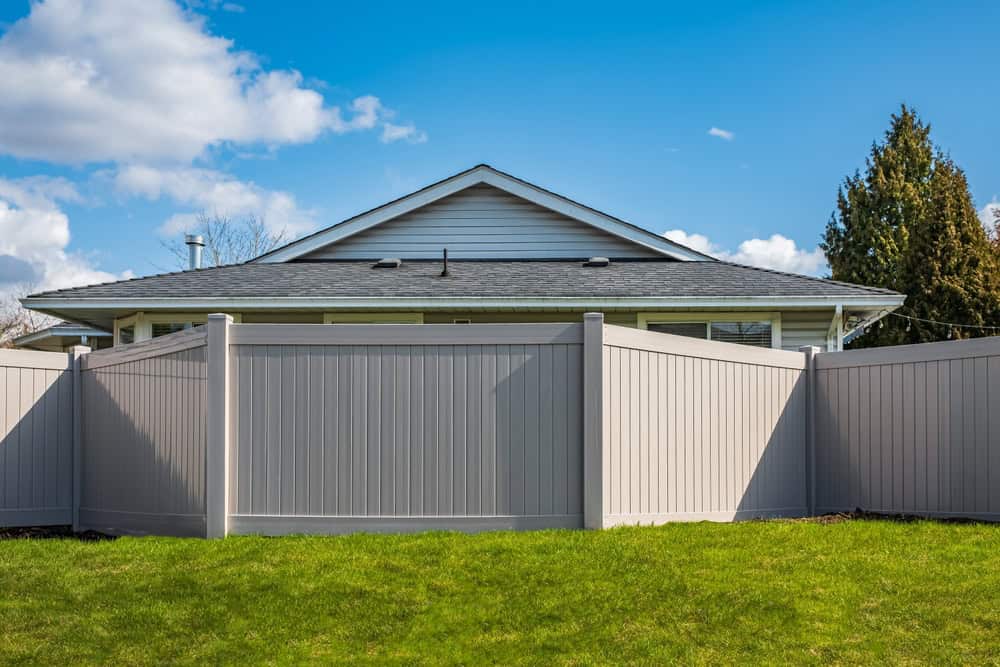
Material options include wood, vinyl, aluminum, and chain link. Wood fences work well if you want a traditional look and plan to maintain them. Vinyl holds up better in Florida’s humidity without the annual sealing. Aluminum gives you durability without rust issues, especially near saltwater. Chain link is the budget option that still does the job for pet containment and property lines.
College Park sits in Central Florida, where hurricanes aren’t a question of if, but when. That’s why we install with wind resistance in mind. Posts get set deeper than standard. Fasteners are galvanized or stainless. Panels are reinforced where needed. Hurricane Milton just tore through Port Charlotte and destroyed vinyl fences 40 miles away. Proper installation matters here more than most places.
We serve Lake, Orange, Seminole, Brevard, Volusia, Osceola, Polk, Sumter, and Marion counties. If you’re in College Park, FL, we’re local enough to respond quickly and experienced enough to handle whatever your property needs.
Most residential fence replacements in College Park, FL take two to four days from teardown to final walkthrough. Day one is usually removal and haul-off. Day two and three cover post installation and letting concrete cure. Day four is rails, pickets, gates, and cleanup.
Larger properties or custom jobs take longer. If you’ve got a half-acre with wood privacy fencing, expect closer to a week. Smaller yards with vinyl or chain link can wrap up in two days if weather cooperates.
Delays happen when we hit rock during post holes, when materials get backordered, or when storms roll through mid-project. We’ll tell you upfront if something’s going to push the timeline. You won’t get surprise delays the day we’re supposed to finish.
Sometimes, but not always. Florida homeowners insurance policies vary widely on fence coverage. Some cover full replacement after named storms. Others only cover a percentage. Some exclude fences entirely unless you added specific coverage.
You’ll need to check your policy declarations page or call your agent. Look for “other structures” coverage, which usually includes fences, sheds, and detached garages. Most policies cap this at 10% of your dwelling coverage, so if your home is insured for $300,000, you might have $30,000 for other structures.
Even when insurance covers it, you’re still paying the deductible. And if the adjuster decides the fence was already deteriorating before the storm, they might deny the claim. That’s why hurricane-resistant installation matters from the start. A fence built to code has a better shot at coverage than one that was barely standing before the wind hit.
Vinyl and aluminum hold up best in Florida without constant maintenance. Vinyl doesn’t rot, doesn’t need paint, and handles humidity without warping. Aluminum won’t rust, doesn’t attract termites, and can take a beating from storms if it’s installed correctly.
Wood looks great and costs less upfront, but you’re committing to maintenance. Florida’s heat, humidity, and UV exposure will crack and fade wood fast. You’ll need to clean, seal, and stain it every year or two. Skip that, and you’re looking at rot and replacement in five to ten years instead of fifteen to twenty.
Chain link is the budget option. It won’t rot or rust if it’s galvanized or vinyl-coated, but it doesn’t offer privacy and it’s not winning any curb appeal awards. It works fine for pet containment and property lines where aesthetics aren’t the priority. For College Park, FL, where home values run high, most people go vinyl or aluminum for the front and wood or vinyl for the backyard.
Fence posts in Florida should go at least two feet deep, and deeper is better for wind resistance. Standard residential installations use 4×4 posts set 24 to 30 inches deep in concrete. For taller fences or areas with high wind exposure, we go 36 inches.
Florida building codes vary by county, and some HOAs have their own requirements on top of that. Orange County, where College Park sits, follows the Florida Building Code, which accounts for hurricane wind loads. That means your fence needs to handle sustained winds without failing.
Shallow posts are the number one reason fences fail in storms. If the post only goes 18 inches down, the wind will lever it right out of the ground. Concrete matters too. We use fast-setting concrete mix, but we let it cure properly before attaching rails and pickets. Rushing that step creates weak points that show up later when the wind picks up.
You can replace sections if the rest of the fence is still solid. We do partial replacements all the time after storm damage takes out a few panels or when one side of the yard is rotted but the others are fine.
The catch is matching materials. If your fence is ten years old, the new section might not match perfectly in color or style. Wood weathers and fades. Vinyl changes shade slightly between production runs. If matching matters to you, we’ll do our best, but sometimes a full replacement makes more sense for consistency.
Partial replacement works well when the damage is isolated and the existing fence still has years left. It saves money and gets the job done faster. But if half your fence is questionable and you’re patching it every year, you’re better off replacing it all now. Otherwise, you’re paying for labor twice and dealing with mismatched sections that fail at different times.
Fence replacement in College Park, FL typically runs $15 to $45 per linear foot, depending on material, height, and site conditions. Chain link sits at the low end. Wood privacy fencing runs $20 to $30 per foot. Vinyl and aluminum push $30 to $45 per foot installed.
A standard quarter-acre backyard might need 150 to 200 linear feet of fencing. That puts you anywhere from $3,000 to $9,000 for the project, depending on what you choose. Add gates, custom heights, or difficult access, and the price goes up.
We give free estimates, and the price we quote is the price you pay. No hidden fees for haul-off, no surprise charges for concrete, no upcharges because we hit rock. You’ll know exactly what you’re spending before we start. If you’re comparing quotes, make sure you’re comparing the same materials, the same installation depth, and the same warranty. The cheapest bid usually skips something important.
Other Services we provide in College Park