You’re not replacing your fence for fun. Something failed—weather took it down, the wood’s rotting through, or it’s just an eyesore you’re tired of looking at. Whatever brought you here, the outcome matters more than the process.
A proper fence replacement in East Central Park, FL means you stop worrying about the next storm. It means your property line is clear, your kids or dogs stay where they should, and you’re not explaining to neighbors why half your fence is leaning into their yard. You get materials that handle Florida’s humidity, wind, and UV without falling apart in three years.
The difference is in what you don’t have to deal with anymore. No more weekend patch jobs. No more sections that look decent from one angle and terrible from another. Just a fence that does its job and looks good doing it.
We cover nine counties in Central Florida, including East Central Park and the surrounding areas. We’ve seen what works here and what doesn’t. Florida weather isn’t kind to fencing, and if you don’t know how to account for soil conditions, wind load, and moisture, you’re setting yourself up to do this again sooner than you should.
We’re not the cheapest option, and that’s intentional. You’re paying for materials that last and installation that doesn’t cut corners. Our crews show up when they say they will, finish the job without dragging it out, and leave your property cleaner than expected.
Transparent pricing means you know what you’re paying before we start. No surprise fees halfway through because we “found something.” If there’s an issue, we tell you up front.
First, we come out and look at what you’ve got. We measure the property, check the existing fence line, and talk through what you need. If there’s storm damage and you’re filing insurance, we document everything and provide the estimates your insurance company wants to see.
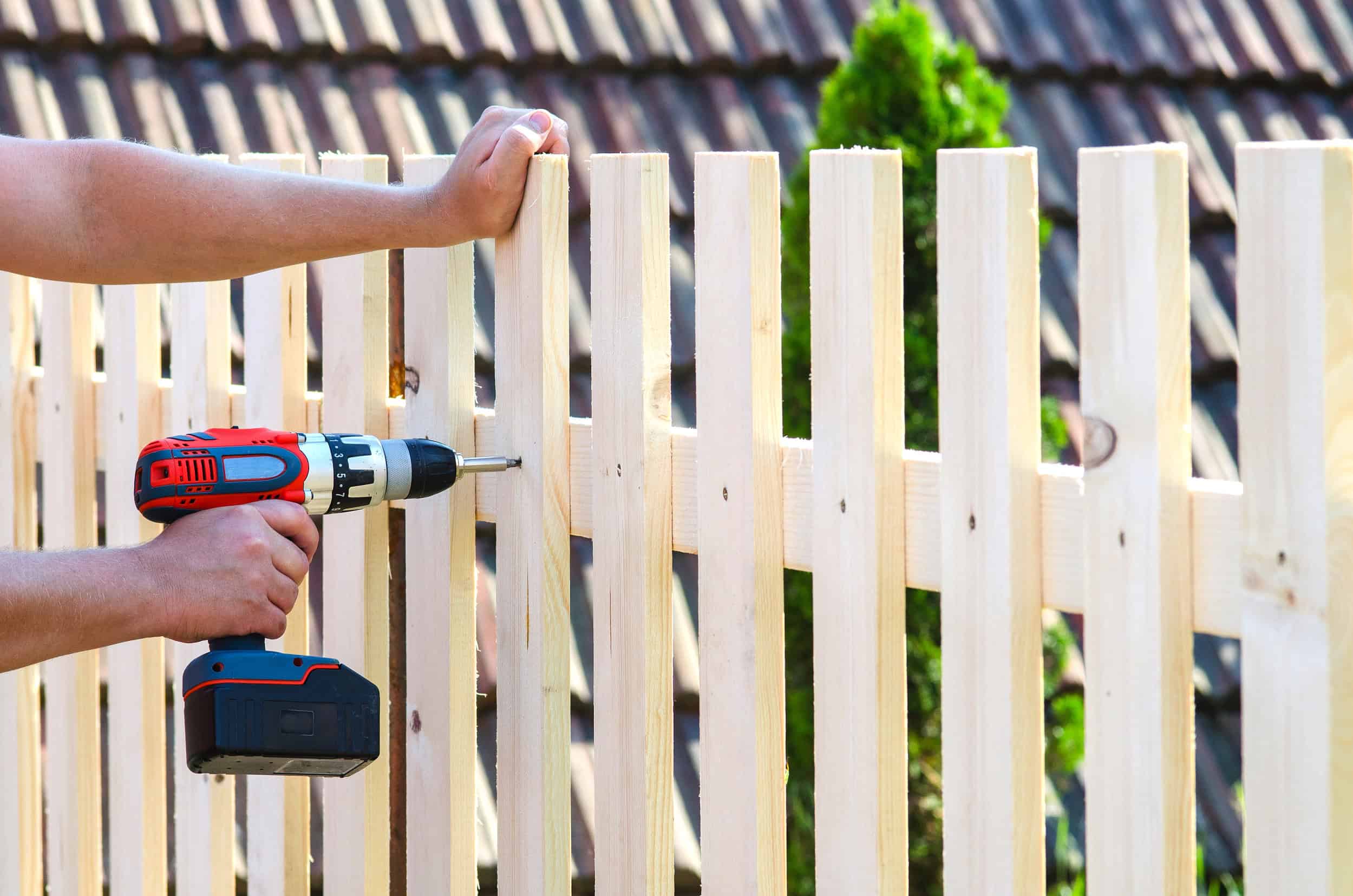
Once you approve the plan, we schedule the teardown. Old fence comes out—posts, panels, hardware, all of it. We haul it off so you don’t have a pile of rotting wood sitting in your yard for two weeks. Then we prep the line, set new posts with proper depth and spacing, and install your new fence using materials that match what you picked.
The install typically takes a few days depending on size, and we work efficiently without tearing up your landscaping. When we’re done, you’ve got a fence that’s level, secure, and built to handle what Florida throws at it. We walk the line with you, answer any questions, and make sure you’re clear on warranty coverage before we leave.
Ready to get started?
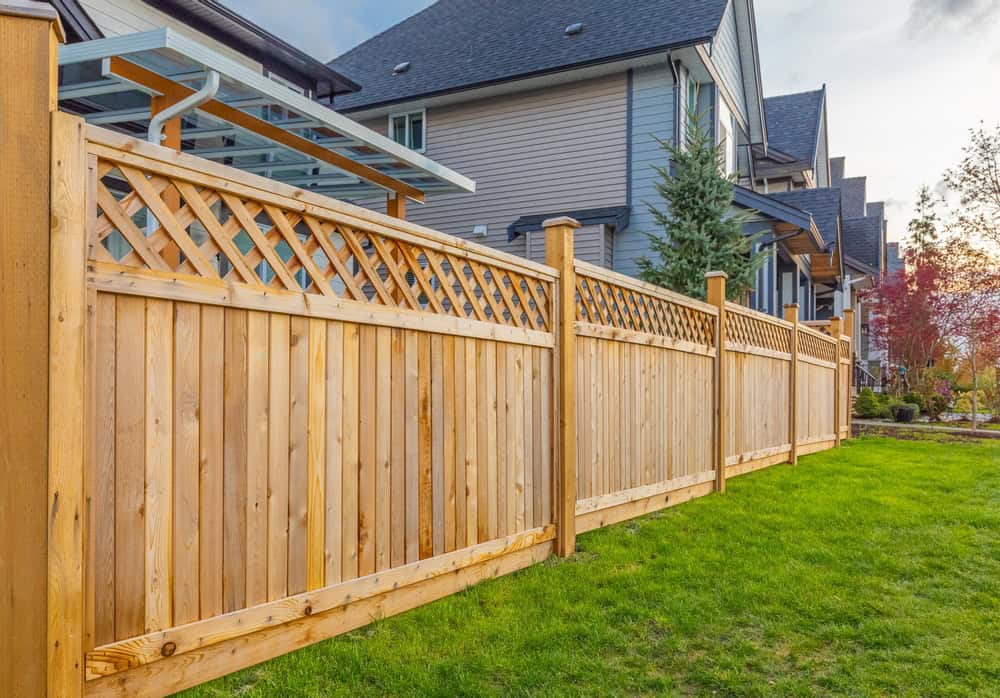
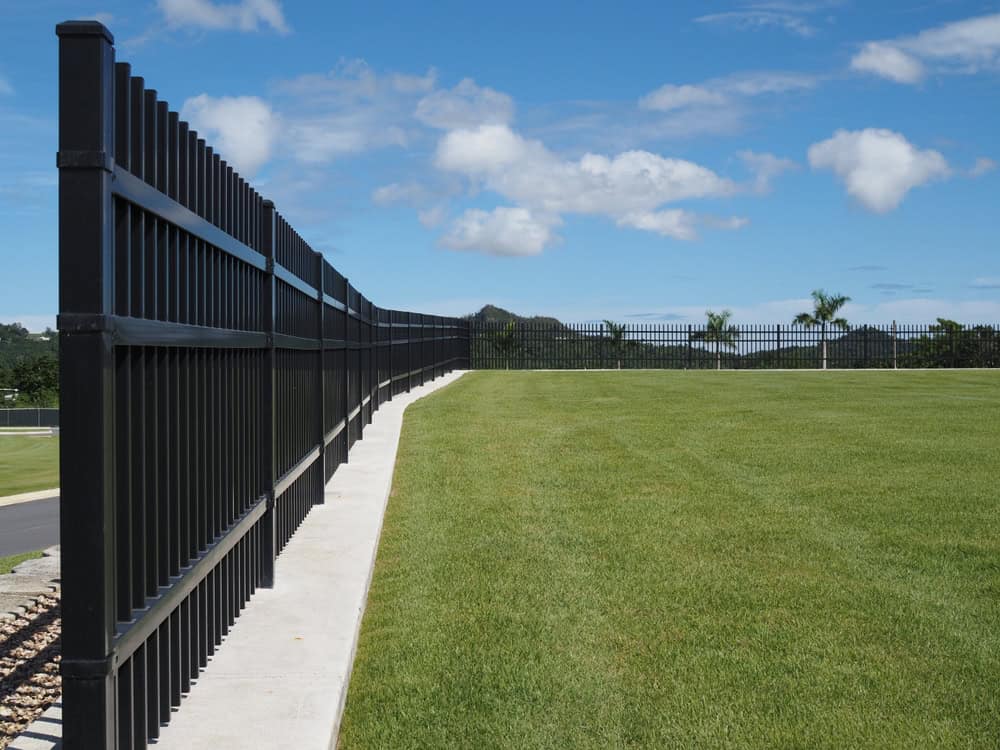
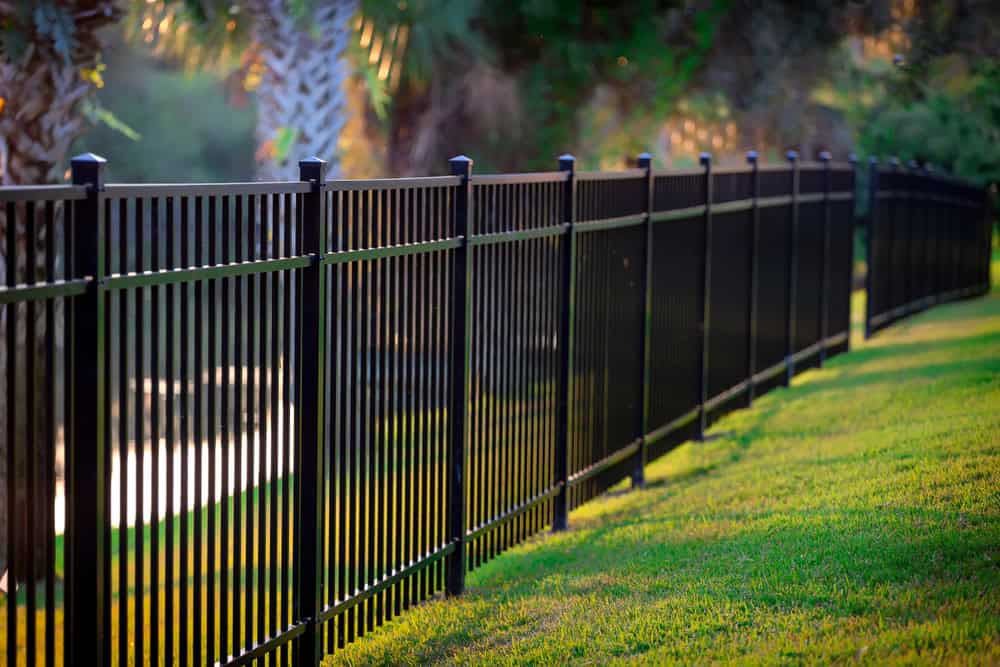
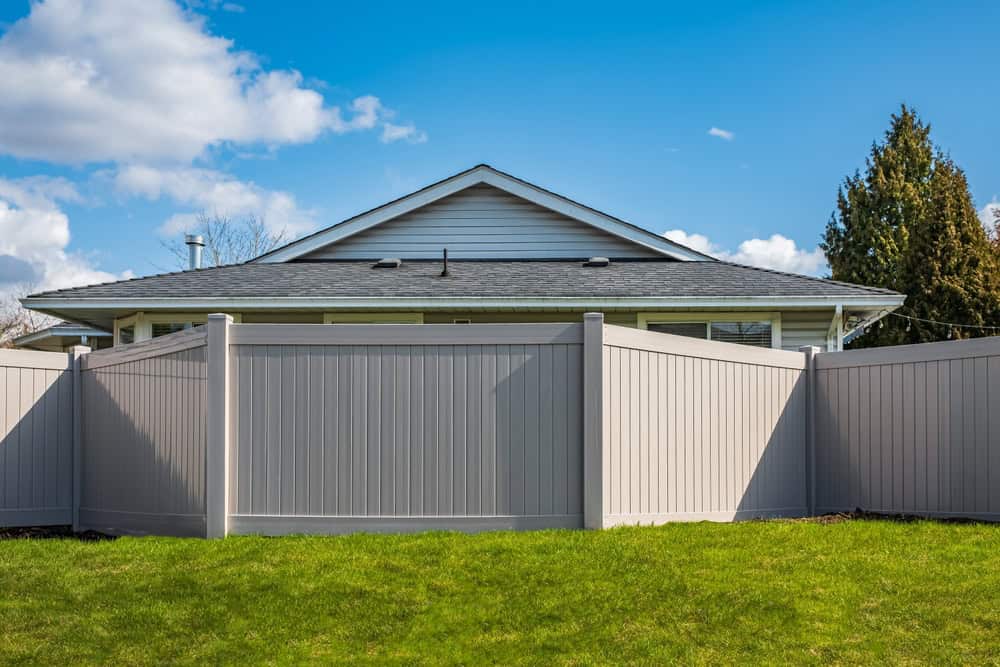
Your fence replacement in East Central Park, FL covers full removal of the old fence, disposal of all materials, and installation of the new system from posts to panels. We’re talking about weather-resistant materials—vinyl that won’t rot or warp, aluminum that handles wind without bending, or treated wood if that’s what fits your property best.
Florida’s climate is tough on fencing. High humidity, intense UV exposure, and seasonal storms mean you need materials designed for this environment. Vinyl fences handle heavy rain and wind without splitting. Aluminum doesn’t rust in the moisture. If you’re going with wood, it needs proper treatment and sealing or you’ll be back here in five years doing this again.
We also handle any HOA requirements or local building codes. East Central Park has specific regulations around fence height, setback, and materials in some neighborhoods. We know what’s allowed and what isn’t, so you don’t get halfway through the project and find out you need to start over. If there’s a permit required, we take care of it. You shouldn’t have to become an expert in county regulations just to replace your fence.
Most residential fence replacement in East Central Park runs between $4,000 and $12,000 depending on linear footage, material choice, and site conditions. Vinyl and aluminum cost more up front but require almost no maintenance. Wood is cheaper initially but you’ll spend money on staining and sealing every few years.
Your final cost depends on how much fence you’re replacing and what you’re replacing it with. A 150-foot vinyl privacy fence costs more than the same length in chain link, but it also lasts longer and doesn’t need repainting. If your old fence had concrete footings that need removal, that adds labor. If the ground is uneven or has drainage issues, that affects installation time.
We give you a clear estimate before starting so you know exactly what you’re paying. No hidden fees for “unexpected complications” that should’ve been obvious from the start. If something legitimate comes up mid-job, we talk to you about it before moving forward.
It depends on your policy and how the damage happened. If a storm knocked down your fence and you’ve maintained it properly, most policies cover repair or replacement up to your coverage limit. If the fence was already rotting and just finally gave out, that’s usually considered normal wear and tear—not covered.
The key is documentation. Take photos of the damage immediately after the storm, before you touch anything. Insurance companies want to see what happened and verify it was actually storm-related. We provide detailed estimates that meet insurance documentation requirements, including material costs, labor breakdown, and photos of the damage.
Some policies exclude wind damage or have separate deductibles for it, especially in Florida. Check your policy or call your agent before assuming you’re covered. If you are covered, we work with your adjuster to make sure the estimate matches what they need. If you’re not covered, we still give you options that fit your budget without forcing you into the most expensive materials.
Most residential fence replacements in East Central Park take three to five days once we start. Day one is usually teardown and removal of your old fence. Days two and three are post installation and letting concrete cure if needed. Days four and five are panel or picket installation and final cleanup.
Weather can push timelines back—we’re not installing fence panels in a thunderstorm or setting posts in saturated ground. If we hit unexpected issues like buried utilities or rock ledge where posts need to go, that adds time. But we communicate throughout the process so you’re not guessing when we’ll be back.
From your first call to finished fence, you’re looking at one to three weeks depending on our schedule and how quickly permits process if needed. We don’t drag jobs out, but we also don’t rush through installation and leave you with a fence that’s not level or posts that aren’t set properly. You’re better off waiting an extra day for it to be done right than having us finish fast and leave you with problems.
Vinyl and aluminum hold up best in Florida’s heat, humidity, and storms. Vinyl doesn’t rot, warp, or splinter. It handles UV exposure without fading as fast as cheaper materials, and it doesn’t need painting or staining. Aluminum won’t rust, handles high winds well, and requires almost zero maintenance beyond occasional cleaning.
Wood can last if it’s properly treated and maintained, but you’re committing to regular upkeep. That means staining or sealing every two to three years to protect against moisture and sun damage. Skip that maintenance and you’ll see rot, warping, and insect damage within five years. Some woods like cedar naturally resist rot better than pine, but they cost more up front.
Chain link is durable but doesn’t offer privacy and can rust over time if the coating wears off. It works for containment and security but doesn’t do much for curb appeal. The best material for your property depends on what you need the fence to do—privacy, security, aesthetics, or all three. We walk through options based on your priorities and budget, not just what we have the most of in stock.
It depends on your fence height, location, and whether you’re in an HOA. Most cities in Central Florida require permits for fences over six feet tall or fences installed within a certain distance of the property line. Corner lots often have additional restrictions because of sight line regulations for traffic.
If you’re in a neighborhood with an HOA, you’ll need approval before starting. Some HOAs have strict rules about fence style, color, and height. We’ve seen projects get halfway done before the homeowner realizes their HOA doesn’t allow solid privacy fences in the front yard. Check your HOA guidelines first, or we can help you navigate that process.
Permits usually take one to two weeks to process. We handle the application and make sure everything meets local building codes so you don’t fail inspection halfway through. Skipping permits might seem like it saves time, but if code enforcement shows up, you could be forced to tear down the fence and start over—this time with fines added on top.
We can get close, but exact matches are tough if your existing fence is more than a few years old. Materials change, manufacturers discontinue styles, and weathering affects color. If you’ve got a vinyl fence that’s been sitting in Florida sun for ten years, new panels won’t match the faded sections no matter what we do.
Your best option is usually replacing the entire fence if appearance consistency matters to you. Patchwork replacements are functional, but they’re visually obvious. If budget is tight and you only need to replace a damaged section, we’ll find the closest match available and install it properly—but set your expectations that it’ll look newer than the rest.
Sometimes it makes more sense to replace everything now rather than doing partial replacement and then replacing the rest in two years when another section fails. We’ll walk you through the cost difference and let you decide what makes sense for your situation. If the existing fence is already eight or ten years old, you’re likely looking at more failures soon anyway.
Other Services we provide in East Central Park